
The best choice patio swing for most people is a freestanding 2-person swing with a powder-coated steel or HDPE frame, solution-dyed fabric cushions, and a weight capacity of at least 440 lbs. If you have a covered porch with solid structural joists, a hung wood or POLYWOOD swing gives you a cleaner look and more seat options. If you don't have a verified overhead structure to anchor into, skip the hung swing entirely and go freestanding, it's safer, easier to install, and you can move it around your patio without any tools.
Best Choice Patio Swing: How to Choose the Right Fit
Lark Perry
4 Jul 2026
How to choose the right patio swing for your space
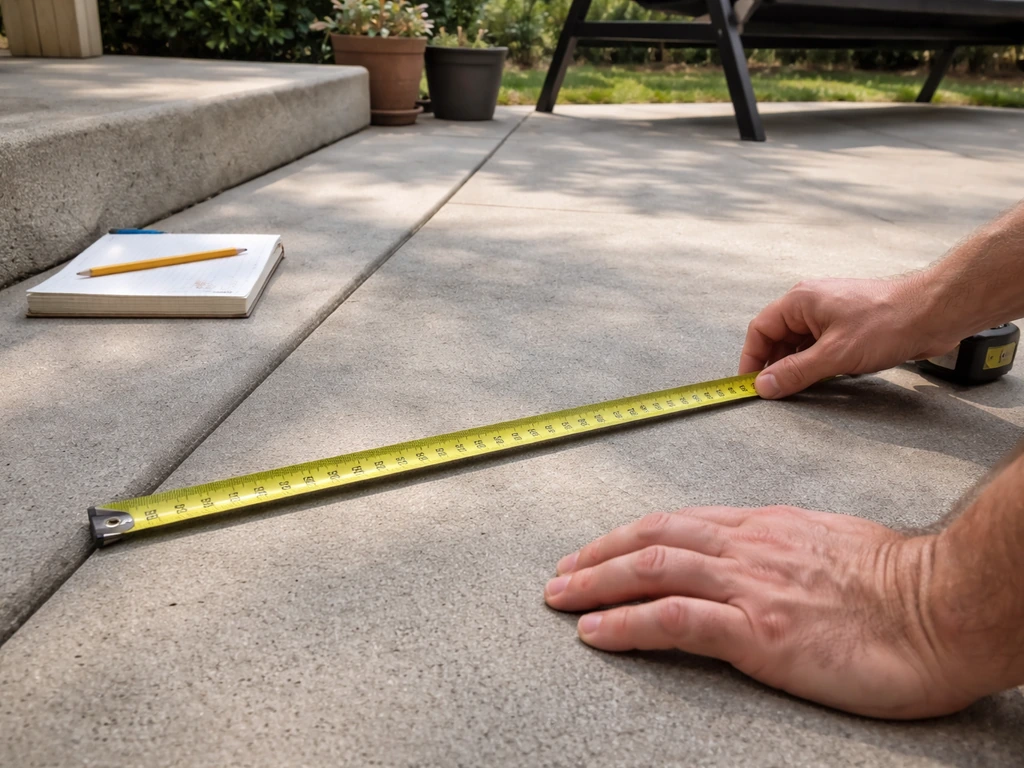
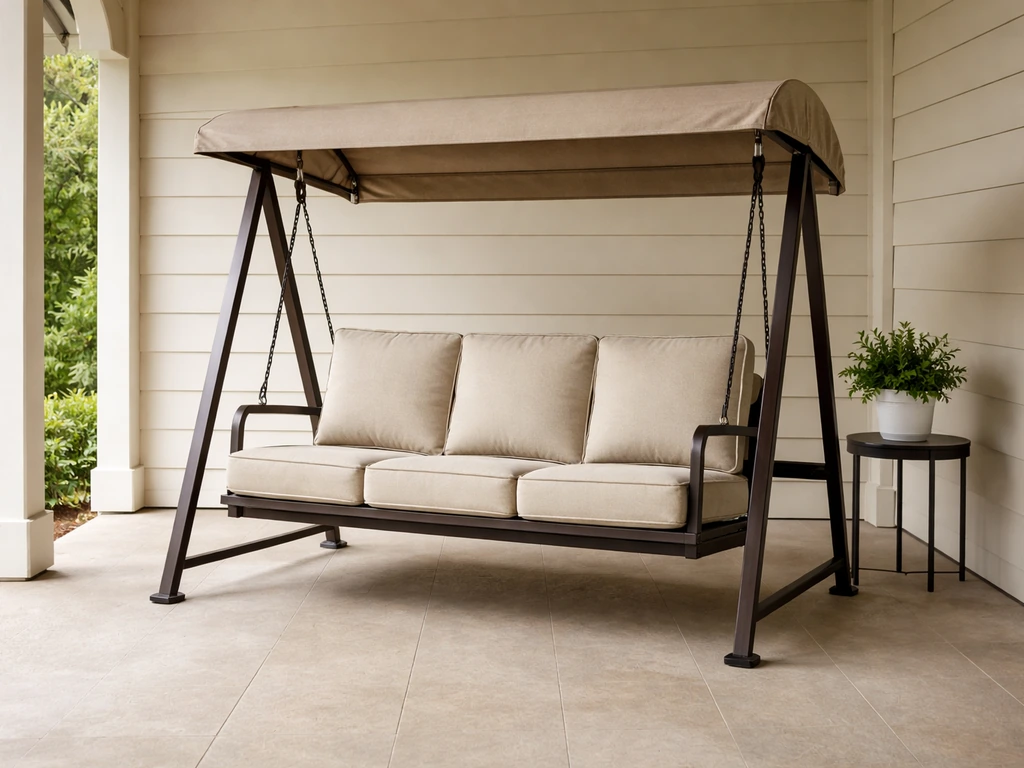
The single biggest mistake people make when buying a patio swing is picking a style before checking whether their space can actually support it. There are two fundamentally different setups: hung swings (which attach to a ceiling beam, joist, or overhead structure via chains or rope) and freestanding swings (which come with their own A-frame or arch stand). They look similar but have very different space and installation requirements.
For a hung swing, you need a covered porch or pergola with structural framing overhead. You'll also need real clearance, at least 18 to 24 inches in front of and behind the swing so it can arc without hitting a wall or railing. Side clearance should be at least 6 to 8 inches on each side, though 14 to 16 inches per side is a more comfortable buffer if space allows. Measure your porch ceiling height too: for a standard 17 to 19-inch seat height, you'll typically need around 8 feet of ceiling clearance when factoring in chain length.
For a freestanding swing, your main constraint is footprint. These A-frame setups typically run 5 to 6 feet deep and 6 to 7 feet wide for a 2-person model. Make sure you have at least 2 feet of breathing room on each side and behind the frame so it doesn't feel cramped. Freestanding swings work on open patios, decks without overhead structures, or anywhere you want flexibility. If you're in Canada or a region with heavier seasonal weather, there are specific freestanding models worth considering for year-round use.
One quick question to ask yourself: will this live outdoors year-round or get stored in the off-season? If it stays outside all year, material choice and weather resistance jump to the top of your priority list. If you're storing it seasonally, you have more material flexibility and can focus more on comfort and aesthetics.
Key features to compare before you buy
Frame material
Frame material is where durability is won or lost. Here's how the main options stack up in practical terms:
| Material | Durability | Weather Resistance | Weight | Maintenance | Price Range |
|---|---|---|---|---|---|
| HDPE Plastic | Excellent — won't rot, splinter, or rust | Best for all-weather outdoor use | Moderate | Wipe clean, no sealing needed | $300–$900+ |
| Powder-coated Steel | Good — depends on coating quality | Good if coating is intact; can rust if chipped | Heavy | Inspect coating annually | $200–$600 |
| Aluminum (powder-coated) | Excellent — rustproof by nature | Very good — lightweight and corrosion-resistant | Light | Hose down, minimal upkeep | $350–$1,000+ |
| Teak/Hardwood | Very good with sealing | Moderate — needs seasonal oiling or sealing | Heavy | Annual sealing or oiling | $400–$1,500+ |
| Wicker (poly over aluminum) | Good — aluminum core resists rust | Good — poly weave handles sun/rain well | Light–moderate | Hose on medium, no pressure washing | $250–$700 |
HDPE (high-density polyethylene) plastic is the standout for pure outdoor durability. Models like the Innovaze HDPE porch swing carry up to 1,200 lbs capacity and use rustproof stainless-steel hardware, that combination makes it nearly bulletproof for outdoor use. POLYWOOD uses a similar HDPE lumber approach and backs their frames with a 20-year residential warranty, with welds, powder-coat finish, and hardware covered for 5 years. If longevity is your priority, HDPE or aluminum frames are the right call.
Swing type and style
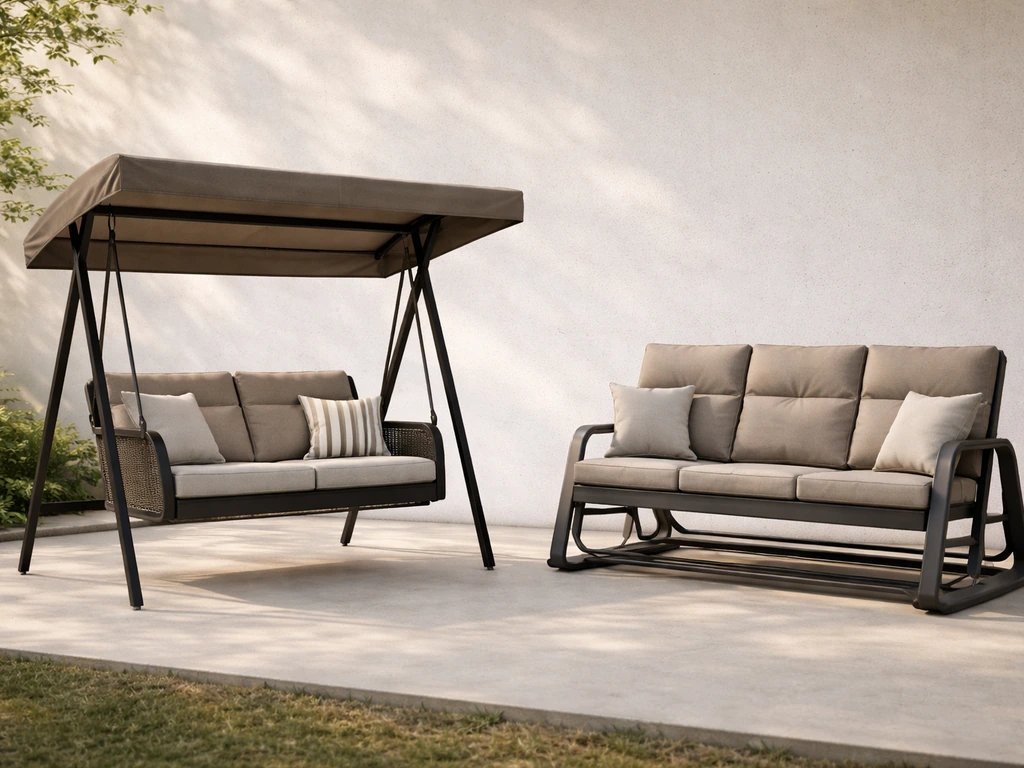
Beyond hung vs. freestanding, you'll encounter canopy swings (freestanding with a sun shade built in), glider-style swings (which move front-to-back on a fixed track rather than swinging on chains), and hammock-style swings (more like an outdoor daybed). Canopy swings are popular for open patios where you need shade. Gliders are gentler in motion and often easier for older users or those with balance concerns.
If you're weighing a swing vs. a glider specifically, the motion style really comes down to personal preference, gliders feel smoother, swings feel more classic. There are also hammock bed swings with stands if you want to lean more toward lounging than sitting. Hammock bed products with a stand are a great option if you want that true lounge look without needing a ceiling mount hammock bed swings with stands.
Seat comfort factors
Seat width and depth matter more than people expect. A standard 2-person swing runs about 48 to 60 inches wide. Seat depth typically ranges from 18 to 36 inches, deeper seats are more reclined and loungy, shallower seats are better for upright sitting. Start with a target seat height of about 17 inches off the ground, which is close to standard chair height and comfortable for most adults. If the swing comes with or supports cushions, check the dimensions carefully: you'll need seat width, seat depth, back width, and back height measurements to order a proper replacement or upgrade cushion that actually fits.
Sizing, installation, and compatibility
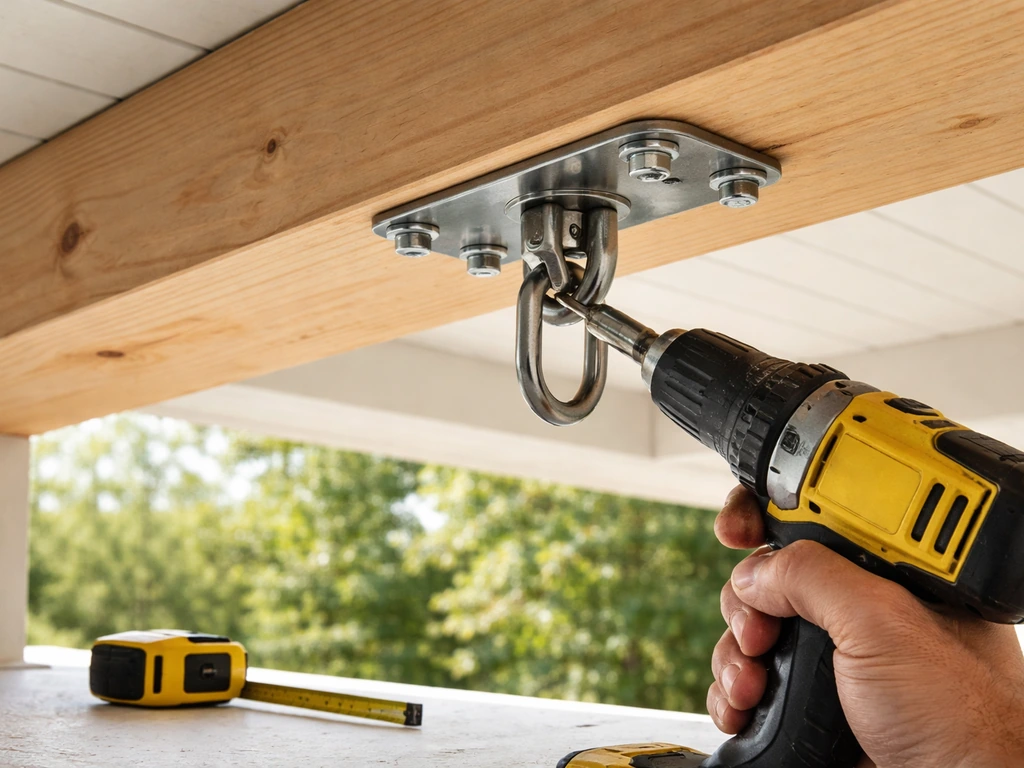
Before you order anything, run through this checklist. It takes about 10 minutes and will save you from a frustrating return.
- Measure your available space: length along the wall or patio edge where the swing will sit, plus depth from wall to edge. For hung swings, note ceiling height.
- For hung swings, confirm you have a structural overhead support — a load-bearing beam or joist, not just drywall or a decorative soffit. A contractor or structural assessment is worth it if you're unsure.
- Check that your overhead anchor points can be set 2 to 4 inches wider than the swing's total length. This ensures even weight distribution and prevents the chains from rubbing the frame.
- Calculate chain length: for a standard 8-foot ceiling and a 17-inch seat height target, you'll need to account for the swing's own hardware and hanging bracket height in your chain-length math. Most swings include 8-foot chains as a starting point.
- For freestanding swings, measure the full footprint of the frame — not just the seat — and leave at least 2 feet clearance on all sides.
- Verify the hardware included with the swing. Look for galvanized or stainless-steel screw eyes, hooks, or eye bolts with enclosed rings. These resist corrosion far better than zinc-plated hardware outdoors.
- Check the listed weight capacity against your actual needs. Two adults can easily total 300 to 400 lbs, so a 440-lb rated swing is a minimum, not a generous buffer.
One often-overlooked detail: chain-link adjustment. Most hung swings let you hook onto different chain links to fine-tune the seat height and tilt angle. This is genuinely useful for getting that comfortable 17-degree recline that makes swinging relaxing rather than awkward. Don't assume the default hanging length is right, test it before you declare the installation done.
Weather resistance and real-world durability
Outdoor furniture takes a beating, and patio swings are exposed to every weather cycle your region throws at them. UL testing on more than 300 outdoor furniture products found that 30 to 40 percent failed to meet expected durability standards. That's a sobering number, and it explains why cheap swings often look rough after just one or two seasons.
For the frame, the key issue is rust and corrosion. Stainless-steel hardware (specifically 18-8 marine-grade stainless, which POLYWOOD uses on their Vineyard swing) is the best protection for hanging hardware. For steel frames, look for a thick powder-coat finish and inspect it every spring, any chips should be touched up immediately before rust sets in under the coating. HDPE and aluminum frames sidestep this entirely since they're rustproof by material, not just by coating.
For cushions, the fabric type makes an enormous difference. Solution-dyed polypropylene is the standard to look for, the color is baked into the fiber during manufacturing rather than applied on top, which gives it far superior UV fade resistance. Look for cushions rated for at least 1,000 hours of UV exposure. Sunbrella and similar solution-dyed outdoor fabrics are the benchmark. Avoid swings that come with cheaply made polyester cushions, they'll look faded and dingy within one summer of direct sun exposure.
A patio swing cover is worth buying alongside the swing itself, especially if you live somewhere with hard winters, heavy rain, or intense UV. Even a basic cover extends cushion and frame life significantly by reducing UV exposure and preventing moisture from sitting on surfaces overnight. Make sure the cover fits the full footprint of the swing and stand, not just the seat.
Safety and comfort checks before you finalize
This is the section most buyers skip, and it's the section that causes the problems. A Reddit thread about a porch swing installation failure is genuinely instructive: in almost every case, the failure point was either improper anchoring (not into structural framing) or hardware that wasn't rated for the load. Here's what to verify before you declare a swing safe to use.
- Structural anchor verification: for hung swings, confirm hooks are set into a solid joist, beam, or structural member — never into OSB, drywall, or purely decorative framing.
- Weight capacity: confirm the swing's rated capacity exceeds the realistic combined weight of users plus cushions, and check whether that capacity covers the frame only or the full assembly including hanging hardware.
- Hardware quality: galvanized or stainless-steel hardware is non-negotiable for outdoor use. Zinc-plated fasteners will show rust within 1 to 2 years in humid or wet climates.
- Stability test: before regular use, load the swing with weight and check for any wobble in the frame (freestanding) or flex in the anchor points (hung). A small amount of motion is normal; creaking, shifting anchor points, or visible flex in the mounting hardware is not.
- Clearance re-check: walk through the swing arc and confirm nothing is in the path — plants, walls, railings, furniture. The minimum safe clearance is 18 inches front and back; 24 inches is more comfortable.
- Pinch points: check the chain connection points and any moving hardware for exposed pinch risks, especially if children will be using the swing. UL 4041 testing specifically covers pinch and shear points in swing hardware.
- Regular inspection schedule: set a reminder to check all hardware (hooks, eye bolts, chain links, frame welds) at the start of each season and after any severe weather event.
What to actually buy: picks by budget and need
Here's a practical shortlist framework to help you narrow down quickly. There's no single universally best patio swing, the right one depends on your space, your budget, and how much maintenance you're willing to do. A high quality patio swing is also one that matches your space, uses durable materials, and offers the comfort you want without cutting corners on safety.
| Buyer Type | Best Fit | Frame to Look For | Capacity Target | Budget Range |
|---|---|---|---|---|
| Budget-conscious, open patio, no overhead structure | Freestanding 2-person canopy swing | Powder-coated steel frame | 440+ lbs | $150–$350 |
| Mid-range, covered porch with verified joists | Hung 2-person wood or HDPE swing | Solid hardwood or HDPE lumber | 500+ lbs | $300–$600 |
| Premium durability, year-round outdoor use | HDPE or aluminum freestanding or hung swing | HDPE (e.g., POLYWOOD Vineyard) or aluminum frame | 600–1,200 lbs | $600–$1,200+ |
| Maximum comfort, lounging-focused | Canopy daybed swing or hammock swing with stand | Steel or aluminum arch stand | 400+ lbs | $400–$900 |
| Older users or mobility-conscious buyers | Glider-style patio swing | Powder-coated aluminum or steel | 400+ lbs | $300–$700 |
For the best overall hung swing, the POLYWOOD Vineyard 60-inch porch swing is a standout, it uses marine-grade 18-8 stainless-steel hardware, a 20-year frame warranty, and HDPE lumber that genuinely doesn't require seasonal maintenance. If you're looking for the most reliable “buy once” choice, checking the top rated patio swings can help you compare capacity and build quality side by side. It earns its price. For a more budget-friendly hung option, Outsunny's 2-person wooden swing with adjustable chains (440 lbs capacity) is a solid starter that's widely available and easy to find replacement parts for.
If you want maximum peace of mind on capacity and hardware durability, the Innovaze HDPE 2-person swing with its 1,200-lb rating and stainless-steel hardware is genuinely overkill in the best way, that margin of safety means the swing will outlast most of the rest of your patio furniture.
Whatever you choose, prioritize getting the installation right over saving $20 on the swing itself. Proper anchoring, correct chain length, and quality hardware are what separate a swing you'll enjoy for 10 years from one you'll regret after one season. If you're still comparing swing styles, for instance, deciding between a traditional porch swing and a patio glider, the motion preference really comes down to personal feel, and it's worth sitting in both styles before committing if you have a showroom nearby. If you want something that feels smooth and dependable, start by comparing top rated patio gliders for your space and comfort needs.
FAQ
What swing weight capacity should I actually buy for two people?
Use the listed rated capacity as a ceiling, not a target. If two adults will sit at once, add a buffer for movement, leaning, and occasional extra weight (kids climbing on, guests tipping back). As a rule, pick a swing with at least a 2-person rating that comfortably exceeds the heaviest expected load rather than just matching it, and avoid models that specify the rating for a static load only.
How do I confirm a hung swing is anchored into real structural framing?
Don’t rely on ceiling panels or decorative trim. Look for manufacturer instructions about minimum beam size, or use a stud finder only as a starting point, then verify by locating joists or beams and, if needed, using hardware that is designed for the actual structure. If you cannot confirm where the joists or beams are, choose a freestanding swing instead.
What height should I expect from the seat once it’s installed?
Seat height changes with chain link adjustments and the type of hardware used (chain length, hook style, and whether the swing hangs level or slightly reclined). Before final tightening, measure from the floor to the seat at the point where you plan to hang it, and confirm there’s at least a few inches of clearance for foot movement and dismounting.
How much clearance do I need for arm, legs, and reclining, not just the arc?
Use the arc clearance numbers, but also leave space for body position. Taller people and reclined settings take more of the swing envelope, especially near railings. If the swing will be used with cushions that increase seat depth, re-check clearance so the back and sides won’t contact a wall when leaned back.
Can a freestanding patio swing damage decks or soft ground?
Yes, if it shifts or if the legs settle into uneven or soft surfaces. Place it on a stable, level surface, consider pavers or a properly prepared base for grass, and ensure the stand feet are set on their intended pads. If you have a deck, confirm that the stand’s load is within your deck’s capabilities and that the legs are not scraping or concentrating weight on weak spots.
How do I prevent squeaks and wobble on a patio swing over time?
For hung swings, check chain links and suspension hardware for tightness after the first few weeks, then again each spring. For freestanding swings, tighten all bolts, confirm the stand is square, and periodically inspect for loose fasteners. Lubrication can help on moving joints, but avoid getting oil onto solution-dyed cushions.
What’s the difference between powder-coat and “rustproof” hardware for steel frames?
Powder-coat protects by creating a barrier, but chips and scratches expose bare metal. “Rustproof” steel frames usually still depend on coating integrity and coated hardware plus stainless components at contact points. That means touch up small chips quickly and inspect yearly, especially at sling points and hinge areas where abrasion happens.
How do I choose between a canopy swing and a glider swing for sun and comfort?
Canopy swings reduce direct UV on the seating area, but they still need cushion protection for rain and wind-driven water. Gliders move gently on a track and can feel smoother for older users, but they may require more attention to track cleanliness and placement so debris doesn’t restrict motion. If you get heavy precipitation, prioritize weather-resistant cushions and a cover regardless of style.
Do solution-dyed cushions really last longer than polyester?
They typically do, especially in areas with intense direct sun, because the pigment is integrated into the fiber rather than sitting on the surface. If you compare products, look for both the cushion fabric type and a UV exposure rating (such as 1,000 hours or more). Also check whether the foam and seams are designed for outdoor use, since fading can be only one aspect of deterioration.
How should I clean and store cushions to avoid mildew?
Rinse off dirt, let cushions fully dry before covering or storing, and avoid sealing them while damp. In humid climates, use breathable storage or a schedule that prevents prolonged moisture buildup. For covers, keep vents clear if your cover has them, and don’t assume a swing cover is enough if cushions are stored wet.
Is a patio swing cover necessary if my cushions are already “outdoor rated”?
Outdoor-rated cushions resist UV and weather, but covers still reduce the daily exposure cycle, which can extend fabric life and keep cushions cleaner. Choose a cover that covers the full swing footprint including the seat and stand so rain and wind don’t funnel moisture onto the cushion edges.
What replacement parts should I confirm before buying a swing?
Check availability for chains, hooks, seat fabric panels, and any wear items like end caps or brackets. If the swing uses proprietary hardware, replacement costs and lead times can be an issue. For models with adjustable chains, confirm that replacement chain links match the attachment style and length range.
How can I avoid a “looks fine in the box” swing that performs poorly?
Inspect for build quality details before use: smooth powder-coat coverage, solid welds, straight frame geometry, and clean threading on bolts. After assembly, test movement gently and verify level suspension on hung models. If it binds or swings unevenly, address it immediately rather than ignoring it.
Next Articles
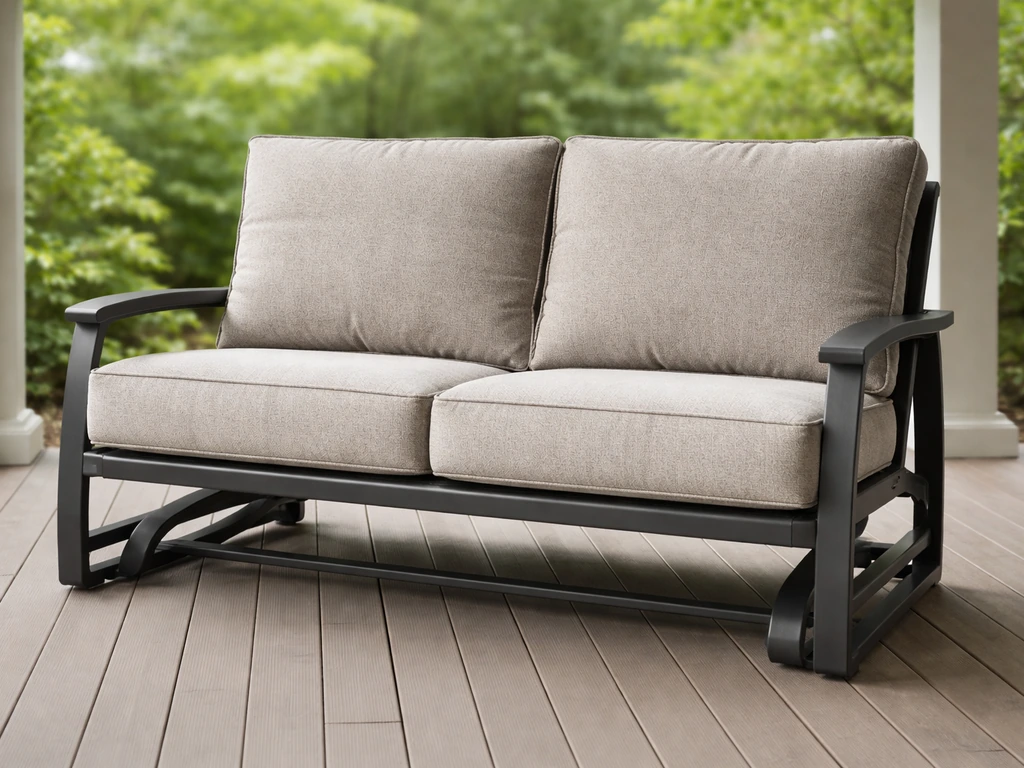
Top Rated Patio Gliders Buying Guide: Comfort, Durability
How to choose top rated patio gliders by comfort, build, durability, sizing, and maintenance with scenario picks and che
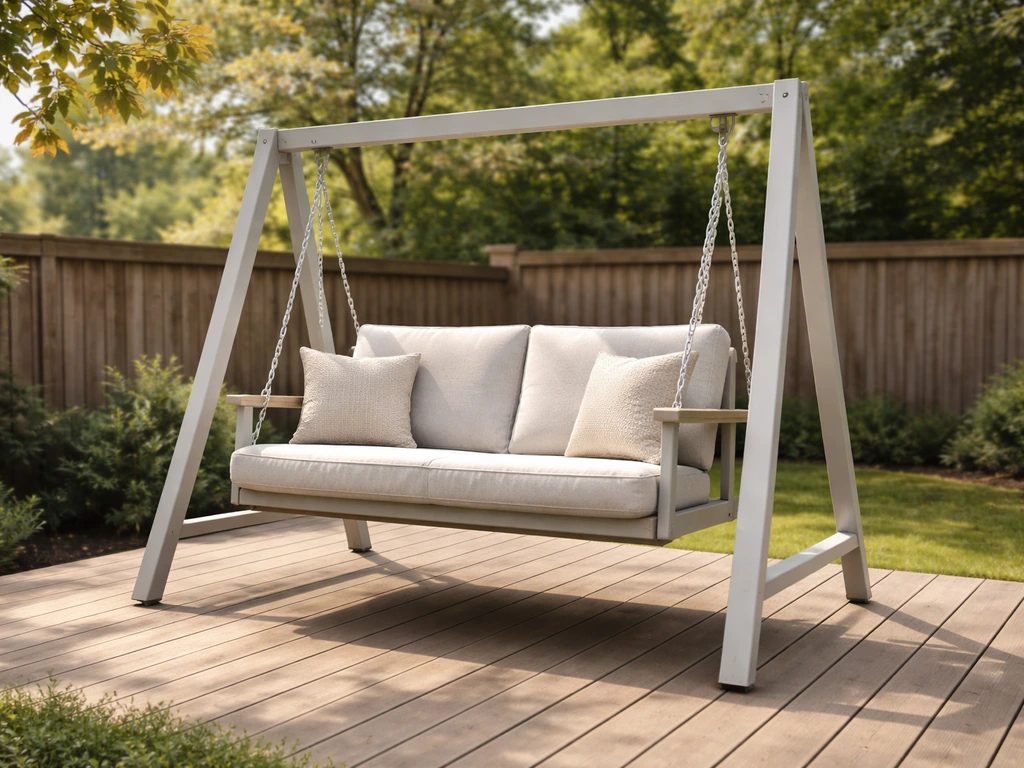
Best Patio Swing Canada: Buying Guide, Types, Features
Canada patio swing buying guide: choose bench, hanging or A-frame, compare materials, weatherproof features, install and
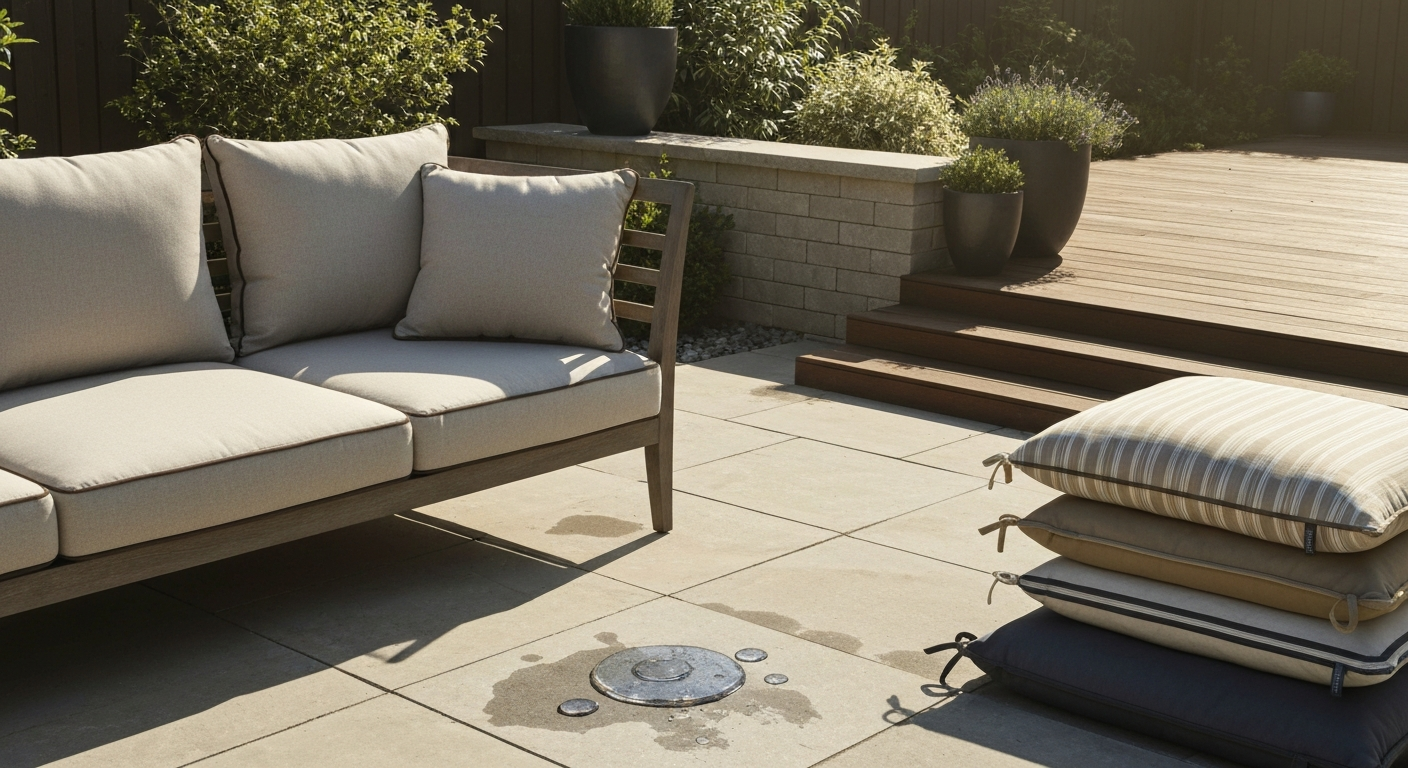
Best Sunbrella Patio Cushions: Top Picks, Guide & Maintenance
Find the best Sunbrella patio cushions: durable, fade‑resistant picks, buying tips, care, and top recommendations.