
The best outdoor patio glider for most people right now is a powder-coated aluminum or poly-lumber two-person glider with a smooth horizontal mechanism, rust-resistant hardware, and a 48-inch seat width. That setup handles sun and rain, seats two comfortably, and won't need constant maintenance. If you want a specific starting point, Polywood's Chippendale 48" glider (20-year warranty, 43" seat width, 79 lb) and Berlin Gardens' Comfo-Back line (poly lumber, stainless steel hardware, also 20-year frame warranty) are the two names worth putting at the top of your list before comparing prices and styles.
Best Outdoor Patio Glider: Top Picks for Comfort, Durability

Lark Perry
15 Jun 2026
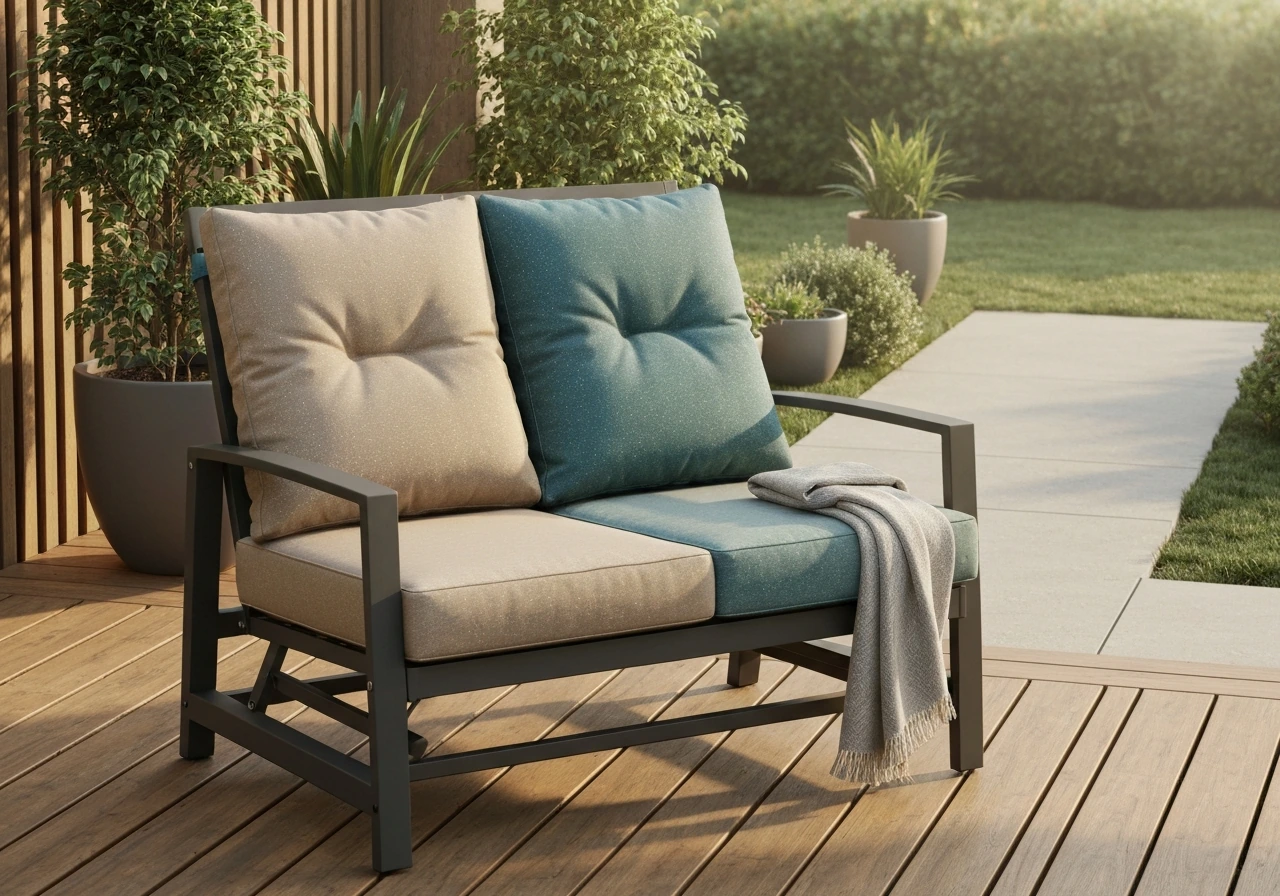
What 'Best' Actually Means for a Patio Glider
"Best" shifts depending on what you're solving for. A retiree who sits outside every morning prioritizes lumbar support and smooth, quiet motion. Someone furnishing a rental patio cares more about low maintenance and not spending $600 on something they'll move in two years. Before you scroll through product listings, it helps to rank these factors in your own order:
- Comfort: seat width, depth, back support, and cushion quality for longer sitting sessions
- Motion quality: how smooth and quiet the glide is, and whether the mechanism stays that way after a season
- Durability: how well the frame and hardware hold up to your specific climate (humidity, rain, direct sun, saltwater air)
- Size fit: whether it physically works on your patio, balcony, or porch without blocking traffic
- Style match: whether it looks right with your existing outdoor setup
- Ownership ease: how hard it is to assemble, move, clean, and store
Comfort and motion quality tend to matter most to people who actually use their glider regularly, while durability and low maintenance matter most to people who want to set it up and forget it. Most top picks try to do both, but budget models usually sacrifice motion smoothness first, then frame quality second. Keep that trade-off in mind as you compare options.
Glider Types and How the Motion Works
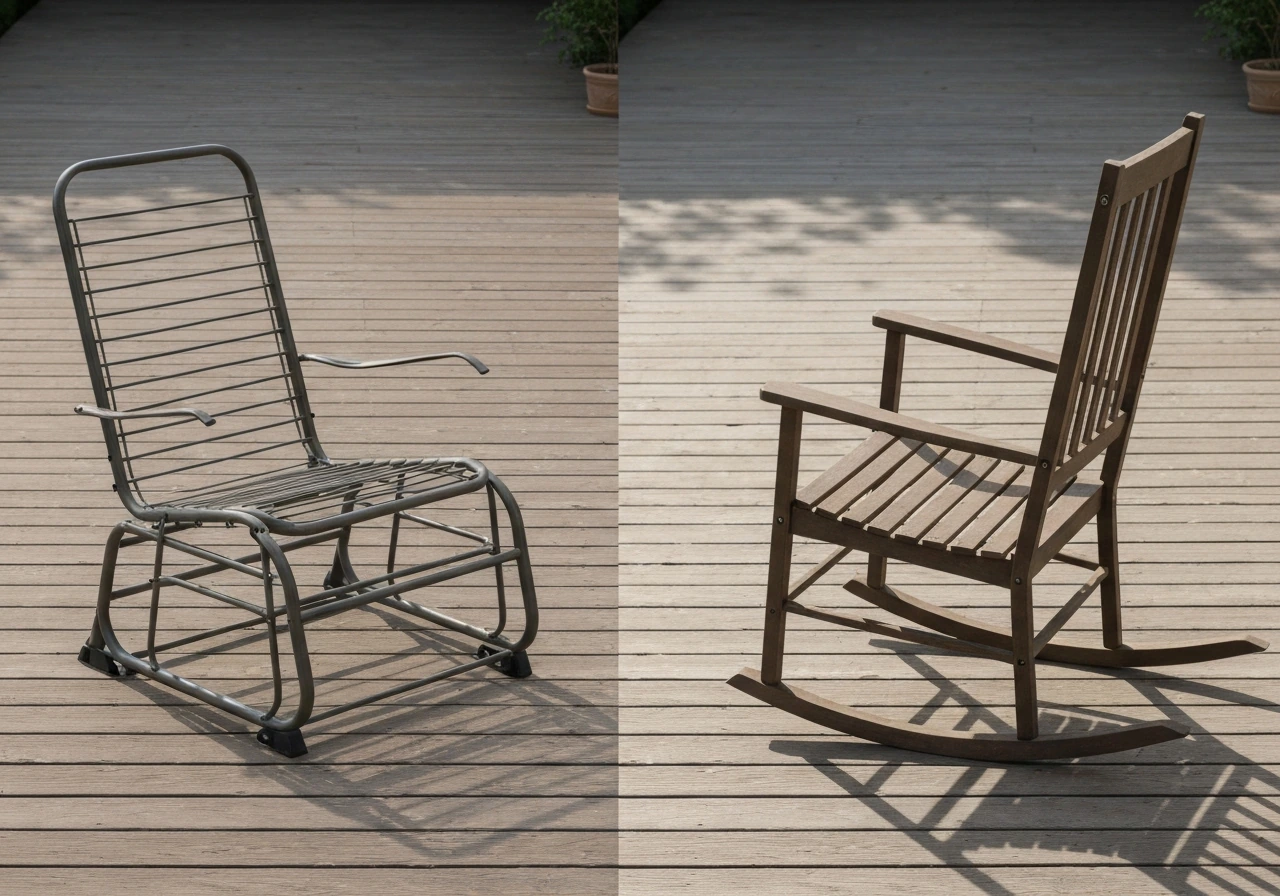
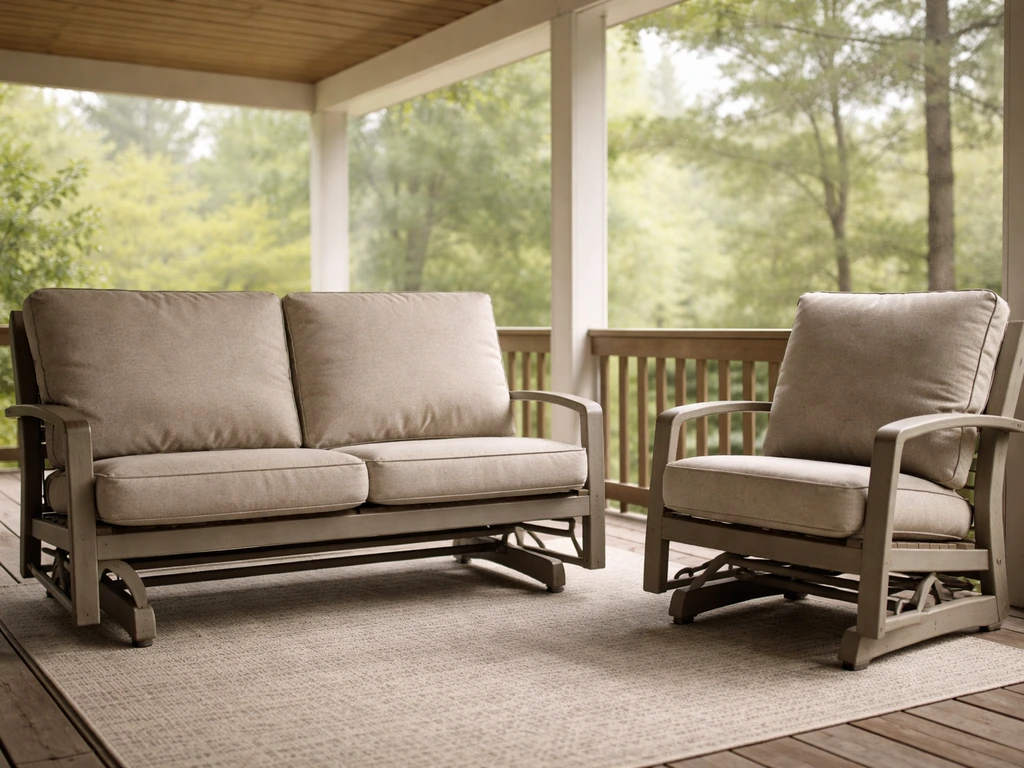
Outdoor gliders and patio swings are related but different. A glider moves in a smooth, horizontal back-and-forth motion on a stationary base, meaning the frame stays still and only the seat moves. That's a key distinction from a porch swing, which hangs and arcs. Gliders feel more controlled and less dramatic, which is why they work on small patios and balconies without hitting walls or railings. If you're weighing a swing versus a glider, a patio swing gives you a wider range of motion and often a more traditional look, but a glider tends to be more practical for tight spaces and daily use. If you're specifically shopping for the best outdoor patio swings, look for sturdy hanging hardware and enough overhead clearance for a full arc.
Rocking Chairs vs. Gliders: Not the Same Thing
A rocking chair pivots on curved runners, so the back legs lift as you rock forward. A glider uses a suspension-style mechanism where the seat frame slides on a fixed base, keeping all four legs on the ground. That means gliders are more stable on flat surfaces and won't scoot backward across your deck the way rockers can. If you're on an uneven surface, a rocking chair can tip (manufacturer safety guides specifically warn against sitting on the edge for this reason). Gliders largely solve that problem since the base doesn't move.
Swivel Gliders
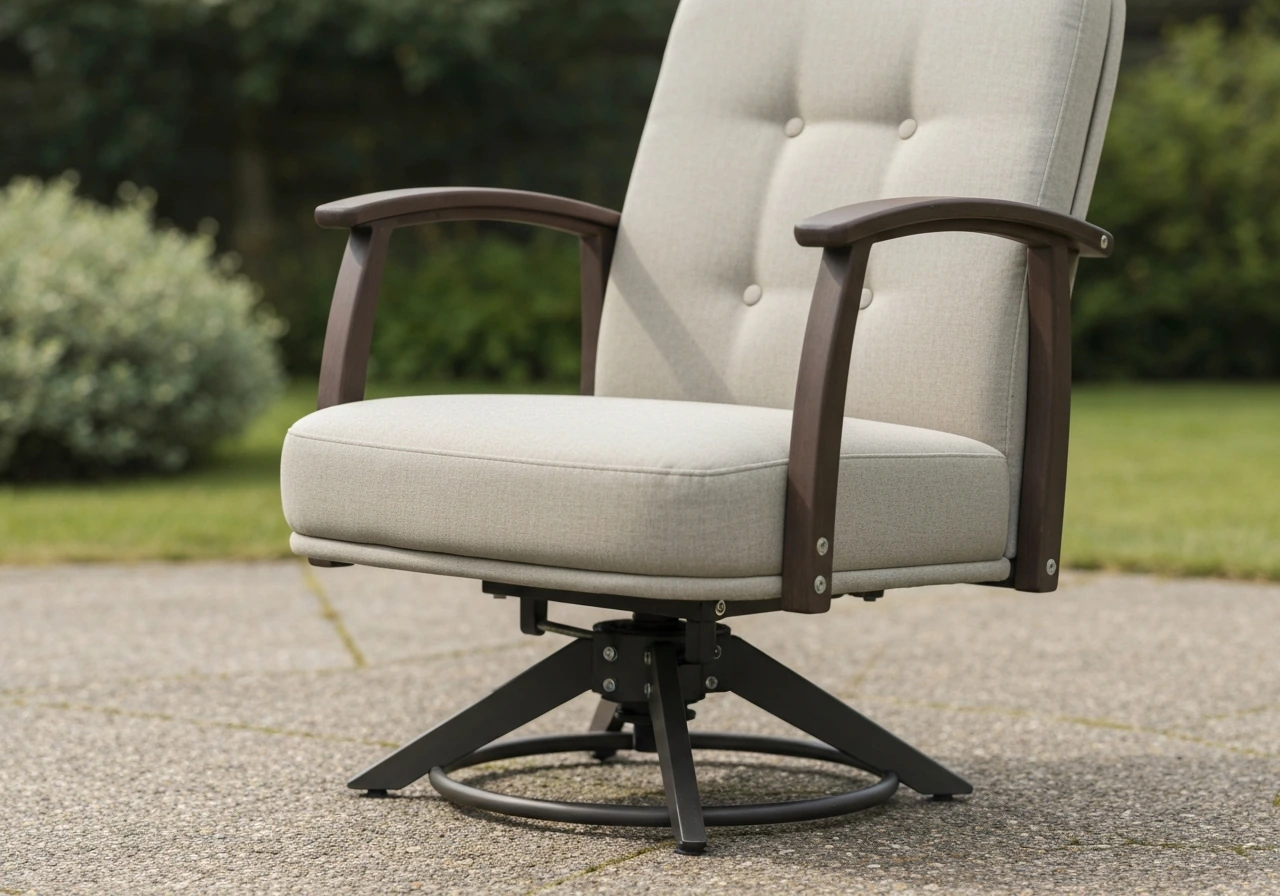
Some single-seat gliders add a swivel function so you can rotate to face a different direction without getting up. Berlin Gardens' Comfo-Back Swivel Glider is a good example at 26.5" wide by 31" deep by 46" tall. That size works well on smaller patios or as a solo chair flanking a loveseat-style two-person glider. The swivel adds versatility but also adds a second mechanical point that can wear over time, so make sure the model you choose has stainless steel or coated hardware at that joint specifically.
Materials: What Actually Survives Outdoors
Frame material is the single biggest factor in how long your glider lasts and how much work you put in to keep it that way. Here's how the main options compare in real-world outdoor conditions:
| Material | Weather Resistance | Weight | Maintenance | Best For |
|---|---|---|---|---|
| Aluminum (powder-coated) | Excellent — rustproof, corrosion-resistant, UV-stable finish | Light (typically 30–50 lb for single chairs) | Very low — wipe down occasionally | All climates, especially coastal or humid areas |
| Steel (powder-coated) | Good — resistant to rust with intact coating, but coating chips need attention | Heavy (50–90+ lb) | Low-moderate — inspect coating annually | Dry climates, covered patios |
| Poly lumber (HDPE) | Excellent — won't crack, fade, rot, or absorb moisture | Moderate-heavy (65–79 lb) | Very low — hose off as needed | Families, high-use situations, wet climates |
| Teak/hardwood | Good with treatment — naturally oils but needs annual reapplication | Heavy | Moderate — annual oiling or sealing | Traditional/classic aesthetics, dry climates |
| Wicker/rattan (resin) | Good (resin wicker) — natural wicker is poor outdoors | Light-moderate | Low — rinse with water | Casual/bohemian style, covered patios |
Aluminum and poly lumber are the two materials I'd recommend to almost anyone buying a glider for long-term outdoor use. Polywood's all-weather aluminum line carries a 5-year residential warranty on the powder-coated finish and frame joints specifically. Poly lumber (like Berlin Gardens' PolyTuf construction) is color-fused so it doesn't need painting or staining and is explicitly designed not to crack, fade, or rot. Both are genuinely low-maintenance in a way that real wood and cheap steel simply aren't. If you live near the coast or in a high-humidity climate, aluminum with stainless steel hardware is the combination to look for.
Comfort, Sizing, and Getting the Setup Right
Seat Dimensions That Actually Matter
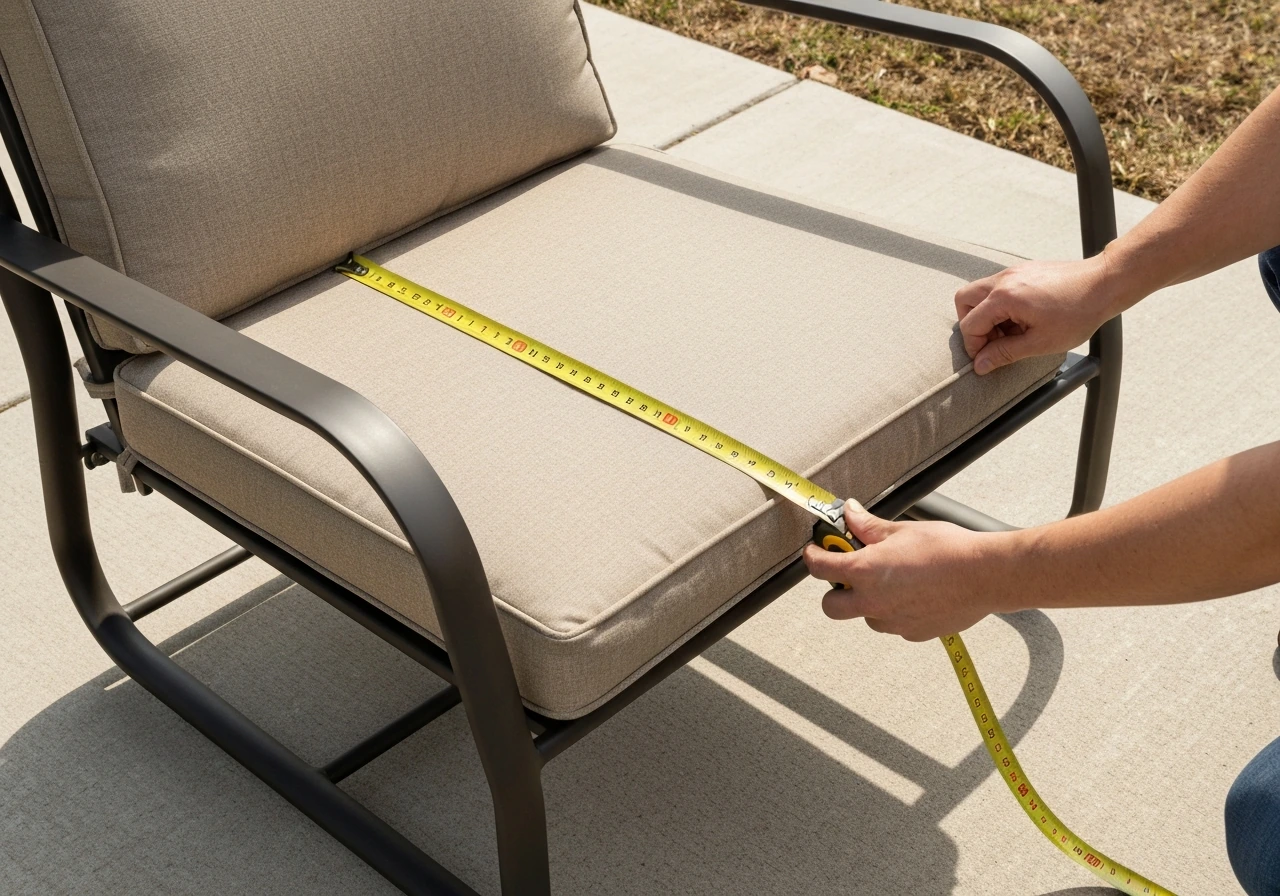
Glider comfort comes down to four measurements: seat width (between the armrests), seat depth (front edge to the back panel), seat height (floor to seat surface), and back height. For a two-person glider, 48 inches is the standard comfortable width. Polywood's Chippendale two-seater hits 43 inches of usable seat width within a 47.5-inch frame, with 18 inches of seat depth and a 17-inch seat height. That's a fairly standard ergonomic target for adults sitting for 30 minutes or more. If you're buying a cushion separately or replacing one, measure all four dimensions (seat width, seat depth, cushion thickness, and back height from base to tallest point) before ordering. Cushions that are even an inch too short in depth slide forward and become uncomfortable fast.
Fitting a Glider Into Your Patio Space
Before buying, measure your available space and leave at least 18 to 24 inches behind the glider's base for the full range of motion (even though the base is stationary, your feet extend forward and clearance behind makes the seat feel less cramped). For a standard two-person glider around 48 inches wide, plan on roughly 4 feet of width plus a foot on each side for comfortable access. Single swivel gliders like the Berlin Gardens Comfo-Back at 26.5 inches wide are genuinely small-patio-friendly and can work on most balconies. If your space is tight and you're torn between a glider and a swing, the glider wins for compact setups every time since it doesn't require overhead clearance or anchoring.
Armrests and Back Support
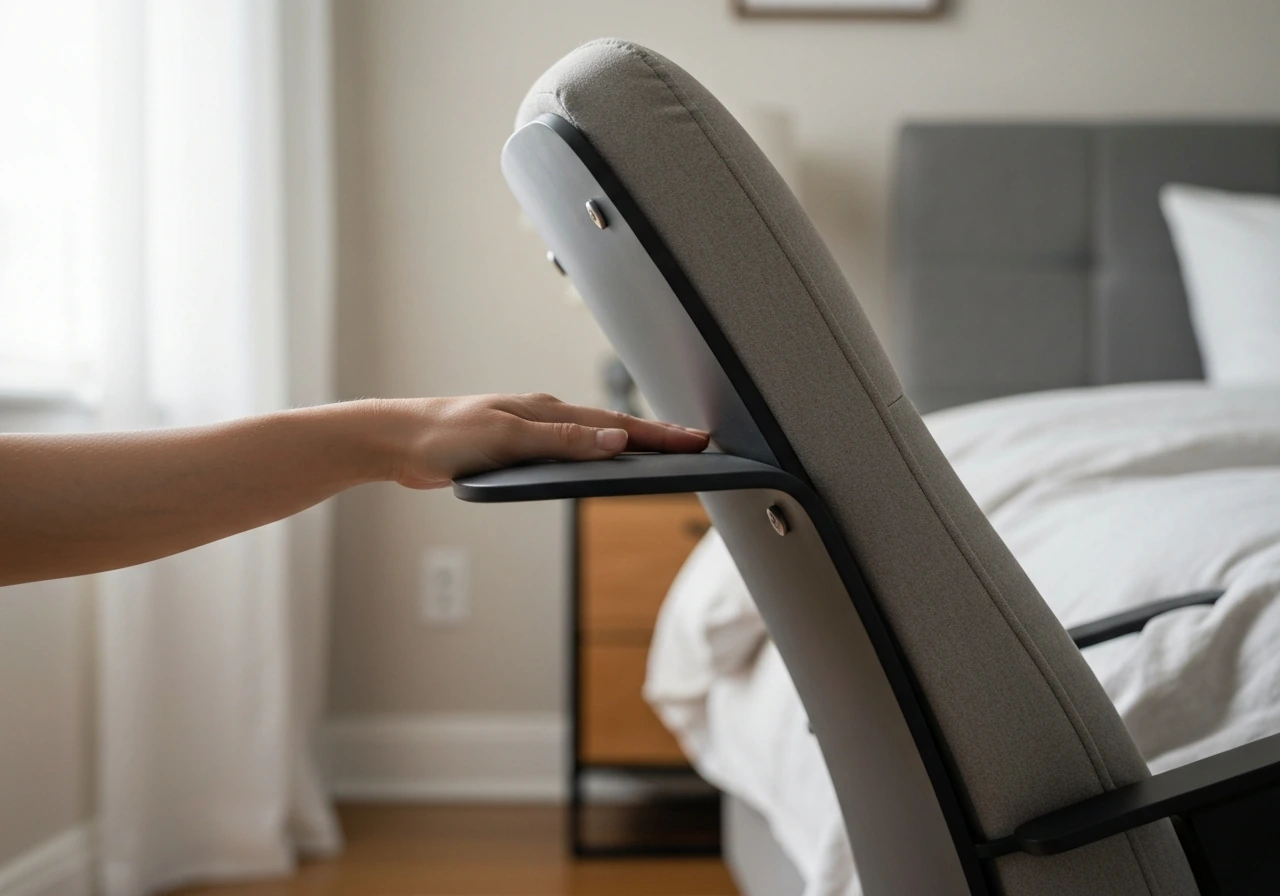
Armrest height affects how comfortable a glider feels for long sits significantly more than most buyers expect. Armrests that are too high cause shoulder tension, while those too low give your arms no support. Look for ergonomic armrests that land roughly at elbow height when you're seated. Back support is the other sleeper issue: a back that's too upright feels like sitting in a dining chair outside, while one that reclines even slightly (around 5 to 10 degrees) makes a big difference for extended relaxing. Check the back height measurement in the specs if you're taller than average, as many gliders cap out around 40 to 46 inches total height.
Weatherproofing and Keeping Your Glider in Good Shape
Frame and Hardware Care
Even rust-resistant materials need occasional attention. For aluminum frames, wipe down with mild soap and water once or twice a season and inspect the gliding mechanism hardware annually. For powder-coated steel, check for chips or scratches where the coating has worn through, especially around the pivot points and bolts, and touch those up with rust-inhibiting paint before moisture gets in. The assembly hardware (bolts, washers, and pivot brackets) is where corrosion starts first on cheaper gliders, so if you're buying a mid-range or budget model, replacing any non-stainless hardware with stainless steel equivalents after assembly is a cheap upgrade worth doing.
Cushion Care and Drying
This is where most glider owners let things go wrong. If your cushions get rained on, bring them under cover and let them air dry completely before putting them back, ideally at least 24 hours. Do not use a hairdryer, heat gun, or clothes dryer to speed this up, as heat degrades outdoor fabric and foam faster than moisture does. For Sunbrella and similar outdoor fabrics, hand-wash fitted covers rather than machine-washing them, and always air dry. Cushion warranties are typically much shorter than frame warranties (Berlin Gardens offers a 1-year cushion warranty vs. their 20-year frame warranty), so treating them carefully extends their useful life significantly beyond that baseline. If you're in a rainy climate, a set of cushion storage bags or a deck box near the glider is worth the investment.
Long-Term Sun and UV Exposure
Even materials marketed as UV-resistant will degrade under prolonged direct sun over multiple seasons. A patio umbrella, pergola, or shade sail above your glider does double duty: it protects both the frame finish and the cushion fabric, and it makes sitting in the glider noticeably more comfortable on hot summer days. If shade isn't an option, look for cushion fabrics with a high UV-resistance rating and consider a breathable furniture cover for when the glider isn't in use for extended periods.
Off-Season Storage
Most aluminum and poly-lumber gliders can stay outside year-round in mild climates. In regions with hard winters or frequent ice, bring cushions inside and put a fitted cover over the frame. The gliding mechanism is the most vulnerable part in freeze-thaw conditions since water can get into pivot joints, freeze, and crack or seize hardware. A light application of a silicone-based lubricant on the pivot points in spring and fall keeps the glide smooth and adds a layer of moisture protection.
Top Picks by Budget and Patio Style
Here are the glider categories and specific models worth considering right now, organized by budget tier and use case. These aren't exhaustive, but they cover the main value points across the market.
Budget Pick (Under $300): Steel-Frame Sling Glider
Outsunny's steel-frame glider bench with a coffee table is a strong example at this tier. The version with a sling fabric seat runs around 76.75 inches wide by 34.75 inches deep, with a 352 lb per chair weight capacity and a steel frame. The sling fabric dries quickly and doesn't need separate cushions. The trade-off is that powder-coated steel needs more coating maintenance than aluminum or poly, and sling fabric won't feel as plush as padded cushions. But for a patio where you want something functional at a low price point, or for a rental where you don't want to invest heavily, this category delivers.
- Pros: Low price, no cushion maintenance, large seat capacity, often includes side table
- Cons: Coating requires annual inspection, less comfortable for long sessions, heavier to move
Mid-Range Pick ($300–$700): Polywood Chippendale 48" Glider
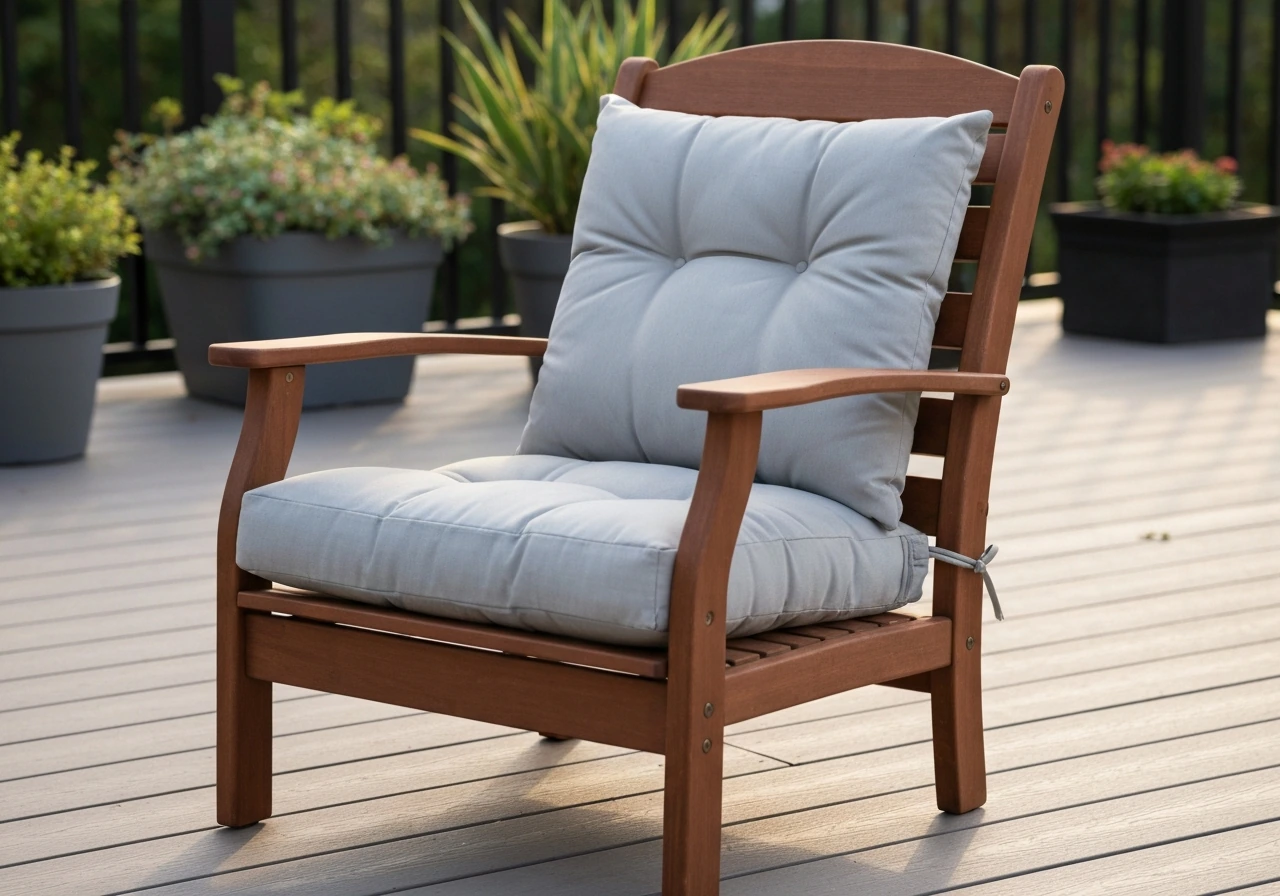
This is the glider I'd recommend to most homeowners. The Chippendale comes in at 47.5" wide by 34" high by 22" deep with a 43-inch seat width, 18-inch seat depth, and 17-inch seat height. It weighs 79 lb and carries a 20-year warranty. The all-weather poly lumber construction means you genuinely do not have to do anything to the frame except rinse it off. Cushions are sold separately but Polywood's own cushion line fits well. The classic design works with most patio aesthetics, and the price lands in a zone where the quality is meaningfully better than budget options without crossing into premium territory.
- Pros: 20-year warranty, zero frame maintenance, classic style, proven mechanism quality
- Cons: Heavy at 79 lb (harder to move solo), cushions are extra cost, limited style options compared to wood
Premium Pick ($700+): Berlin Gardens Comfo-Back Poly Glider
Berlin Gardens is an Amish-made, American-built brand with one of the most respected warranties in outdoor furniture: 20 years on residential frames with stainless steel hardware throughout. The single Comfo-Back chair weighs 65 lb at 26.5 inches wide, while the swivel version runs 78 lb. The PolyTuf poly lumber is color-fused (meaning color goes all the way through the material, not just on the surface), so scratches and nicks don't expose a different-colored layer underneath. The ergonomic seat shape is one of the more comfortable in this category for extended sitting. At this price level, you're buying a glider that will genuinely outlast most patios it sits on.
- Pros: 20-year frame warranty, stainless hardware, exceptional build quality, ergonomic comfort
- Cons: Premium price, cushions have only a 1-year warranty (replace as needed), heavier pieces require two people for positioning
Best for Small Patios and Balconies: Single Swivel Glider
If space is your main constraint, a single-seat swivel glider around 26 to 28 inches wide is the practical answer. Berlin Gardens' Comfo-Back Swivel Glider at 26.5" W by 31" D fits on most balconies without dominating the space, and the swivel lets you face different directions without rearranging. Pair two of them with a small side table for a space-efficient setup that functions like a loveseat glider without requiring the 48-inch footprint. This is also the best approach for L-shaped patios where a single large bench doesn't fit any corner well.
Best for Traditional/Classic Aesthetics: Teak or Hardwood Glider
If you want the warmth and look of real wood and are willing to do annual maintenance, a teak or certified hardwood glider looks genuinely beautiful and holds up well in dry climates with a cover. The trade-off is real: you'll apply teak oil or sealant every spring, and in a humid or wet climate, wood requires more vigilance to prevent cracking and rot. Telescope Casual makes aluminum-framed gliders with a more traditional aesthetic that split the difference, with their warranty covering frame repair or replacement for normal residential use through authorized dealers.
How to Choose in Minutes + Your Next Steps
You don't need to spend hours on this. Run through this checklist and you'll have a clear enough picture to make a confident buying decision in one sitting.
- Measure your space first: note the width available for the glider, the depth from the wall or railing, and whether there's overhead clearance (needed more for swings than gliders, but still relevant). Mark off 24 inches of clearance on each side if possible.
- Pick your material based on your climate: aluminum or poly lumber for humid, wet, or coastal areas; steel is fine for dry covered patios; wood only if you'll commit to annual maintenance.
- Decide on one or two seats: a 48-inch two-person glider for couples or social use; a single 26-27 inch swivel glider for small patios, balconies, or solo use.
- Set your budget: under $300 for a functional steel or aluminum sling model; $300-$700 for a quality poly lumber or aluminum glider with cushions; $700+ for premium Amish-built or teak options with long warranties.
- Check the mechanism: look in product specs or reviews for mention of smooth glide, rust-resistant pivot hardware, or stainless steel hardware. Avoid listings that don't mention hardware material at all.
- Verify cushion fit separately: if cushions are sold separately, measure seat width (between armrests), seat depth, seat thickness, and back height before ordering. Do not guess on cushion sizing.
- Plan your shade and storage situation: decide now whether you'll use a furniture cover, a deck box for cushions, or a patio umbrella. These accessories protect your investment and are much easier to buy at the same time as the glider.
- Check the warranty terms: a 20-year frame warranty (Polywood, Berlin Gardens) is meaningfully better than a 1-3 year warranty on budget models. Factor that into the price-per-year comparison.
If you're still comparing a glider to other moving-seat options, the main alternatives are patio swings, patio swings with stands, and hammocks. If you decide you want that pendulum feel instead, compare patio swings by seat size, suspension stability, and how much space they need to arc safely. Swings and swings with stands give you more of a hanging, arcing motion and work well for larger patios with open space. If you are specifically shopping for the best patio swing with stand, focus on the frame material, stability on your ground surface, and how easy the swing assembly is to set up patio swings with stands. Hammocks are for serious lounging and require either trees or a stand. If you're shopping for the best patio hammock, focus on sturdy frames, weather-resistant fabric, and enough slack for comfortable lounging Hammocks. Gliders are the right call when you want a furniture-grade, stable, daily-use seating piece that fits into a real patio layout without fuss.
Bottom line: if you want a two-person outdoor glider that just works, start with the Polywood Chippendale 48" or the Berlin Gardens Comfo-Back. If you're hunting for the best patio gliders overall, these two picks are a practical place to start outdoor glider that just works. If you're working with a small space, a single swivel glider in the 26-27 inch range solves the footprint problem. Buy the best material your budget allows, add a shade source and cushion storage from day one, and this is a piece of patio furniture you'll still be using a decade from now.
FAQ
How do I know if a glider is actually the best fit for my use case, not just the best-looking one?
You should treat “best” as a motion-and-load question. If multiple people will use it, prioritize a rated per-seat weight capacity and check whether the glider is designed for adults sitting upright versus reclining. If your primary use is daily morning sitting, motion smoothness matters as much as comfort, so avoid models that use a simpler, looser track or non-stainless pivot hardware.
What space measurements do I really need for a patio glider on a small deck or balcony?
Measure for clearance behind the base for the practical part of the experience, not just the frame footprint. Leave about 18 to 24 inches behind the base, and also confirm you have side access so you can slide in and out without hitting planters, table legs, or railings when the seat is at the forward position.
Will a glider wobble on an uneven patio, and how can I prevent that?
Many gliders will be stable on flat surfaces, but they can still feel rough if the ground is slightly uneven. Use a level on the base location, and if you have a sloped deck, consider a glider base pad or shimming method recommended by the manufacturer. Avoid placing gliders on loose pavers or uneven patio stones unless you can make the base area truly level.
How do I choose replacement cushions so they do not slide or feel too short?
For seated comfort, cushion depth mismatches are a common failure mode. If you are buying replacement cushions, measure your seat depth, then buy a cushion that matches the seated resting position you want, not the label size alone. Even an inch too short can cause forward sliding, especially on gliders with any recline.
What features make a glider truly low-maintenance over the long run?
If you want “set it up and forget it,” look for poly-lumber or powder-coated aluminum with stainless steel or fully coated pivot hardware. Then plan for a simple seasonal routine, wipe down, and inspect the glide mechanism. The main thing that turns a low-maintenance glider into a high-maintenance one is compromised coating at pivot points or non-stainless bolts that start corroding.
How should I protect and maintain a glider in cold or freezing weather?
Start by checking the glider’s pivot or sliding mechanism, because that is where freeze-thaw damage starts. In winter regions, bring cushions in, cover the frame, and in spring and fall apply a silicone-based lubricant specifically to pivot points, not to fabric. If the mechanism seized from ice, do not force it while frozen, thaw first, then lubricate.
Can I use cushions from other patio chairs on a glider?
Yes, but you should avoid assuming cushions meant for other outdoor furniture will fit. Measure seat width between armrests, seat depth from the front edge to the back panel, and the back height for any back cushions. Also confirm whether the cushion system is designed to stay put on a horizontal seat, gliders often have different hold points than chairs.
Does UV-resistant fabric on a glider actually hold up, and what should I do to extend its life?
Most gliders can handle sun exposure, but direct sun degrades fabric over time even with UV claims. Add shade where the sitter gets the highest heat load, it improves comfort and slows cushion fading. If you cannot shade, store cushions in a ventilated cover or deck box during long non-use periods to reduce cumulative UV and moisture stress.
What maintenance should I do for the frame finish and the hardware joints?
To keep the finish and hardware in good shape, mild soap and water is usually enough for aluminum, and you should inspect for coating chips at pivot and bolt areas. If you see coating wear exposing bare metal, touch up promptly with rust-inhibiting paint before moisture gets in. This prevents a small chip from turning into a corrosion spot that spreads around fasteners.
Should I choose a glider, a patio swing, a rocker, or a hammock for my patio?
To decide between a glider and other options, separate “motion preference” from “space constraints.” Gliders use a stationary base with a controlled horizontal slide, so they generally work better on small patios and balconies without overhead clearance. Swings need arc space and often anchoring considerations, rockers can creep or tip on uneven surfaces, and hammocks require either trees or a stand and enough slack for lounging comfort.
What should I look for if I live in a coastal or high-humidity area?
If you live near the coast, prioritize aluminum frames plus stainless steel hardware, and treat lubrication as a part of seasonal care. Salt air accelerates corrosion at fasteners and pivot joints, even on “rust-resistant” units. Rinse the glider lightly after heavy coastal exposure and check hardware more frequently than you would inland.
Are swivel gliders worth it, and what are the trade-offs to watch for?
Some gliders include a swivel that adds usefulness but also adds a second wear interface at the rotating joint. Make sure that joint uses stainless or properly coated hardware, then keep that area clean and lightly lubricated during seasonal maintenance. Also confirm the swivel does not reduce stability, if it introduces play, prioritize frame rigidity over swivel convenience.
What should I troubleshoot first if my new glider does not glide smoothly?
If a glider arrives with uneven performance, the most common fixes are alignment and tightening after initial use. Check that all bolts and pivot brackets are seated correctly, then re-check fasteners after the first few weeks. If the glide still feels gritty, examine for debris or insufficient lubrication on the intended pivot points rather than adjusting the track aggressively.
Next Articles
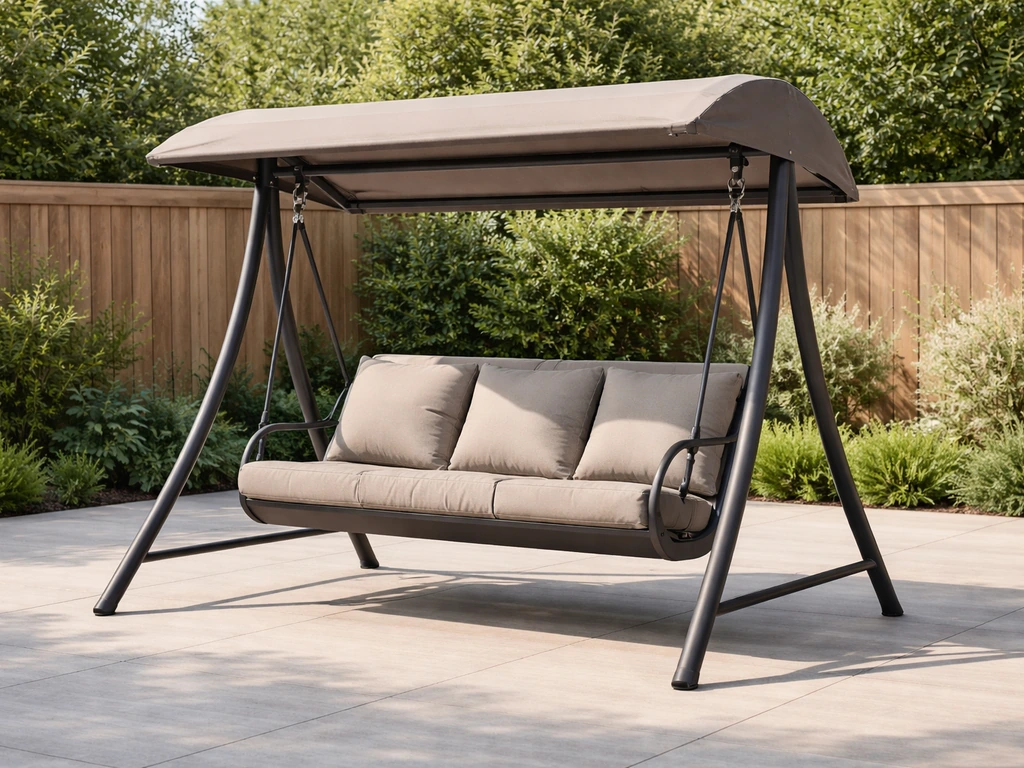
Best Patio Swing With Stand: Buying Guide and Picks
Choose the best patio swing with stand using seat, frame, weight, comfort, canopy, fit, and durability picks.
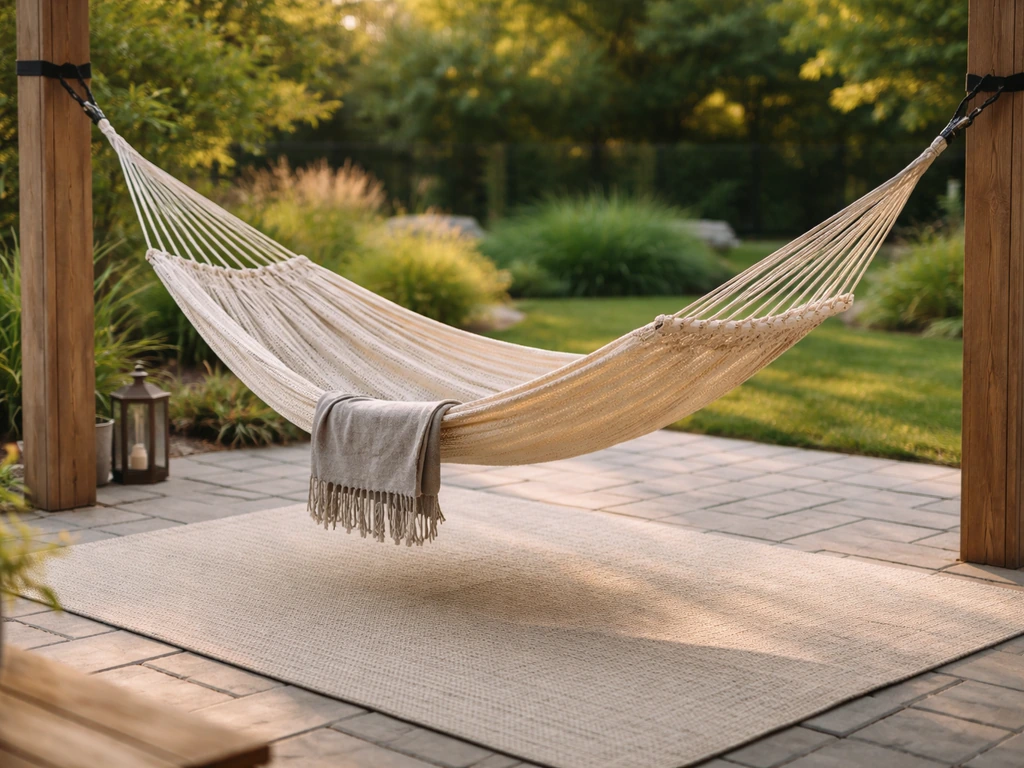
Best Patio Hammock Guide: Choose, Measure, Install
Buying and measuring guide to choose the best patio hammock, from hang vs stand to durable, weatherproof setup and care.
Best Patio Gliders: Buyer Guide and Top Picks by Use Case
Buyer guide to pick the best patio gliders by comfort, materials, size, weight capacity, and weather durability.