
The best patio swing for most people is a freestanding two-person swing set with a powder-coated steel or HDPE frame, a 600-lb weight capacity, and a cushioned bench seat in the 44–48 inch range. If your patio is small or you want something more lounge-like, a hanging egg-style swing chair (typically rated around 300 lbs and roughly 37 x 37 inches) is a better fit.
Best Patio Swing Guide: Choose the Right Swing and Set

Lark Perry
2 May 2026
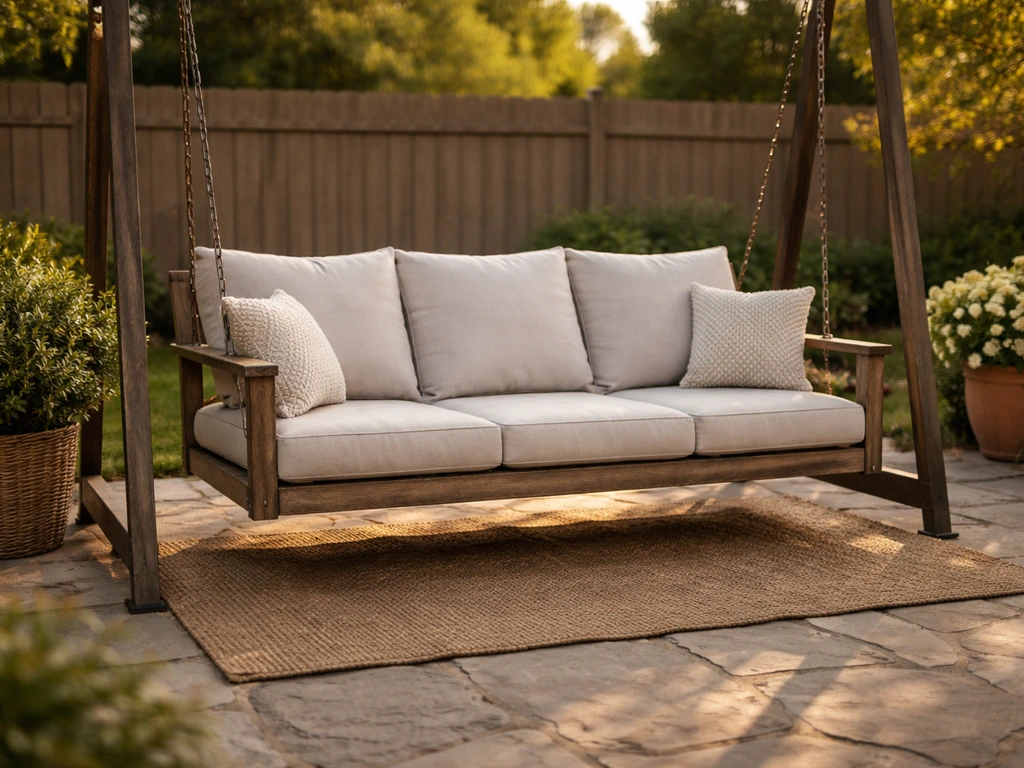
The decision really comes down to one question: are you swinging solo and want a cozy reading spot, or do you want seating that can handle two people, guests, and regular everyday use? A best outdoor patio glider can be a great alternative when you want a smooth, relaxing motion instead of a traditional swing.
If you want a different kind of lounging than a swing, the best patio hammock is another comfortable option to consider for relaxing outdoors.
Chair vs. Full Swing Set: How to Pick the Right Type
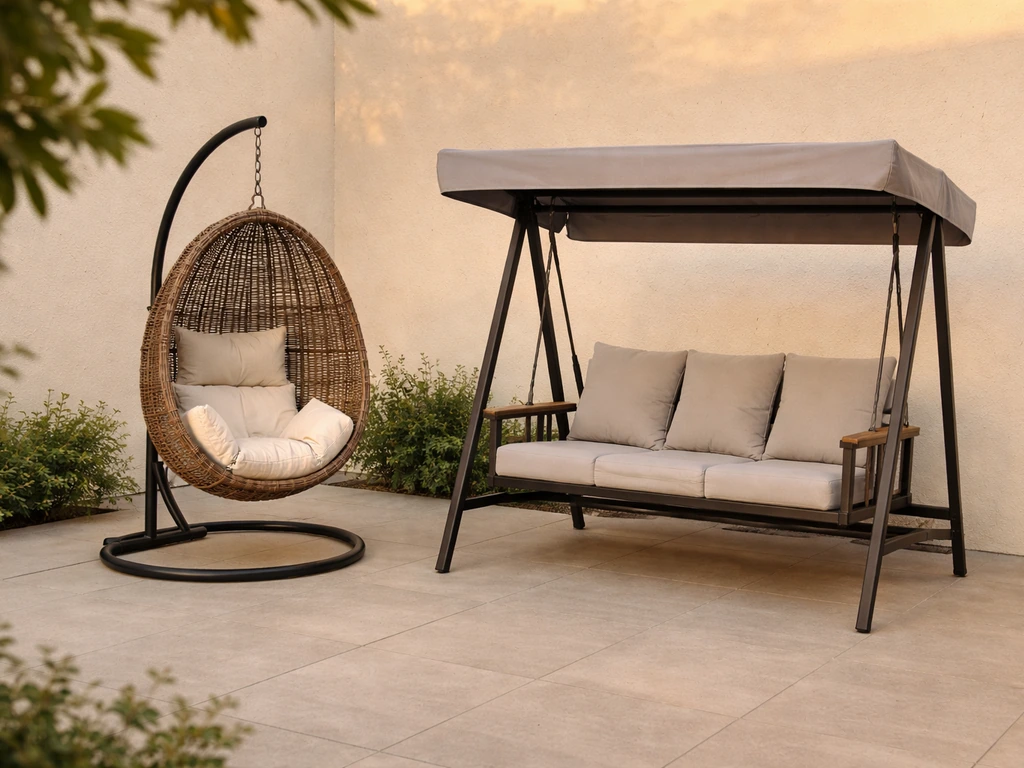
A patio swing chair, usually a hanging egg chair or cocoon-style seat on its own stand, is a single-person lounger. It works great on small patios, covered porches, and balconies where space is limited. A full patio swing set includes the frame and a bench-style swing that seats two or more people. These are more versatile for entertaining and family use, but they need meaningfully more space and a bit more assembly effort.
Here is a practical way to decide. If your patio is under 10 x 10 feet, start with a hanging chair on a stand. If you regularly have guests or a partner who wants to sit with you, go for the full set. If you are a renter or plan to move, a freestanding swing chair is easier to relocate. If you are building a long-term outdoor space and want something that anchors the look of your patio, the full swing set wins.
Budget also plays a role. Swing chairs with stands typically land in the $150–$400 range. Full patio swing sets (frame plus bench) run from around $200 on the low end to well over $1,000 for premium materials like POLYWOOD HDPE. The sweet spot for a durable set that will actually last is $400–$700.
It is also worth knowing that gliders are a close cousin to swing sets. They move forward and backward on a fixed frame rather than hanging freely. If you want a similar experience with more stability and less sway, that category is worth a look alongside the options here.
The Features That Actually Matter
Comfort: cushions, seat depth, and back support
The cushion is where most budget swings cut corners. Look for cushions at least 3–4 inches thick with a cover made from solution-dyed polyester or, better yet, Sunbrella-grade acrylic fabric. These resist fading and mildew far better than standard polyester fills. A Reddit homeowner thread also shares real-world impressions of Sunbrella-grade fabric performance, including fade and mildew resistance and what maintenance actually looks like in practice Sunbrella-grade acrylic fabric. Seat depth matters too. On a two-person bench swing, aim for a seat that is at least 16–19 inches deep (front to back) so you are not perched on the edge. A 44-inch seat width is comfortable for two adults without feeling cramped.
Size and clearance: measure before you buy
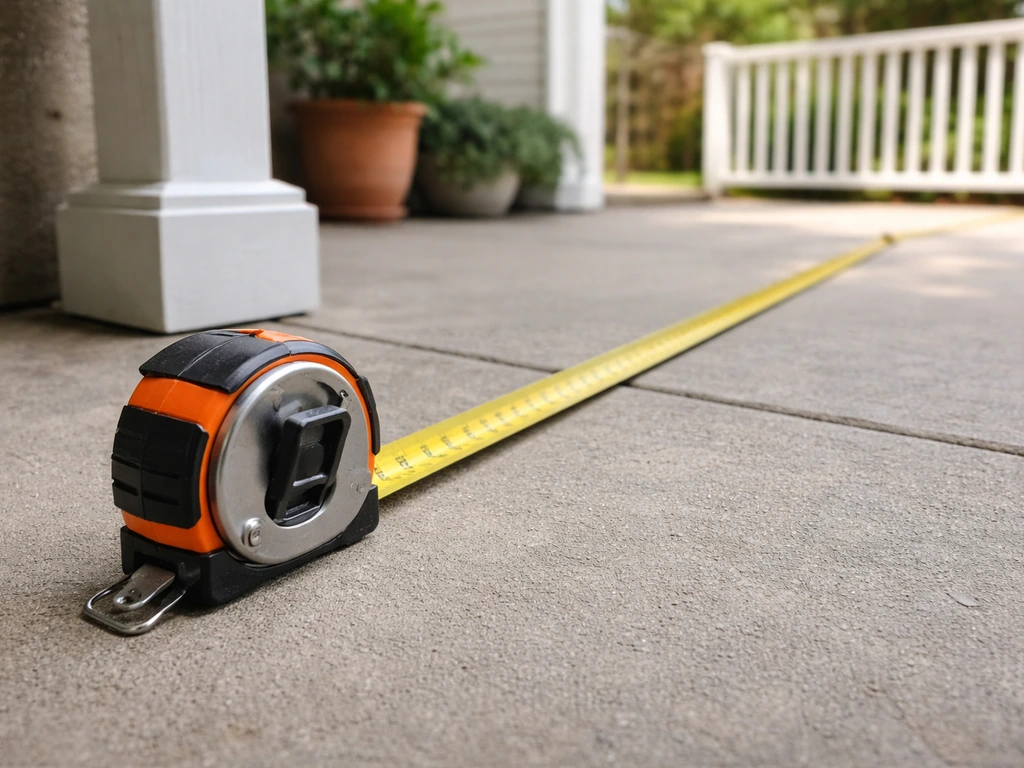
POLYWOOD recommends 3–4 feet of clearance in front of and behind your swing, plus 12–14 inches on either side to prevent bumping into walls or railings. The Home Depot's hanging guide suggests at least 18 inches behind a mounted swing and 14–16 inches of side clearance. Before you order anything, walk out to your patio with a tape measure and mark out those zones. It sounds obvious, but a surprising number of people skip this step and end up with a swing that barely moves without hitting the fence.
Suspension and hardware: this is where safety lives
For hanging porch swings, use stainless or galvanized steel chains, or marine-grade braided nylon or polyester rope. Both handle outdoor conditions well. Avoid basic hardware store chain that is not rated for outdoor use. If you are mounting to a ceiling joist, the hardware specs matter: aim for screws or bolts with at least a 1/2-inch diameter and a threaded shank at least 4 inches long.
For freestanding swing sets, check that the frame joints use thick-gauge steel and real bolts, not plastic rivets or thin sheet-metal clips. CPSC recalls have flagged swivel-base mechanisms that break under normal use, so if a swing chair uses a swivel or pivot joint, dig into reviews specifically about how that joint holds up over time, not just out of the box.
Weight capacity: always check the actual rated number
Most two-person porch swing benches on the market are rated at 600 lbs, which is enough for two adults with comfortable margin. Egg-style hanging chairs are usually rated around 300 lbs for one person. POLYWOOD's larger daybed-style swing is rated at 750 lbs total (approximately 250 lbs per seat). The number to trust is the manufacturer's published rating for that specific configuration, not a general category average. If a listing does not show a weight capacity, that is a red flag.
Materials: what holds up and what doesn't
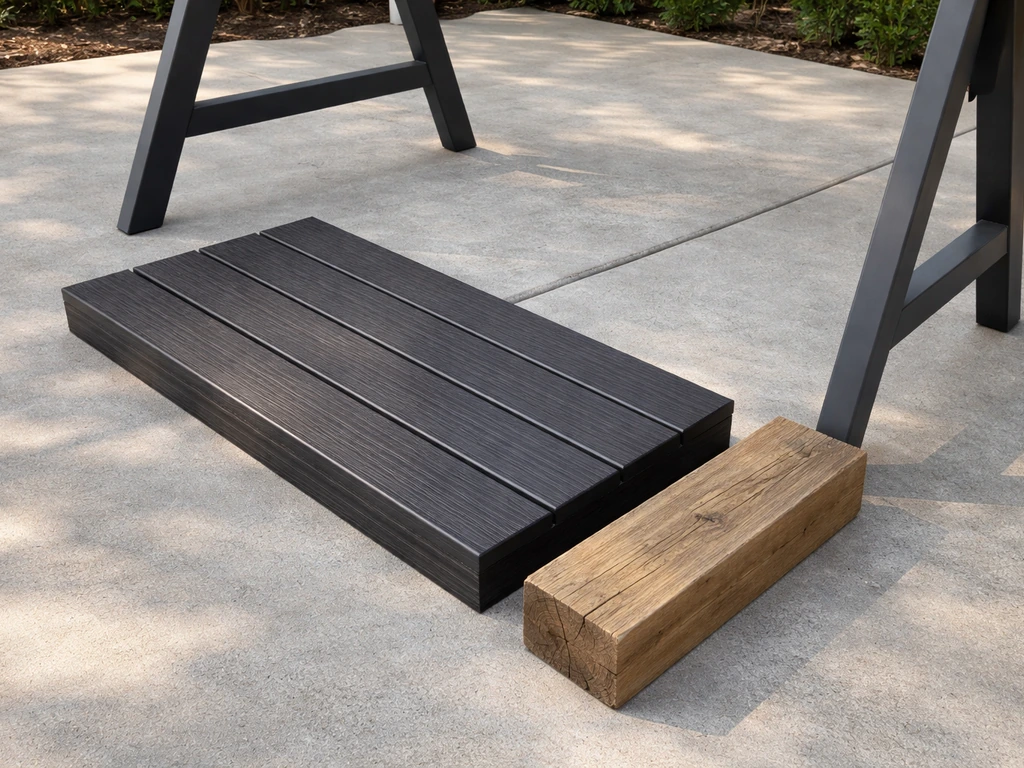
- HDPE (high-density polyethylene) lumber: The most weather-proof solid option. Does not rot, splinter, or crack. POLYWOOD is the most recognized brand using this material. Costs more upfront but is essentially maintenance-free.
- Powder-coated steel: Common on freestanding frames. Durable if the coating is thick and intact, but chips can lead to rust over time. Look for frames with a rust-inhibiting primer under the powder coat.
- Teak and eucalyptus hardwoods: Beautiful, rot-resistant, and strong, but require annual oiling to maintain appearance. More expensive than treated pine.
- Pressure-treated pine or fir: The most affordable wood option. Can last several years with yearly sealing but will eventually crack and gray without maintenance.
- Wicker/rattan over steel frames: Great looks, but only buy all-weather resin wicker (not natural rattan), which is woven over a rust-resistant aluminum or steel frame.
Best Patio Swing Chair Picks by Scenario
Best for small patios or balconies: freestanding egg chair
A metal-framed egg chair on its own stand fits in a footprint of roughly 37–40 inches square and typically offers a 300-lb weight capacity. Look for a model with a removable, washable cushion, a 360-degree swivel (if you want it), and a powder-coated steel stand with rubber-tipped feet to protect your deck surface. These run $150–$350 and are easy to move inside for winter storage. The AUTMOON-style egg chair (37.4 x 37.4 x 76.77 inches, 300-lb capacity) is a good example of what specs to expect at this size.
Best for covered porches: hanging swing chair
If you have a covered porch with exposed joists, a fabric hanging chair (macrame, hammock-style, or solid-bottom wicker) creates a great lounging spot. These are more affordable than egg chairs on stands ($80–$200) but require a solid overhead anchor point. Make sure the joist or beam you are mounting to is at least 2x8 and in good condition. Pair it with a thick seat cushion and you have an instant reading nook.
Best for solo lounging: daybed-style swing chair
If you want to actually lie down and nap, a swing bed or daybed-style hanging swing is the move. These are wider (often 48 inches or more in seat length) and rated for one person lying across them or two sitting up. They require more ceiling clearance and lateral space but are dramatically more comfortable for long sessions. Budget at least $400–$700 for a durable one.
Best Patio Swing Sets for Families, Hosting, and Everyday Use
Best budget two-person bench swing: wood frame sets
A pressure-treated fir or pine bench swing with a basic A-frame steel or wood stand is the most affordable way to get a traditional porch swing feel on any patio. Options like the COZITO-style fir wood swing bench (48 x 24 x 19 inches overall, 42.5 x 16.5 inch seat, 600-lb capacity) give you solid specs at a low price point. Expect to spend $150–$350 for a complete set. The tradeoff is annual maintenance and a shorter usable lifespan compared to premium materials.
Best mid-range two-person set: canopy swing with steel frame
A canopy swing adds a built-in shade roof, which is genuinely useful in sunny climates. Look for sets with an overall width around 58 inches, a seat around 44 x 19 inches, and a 600-lb frame rating (similar to the SUGIFT two-seat canopy swing: 58 x 45 x 70 inches, 600-lb capacity). The canopy fabric should be UV-resistant polyester. These sets run $250–$500 and are the most practical pick for everyday outdoor living if you do not have a covered porch.
Best premium option for long-term value: HDPE lumber daybed swing
POLYWOOD's HDPE daybed swings are the benchmark for premium durability. The Chippendale Daybed Swing, for example, carries a 750-lb total capacity, needs zero sealing or staining, and the company recommends 3–4 feet of front and back clearance plus 12–14 inches on each side. The price is higher (often $1,000+) but the lifespan easily doubles or triples what you get from treated wood, and maintenance is basically just soap and water. If you are building a patio you plan to enjoy for 10+ years, this tier makes sense.
Best for entertaining: three-person or convertible swing sets
If you host regularly, look for a three-person bench swing (usually around 70–80 inches wide) or a convertible swing set that includes a table between two seating sections. These let guests sit comfortably with drinks and do not force everyone to lean on each other. These sets typically start around $400–$700 in steel-frame configurations and go up from there in premium materials.
Quality and Value: What You Actually Get at Each Price Point
| Price Range | What You Get | Watch Out For |
|---|---|---|
| $80–$200 | Basic hanging chair or simple wood bench swing; minimal cushioning; basic hardware | Thin chains, no weight rating listed, untreated wood that warps fast |
| $200–$400 | Decent steel or wood freestanding swing; padded cushion; 600-lb frame capacity common | Thin powder coat, flimsy canopy fabric, cushion covers that are not removable |
| $400–$700 | Heavier gauge steel or good hardwood; quality cushions; canopy options; better hardware included | Assembly complexity spikes here; read instructions before buying |
| $700–$1,000+ | HDPE lumber or teak; commercial-grade frame; multi-seat daybed configurations; long warranty | Higher upfront cost; some styles need professional assembly to maintain warranty |
A few red flags to watch for regardless of price: any listing that does not state a weight capacity, swivel or pivot mechanisms without independent reviews of long-term durability (a CPSC recall of swivel patio chairs found the base can break during normal use), and cushion covers made from non-removable fabric. If you cannot wash the cushion cover, you will be replacing cushions every season in most climates.
The best value sweet spot right now is the $400–$600 range for a complete freestanding two-person swing set with a powder-coated steel frame, a 600-lb capacity, a UV-resistant canopy, and removable cushion covers. You get real durability without paying premium HDPE prices, and most of these sets are DIY-assembleable in under two hours.
Care, Maintenance, and Weather Protection
Cleaning your swing frame
For powder-coated steel and aluminum frames, clean with warm water and mild dish soap. Use a soft cloth or sponge. POLYWOOD and Feeney both specifically warn against strong solvents, abrasive cleaners, and rough scouring pads, which can strip the powder coat and leave bare metal exposed to rust. Do this cleaning once a month during the season and once before storing for winter. For HDPE lumber, the same mild soap and water approach works and nothing more is needed. For real wood (teak, eucalyptus, pine), clean with a wood-safe cleaner and apply a penetrating oil or sealant once a year before the rainy season.
Caring for cushions and fabric
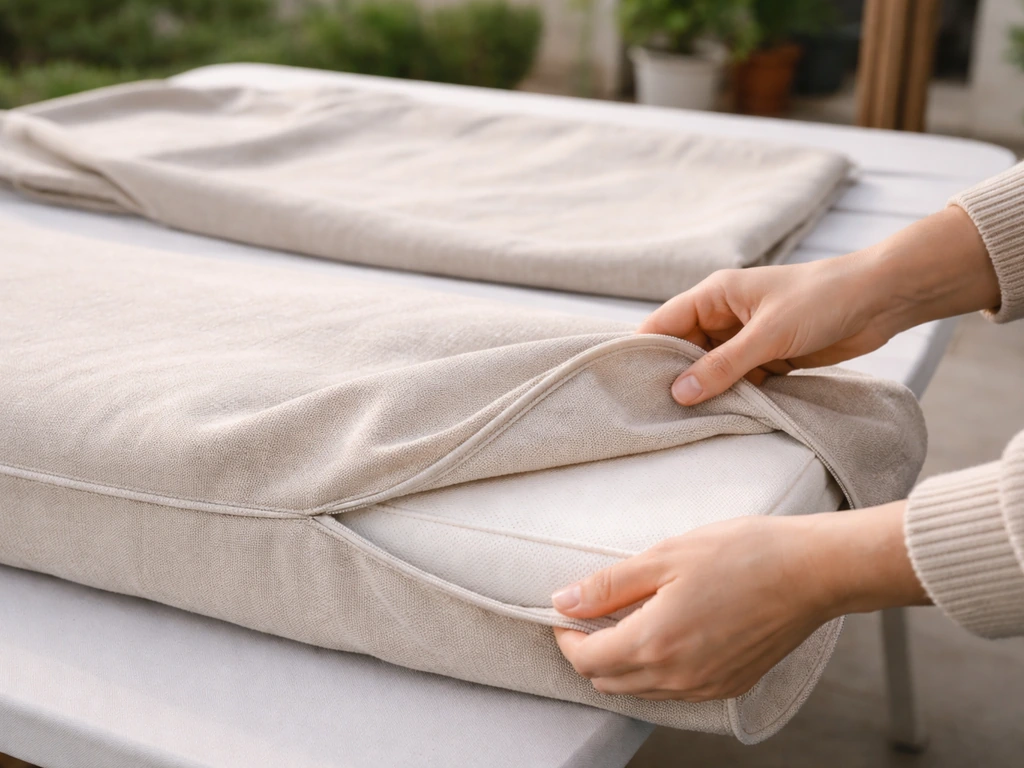
Polyester cushion covers can usually be machine washed on a gentle cycle, though for Sunbrella-grade acrylic covers, hand washing is gentler and helps the cover keep its shape and color longer. Always air dry cushion covers flat or draped over a rail. Never put them in the dryer. Bring cushions inside if you know a hard rain is coming, especially early in the season before the fabric has been treated. A quick spray with a fabric protector like 303 Aerospace at the start of each season adds meaningful mildew resistance. Sunbrella also advises that its upholstery fabrics do not promote mildew growth, and recommends allowing the fabric to dry fully.
Protecting your swing through winter and storms
- Use a fitted outdoor furniture cover rated for UV and water resistance. Make sure the cover breathes slightly to prevent trapped moisture and mildew underneath.
- Store cushions indoors during the off-season or in a weatherproof deck box. Cushions left outside through winter are almost always the first thing to fail.
- For hanging swings, remove the chains or rope and bring them inside during winter. Metal chain left outside in wet climates will rust at the links even if it is galvanized.
- Tighten all bolts and check all hardware connections at the start of each season. Swings loosen with use and weather cycling.
- If your wood swing has any cracking or checking in the grain, sand it lightly and apply a fresh coat of sealant before the cracks spread.
- For freestanding swings in high-wind areas, stake the frame to the ground with tie-down straps during storms, or move the swing to a sheltered spot.
A quick seasonal maintenance schedule
- Spring (season start): Inspect all hardware, tighten bolts, check chains or rope for wear, clean frame, treat wood if applicable, wash cushion covers.
- Monthly during the season: Wipe down frame and cushions, check that chains hang level (uneven chain length causes the swing to tilt and puts asymmetric stress on the mount).
- After any storm: Check that the frame has not shifted or tilted, re-stake if needed, let cushions dry fully before replacing covers.
- Fall (end of season): Deep clean everything, store cushions inside, cover the frame or move it to a covered area, lubricate any metal pivot points or chain hooks with a dry lubricant spray.
A patio swing that gets this basic level of care will easily last 8–12 years in a steel or wood frame configuration, and effectively indefinitely in HDPE. The swings people complain about after two seasons are almost always the ones that got no maintenance and had cheap cushion fabric left outside in the rain. The swing itself is usually fine. It is the neglect that kills it.
FAQ
How do I measure clearance correctly so my best patio swing actually moves freely?
Measure the “swing envelope,” not just the chair footprint. Use the clearance guidance from the article, then add a little extra for people getting on and off (arm reach) and for any nearby posts or railings. If you are choosing a hanging model, also check ceiling height for your specific hang height (seat to floor) so the lowest point never scrapes the floor or deck.
What cushion specs should I prioritize for comfort and longevity on a patio swing?
Cushion thickness and cover fabric matter more than cushion looks. Even a great frame feels uncomfortable if the cushion compresses quickly. For frequent use, prioritize removable covers you can wash and choose solution-dyed polyester or Sunbrella-grade acrylic, since they tolerate sun and moisture better than standard fills.
Is it safe to choose a best patio swing based on average capacity ratings if my exact model’s rating is missing?
Start by verifying the weight rating is for the exact configuration you plan to buy (seat count, lying position for daybeds, and any included hardware). If the listing omits capacity, treat it as a serious red flag, and do not “round up” based on category averages. Also remember that safety margin changes with kids bouncing or multiple people rocking at once.
Can I mount a hanging patio swing to any ceiling joist, or should I choose a freestanding option instead?
For hanging swings, ceiling strength is the limiting factor. Even if you use good chain, the joist or beam must be in solid condition (no rot, cracks, or loose fasteners), and you need correctly sized hardware into structure (not drywall). If you cannot confirm joist size and integrity, a freestanding swing or stand-alone egg chair is usually the safer approach.
What should I check if my best patio swing includes a swivel or pivot joint?
Swivel and pivot mechanisms can be the weak point, not the main frame. Look for reviews that mention long-term stability (months, not days) and check whether the swivel is a sealed bearing or a cheaper friction joint. If you see wobble, fast rust around the pivot area, or frequent parts replacement, skip the model.
Can I mix parts from different patio swing systems, like using a mount kit with a different chair?
Yes, but only if the support system matches the swing type. A fabric hanging chair on a stand is different from a ceiling-mounted setup, and mixed compatibility can lead to the wrong anchor load. Confirm the intended mounting method (ceiling joist, porch beam, or stand) and only use the manufacturer’s recommended kit and hardware.
What’s the safest way to clean a powder-coated steel or aluminum patio swing frame?
Powder-coated steel is usually easiest, but it still needs gentle cleaning to avoid stripping the coat. Use mild dish soap and warm water, soft sponges, and avoid abrasive pads or strong solvents. If you see any scrape exposing bare metal, treat that area promptly (at least clean it well) to reduce the chance of rust taking hold.
Do I need to bring cushions inside if my patio swing is under an awning or covered porch?
If your swing uses removable cushions, keep them dry. Bring cushions inside for hard rains, and at minimum store them in a ventilated spot under cover so moisture can escape. For season transitions, wash first, let fully dry, then store, because trapped mildew grows in the dark.
What are the early warning signs that my hanging patio swing hardware needs replacement?
If you see fraying, stretched chain/rope, rust at link joints, or slack that changes the swing’s height, you should stop using it and inspect immediately. Pay special attention to the top connections (where motion loads the hardware) and to any rope knots that loosen with repeated swinging.
Which best patio swing option is most forgiving for renters or people who move often?
The easiest “no hassle” choice is a freestanding swing set with removable cushions, since you do not rely on ceiling structural work. If you have a small space or you want one cozy seat, a hanging egg chair on its own stand is also renter-friendly because you can relocate it later. For long-term patio builds, HDPE daybed-style options tend to require the least ongoing upkeep.
Next Articles
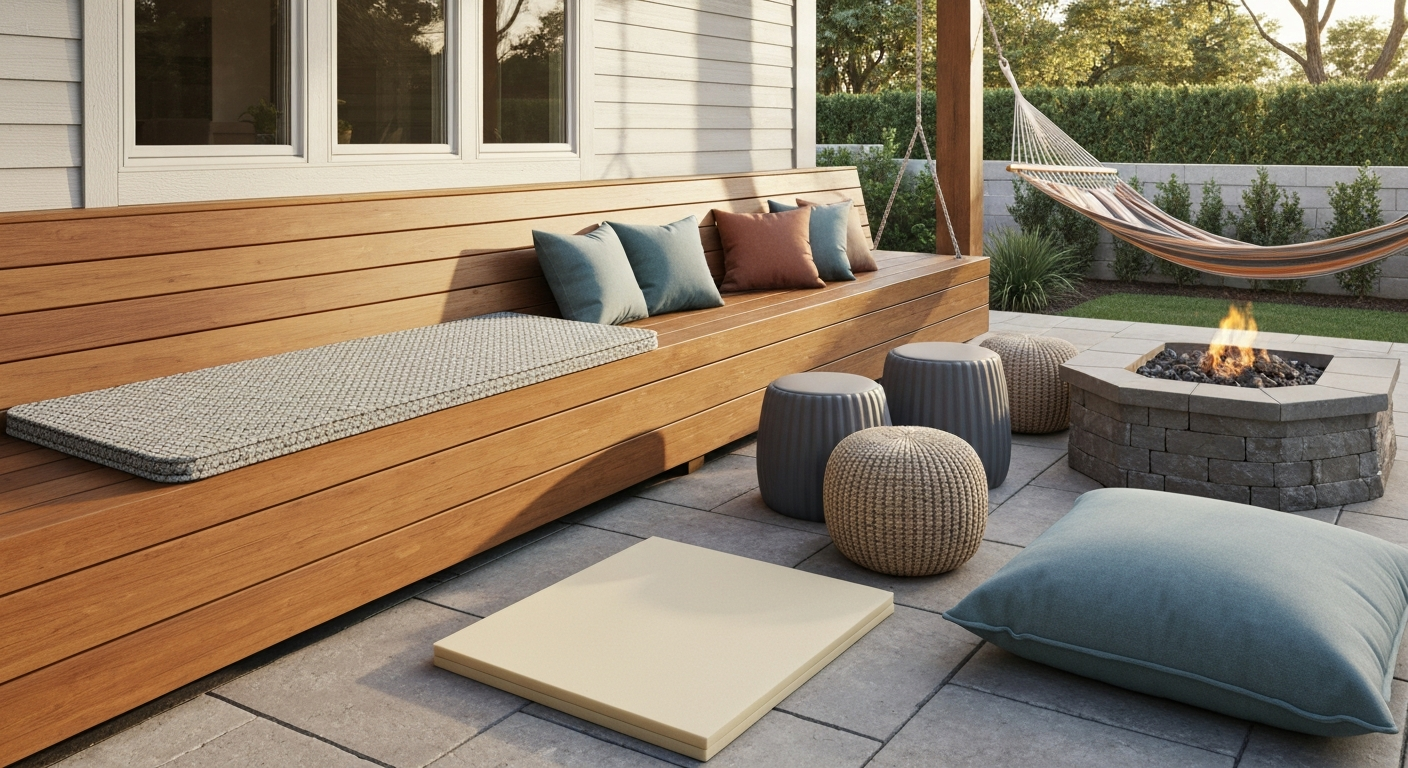
Alternative to Patio Cushions: Durable, Stylish Options and DIY
Alternative to patio cushions: durable, weatherproof seating options, pros, DIY tips & buying guide.
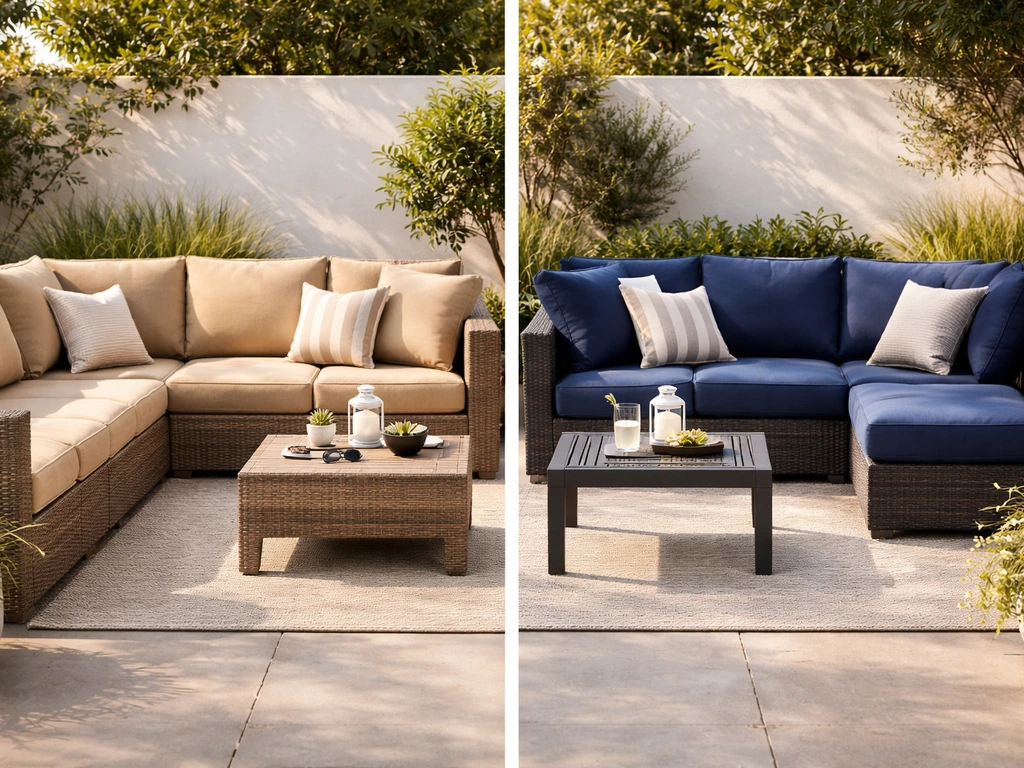
Best Color for Outdoor Patio Cushions in 2026
Choose the best cushion color for sun, heat, and fading in 2026, with pairing tips for patio furniture and durability.
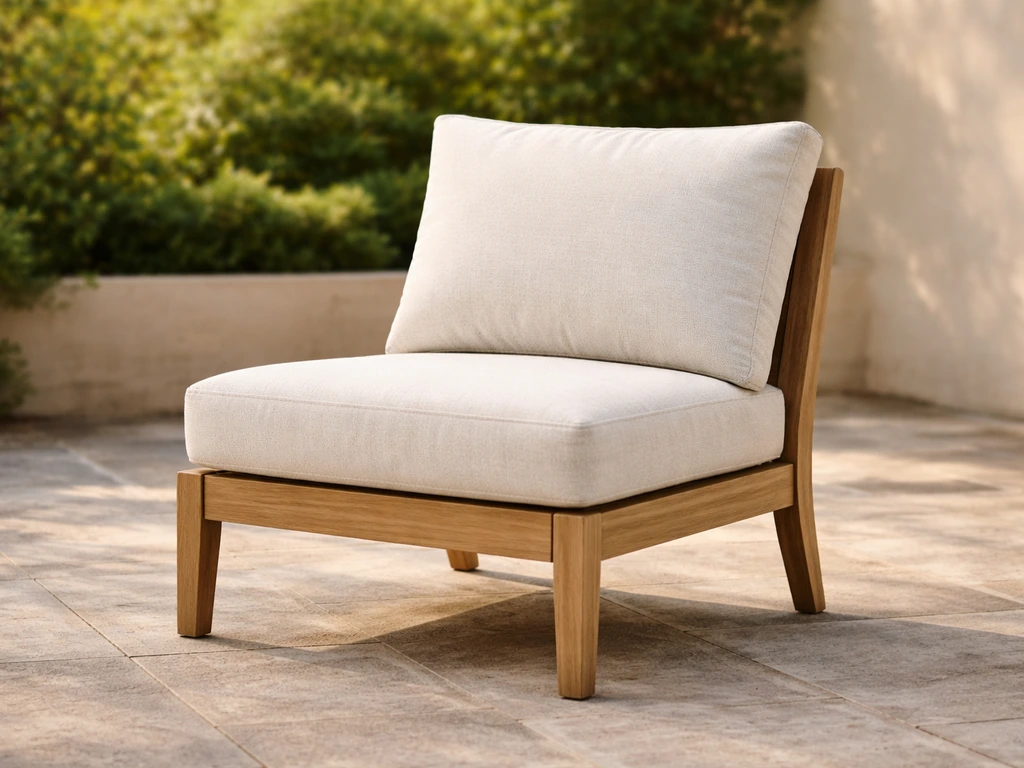
Top Rated Patio Cushions: How to Choose Fast and Right
Step-by-step guide to choose top rated patio cushions by fit, materials, weather durability, and easy cleaning for your