
The best patio glider for most people right now is a powder-coated aluminum or HDPE poly frame glider with sealed-bearing glide mechanics, solution-dyed polyester cushions, and a weight capacity of at least 300 lb. If you want a chair-style glider for solo relaxing, look at reclining glider chairs like the Costco Brando (300 lb capacity, 140° recline, around $300–$400). If you want a two-person bench-style glider for a porch or deck, a 48-inch POLYWOOD-style HDPE glider gives you a 20-year residential warranty, near-zero maintenance, and a seat width of 43 inches that actually fits two adults comfortably. The rest of this guide walks you through exactly how to pick the right one for your space, your body, and your budget.
Best Patio Gliders: Buyer Guide and Top Picks by Use Case

Lark Perry
13 May 2026
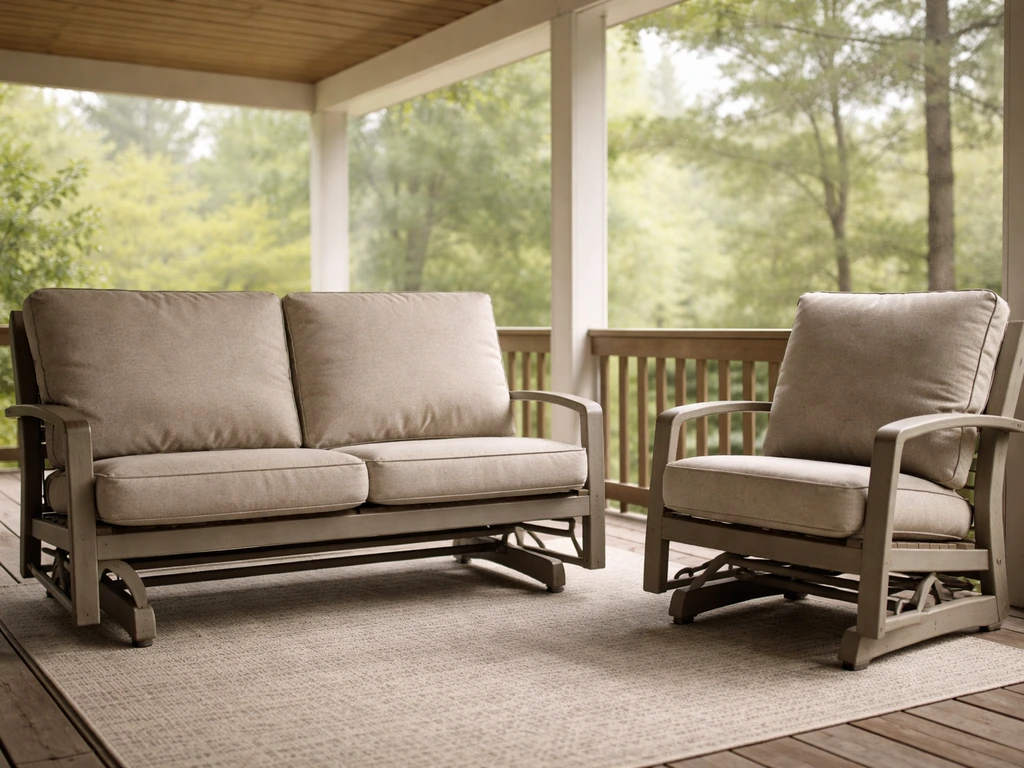
What to look for in the best patio glider (quick checklist)
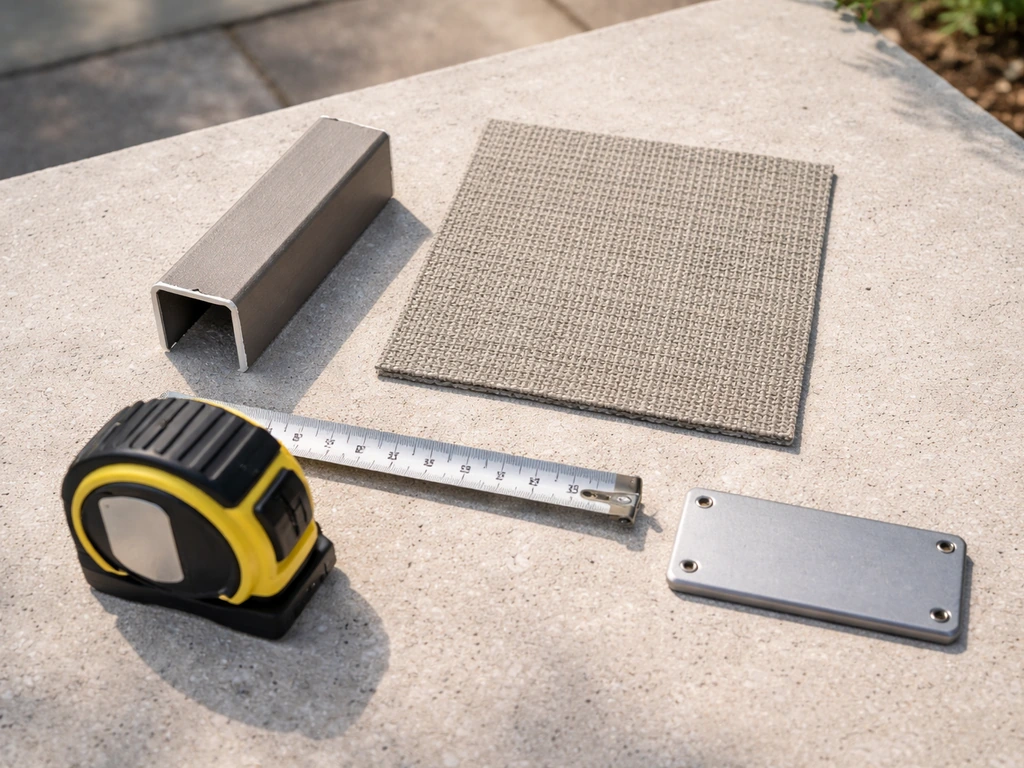
Before you go down the product rabbit hole, here is what actually matters. Run through this list and you will be able to rule out 80% of the options on the market immediately.
- Frame material: aluminum or HDPE poly for low maintenance; powder-coated steel if you are on a tight budget and can touch up chips; avoid bare iron unless you want a repainting project every couple of years
- Glide mechanism: look for sealed/dual bearings rather than simple pivot bolts; cheap pivot systems squeak, stick, and wobble within a few seasons
- Weight capacity: 250 lb is the bare minimum for a single-person chair; 300–360 lb is safer for heavier users or shared seating
- Seat dimensions: a solo glider chair should be at least 21–22 inches wide and 20–22 inches deep; a two-person glider should be at least 48 inches wide with a seat depth around 17–18 inches
- Chair height: 36–40 inches tall supports your back properly whether you are sitting upright or leaning back
- Cushions: solution-dyed polyester or Sunbrella-grade fabric only; avoid basic polyester fill that goes flat after one season
- Clearance space: you need 2–3 feet of clear space in front and behind the glider so the motion range does not bang into walls or other furniture
- Warranty: 1-year limited is a red flag for outdoor furniture; look for 3+ years on metal frames and 20 years on quality HDPE poly
- Assembly: check that the glide mechanism comes pre-assembled or requires only simple bolt connections; complicated pivot assemblies are where wobble problems start
Patio glider types and where each works best
Patio gliders are not all the same thing. The term covers several distinct product categories, and buying the wrong type for your space is the most common mistake people make.
Glider bench (two-person)
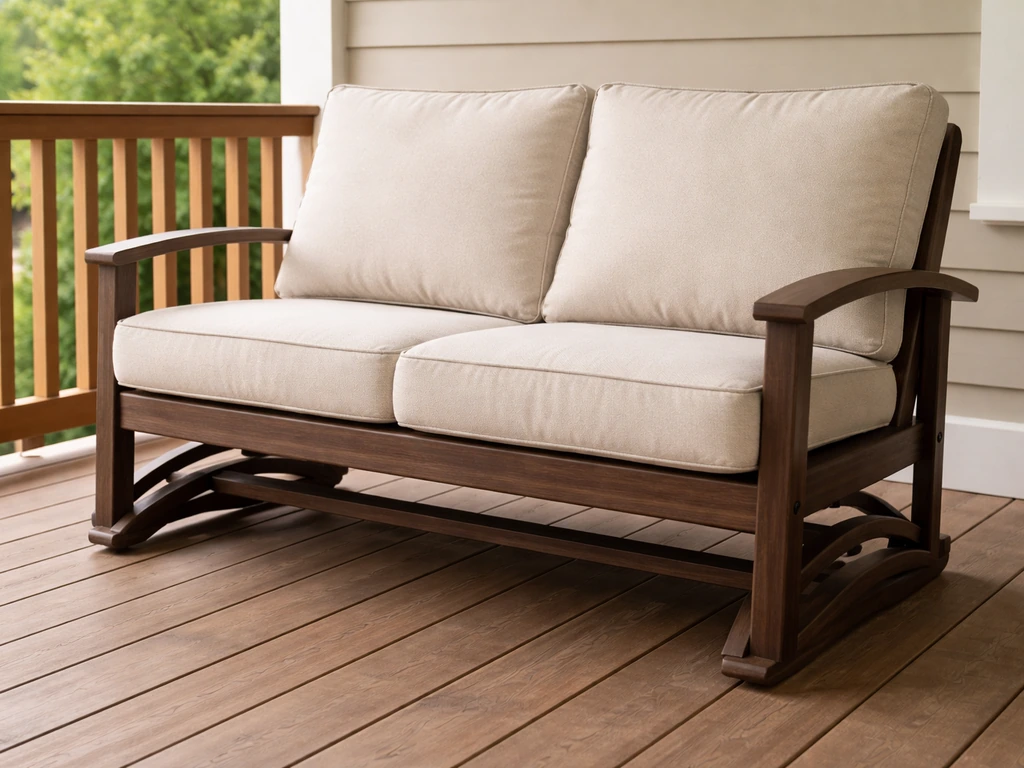
This is the classic front-porch glider: a bench-style seat on a gliding frame, typically 48 inches wide, designed for two people side by side. It works best on covered porches, screened-in patios, and any space where you want a social seating anchor. The 48-inch size is the sweet spot for two adults; anything smaller feels cramped. Because it stays in one place and just glides forward and back, it needs a flat, stable surface and that 2–3 feet of clearance front and back.
Glider chair (single-person)
A solo glider chair is essentially a lounge or club chair with a built-in gliding base. Seat dimensions are typically around 21–22 inches wide and 21 inches deep. Some versions, like the Costco Brando, add a reclining function (up to 140 degrees) which makes them feel closer to an outdoor recliner than a traditional glider. These work well on patios, decks, and covered balconies where you want personal relaxation seating rather than social seating. They also fit into tighter spaces than a bench glider.
Adirondack-style glider chair
This takes the classic Adirondack silhouette (angled back, wide armrests, low seat) and puts it on a gliding base instead of static legs. The Trex Cape Cod Adirondack Glider is a good example. These tend to have a lower seat height and more laid-back posture, so they are better for pure relaxation than for reading or having a conversation. They look great on open patios and in garden settings. Weight capacity on these is typically 250 lb, so heavier users should check specs carefully.
Swivel glider recliner
This is a hybrid: it swivels 360 degrees, glides, and reclines. The Sam's Club 2-piece swivel glider recliner is a common example (28.9 inches deep, 22.6 inches wide, 250 lb capacity). These are the most versatile in terms of motion but they need the most floor space and they are harder to find in truly weather-resistant outdoor versions. If you find one labeled for outdoor use, confirm the frame and fabric are rated for moisture and UV before buying.
How gliders compare to swings and hammocks
If you are debating between a glider and something that hangs, the key difference is stability and placement flexibility. A glider sits on its own base on a flat surface, so no overhead structure or anchor point is needed. If you want a swing instead, look for models designed to be safely mounted and properly supported for outdoor use glider sits on its own base on a flat surface. A patio swing or hammock requires either a stand or a ceiling/beam mount. If you want a different style of laid-back lounging, check our guide to the best patio hammock setups and what to look for hammock requires either a stand or a ceiling/beam mount. A patio swing is a great alternative if you want a suspended seat, but it requires an overhead structure or a dedicated stand. Gliders are generally safer and easier to place for people who rent or do not want to drill into their porch ceiling. They also feel more like furniture and less like play equipment, which matters for some patio aesthetics.
Materials and weather resistance: frames, rust, and cushions
Frame materials compared
| Frame Material | Rust Resistance | Weight | Maintenance Level | Typical Lifespan | Best For |
|---|---|---|---|---|---|
| HDPE Poly (e.g., POLYWOOD) | Excellent (no metal, no rust) | Moderate | Very low (soap + water) | 20+ years (residential warranty) | Year-round outdoor use, rain, humidity |
| Powder-coated aluminum | Very good (won't rust unless coating fails) | Light | Low (touch up chips) | 10–15+ years | Most outdoor setups, easy to move |
| Powder-coated steel | Good if coating is intact; will rust if chipped | Heavy | Moderate (inspect/touch up yearly) | 5–10 years depending on climate | Budget buyers in dry climates |
| Teak wood | Excellent (natural oils repel moisture) | Heavy | Low-moderate (oil every 1–2 years or let silver patina develop) | 15–25+ years | Premium buyers, classic aesthetic |
| Wrought iron | Poor without regular maintenance | Very heavy | High (repaint every few years; remove rust first) | Variable | Covered porches only; not recommended for open patios |
The practical takeaway here: if your glider is going to live outside year-round with no cover, HDPE poly is the safest choice. If you have a covered porch or you bring it in seasonally, powder-coated aluminum hits the sweet spot of lightweight, rust-resistant, and reasonably priced. Avoid powder-coated steel unless you are on a tight budget and live somewhere dry, because once that coating chips (and it will eventually), you are dealing with rust. Wrought iron on an uncovered patio is basically a maintenance project waiting to happen.
Cushion fabric: what actually holds up outside
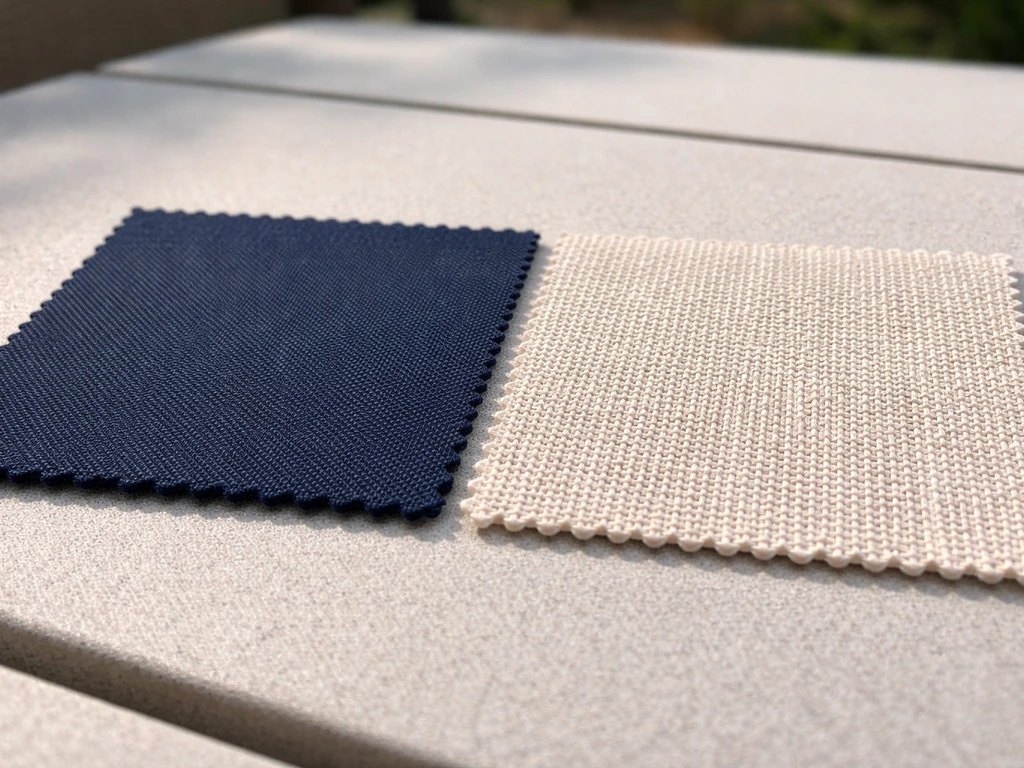
Solution-dyed polyester is the baseline you should require for any outdoor glider cushion. In this process, the color goes into the fiber before it is woven, which makes it significantly more fade-resistant and mold-resistant than surface-dyed fabric. Some manufacturers add a nano-treatment on top for extra water resistance. Sunbrella (a specific brand of solution-dyed acrylic) is the gold standard but also the most expensive. For most people, a quality solution-dyed polyester with a tight weave is perfectly adequate. Avoid anything described only as 'polyester' without the solution-dyed specification, and skip thin foam pads that are less than 3 inches thick, they go flat fast and you will end up feeling the frame beneath you after a few weeks of regular use.
Comfort and fit: dimensions, weight capacity, and posture
This is the section most buying guides skip, and it is the reason people end up with gliders they stop using after a month. Getting the fit right matters as much as the material.
Seat size and weight capacity
For a solo glider chair, the Costco Brando's 21.5-inch seat width and depth is on the compact side but comfortable for most average-build adults. If you are broader in the shoulders or hips, look for seats at least 24 inches wide. For a two-person bench glider, the POLYWOOD 48-inch format gives you a 43-inch seat width, which is enough room for two adults without feeling like you are pressed together. On weight capacity: 250 lb covers most individuals, but 300–360 lb is a smarter buy if the chair will be shared or used by larger adults. The Outsunny metal outdoor glider set hits 360 lb; the Gymax 2-piece metal glider supports 330 lb. Do not assume the decorative-looking chairs handle the same weight as the more utilitarian metal frames.
Height and back support
POLYWOOD recommends 36–40 inches of total chair height for optimal back support in an outdoor glider, and that range holds up in practice. A chair that is too short puts your knees too high and strains your lower back. A chair that is too tall leaves your feet dangling, which cuts off circulation and makes the gliding motion feel awkward rather than relaxing. Ergonomics guidance consistently points to the same principle: your feet should rest comfortably on the ground, your knees should be roughly at a 90-degree angle when sitting upright, and the backrest should contact both your lower and upper back. UCLA Ergonomics advises matching chair height and back support to your body so your feet rest firmly, your lower and upper back are supported, and your arms move freely Ergonomics guidance consistently points to the same principle. If you are shorter than 5'4" or taller than 6'2", check seat height specifically rather than just overall chair height.
Armrests and posture
Good armrests let your shoulders stay relaxed and your forearms rest without lifting or hunching. Wide, flat Adirondack-style armrests are great for setting down drinks but sit high enough that some people end up with their shoulders slightly raised. Thinner padded armrests on recliner-style gliders are usually better for long sitting sessions. If the listing does not mention armrest height, look for user photos in reviews to get a sense of the geometry.
How glide mechanics affect everyday use
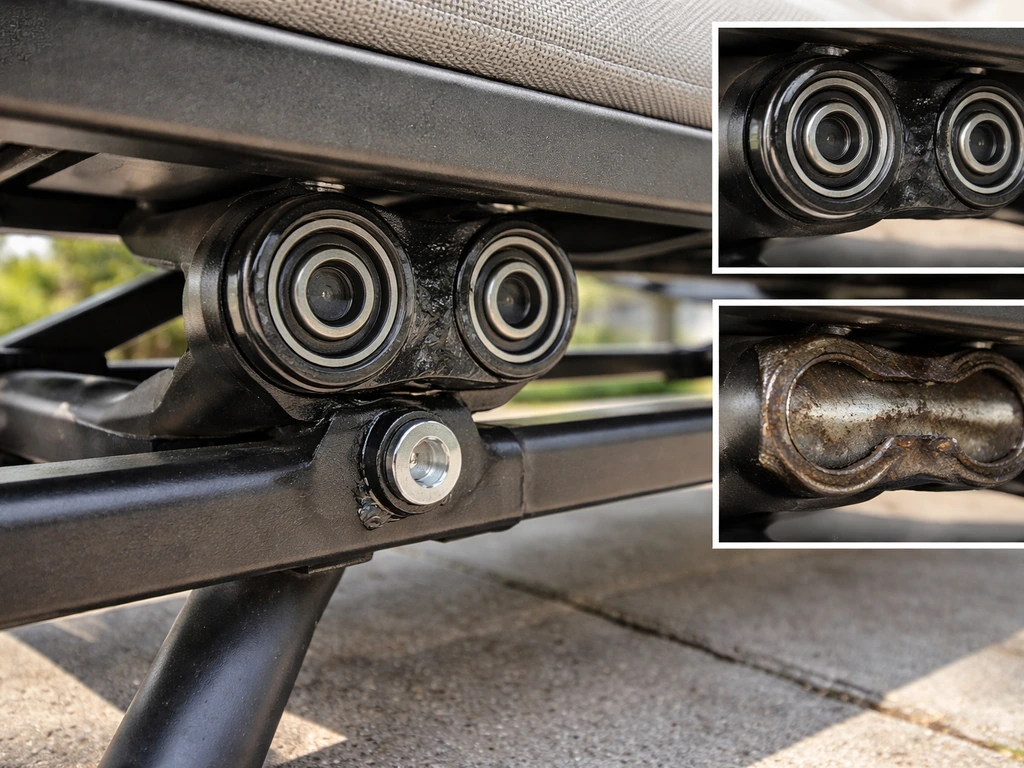
The glide mechanism is probably the biggest quality differentiator that you cannot evaluate from a product photo alone. A well-engineered glider should feel effortless from the first push, quiet throughout its motion arc, and stable with no side-to-side play. A cheap one feels sticky, requires effort to get moving, and starts squeaking within a season or two.
The best mechanism for smooth, durable performance is a dual sealed-bearing system, where two sealed bearings guide each side of the glide arm. This design eliminates metal-on-metal contact, which is the root cause of squeaking and sticking. Budget gliders use simple pivot bolts instead, which work fine initially but wear out and loosen over time. Real-world user reports back this up: Reddit users have described glider chairs that wobble side to side and squeak badly unless positioned in a very specific way, which is exactly what happens when pivot bolt tolerances loosen.
When you are evaluating a glider in person or reading reviews, these are the specific things to look for or ask about:
- Does it glide silently or can you hear metal-on-metal contact?
- Does the motion arc feel level and controlled, or does it lurch slightly at the front and back of the stroke?
- Is there any side-to-side wobble when you shift your weight left or right?
- After 6–12 months of outdoor use, do reviewers report the same smooth experience or mention squeaking and stiffening?
- Is the mechanism sealed against moisture, or will it collect water and accelerate corrosion?
If you can only test one thing before buying, push the glider through its full motion arc a dozen times while sitting in it and pay attention to whether it requires any effort at the front or back of the stroke. A quality glider coasts; a cheap one stops itself.
Maintenance, storage, and care for year-round performance
Frame care by material
HDPE poly frames need almost nothing: wipe them down with soap and water a couple of times a year and you are done. They do not rust, rot, or splinter. Powder-coated aluminum is nearly as easy: rinse it off, check annually for any chips in the coating, and touch those up with matching spray paint before rust can get started underneath. Powder-coated steel is the same process but more urgent, because steel rusts faster once the coating is compromised. Teak requires oiling every one to two seasons if you want to keep the warm honey color; if you let it go, it develops a silver-gray patina that many people actually prefer, and it does not hurt the wood structurally. Wrought iron is the most demanding: if you see rust, you need to strip the old paint, remove the rust, and apply fresh primer and paint before it spreads. On an uncovered outdoor patio, that can mean a project every two to three years.
Cushion cleaning
For routine cleaning, mix about a quarter cup of dish soap per gallon of warm water, scrub with a soft-bristle brush or sponge, rinse thoroughly, and stand the cushions upright to air-dry completely before putting them back on the glider. This prevents water from pooling inside the cushion and creating the mold conditions you are trying to avoid. For mildew, a solution of 1 cup bleach and a quarter cup of mild soap per gallon of water works well on light-colored or white fabrics. However, be careful with bleach on darker or colored cushions since it can fade and weaken the fibers. In those cases, use a commercial outdoor furniture cleaner designed for the fabric type. Always rinse completely and dry fully, because residual moisture is what causes mildew to come back.
One more thing about cushions: if you just unboxed a new glider and the cushions feel thin and stiff, give them 24–48 hours to fully rebound before judging their comfort. They compress significantly during shipping and need time to recover to their actual shape.
Seasonal storage
Even if your frame is HDPE poly, bringing cushions indoors or storing them in a deck box during heavy rain and winter extends their life dramatically. POLYWOOD explicitly recommends covering the product, minimizing direct sun exposure, and using a UV protectant to slow color fading, because even HDPE and quality fabrics will fade eventually under sustained UV exposure. If you cannot store the full glider inside for winter, at minimum invest in a properly fitted outdoor furniture cover and store the cushions separately. This single habit extends the life of most outdoor gliders by years.
Glide mechanism maintenance
Check the pivot points or bearing assemblies once a year. On sealed-bearing systems there is nothing to lubricate, but check for any visible corrosion or loosened bolts. On pivot-bolt systems, a light application of a silicone-based lubricant (not WD-40, which attracts dirt) at the contact points quiets squeaks and extends the life of the hardware. Tighten any bolts that have worked loose, which is especially common after the first season when everything settles.
Top picks by budget and patio setup
Here is how to match the right glider to your actual situation. These are not arbitrary rankings; they map directly to the criteria above.
Best for low maintenance and longevity: POLYWOOD 48-inch HDPE glider
If you want to buy once and forget about it, a POLYWOOD-style HDPE bench glider is the answer. The 48-inch format seats two people with a 43-inch seat width and about 17.5 inches of seat depth. The 20-year residential warranty covers structural defects, and the material genuinely will not splinter, crack, chip, peel, or rot. It costs more upfront than metal or steel options, typically $600–$1,000 depending on configuration, but the long-term cost per year of use is lower than nearly anything else on the market. Best for covered porches, open patios, and anyone who does not want a maintenance relationship with their outdoor furniture.
Best reclining glider chair for relaxing: Costco Brando Fabric Glider Recliner
If you want a solo glider chair that functions more like an outdoor recliner, the Brando is hard to beat at its price point. Seat dimensions are 21.5 inches wide by 21.5 inches deep, total chair size is 35.5 inches wide by 36 inches long by 40 inches tall, it reclines to 140 degrees, and the weight capacity is 300 lb. The steel glider and reclining mechanism is straightforward to assemble. It is better suited for a covered patio or screened porch than a fully exposed space, since the fabric cushions need more protection from rain than HDPE frames do. Typical price lands in the $300–$400 range at Costco.
Best budget option with higher weight capacity: metal frame glider sets
For buyers prioritizing weight capacity at a lower price, powder-coated metal frame glider sets are the practical choice. The Outsunny metal outdoor glider chair set supports 360 lb; the Gymax 2-piece patio glider supports 330 lb. These are meaningfully higher capacities than most wood or poly gliders at this price tier. The tradeoff is maintenance: inspect the powder coating annually and touch up any chips before rust can develop. These work best in covered or semi-covered spaces and in drier climates. Expect to pay $150–$300 for a solid metal frame set.
Best Adirondack-style glider chair: Trex Cape Cod or comparable HDPE Adirondack glider
If you like the look of Adirondack chairs but want the gentle gliding motion, this category delivers both. The Trex Cape Cod Adirondack Glider carries a 250 lb weight capacity and, importantly, needs 2–3 feet of clearance in front and behind to glide without hitting anything. This is more space than a static chair needs, so measure your patio before buying. The laid-back seat angle is genuinely comfortable for reading or relaxing, but less ideal for conversation or eating. Best for open gardens, large decks, and anyone who values the classic Adirondack aesthetic.
How to choose the right one: your decision in three steps
- Measure your space first: grab a tape measure and mark out the footprint of the glider plus 2–3 feet of clearance front and back. If that does not fit comfortably, you need a smaller glider or a different seating type entirely.
- Match the frame to your exposure: covered porch with seasonal storage? Powder-coated steel or aluminum is fine. Open patio year-round with no cover? HDPE poly or teak only. Somewhere in between? Powder-coated aluminum with a furniture cover.
- Check weight capacity and seat size against your actual needs: do not buy a 250 lb capacity chair if your household includes anyone near that limit; bump up to 300+ lb. Do not buy a 48-inch bench glider if two people are never going to use it at the same time; a 36-inch single-seater takes less space and costs less.
The glider market is cluttered with products that look the same in photos but differ enormously in how long they hold up and how good the gliding motion feels after a year outside. Stick to sealed or dual-bearing mechanisms, require solution-dyed cushion fabric, and match the frame material to how much sun, rain, and maintenance attention your patio situation actually allows. Get those three things right and you will have a glider you are still using five or ten years from now.
FAQ
How much space do I actually need around a patio glider to glide without hitting things?
Measure “usable clearance,” not the chair’s overall footprint. For bench gliders, include the distance the ends of the seat travel during the glide, then add a small buffer to avoid bumping chair backs or railing posts.
What label should I look for to be sure I’m getting solution-dyed cushions, and what parts of the cushion should it cover?
If the product is described as “solution-dyed,” verify it applies to both the cushion fabric and the webbing or inserts (if any). Some listings highlight only the top cover, while replacement inserts may fade faster than expected.
Can I leave a patio glider outside year-round, or should I plan to bring it in during winter?
Yes, but it changes what matters most. For seasonal storage, prioritize UV and rain protection for cushions (cover plus breathable storage), and choose a frame that can handle repeated wet-dry cycles without coating damage (powder-coated aluminum is generally easier than powder-coated steel).
How risky is powder-coated steel for an uncovered patio compared with HDPE or powder-coated aluminum?
Powder-coated steel can last, but you must commit to fast chip management. Inspect for coating damage right after the first hard freeze or storm season, then touch up immediately, because rust can start underneath once the barrier is breached.
What are the signs in-store that a glider’s mechanism will be noisy or gritty after a year?
A glider should feel smooth through the full arc, and it should not “catch” near the start or end of travel. If you hear a crunch or it slows abruptly, it usually indicates misalignment, debris in the track, or a mechanism tolerance issue.
How do I choose the right seat width and seat depth for comfort, especially if I’m between sizes?
Plan your cushions for wider seating than you think you need. A good test is to sit with your back against the backrest and check that you can keep knees near a 90-degree angle without the seat pushing your thighs upward.
Does the listed weight capacity assume two people sitting normally, or does it cover rougher use?
Confirm whether the listed weight capacity is for a single rider or a two-person load. Many gliders assume even distribution and conservative use; if you expect uneven loads (one person leaning forward, kids jumping), choose a higher capacity than the minimum.
What’s the safest way to remove mildew stains from dark or patterned glider cushions?
Avoid applying bleach-based cleaners to any cushion fabric that is marketed as color-stable but not explicitly bleach-safe. If you must spot-treat dark cushions, test in a hidden area first, then use a fabric-safe outdoor cleaner and rinse thoroughly to prevent color shift.
My glider feels sticky, what should I troubleshoot first depending on the glide mechanism type?
Most “sticky” gliders are either under-lubed pivot hardware (pivot-bolt designs), mis-seated bearings, or debris caught near the glide arms. For dual-bearing systems, don’t add grease unless the manual allows it, instead check for debris and tightness first.
How often should I check and re-tighten a patio glider’s hardware?
For comfort and stability, tighten bolts after the first season and then again at the start of each summer. If you live near the coast or in heavy rain climates, inspect hardware more often because moisture can accelerate loosening.
Do patio glider covers actually help, or can they make mildew worse?
Covers help, but they should not trap standing moisture. Use a fitted cover plus periodic drying time, especially during long wet stretches, and store cushions separately in a dry, ventilated area when possible.
What maintenance step prevents the fastest cushion failure after routine cleaning?
If your frame is HDPE or powder-coated aluminum, cleaning is straightforward, but cushion care still drives longevity. The most common mistake is storing wet cushions, so always dry fully, and consider using a quick-dry stand so air can reach the underside.
Can I use a bench-style two-person glider on a porch if the area feels “tight”?
Yes, and it’s a common reason for mismatch. If you want a two-person bench glider but your porch depth is limited, choose a chair glider or confirm the bench’s front-to-back glide clearance works with your railing and door swing.
When choosing a reclining glider chair, how do I account for space in the reclined position?
For recliners that go back farther, check not just the glide clearance but the recline clearance. Measure from the back of the seat in the most reclined position to any wall or railing, and ensure the chair does not bind at the end of the recline.
Next Articles
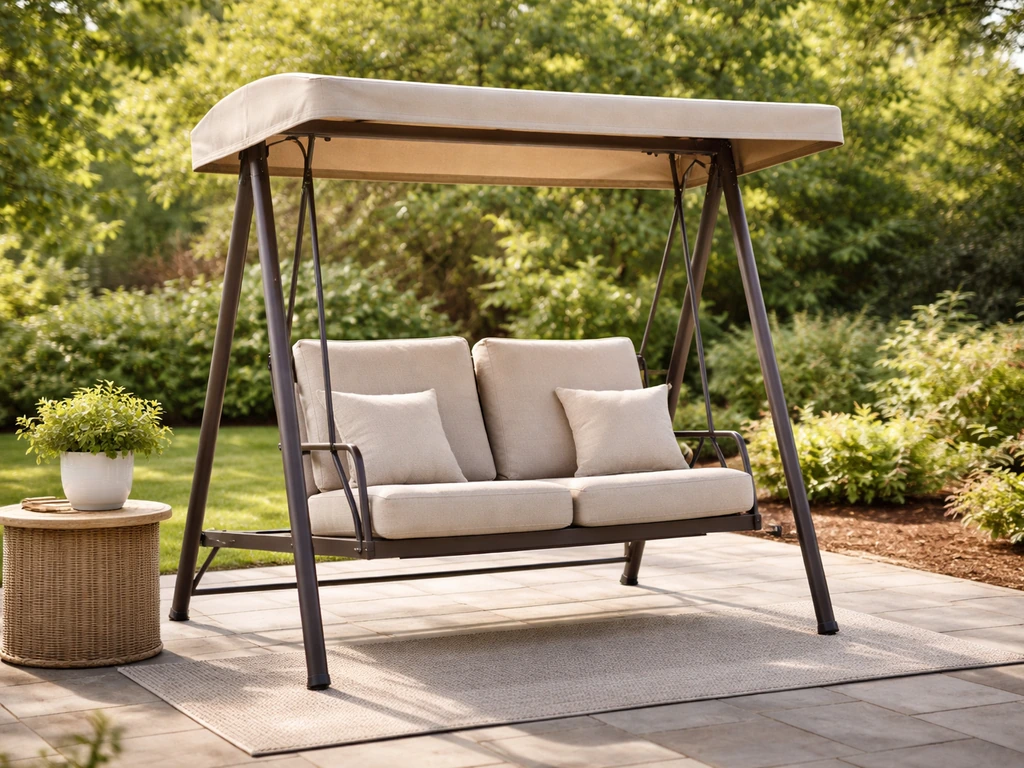
Best Outdoor Patio Swings: How to Choose and Buy
Choose the best outdoor patio swings fast with size, materials, comfort, weatherproofing, safety, and value by style.
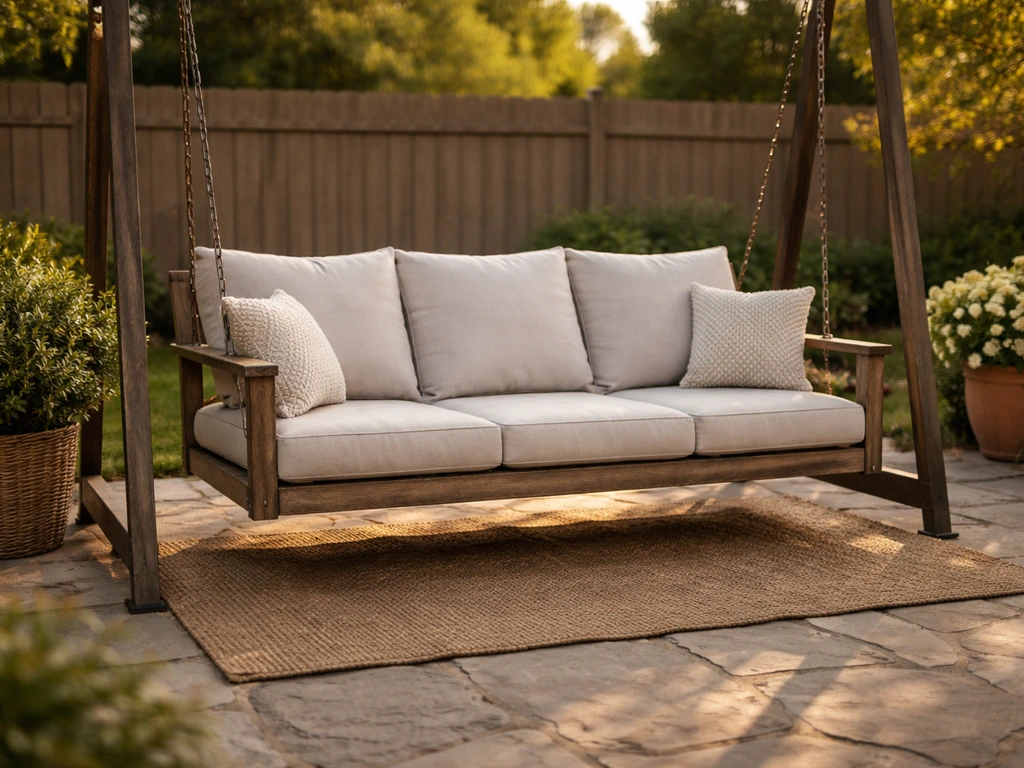
Best Patio Swing Guide: Choose the Right Swing and Set
Pick the best patio swing or swing set with comfort, size, durability, materials, and maintenance tips for every budget.
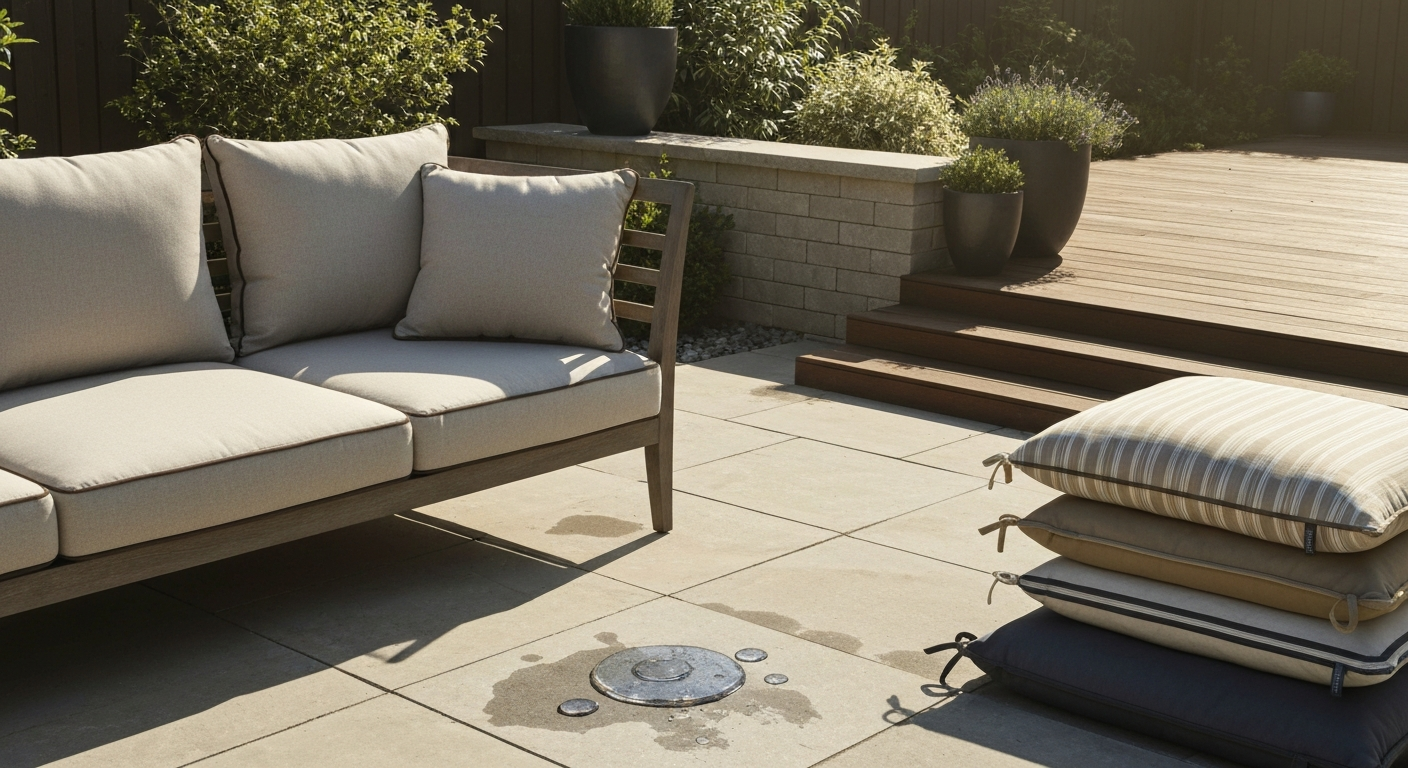
Best Sunbrella Patio Cushions: Top Picks, Guide & Maintenance
Find the best Sunbrella patio cushions: durable, fade‑resistant picks, buying tips, care, and top recommendations.