
The best outdoor patio fan for most people in 2021 is a pedestal or tower fan with at least 1,500 CFM of airflow, some form of weather resistance (IPX4 minimum), and oscillation to spread air across the whole space. If you want the best cooling fan for outdoor patio comfort, pay attention to airflow (CFM), weather resistance, and oscillation so the breeze reaches everyone.
Best Outdoor Patio Fans 2021: Buying Guide and Picks

Lark Perry
8 Jul 2026
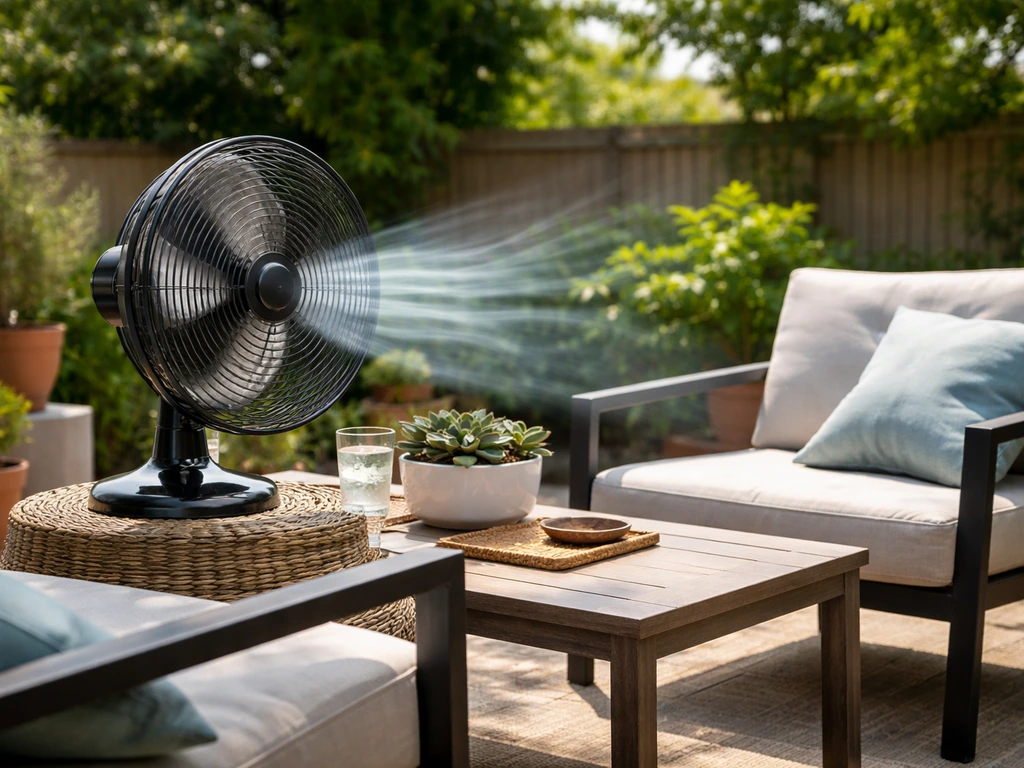
If you have a covered patio or screen porch, a ceiling fan or wall-mounted unit will serve you better. If heat is brutal and you have low humidity, add a misting fan to the mix. The right pick really does depend on your specific setup, so this guide breaks it all down by patio type, budget, and real-world performance.
How to choose the right outdoor patio fan
Shopping for an outdoor fan is not the same as buying one for a bedroom. The outdoors throws a lot at these machines: humidity, UV rays, wind, dust, and rain. Before you look at any specific model, you need to know what specs actually matter and what the marketing fluff is.
CFM: the number that actually tells you how powerful a fan is
CFM stands for cubic feet per minute, and it measures how much air a fan moves. For a small balcony or covered porch (under 150 square feet), a fan in the 1,000 to 1,500 CFM range will do fine. For a mid-size open patio around 200 to 300 square feet, aim for 1,500 to 2,500 CFM. Large open decks and patios benefit from 3,000 CFM or more. High-velocity wall-mounted options like the NewAir can hit up to 4,000 CFM, which is a serious amount of airflow for a large uncovered space. The DREO 711S tower fan sits at 2,022 CFM, which is well-suited for mid-size setups.
Fan size and coverage range
Fan blade or intake diameter correlates directly with how wide a breeze it can throw. A 42-inch tower fan or pedestal fan will cover a noticeably larger area than an 18-inch box fan. If a product listing quotes an effective range, pay attention to it. The DREO 711S, for example, claims a 42-foot airflow range at 33 feet per second velocity. That is genuinely useful for an open patio. Smaller fans (under 20 inches) are fine for a tight balcony chair setup but will not cool a full patio table of people.
Power source and energy use
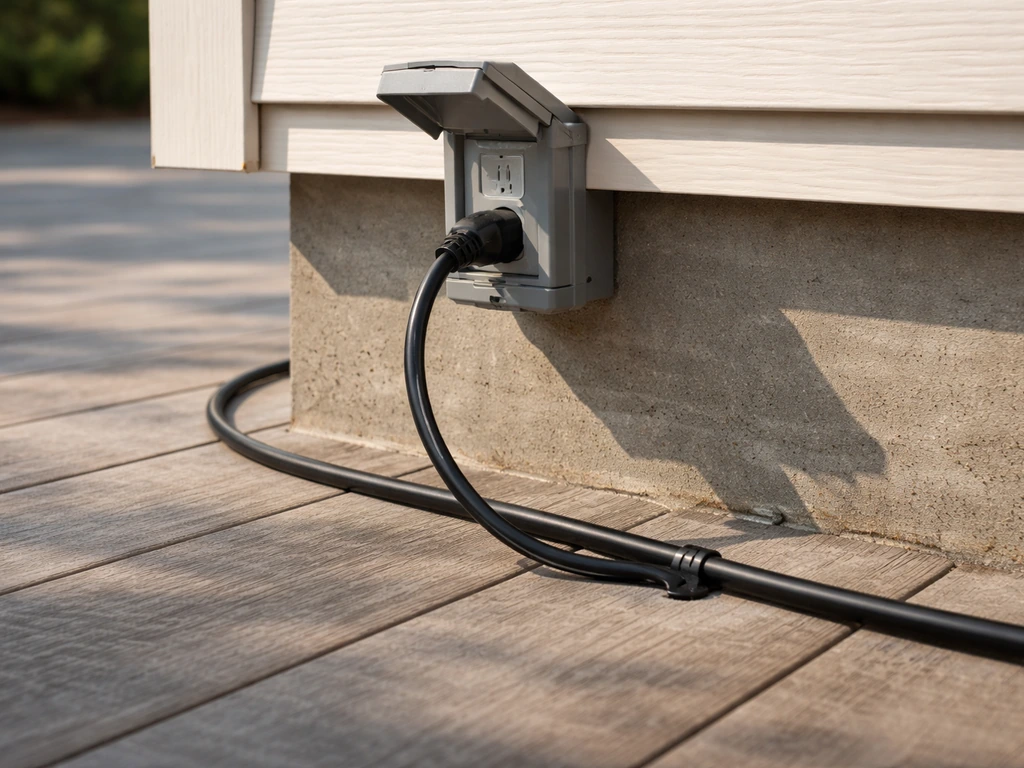
Most outdoor patio fans run on standard 120V household current, so you need an outdoor-rated extension cord or a nearby GFCI outlet. Check that the outlet is protected before you plug anything in outdoors. Wattage ranges widely: a small tower fan might use 40 to 60 watts, while a high-velocity floor fan can pull 200 watts or more. For something you run for hours every evening, that difference adds up on your electric bill.
Oscillation
Oscillation matters more outdoors than indoors because you typically have more people spread across a larger space. A fan that rotates side to side distributes airflow across a wider arc, so it is not just cooling the one person sitting directly in front of it. Look for a model with at least 70 to 90 degrees of oscillation. Some tower fans and pedestal models offer 120 degrees or even full 360-degree rotation.
Weather resistance ratings explained simply
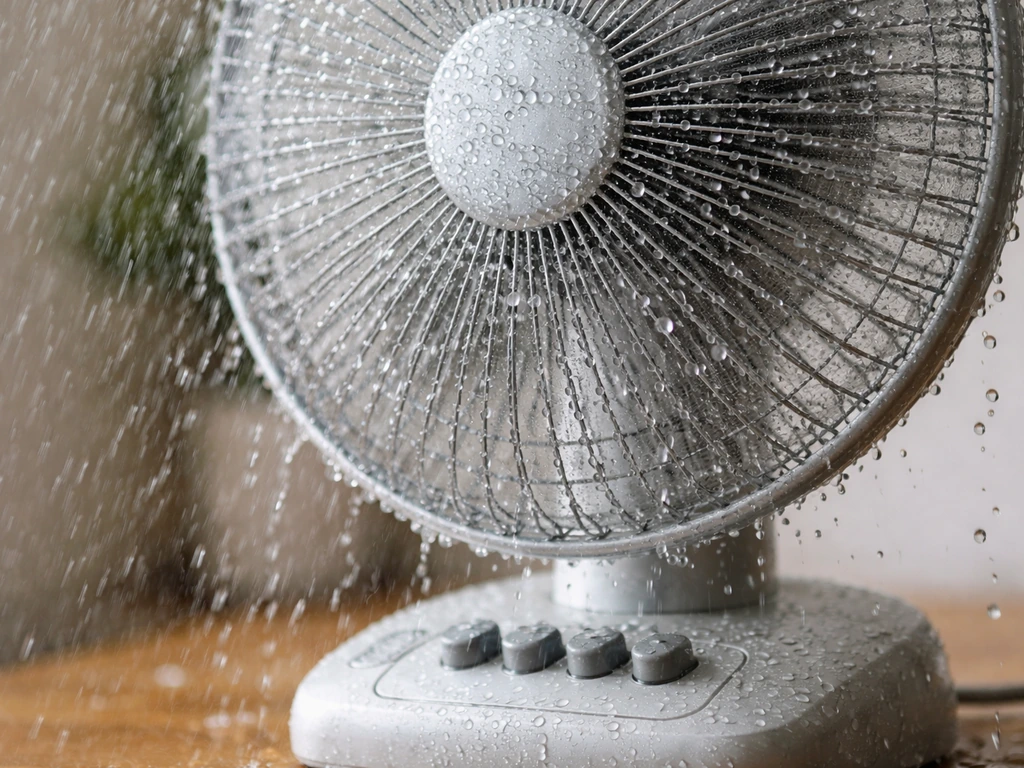
The IP (Ingress Protection) rating system tells you how well a fan resists water and dust. IPX4 means it can handle splashing water from any direction. IPX5 handles low-pressure water jets. IPX7 means it can be submerged in up to one meter of water.
For most patios, IPX4 is the practical minimum. If your fan sits near a pool, sprinkler zone, or in a spot where it might get rained on directly, IPX5 or higher is worth seeking out. The DREO misting tower fan carries an IPX7 rating along with UV-resistant construction, which makes it one of the better-protected options in its class. ETL listing is another mark to look for.
Home Depot's outdoor fan category lets you filter by ETL Listed, which confirms the product meets recognized safety standards for outdoor electrical use.
Best overall patio fan picks for 2021
These are the models worth serious consideration across different budgets and use cases. Prices varied throughout 2021 so treat ranges as approximate.
| Fan / Model | Type | CFM / Range | Weather Rating | Best For | Approx. Price Range |
|---|---|---|---|---|---|
| DREO Outdoor Tower Fan 711S | Tower | 2,022 CFM / 42 ft range | IPX4, UV resistant | Mid-size open patios | $80–$120 |
| DREO Outdoor Misting Tower Fan 42 in. | Tower with misting | Listed on Home Depot | IPX7, UV resistant | Hot/dry climates, open patios | $130–$180 |
| NewAir High-Velocity Wall-Mounted Fan | Wall mount | Up to 4,000 CFM | Outdoor-rated | Large patios, garages, covered porches | $150–$220 |
| Lasko Outdoor Tower Fan | Tower | Mid-range CFM | Weather-resistant | Small-to-mid patios, budget buyers | $60–$90 |
| Rowenta Turbo Silence Extreme Stand Fan | Pedestal/stand | High CFM metal build | Outdoor Texas Fan Certified | Covered patios, quality-first buyers | $150–$200 |
The DREO 711S is the easiest recommendation for most people. It hits a practical CFM number, has a credible IP rating, and the 42-foot range claim holds up in real-world use on a standard-sized patio. The Rowenta Turbo Silence Extreme is the pick if you want a premium stand fan with a quieter motor and a metal build that lasts multiple seasons. If budget is your main concern, the Lasko outdoor tower fan gets you into the category without a painful outlay. For serious heat situations, the DREO misting fan with its IPX7 rating is in a category of its own.
Best fan by patio type and size
Small balconies and tight spaces
On a small balcony (under 100 square feet), a compact tower fan or a wall-mounted unit is the smarter choice over a bulky pedestal fan. You want something that takes up minimal floor space and still moves enough air to feel meaningful. A tower fan in the 30 to 36-inch range with oscillation covers a two-person seating area well without dominating the space. Look for models in the 1,000 to 1,500 CFM range. If you want more coverage without floor clutter, a wall-mounted fan pointed slightly downward at seating level is very effective.
Large open patios and decks
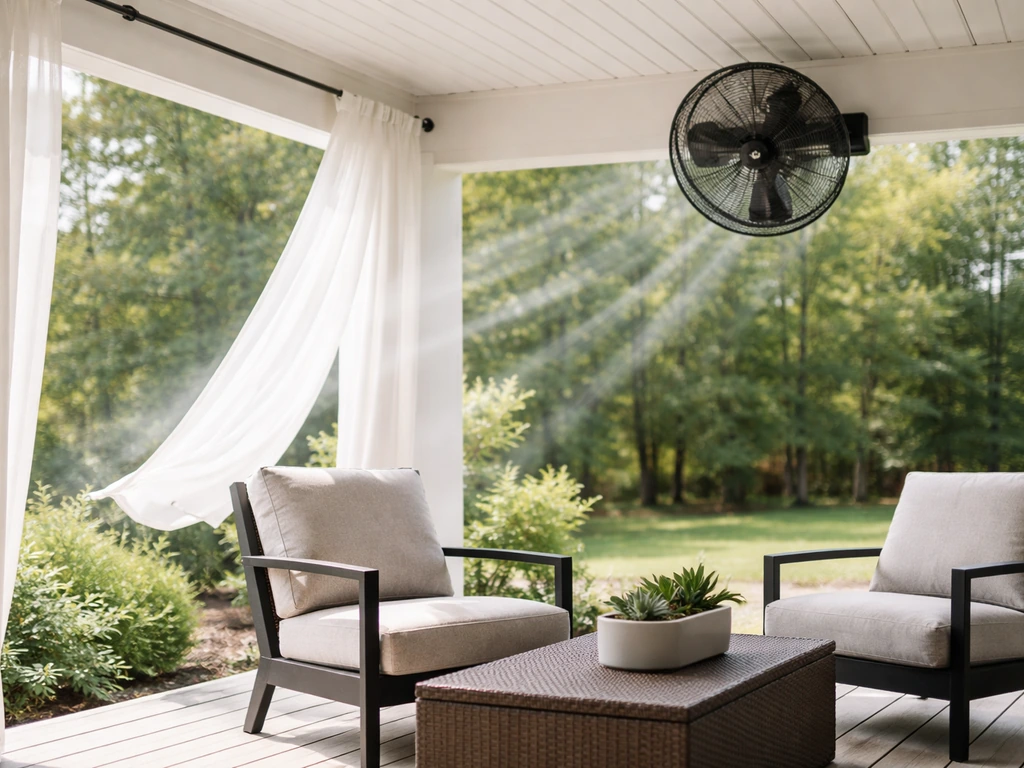
For a large open patio (300+ square feet), one fan will not cut it unless it is a high-velocity unit. A NewAir wall-mounted fan running at up to 4,000 CFM can handle a large covered deck. For an open uncovered space, consider using two pedestal or tower fans positioned at opposite sides of the seating area, both oscillating, to create a cross-breeze effect. This is far more effective than one very powerful fan aimed at a fixed point.
Screen porches and covered enclosures
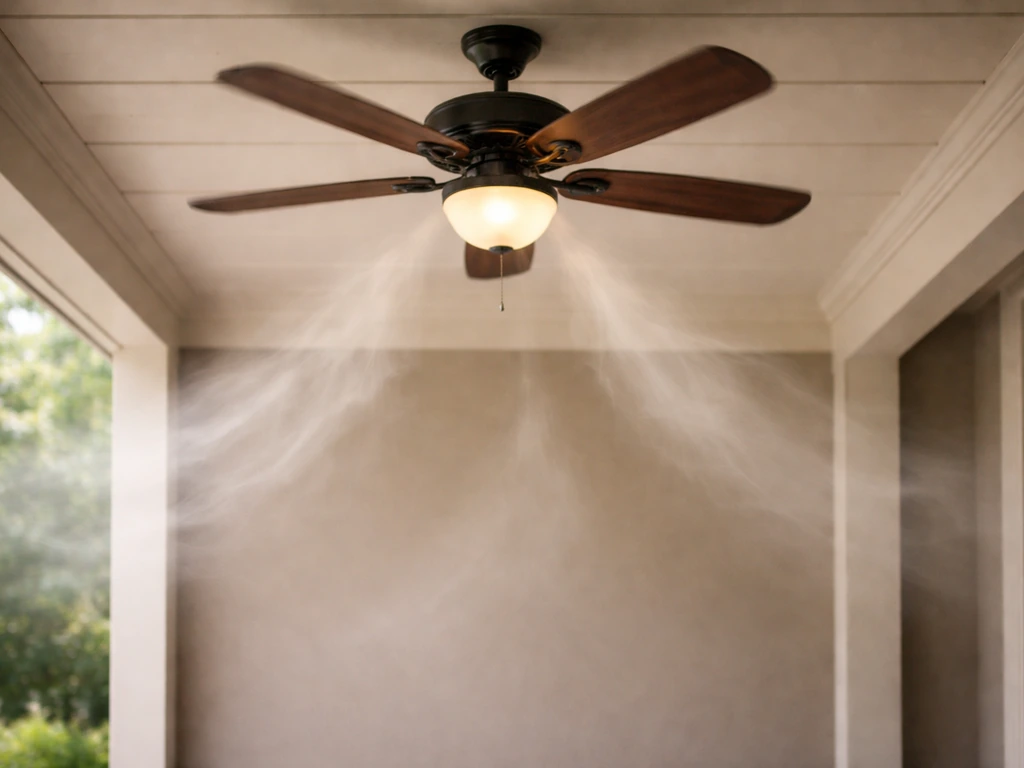
Screen porches are a different environment entirely. Since the space is enclosed, air does not escape the way it does on an open deck. Ceiling fans work exceptionally well here because the enclosed volume means the airflow stays where you need it. If you want the most comfort, look for the best outdoor patio ceiling fans with lights so you can cool and illuminate your space at the same time Ceiling fans work exceptionally well here.
A ceiling fan with an outdoor-rated motor and damp or wet-rated blades is the ideal solution. If you are not ready to install a ceiling fan, a pedestal fan in the corner running on medium speed will also do the job, but it will need to oscillate to cover the full room.
Shaded vs. sunny patios
On a shaded patio, a standard fan is usually sufficient because the ambient temperature is already lower and moving air creates a very effective windchill. On a sun-drenched exposed patio, a fan alone might not be enough in peak summer heat. This is where a misting fan earns its place. The combination of evaporative cooling and airflow can drop the perceived temperature by 10 to 20 degrees Fahrenheit in dry conditions. In high-humidity environments (think coastal or southeastern US), misting fans are less effective because the air is already close to saturated and evaporation slows down.
Outdoor fan types: which style should you actually buy
There are more outdoor fan formats than most people realize. Here is a quick breakdown of what each type does well and where it falls short.
| Fan Type | Strengths | Weaknesses | Best Patio Fit |
|---|---|---|---|
| Pedestal / Stand | Adjustable height, easy to move, wide oscillation | Takes up floor space, can tip in wind | Medium to large open patios |
| Tower | Slim profile, quiet, modern look | Less raw airflow than pedestal | Small to mid patios, balconies |
| Oscillating | Covers wide area, distributes air evenly | Not always strongest airflow | Multi-person seating areas |
| Wall-Mounted | Saves floor space, stable, high CFM available | Requires mounting, less portable | Covered porches, large patios |
| Ceiling Fan | Ideal for enclosed/covered spaces, quiet | Requires electrical install, fixed position | Screen porches, covered patios |
| Misting Fan | Dramatic cooling in dry heat, great outdoors | Ineffective in high humidity, needs water supply | Open sunny patios in dry climates |
| Floor / High-Velocity | Maximum airflow, industrial power | Loud, less aesthetic, bulky | Large uncovered decks, workshops |
If you are torn between an oscillating pedestal fan and a tower fan for a standard patio, go with the oscillating pedestal fan if raw airflow is the priority, and the tower fan if you value a quieter, more compact footprint. If you want the closest match to the best outdoor oscillating fan for patio setups, compare an oscillating pedestal fan to a tower fan using the guidance on oscillation and coverage. For anyone specifically hunting a great oscillating model or a dedicated floor fan, those categories have their own depth worth exploring. The ceiling fan question is also a whole separate conversation for covered patio owners who want the cleanest-looking solution with the most even airflow.
How these fans actually perform in real outdoor conditions
Wind and stability
Outdoor fans face a problem their indoor counterparts never deal with: competing with natural wind. On a breezy day, a lightly built tower fan can actually tip over, which is both a safety issue and a potential damage issue. Heavier pedestal fans with wide bases or weighted feet handle gusty conditions better. If you live somewhere windy, look for fans with a base ballast option or the ability to attach to a railing or anchor point. The Rowenta Turbo Silence Extreme's metal construction gives it a stability advantage over plastic-bodied tower fans in breezy conditions.
Humidity and corrosion
Humidity is the slow killer of outdoor fans. Even fans rated for outdoor use can develop rust on internal metal components, corroded motor contacts, or warped plastic housings if they live outside full time in a humid climate. UV-resistant plastic construction (like what DREO uses on their outdoor models) reduces housing degradation. For coastal environments with salt air, corrosion-resistance becomes even more critical. Look specifically for fans with sealed motor housings and rust-resistant hardware. These details are often buried in the product specs rather than highlighted on the packaging.
Noise levels outdoors
Outdoor fans can get away with being slightly louder than indoor fans because background ambient noise (birds, traffic, neighbors, wind) masks some of the motor sound. That said, if you are trying to have a conversation or watch an outdoor TV at a normal volume, a fan running on high can still be intrusive. The Rowenta Turbo Silence Extreme is designed around low noise as a core feature and it is noticeably quieter than budget models at comparable airflow. Tower fans in general tend to run quieter than high-velocity floor fans. Most modern outdoor fans list decibel levels in their specs, and anything under 55 dB at high speed is considered a good result.
Weatherproof vs. weather-resistant: the real difference
Weather-resistant means the fan can handle some moisture exposure (splashing, light rain, condensation) without immediate damage. Weatherproof, or waterproof at higher IP ratings like IPX7, means you can leave the fan out in a rainstorm and it will survive. Most fans marketed for outdoor use fall into the weather-resistant category, which means they are not designed to sit in standing water or get hit by a direct hose stream. Even a fan rated IPX7 should not be treated as indestructible. The rating covers a defined test scenario, not indefinite outdoor neglect. Dedicated waterproof models worth exploring include options specifically designed to stay outdoors through the season.
Fan placement and airflow tips that actually work
Where to position your fan for maximum effect

The single biggest mistake people make with outdoor fans is pointing them directly at the people sitting there. That works fine for one person directly in the path, but it does nothing for everyone else. Instead, angle your fan slightly upward and let oscillation distribute the airflow. For a table-and-chairs setup, placing the fan about 8 to 10 feet away and angled toward the group at roughly shoulder height creates a wider breeze that everyone benefits from.
Creating a cross-breeze with multiple fans
If you have two fans, position them on opposite sides of the seating area both pointing inward and oscillating. This simulates the cross-breeze effect that happens naturally when windows on opposite sides of a room are open. It is dramatically more effective than two fans pointed in the same direction. On a hot still evening, this setup can make a 90-degree patio feel significantly more tolerable.
Using shade and fans together
Shade structures reduce the radiant heat load on your patio considerably before any fan gets involved. A pergola, umbrella, or shade sail will lower the surface temperature of your furniture and floor, which means the fan is not just circulating hot air baked off a concrete slab. Combine shade with a fan and you will feel a much bigger difference than using either alone.
Smart timing: when to run the fan
Running a fan before guests arrive (30 minutes or so) helps pre-cool the seating area and flush out the stagnant hot air that builds up during the day. In the evening, as outdoor temperatures drop, a fan set on medium speed will feel very effective because the incoming air is already cooler.
Keeping your outdoor fan running season after season
Regular cleaning
Outdoor fans collect dust, pollen, spider webs, and debris inside the grille and blade assembly. A clogged intake reduces airflow significantly and puts extra strain on the motor. Every few weeks during active use, wipe down the exterior with a damp cloth and use a can of compressed air or a soft brush to clear the intake grilles. For fans with removable grilles, take them off at the start and end of each season for a thorough cleaning.
Lubrication and motor care
Some pedestal fans have an oil port on the motor housing. If yours does, add a few drops of lightweight machine oil at the start of each season. It reduces friction, extends motor life, and keeps the fan quieter. Most sealed tower fan motors do not have this port and are designed as maintenance-free, but checking the owner manual once is worth the 60 seconds it takes.
End-of-season storage
Even an IPX7-rated fan will last longer if you bring it inside or store it under a weatherproof cover during the off-season. Before storing, clean the fan thoroughly, let it dry completely, and wrap the power cord neatly without tight bends. Store it somewhere with stable temperature and low humidity if possible. A garage or shed is usually fine. Leaving a fan on an exposed patio through winter, especially in freeze-thaw climates, accelerates the degradation of seals, plastics, and any exposed metal parts.
Cord and outlet safety
Always use a GFCI-protected outdoor outlet, and use only extension cords rated for outdoor use (these are marked on the packaging with a W for weather-resistant jacket). Inspect the power cord before each season for cracks, fraying, or damaged plugs. A compromised cord on an outdoor appliance near water is a genuine hazard. Replace it rather than tape it.
Getting the right fan for your patio comes down to matching the fan type and CFM to your actual space, making sure the weather resistance rating fits your climate and exposure level, and placing it where it can do the most good. If you are specifically shopping for the best outdoor floor fans for patios, focus on airflow (CFM), weather resistance, and how evenly the fan covers your seating area. Spend a little time on those three things and any of the well-reviewed models above will serve you well through a long, hot summer.
FAQ
Do I really need 1,500 CFM for an outdoor patio fan, or can I go lower?
You can go lower than 1,500 CFM if your space is small and shaded, or if you only need airflow at a couple of seats. For uncovered patios or groups across a table, lower CFM usually feels weak because wind and heat steal the effect. If the product lists a max CFM, prefer the range or real coverage info instead of the highest number on the box.
What’s a practical way to estimate how many patio fans I need?
Start with your seating layout, not the square footage. If people sit in one cluster, one oscillating fan can work, if they’re spread across multiple sides, plan on two fans to create a cross-breeze. A helpful rule, for uncovered spaces, is to ensure the airflow reaches each person’s shoulder level, not just the center of the table.
Is IPX4 enough if my patio gets rained on sometimes?
IPX4 typically covers splashing and light exposure, it is not designed for direct hose-like spray or repeated soaking. If your fan could get hit by rain that blows sideways, or it sits where sprinklers can reach it, step up to IPX5 or higher. Also, look for sealed motor hardware and corrosion-resistant parts, since humidity damage often builds over months even if the fan survives a quick shower.
Can I leave an outdoor patio fan outside all summer and winter?
Leaving it out all winter, especially where freeze-thaw happens, increases seal cracking and plastic brittleness over time. For best lifespan, store it under a weather cover during the off-season (and fully dry and clean it first). If you must leave it out, use a cover that allows airflow and prevents trapped moisture, not a tightly sealed bag.
How do I position a fan to cool people instead of just blowing past them?
Avoid aiming straight at faces from close range. Place the fan about 8 to 10 feet from a table, angle it slightly upward toward shoulder or chest height, and rely on oscillation for coverage. If you can only place it near a corner, point it across the seating area and keep oscillation limited if it sends air into walls or railings.
What’s the best oscillation setting for outdoor use, full swing or less?
Full oscillation is usually better for patios because people are spread out, but you should limit it if the fan’s swing hits obstacles (railings, planters, or furniture backs) that block airflow. If your fan has a way to set oscillation angles, aim for the widest arc that still clears the seating zone without blasting air into barriers.
How loud is too loud for an outdoor fan running at high speed?
If you plan to talk or watch TV outdoors, anything around or above the mid-50s dB range at high speed can become distracting. Budget fans may get louder as blades accumulate dust, so correct cleaning matters. If noise is a priority, choose models that explicitly target quiet operation rather than relying on “silent” marketing alone.
Do tower fans and pedestal fans actually perform differently outdoors?
They can. Tower fans often feel more compact and quieter per unit of use, while pedestal fans can deliver stronger, direct airflow if the blade and intake diameter are larger. Outdoors, what matters most is oscillation coverage and effective airflow across your seating, so compare CFM plus the stated throw range or coverage, not just the fan type name.
If I buy a misting fan, will it work in humid climates?
Misting is most effective in dry air, where evaporation can meaningfully drop perceived temperature. In humid regions, evaporation is limited, so you may mostly get dampness without strong cooling. If you still want misting, use it briefly and ensure the mist stream is aimed to avoid soaking furniture and cushions.
How should I set up two fans, same direction or opposite?
Opposite sides pointing inward is typically more effective because it creates a cross-breeze effect through the seating area. Two fans on the same side often waste airflow by overlapping it in one spot while leaving other seats under-cooled. If your patio has a wall wind shadow, use that geometry by placing one fan to blow across and the other to fill the shaded side.
What extension cord should I use for an outdoor patio fan?
Use an outdoor-rated cord with a weather-resistant jacket (often marked with a W) and ensure the gauge is appropriate for the fan’s wattage and cable length. A cord that is too light can overheat, especially if the fan runs for hours. Also, use a GFCI-protected outlet, because that is your primary shock protection outdoors.
How often should I clean an outdoor patio fan?
For active summer use, wipe the exterior and clear intake grilles every couple of weeks. If pollen or dust is heavy, you may need more frequent cleaning. Use a soft brush or compressed air on the intake and keep moisture away from internal electrical components unless the manufacturer explicitly says it is safe.
Do oil-port pedestal fans need maintenance oil every month?
Usually no. If your pedestal fan includes an oil port, add just a few drops of lightweight machine oil at the start of the season, not every month, unless the manual specifies otherwise. Over-oiling can attract dust and reduce performance, so follow the oil quantity instructions closely.
What should I check if the fan tips over on breezy days?
First, switch to a heavier pedestal model or ensure the base is stable for gusts. Some fans can allow ballast options or attachment to a railing or anchor point, depending on design. Also verify the fan is level on the surface, since sloped patios can worsen tipping during wind gusts.
Next Articles
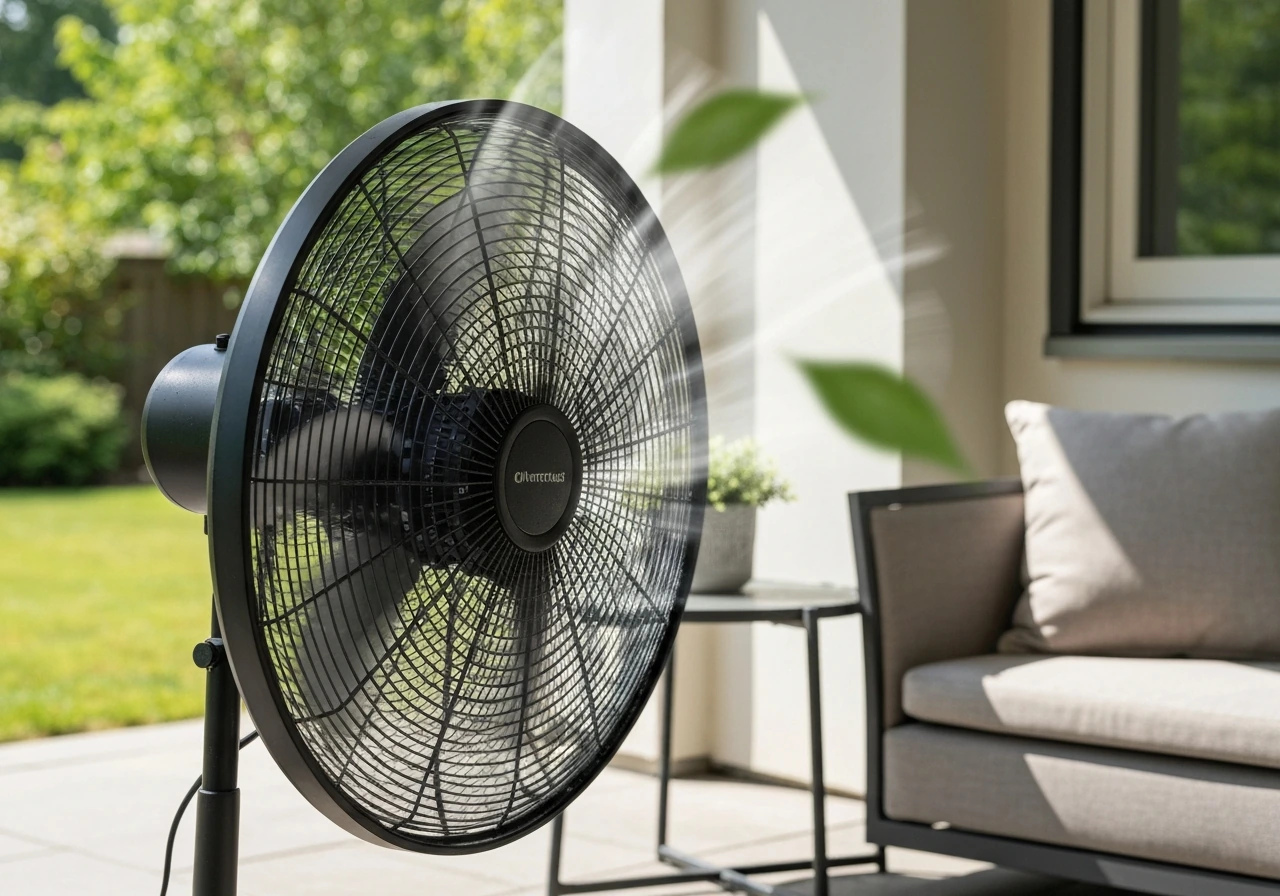
Best Outdoor Oscillating Fan for Patio: Buying Guide
Choose the best outdoor oscillating patio fan with weatherproof materials, airflow sizing, and top picks for quiet, larg
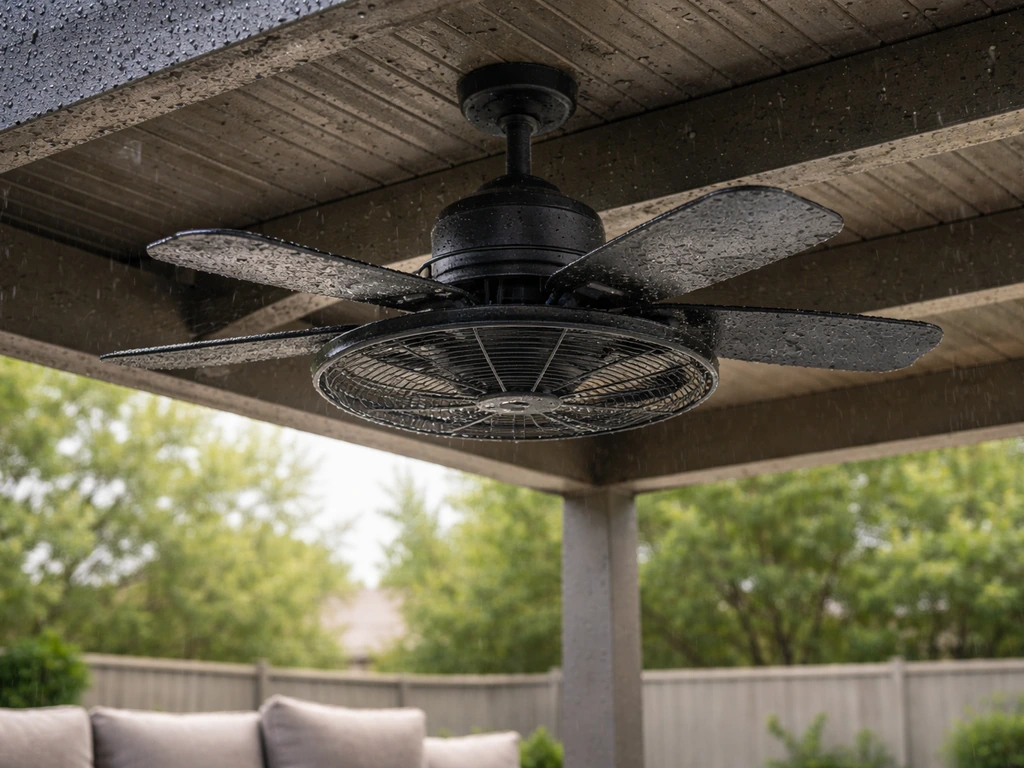
Best Waterproof Outdoor Patio Fans: Buying Guide 2026
Buy the best waterproof patio fans for 2026 with IP ratings, wet-location tips, airflow, noise, setup and maintenance ch
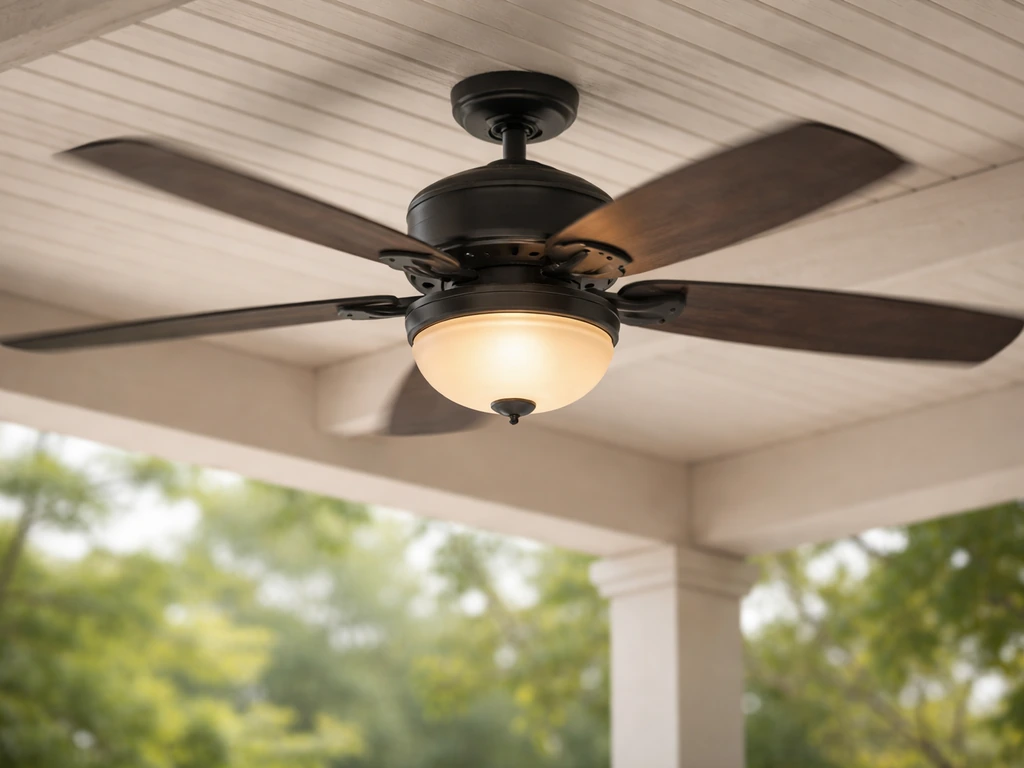
Best Outdoor Patio Ceiling Fans With Lights: Buyer Guide
Choose the best outdoor patio ceiling fans with lights using size, wet rating, airflow, noise, wiring, and dimmable ligh