
The best custom patio furniture covers are the ones sized to your exact furniture footprint, built from at least 600-denier polyester with a PU or PVC coating, and fitted with wind straps, elastic hems, and at least one air vent. For most homeowners, that means ordering from a made-to-measure supplier like Covers & All, Coverstore, or MightyCovers using width, depth, and height measurements taken with the cushions in place and the chairs pushed in. If you skip any of those details, you end up with a cover that blows off, traps moisture, or stresses its seams every time the wind picks up.
Best Custom Patio Furniture Covers: Fit, Materials, and Care

Lark Perry
13 Jun 2026
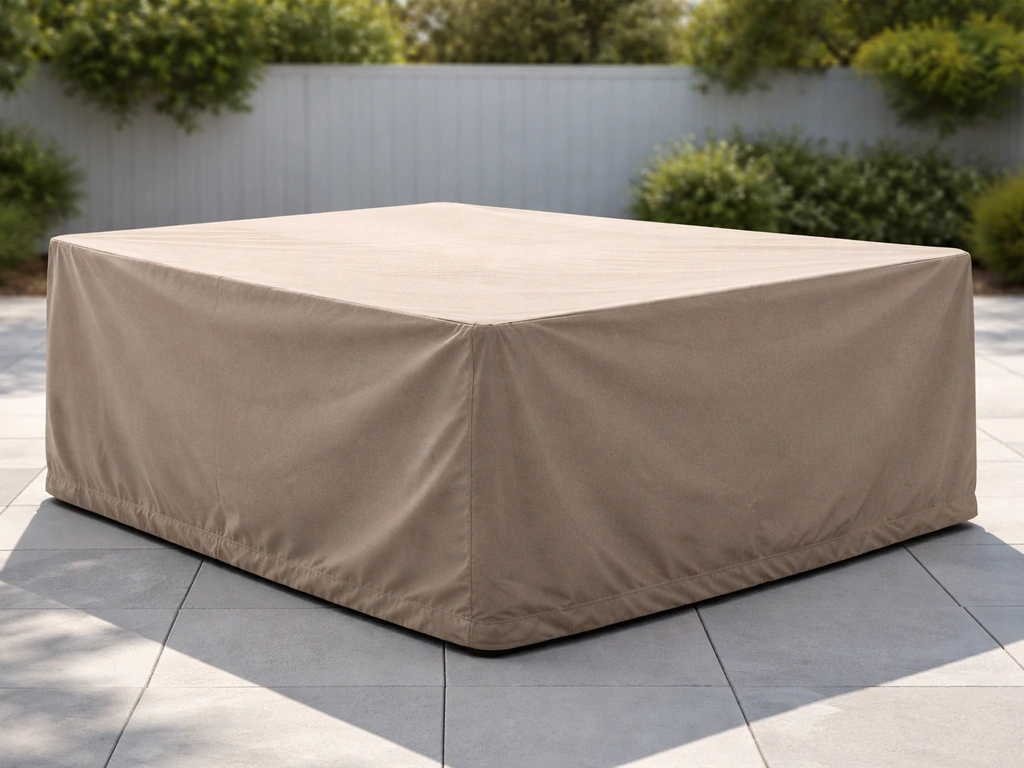
What 'custom' actually means for patio furniture covers
Custom covers come in two forms. The first is semi-custom: you pick from size brackets (say, 80-inch or 128-inch general-purpose covers) and the cover is designed to accommodate a range of furniture groupings within that bracket. The second is truly made-to-measure: you submit exact dimensions and the cover is cut and sewn specifically for your furniture. Classic Accessories operates mostly in the first camp. Covers & All, Coverstore, MightyCovers, and Easy Way Products operate in the second.
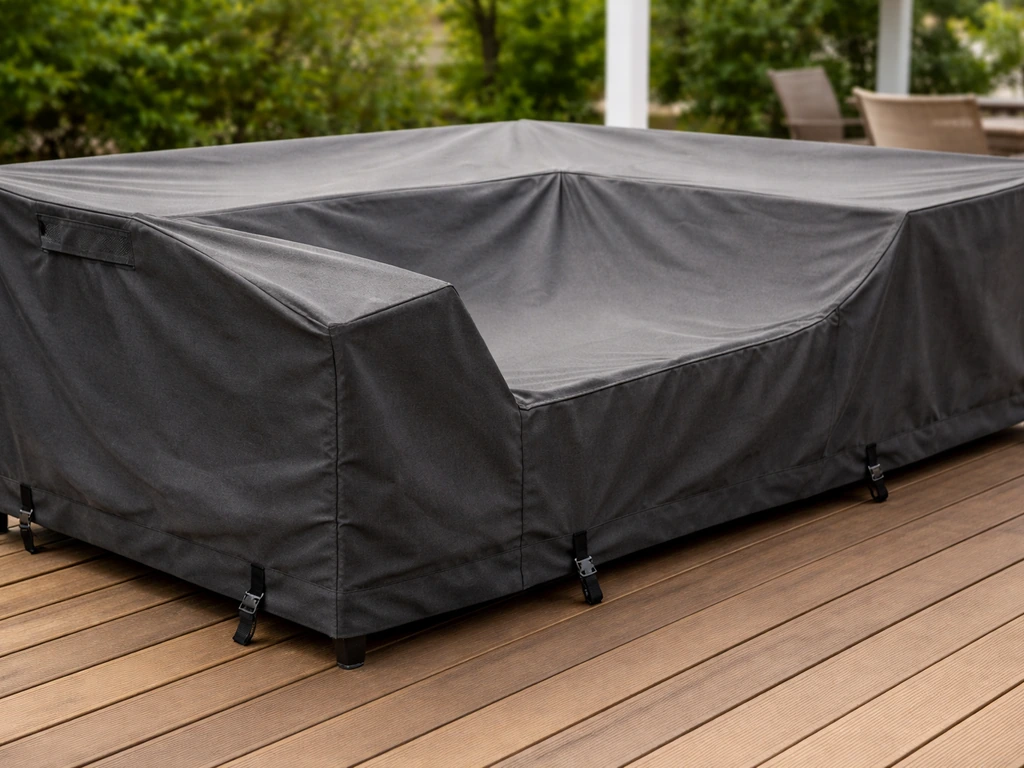
For standard rectangular dining sets or simple loveseats, a semi-custom cover usually works fine. For L-shaped sectionals, U-shaped modular sets, outdoor daybeds with attached canopies, or any furniture with unusual proportions, a truly made-to-measure cover is worth the extra cost. The reason is simple: a rectangular cover draped over an L-shaped sectional leaves a huge open pocket in the interior corner where rain collects and wind catches. A cover built to follow the L eliminates that problem entirely.
How to measure your furniture for a custom fit
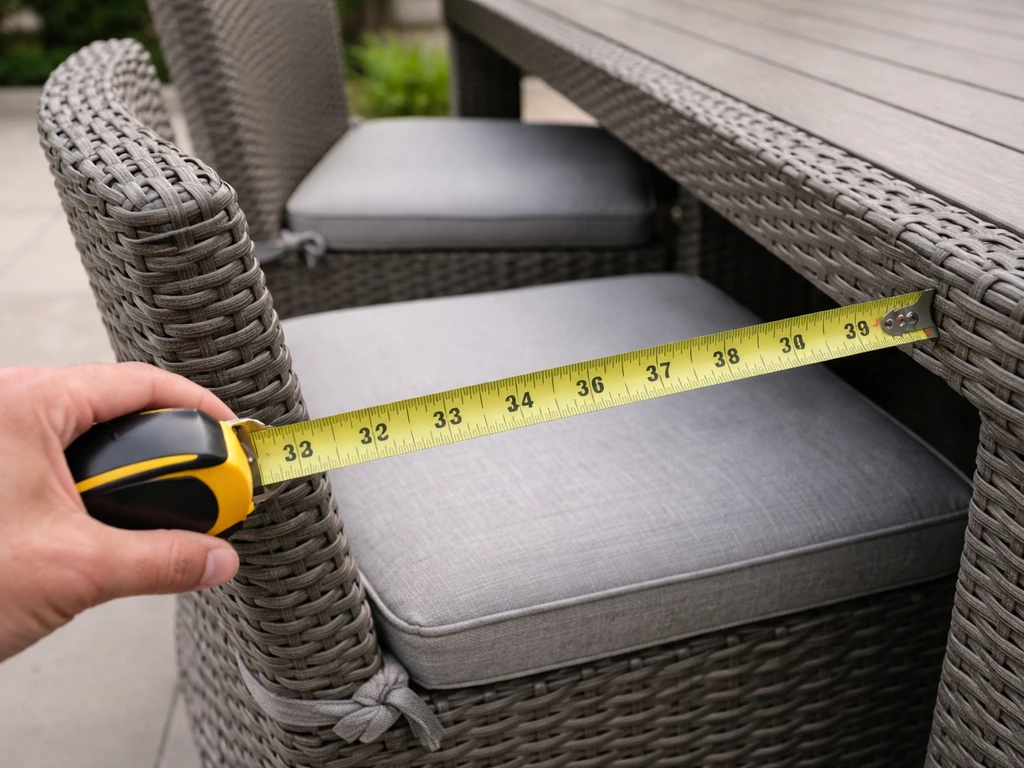
Measure your furniture as it sits on the patio, fully assembled, with cushions attached if you plan to leave them on. This is the single most common measurement mistake: people measure the frame without cushions and then wonder why the cover is two inches too shallow at the seat. Take three numbers for every piece: width (side to side at the widest point), depth (front to back at the deepest point), and height (ground to the tallest point, usually the back of the chair or sofa). Classic Accessories notes that height is technically optional for their semi-custom covers, but for made-to-measure orders, always include it.
For dining sets, measure the full grouping as assembled, not just the table. Chair backs extend beyond the tabletop edge, so your width and depth need to include the outermost chair positions. For a corner sectional, start your measurement at the top or bottom of the back if the furniture has any curve, and record both the long arm and short arm of the L separately. Coverstore's instructions for corner sectionals are particularly clear on this: the corner geometry changes the whole measurement envelope, and getting it wrong means exposed edges that flap in the wind and let water in.
- Width: measure side to side at the widest point, including armrests and any overhang
- Depth: measure front to back at the deepest point, including chair backs that extend beyond the table edge
- Height: measure ground to the tallest structural point, including cushions if they stay on
- For L/U sectionals: measure both arms separately plus the corner piece; note whether the corner is a right or left configuration
- For daybeds: record bottom width, seat depth, back height, and any canopy or frame extension
- Add 1 to 2 inches of leeway to each dimension so the cover slides on easily without pulling at seams
That 1-to-2-inch leeway is the standard Covers & All recommends for custom sectional covers, and it's a smart rule to apply across the board. A cover that's cut exactly to the millimeter will fight you every time you try to put it on, and it'll stress the seams under wind load. A cover that's 3 or more inches too loose in any direction will billow, collect water in pockets, and eventually pull off entirely.
Material options and what they actually protect against
Cover fabrics are not all the same, and the marketing language around 'waterproof' versus 'water-resistant' matters more than most buyers realize. Here's how the main materials stack up in practical terms.
Polyester with PU coating (the standard)
Most mid-range custom covers use 420D to 600D polyester with a polyurethane (PU) coating on the interior. This construction handles rain well, resists UV fading reasonably well, and is light enough to handle easily. Covers & All's Cover Rite fabric is a good example: 600 denier, solution-dyed 8 oz polyester with a PU coating. Solution-dyed means the color runs through the fiber rather than sitting on the surface, which dramatically improves UV fade resistance over time.
Heavy PVC-coated polyester (for harsh conditions)
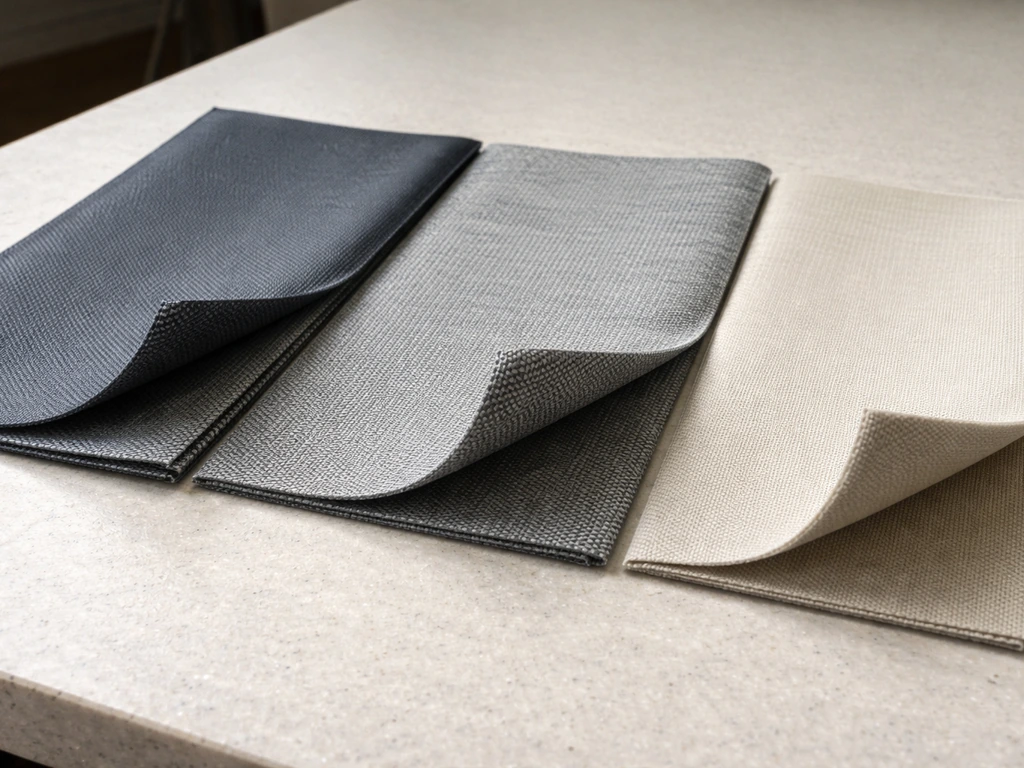
For climates with heavy rain, snow loads, or very high UV exposure, step up to a PVC-coated fabric. Covers & All's Cover Tuff is 1000-denier, 18 oz with a PVC coating, and it's genuinely waterproof rather than just water-resistant. The GOUUN 420D cover listing also claims a waterproof back coating and PU-sealed seams, supporting the idea that sealed, coated seams improve rain and wind durability [PVC coating, and it's genuinely waterproof rather than just water-resistant. ](https://www.
macys. com/shop/product/gouun-420d-heavy-duty-waterproof-rectangular-patio-furniture-cover-88-x-62-x-28-in? ID=26684975). The tradeoff is weight and breathability: PVC-coated covers are heavier and don't breathe well, so you need to be more disciplined about removing them periodically to let furniture air out.
Covers & All does note that even with this material, they can't guarantee protection from water pools that form on the cover surface, which is a real-world reminder that installation and cover tension matter.
Solution-dyed acrylic (premium, breathable)
Sunbrella and Outdura are the brand names most associated with solution-dyed acrylic fabric. These are the premium option: highly UV resistant, mildew resistant, and breathable enough to let condensation escape without becoming a mold trap. Carver by Covercraft backs Sunbrella covers with a 10-year limited warranty. The breathability is real but comes with a caveat: Covercraft explicitly states these fabrics are not waterproof and are designed to let moisture and condensation escape from underneath, not to block all water entry. In a heavy downpour, some water may get through. For most patios, that's an acceptable trade because trapped moisture is far more damaging over time than the occasional light wet-through.
| Material | Denier/Weight | Waterproof? | UV Resistance | Breathability | Best For |
|---|---|---|---|---|---|
| 420D–600D Polyester + PU coating | 6–8 oz | Water-resistant | Moderate (better if solution-dyed) | Low-moderate | Mild to moderate climates, seasonal use |
| 1000D Polyester + PVC coating | 18 oz | Waterproof | Good | Low | Harsh rain/snow climates, heavy-duty use |
| Solution-dyed acrylic (Sunbrella/Outdura) | ~260 g/m² | Not waterproof, breathable | Excellent | High | Year-round exposure, premium long-term protection |
| 600D Oxford polyester + PVC interior | ~600D | Waterproof (sealed seams) | Good | Low-moderate | Budget-to-mid covers for rain and wind |
Features that make or break a cover
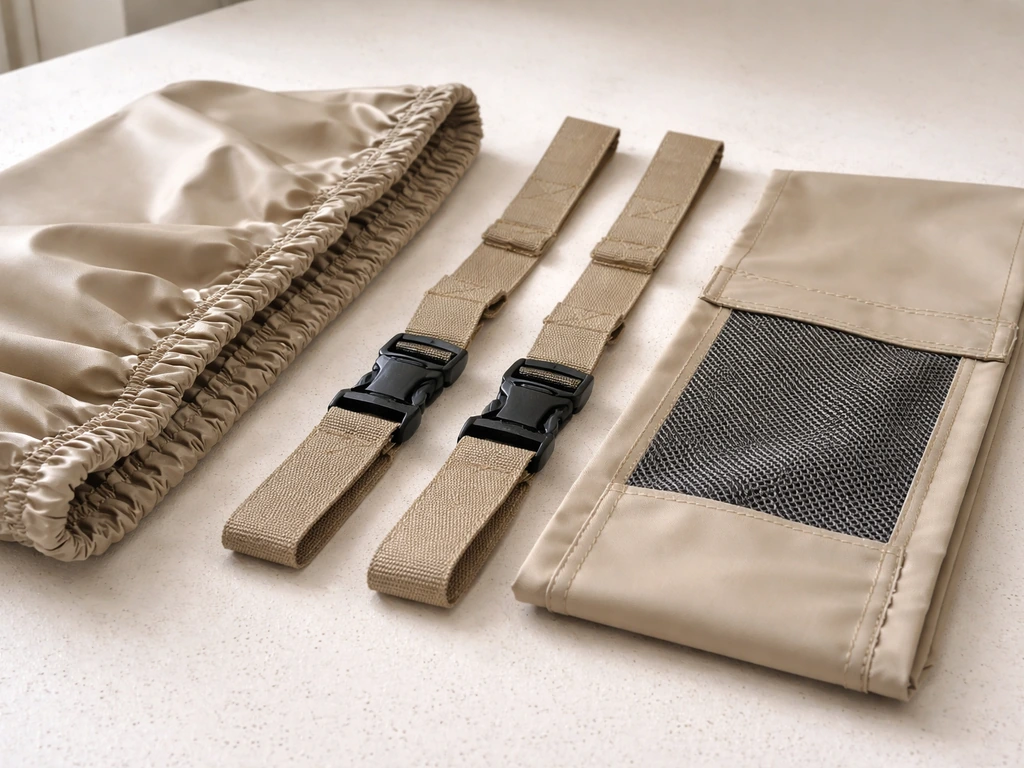
Material gets most of the attention, but the features built into the cover are what determine whether it actually stays on and keeps working season after season. Here's what to look for and why each one matters.
- Elastic hem or drawstring hem: holds the cover snug against the furniture base and prevents wind from getting underneath. Elastic hems are more convenient; drawstrings give a tighter, more adjustable seal.
- Tie-down straps or buckle straps: essential in any climate with regular wind. FrenchCovers notes that when a cover moves, water pooling becomes more likely, so straps directly reduce mold risk by keeping the cover stable.
- Air vents: at least one vent on the side or top allows condensation and heat to escape. Classic Accessories' Veranda line includes an air vent in its design, and it's one of the features worth paying for, especially if you live somewhere humid.
- Coated or taped seams: seams are the weakest point in any cover. Seam-sealing with waterproof tape (as used by brands like AKEfit and Aoodor in their 600D Oxford covers) keeps water from wicking through stitch holes.
- Reinforced corners: corners take the most stress, especially in wind. Reinforced corner gussets prevent tearing and extend cover life significantly.
- Zipper or Velcro access panels: useful if you want to access umbrella poles, furniture legs, or make spot checks without removing the whole cover.
- Handles: a small detail that makes a big difference in daily use, especially for heavy covers on large sectionals.
- Storage bag: a good cover comes with a bag for off-season storage. If it doesn't, buy one separately.
Choosing the right cover for your furniture layout
Different furniture setups require different cover strategies. A dining set isn't measured the same way as a sectional, and a daybed has nothing in common with a pair of lounge chairs. Here's how to think through the most common configurations.
Dining sets (table plus chairs)
Always measure the full grouping with chairs pushed in around the table. The chair backs are typically the tallest and widest point of the set, not the table itself. Wayfair's measuring guidance is explicit about this: the chair backs determine the fit, not the tabletop. A 4-person rectangular dining set typically needs a cover in the range of 80 to 100 inches wide and 60 to 80 inches deep, but measure yours rather than guessing from chair count.
Sectionals (L-shaped and U-shaped)
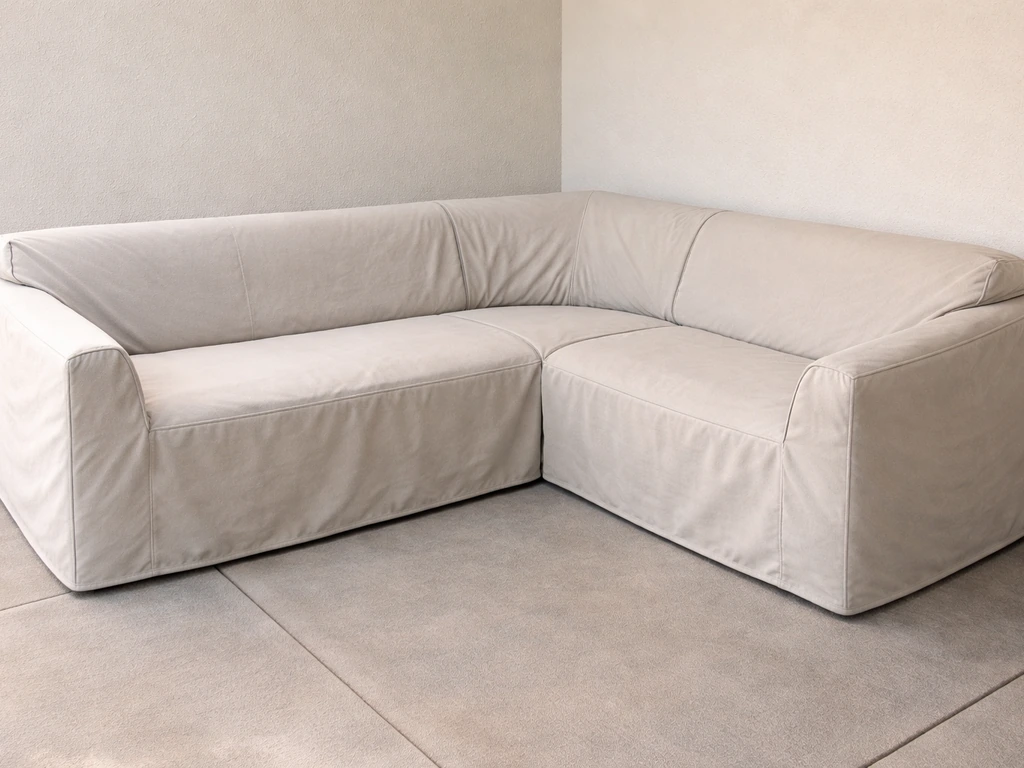
This is where generic covers fail completely. Using a rectangular cover on an L-shaped sectional leaves the open interior corner exposed and creates a wind-catching pocket that can actually push the cover off. Made-to-measure is not optional here. Record both arm lengths and depths, note the corner configuration (left or right), and order a cover built to follow the actual L or U shape. Coverstore's corner sectional measuring page walks through this geometry step by step and is worth bookmarking before you order.
Lounge chairs and chaises
Individual lounge chair covers are simpler to measure but easy to get wrong on height if the back reclines. Measure with the back at its most upright position. If you're covering a pair of chaises side by side, either get individual covers or measure the combined footprint and add your 1-to-2-inch leeway. Separate covers are more flexible if you regularly move the chairs around.
Outdoor daybeds
Daybeds have the most measurement points of any piece of outdoor furniture: bottom width, seat depth, back height, and any canopy or frame arm extension. Covers & All's daybed measuring graphic identifies multiple distinct measurement points, and you should follow it precisely. A cover that misses the canopy frame will leave it exposed to UV and rain, which is exactly the part most likely to fade or rust.
Mixed groupings and loveseats
If your patio has a loveseat plus two side chairs plus a coffee table that you want covered as a group, measure the entire arrangement as one footprint. That means the outermost points in every direction. A single large general-purpose cover often works here, but a made-to-measure cover built for that exact grouping will fit tighter and stay put better.
Sizing, thickness, and weight based on your climate
Fabric weight is one of the most practical ways to match a cover to your climate, and it's almost never explained clearly. Here's a straightforward translation: fabric weight in ounces per square yard (or grams per square meter) tells you how thick and heavy the material is. Heavier fabric holds up better under wind, snow load, and repeated UV exposure. Lighter fabric is easier to handle and costs less, but it degrades faster in harsh conditions.
- 6–8 oz (250–300 GSM): suitable for mild climates with light seasonal rain and moderate UV. Works well in the Pacific Northwest for spring/summer storage, or anywhere with predictable, mild weather.
- 10–14 oz (350–450 GSM): the mid-range sweet spot for most of the continental US. Handles regular rain, moderate wind, and moderate UV without being so heavy it's a hassle to put on and take off.
- 18 oz+ (PVC-coated, 1000D): built for serious conditions. Use this weight range if you get heavy snow loads on the cover, live somewhere with high wind events, or leave covers on year-round in a hot and sunny climate like Arizona or Florida.
- Solution-dyed acrylic (Sunbrella): not rated by weight in the same way, but at roughly 260 g/m² it performs above its weight class because the material's UV and mildew resistance is inherent to the fiber, not just a coating.
For climates with heavy snow, make sure covers have a design that sheds snow rather than pooling it. A pitched or domed top (like Duck Cover's Duck Dome system) helps prevent the flat-top pooling problem. For high-UV climates, prioritize solution-dyed fabric or at least a cover labeled with ISO colorfastness testing results. Sunbrella fabric, for example, is tested to ISO 105 B04 and B02 standards with 1,000 hours of outdoor UV exposure, which translates to real multi-season fade resistance.
How to install, maintain, and store your covers
Installation
Make sure furniture is clean and completely dry before covering. Classic Accessories is consistent about this: covering damp furniture is a direct path to mildew, regardless of how good the cover's venting is. Remove seat cushions if possible and store them separately. If you're leaving cushions on, account for their thickness in your height measurement when ordering. Drape the cover over the center of the furniture first, then work toward the edges. Secure elastic hems at the base, tighten any drawstrings, and buckle or tie all straps. Check that vents are not blocked or pressed against the furniture surface, as they need airflow to function.
MightyCovers' custom quote form lets you adjust the cover hem height off the ground, which is a useful option if you want to encourage airflow underneath during humid conditions. Raising the hem a few inches creates a gap that lets air circulate, which significantly reduces condensation buildup under the cover.
Regular maintenance
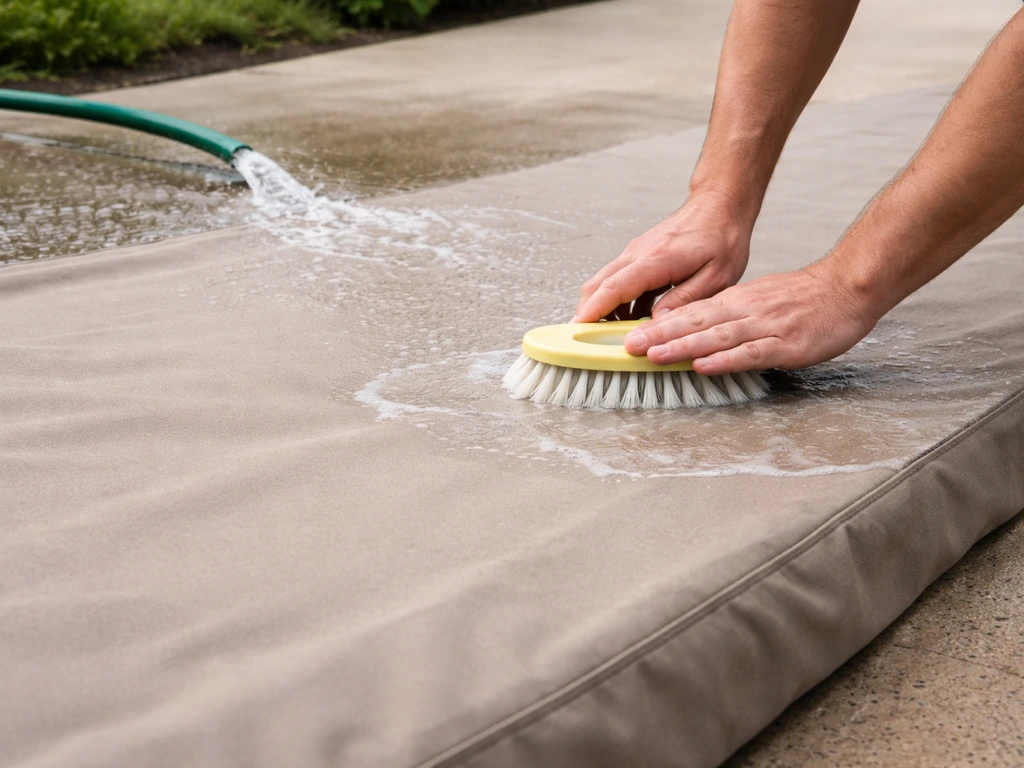
Clean covers two to three times per season. Lay the cover flat on a clean surface, rinse with a hose, then scrub with a soft brush and warm water. For heavier buildup, white vinegar diluted with water works well without degrading the coating, which is Classic Accessories' own recommendation for their covers. Never put a patio cover in a dryer: heat will damage the waterproof coating and can shrink the fabric. Always air dry completely before re-installing or storing.
After rain or snow, check that water isn't pooling on top of the cover. Pooling adds weight, stresses seams, and eventually pushes through even good coatings. Covers & All acknowledges this limitation explicitly: even their heavy-duty Cover Tuff fabric can't guarantee protection from standing water that pools on the surface. A cover with a taut fit and secure straps will naturally shed water better than a loose one.
Off-season storage
At the end of the outdoor season, clean and dry the cover completely before putting it away. Coverstore's guidance on this is clear: the cover must be completely dry before going into its storage bag. Packing even a slightly damp cover into a bag creates a perfect mold environment. Store in a cool, dry place, such as a deck box, garage, or shed. Avoid storing near heat sources or in direct sunlight, which can degrade the coating over the off-season. Classic Accessories specifically recommends a clean, dry deck box or garage as the ideal storage location.
Best custom patio furniture covers by use case
Rather than ranking covers by brand popularity, here's how to match the cover type to your actual situation. If you want to compare broader rated options across the market, this pairs well with guides that cover the best rated patio furniture covers and best outdoor patio furniture covers more generally.
If you want to compare broader rated options across the market, this pairs well with guides that cover the best rated patio furniture covers and best outdoor patio furniture covers more generally. If you want a quick shortlist, start with backyard basics patio furniture covers that match your furniture shape and your local weather.
If you specifically want the best covers for patio furniture that are custom-fit to your layout, start with the sections below by use case best rated patio furniture covers. If you still want a quick shortlist, check the best rated patio furniture covers for options that match your climate and coverage needs.
Best for most homeowners: mid-range made-to-measure
Covers & All's custom covers using Cover Rite fabric (600D, solution-dyed, PU-coated, 8 oz) hit the right balance for most people in most climates. They're genuinely custom to your dimensions, solution-dyed for real UV resistance, and light enough to handle without needing two people. Order with the 1-to-2-inch leeway, request coated seams, and add the strap option. For a standard 6-person dining set or a simple sofa and coffee table grouping, this is the category to start in. If you’re shopping in Canada, look for covers sized for your exact setup and choose the right fabric weight and coating for your local snow, wind, and UV best patio furniture covers.
Best for harsh climates and year-round exposure: heavy-duty PVC-coated
If you're in a climate with heavy snow, sustained high winds, or intense UV (think coastal regions, mountain areas, or the deep south), step up to Cover Tuff-style fabric: 1000D, 18 oz, PVC-coated. Products from Covers & All at this tier, or the 600D Oxford fabric covers from brands like Aoodor (which uses double-stitched, waterproof-tape-reinforced seams), give you the construction to handle real punishment. Expect to pay more and handle more weight, but these covers can last multiple seasons in conditions that would destroy a lighter cover in one.
Best premium option: solution-dyed acrylic for long-term outdoor use
For furniture that stays outside year-round and needs maximum UV and mildew resistance, Sunbrella or Outdura-based custom covers are the clear choice. Covercraft and Carver by Covercraft both offer custom covers in these fabrics backed by up to 10-year warranties. Yes, they're more expensive and they're not fully waterproof, but for long-term outdoor exposure in a moderately wet climate, their breathability is an asset: condensation escapes instead of building up under the cover and rotting cushion foam or rusting frames.
Best budget option: semi-custom general purpose covers
If you have a standard rectangular furniture set and a mild climate, a semi-custom cover from Classic Accessories (Veranda line, Gardelle woven polyester with water-resistant undercoating) is a solid, widely available choice at a lower price point. These aren't made to your exact measurements, but if your furniture fits within their size brackets and you use the straps and elastic hems properly, they perform well for seasonal storage. Just be realistic: for anything irregular in shape, or for climates with serious weather, the semi-custom approach will frustrate you eventually.
Your next steps
Start by measuring your furniture today with a tape measure: width, depth, and height, with cushions in place if they're staying on. Write the numbers down. If you have a sectional or anything L-shaped, measure both arms and record the corner configuration. Then match your climate to the fabric weight tier that fits (8 oz for mild, 18 oz for harsh, Sunbrella for year-round premium), add your must-have features (straps, vents, coated seams), and order from a made-to-measure supplier.
If you have patio furniture covers on a king do way layout, measure your piece carefully and choose a made-to-measure cover that matches its exact footprint and shape king do way patio furniture covers. Custom covers cost a bit more upfront, but a well-fitted cover that actually stays on and breathes correctly will outlast three ill-fitting bargain covers every time.
FAQ
Can I leave a cover on all the time, or do I still need to remove it occasionally?
Most custom covers aren’t truly airtight, vents help but they do not replace correct ventilation strategy. If you have a humid climate or you plan to leave cushions on, consider raising the hem off the ground or using a model that lets you adjust the hem height, so air can circulate underneath and condensation has a place to escape.
If my custom cover is described as waterproof, do I still risk mildew underneath?
Yes, but “waterproof” claims are not all equal. If you choose PU or PVC-coated polyester, still expect some condensation underneath. That means you should plan to remove the cover after major storms to check for pooled water, and let the furniture air out so mildew and rust risk stays low.
What should I do if my furniture has rounded arms or decorative trim and the cover seems to fit loosely?
Measure width and depth at the widest and deepest points, but also verify diagonal and overhang areas for pieces with rounded arms or decorative trim. If your furniture has finials, slats, or fabric-covered arms, those can raise the true maximum footprint beyond the frame measurements.
Should I buy the same cover fabric for summer storage versus year-round protection?
For storage-only periods, you can use a lighter fabric tier if the furniture is completely dry and protected from extreme weather. For year-round outdoor use, prioritize UV stability and structural weight (solution-dyed acrylic or heavier denier polyester, or PVC in severe snow and wind).
Do cushion covers change the fit, even if I measured with the cushions on?
Cushion thickness changes height fit, but it also changes how the cover tension sits over the seat area. If you plan to cover with cushions on, measure while fully assembled and make sure the height you enter includes that cushion stack, otherwise straps and hems end up pulling at an angle and can loosen faster in wind.
What seam details matter most to prevent leaks?
If the cover comes with coated seams, confirm they are actually seam-sealed or have waterproof tape at stress points. Even small unsealed seams can allow water ingress during repeated wet-dry cycles, and that’s where covers fail first (near zippers, corners, and hem transitions).
When I cover several pieces together, how do I avoid missing overhangs like table legs?
For patio furniture with multiple pieces (like a loveseat, chairs, and a coffee table), measure the outermost points as one footprint, but also check that your cover includes enough depth for the coffee table legs and any protruding handles. If the cover is too shallow, water can wick along exposed bases and drip onto the furniture.
Is it okay to put a patio furniture cover in the dryer to speed things up?
Don’t. Drying with high heat can damage waterproof coatings, promote shrinkage, and reduce fabric life. Air-dry the cover fully, then only store it when it is cool, dry, and odor-free.
How can I tell if my custom cover’s straps and vents are set up correctly?
Yes. A good check is to inspect the cover after the first windy rain, tug at the hem line, and look for stress whitening or loosened strap positions. If you notice any corner gaps or the cover billowing during gusts, tighten straps and re-secure elastic hems before the problem worsens.
What’s the best way to handle snow load with a custom cover?
For snow, flat-top pooling is the enemy. A pitched or domed cover design reduces standing meltwater, and heavier fabric helps the cover resist sagging. If you expect frequent freeze-thaw, plan for periodic removal of thick snow loads to prevent weight from overstressing seams.
Do custom patio furniture covers hold up better with pets using the patio?
If you have pets, verify your cover has abrasion-resistant fabric in the likely contact zones (corners, arm edges). Also, check that straps are secure but not loose enough for claws to catch, since stretched fabric and pulled hems accelerate failure.
When should I choose made-to-measure instead of semi-custom, even if the size bracket looks close?
For shaped furniture (L-shaped sectionals, U-shaped modular sets, daybeds with canopy frames), choose made-to-measure over semi-custom. Even if the overall size bracket seems close, small geometry differences create interior pockets that collect water and create wind-catching gaps.
Next Articles
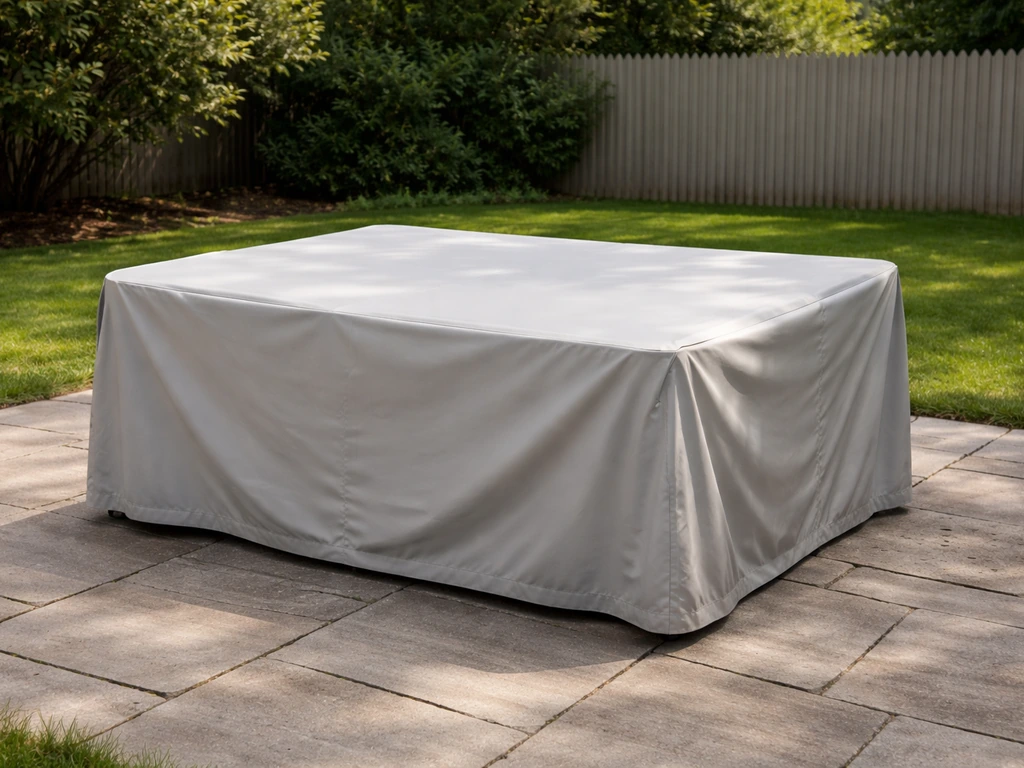
Backyard Basics Patio Furniture Covers: Fit, Material, Wind
Measure, choose materials, and add wind control for patio furniture covers that protect against rain, sun, mildew.
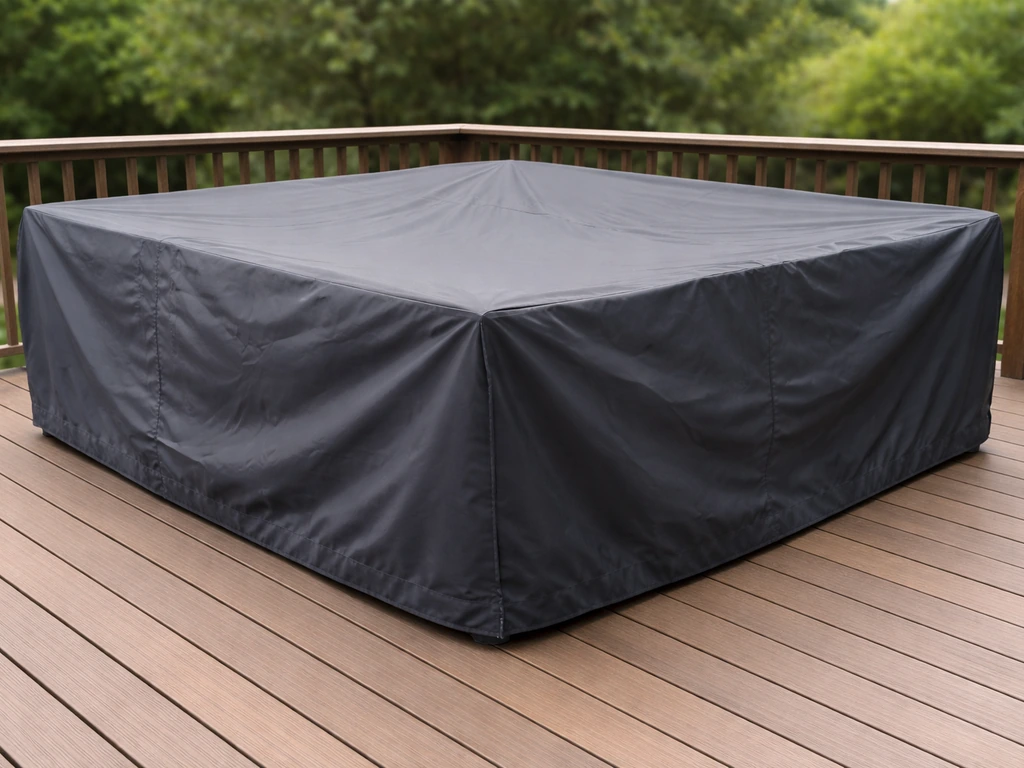
Best Outdoor Patio Furniture Covers: Buy Guide and Sizes
Choose the best outdoor patio furniture covers: materials, climate features, and exact sizing for sets, chairs, and tabl
Best Covers for Patio Furniture: Buying Guide and Sizing Tips
Choose the best patio furniture covers with proper sizing, waterproof vs breathable types, wind security, UV and care ti