
The right backyard patio furniture cover is one that fits snugly without being drum-tight, uses a breathable or vented fabric so it doesn't trap moisture against your cushions, and has at least elastic hems or tie-down straps to stay put when the wind picks up. Get those three things right and your furniture will come out of winter or a summer storm looking almost new. Get them wrong and you're dealing with mildew, warped frames, and a cover blown into your neighbor's yard.
Backyard Basics Patio Furniture Covers: Fit, Material, Wind

Lark Perry
20 May 2026
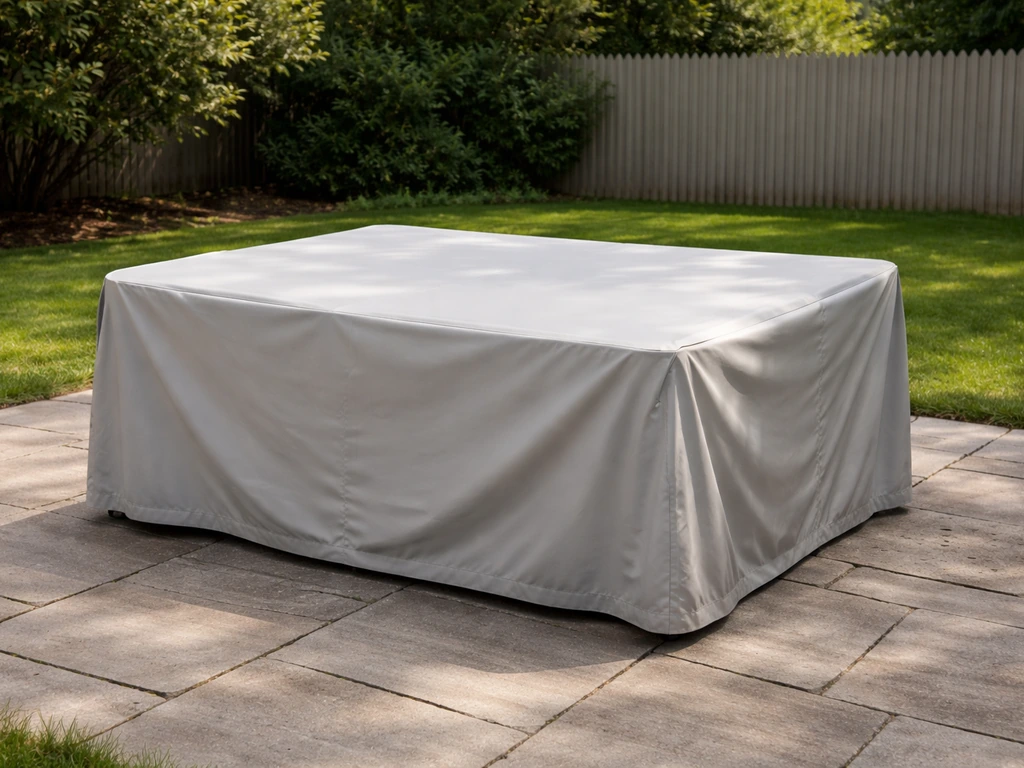
How to choose the right size and fit for your patio furniture cover
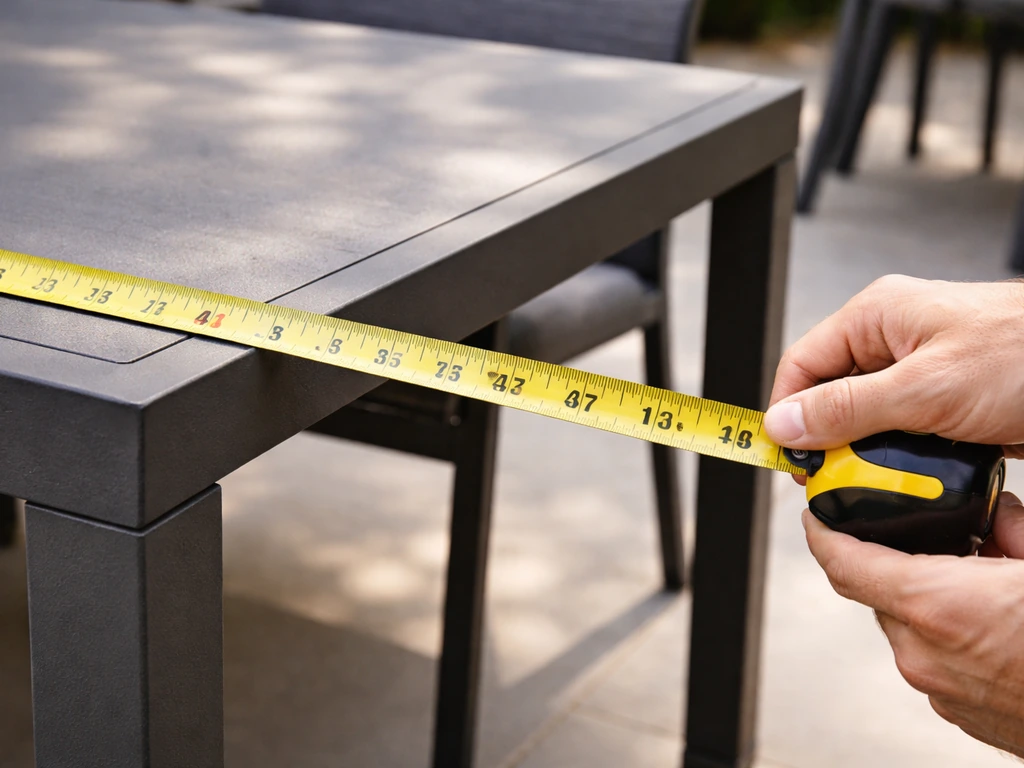
Sizing is where most people go wrong first, usually by eyeballing it or picking whatever the retailer labels as 'large.' Every cover brand sizes differently, so measuring your actual furniture is non-negotiable. Measure with everything arranged the way it normally sits on the patio, because that's the footprint the cover needs to wrap.
For a table-and-chair set or any furniture grouping cover, measure the width (right-to-left across the whole grouping) and the depth (front-to-back). For individual chairs, arrange them in their normal position before you measure. Classic Accessories, for example, doesn't require a height measurement for their general-purpose grouping covers, while brands like PatioLiving and Backyard City do want a height measurement blank" rel="noopener noreferrer">from tabletop to ground when you're sizing individual pieces. If you're ordering a custom cover, expect to also measure arm height and any unusual protrusions like armrests or an extended chaise back. For many homeowners, the best custom patio furniture covers are the ones that let you match both measurements and coverage details like arm height and unusual shapes.
Chaise lounges need to be measured with the back in a lounging (reclined) position, not upright, or your cover will be too short to protect the whole piece. KoverRoos recommends matching cover width to your measured width or going slightly larger, with a skirt that drops 2 to 6 inches short of the ground to allow airflow and prevent pooling water from wicking back up.
A good rule of thumb for drop length on most covers: aim for enough overhang to protect the furniture's legs and lower frame, but not so much that the cover puddles on the ground. Around 8 to 10 inches of drop from the seat or table edge is a reasonable target for most standard pieces. When in doubt, go one size up rather than one size down. A slightly generous cover with cinched straps performs far better than one stretched so tight it's pulling at the seams.
Cover materials and waterproofing: poly vs PVC vs breathable options
There are three main material categories you'll run into, and they're not interchangeable. Understanding the tradeoffs will save you from replacing a moldy cover after the first winter. If you want a dependable option for heavy weather, look for king do way patio furniture covers that are sized correctly and secured for wind.
Polyester with a water-resistant coating
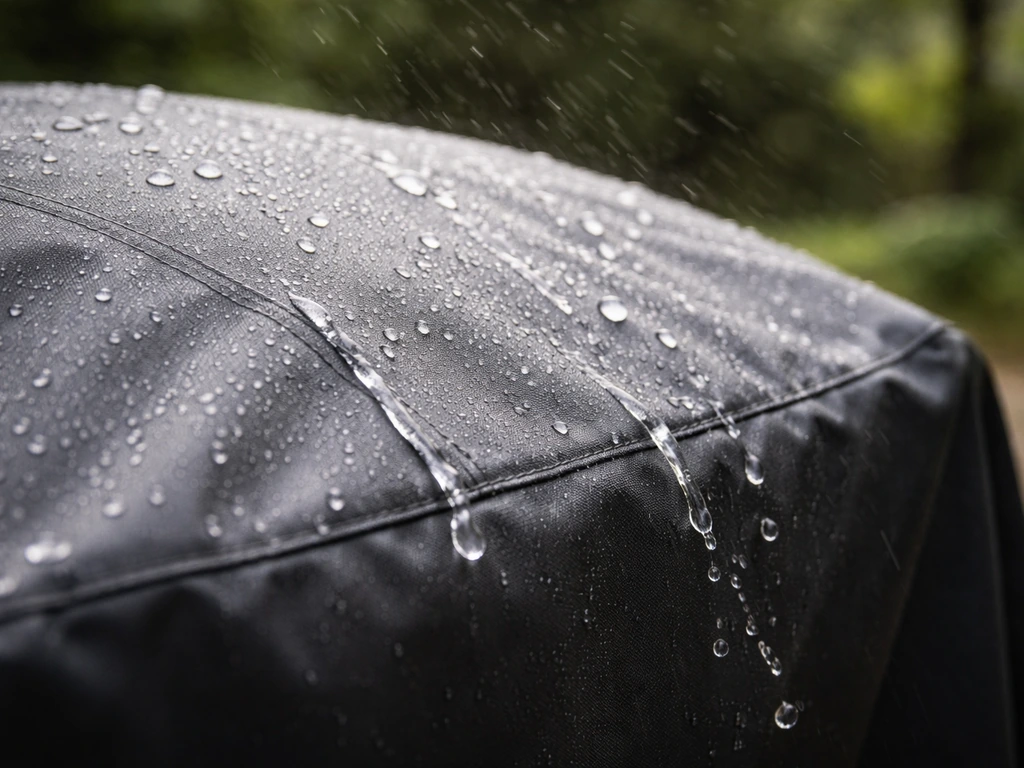
This is the most common material in the mid-range market. It's lightweight, relatively affordable, and holds up fine through most rain. The important word here is water-resistant, not waterproof. Coverstore is upfront about this: most patio furniture covers are designed to be water-resistant, and if water pools on top of the cover long enough, it will eventually push through. The coating also degrades over time, especially if you use harsh detergents that strip the water-repellent treatment.
PVC and fully waterproof covers
PVC-lined covers offer the best rain and snow protection on paper, and brands like Budge market their covers as '100% waterproof' with UV resistance. The catch is breathability: PVC doesn't breathe. Under temperature swings, condensation forms on the inside of the cover, and that trapped moisture is exactly what grows mildew on your cushions and wicker frames. Some manufacturers address this by adding air vents to otherwise PVC-lined covers, which helps but doesn't fully solve the problem. If you go with a PVC cover, plan to lift it periodically on dry days so moisture can escape.
Breathable fabrics (microporous and treated wovens)
Breathable covers use a microporous film or special weave that blocks liquid water from getting in while allowing water vapor to pass through and escape. KoverRoos' higher-end covers, for example, use a microporous film specifically for this reason. WeatherMAX 80 fabric is marketed as highly breathable with high water resistance, and Restoration Hardware's covers are described as breathable, highly water-resistant, and resistant to mold, mildew, tearing, and fading.
The real-world benefit is that moisture your furniture or cushions have already absorbed can vent out rather than being trapped and concentrated. Breathable covers are almost always the smarter long-term choice for anyone leaving covers on for extended periods, particularly through a humid summer or snowy winter. If you want the best patio furniture covers in Canada, breathable designs like microporous fabrics help your cushions and frames stay cleaner by letting trapped moisture escape.
| Material Type | Waterproof? | Breathable? | Mildew Risk | Best For |
|---|---|---|---|---|
| Polyester (coated) | Water-resistant only | Partially | Moderate if pooling occurs | Mild climates, seasonal use |
| PVC-lined | Yes, fully waterproof | No (unless vented) | High if sealed tight | Heavy rain/snow, short-term use |
| Breathable microporous/woven | Water-resistant to high | Yes | Low | Year-round use, humid climates |
If you're in a humid climate or you plan to leave covers on for weeks at a time, go with a breathable option. If you're only covering furniture during an approaching storm and pulling the cover off the next day, a good water-resistant polyester cover is fine and costs less. The risk with non-breathable covers isn't rain coming in, it's the moisture that's already under the cover having nowhere to go.
Weather protection details: wind straps, tie-downs, and seam design
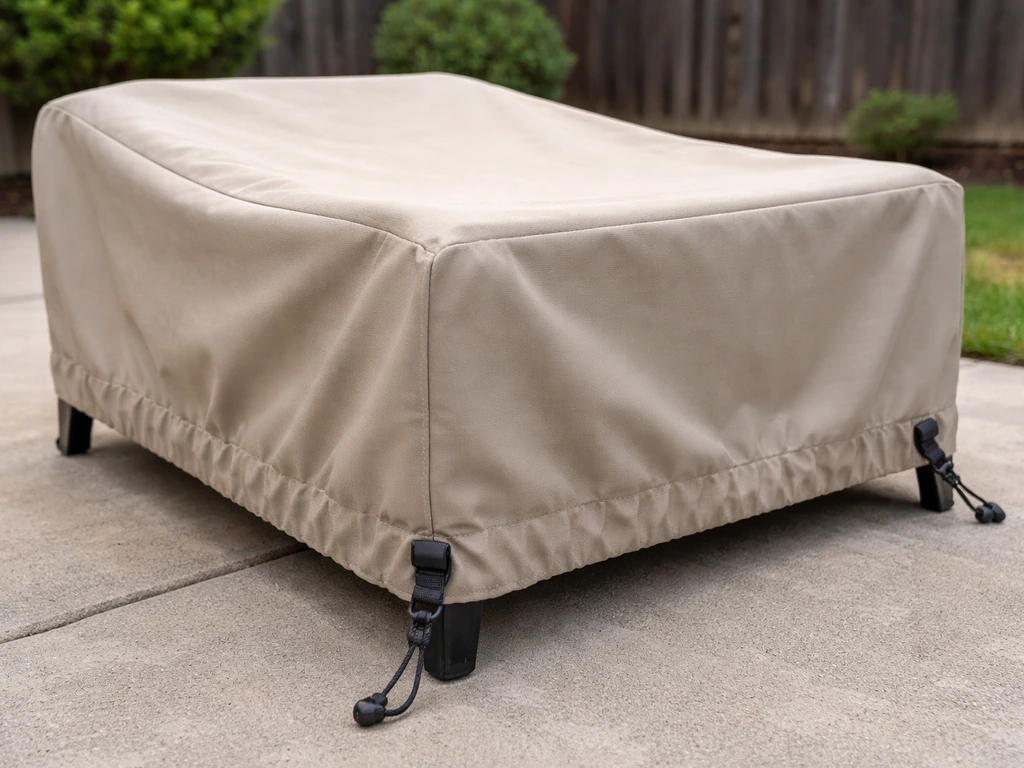
A cover that blows off in the first windstorm isn't protecting anything. Wind-control features are worth checking before you buy, especially if your backyard gets any real exposure.
- Elastic hem: The minimum standard. An elasticized bottom hem pulls snug around the base of your furniture. It's effective in light to moderate wind but can still blow off in strong gusts.
- Drawstring: A drawstring along the hem lets you cinch the cover underneath furniture legs or around the base, giving much better wind resistance than elastic alone.
- Tie-down straps and buckles: Straps that wrap under the furniture frame and clip or buckle together are the most secure option. Gloster, for example, includes strap-and-clip connectors or ties on their covers specifically for wind security.
- Grommet and cord systems: Some covers include grommets along the hem that let you thread a cord or bungee through and tie it to the furniture frame or patio anchors.
- Weighted hem pockets: A less common but effective design that adds small weights to the cover's corners to resist lifting.
Seam construction matters too, especially for waterproof or high-rainfall use. Look for covers with taped or welded seams rather than just stitched ones. Stitched seams create small needle holes that water will eventually find, particularly once the fabric's coating starts to wear. Taped seams seal those holes and significantly extend waterproof performance.
For very windy backyards, the combination of a drawstring hem plus cross-body straps is the most reliable setup you can get in a standard off-the-shelf cover. Custom covers from brands like Coverini or Backyard City can be built with all of these features specifically sized to your furniture's frame, which removes the compromise that comes with standard sizing.
Setup and use: best practices for putting covers on (and taking them off)
How you put a cover on matters almost as much as which cover you buy. A few habits make a real difference in how long your furniture and your cover both last.
- Always let furniture dry before covering. If it rained and you're covering the furniture an hour later while the cushions are still damp, you're creating a sealed humid environment. Either wait for things to dry out or remove cushions and store them somewhere with airflow.
- Stack chairs seat-to-seat when possible. This reduces the overall height and lets a single cover fit more tightly over a grouped set instead of being stretched unevenly.
- Center the cover before pulling it down. Drop it on top rather than dragging it across frames and edges, which wears out the fabric and can scratch furniture finishes.
- Secure straps and cinch drawstrings immediately after placing the cover, not as an afterthought. Wind can catch an unsecured cover and tear it off or stress the fabric before you even realize it.
- When removing a cover, lift from the center first to break any suction or moisture seal, then fold it away from the furniture to avoid dragging wet or dirty fabric across cushions.
- Store the cover dry. Never fold up a wet or damp cover and stuff it in a storage box. This is one of the fastest ways to grow mildew on the cover fabric itself.
For large sectional covers, having a second person helps enormously. Trying to wrangle a 120-inch cover over a sectional solo usually means dragging it across something or getting it lopsided, which stresses the hem and seams.
Maintenance and storage: cleaning, drying, and when to replace
Covers need basic maintenance to last as long as their warranty suggests. And the warranty window is a useful benchmark: budget covers like Budge's All-Seasons line come with a 1-year warranty, while mid-range covers from Classic Accessories offer 3-year warranties, and premium breathable covers like KoverRoos III also carry a 3-year limited warranty. Those windows roughly reflect what you can realistically expect with normal use.
Cleaning
Stick to mild soap and water, applied with a soft cloth or sponge. Rinse thoroughly with fresh water afterward and wipe dry. Avoid abrasive scrubbers, bleach-based cleaners, or anything with harsh solvents. The reason this matters beyond just fabric wear: detergent residue left in the fabric can break down water-repellent coatings. If you rinse incompletely, the detergent itself undermines the very feature you're trying to preserve. Classic Accessories explicitly voids warranties on machine-washed covers, so hand or spot cleaning is the only safe approach for most brands.
Drying and seasonal storage
After cleaning, hang or drape the cover somewhere with good airflow until it's completely dry before folding or storing. At the end of the season, store covers dry in a breathable bag or bin, not in a sealed plastic bag that traps any residual humidity. Duck Covers' care instructions specifically state to always store covers dry, and Lowe's care guidance echoes this for their outdoor furniture cover line.
When to replace
Replace a cover when you notice any of these: seam splitting or tearing, visible fabric thinning or cracking (especially on coated or PVC surfaces), the cover no longer repelling water (it soaks through rather than beading off), or persistent mold and mildew that won't wash out. Fading alone doesn't always mean the cover has failed, but severe UV fade often signals the UV-resistant treatment is gone, which means the fabric itself is degrading faster. At that point, replacement is smarter than hoping it holds through another season.
Common cover mistakes to avoid (and how to fix them)
Most cover failures trace back to one of a handful of predictable mistakes. Here's what to watch for:
- Buying the wrong size: Too small and you're straining seams and leaving furniture exposed at the base. Too large and the cover flaps in the wind, puddles water, and offers a fraction of the wind resistance it should. Fix: Always measure first, in the arrangement the furniture actually sits in.
- Covering wet or damp furniture: This is the single fastest way to grow mildew on your cushions and on the cover itself. Even a few hours of trapped humidity under a non-breathable cover can start the process. Fix: Wait for furniture to fully dry, or remove cushions and store them indoors.
- Using a non-breathable cover for long-term storage: A fully waterproof PVC cover sealed over furniture for three months through winter traps condensation every time the temperature drops. Fix: Either choose a breathable cover for long-term use, or lift the cover on dry days to vent moisture.
- Skipping wind-securing steps: The cover goes on, looks fine, and two days later it's wrapped around a fence post. Fix: Always cinch the drawstring or clip the straps, even if it seems calm when you put it on.
- Letting water pool on top: A pool of standing water on a cover creates pressure that eventually pushes through even water-resistant fabric at seams or coating weak spots. Fix: Prop the center of the cover slightly higher than the edges using a foam pool noodle or a ball under the fabric so water runs off.
- Washing with harsh cleaners: Bleach and solvent-based cleaners destroy the water-repellent coating faster than normal weathering would. Fix: Use mild soap, rinse completely, and air dry.
- Storing covers while still damp: Folding up a cover that feels 'mostly dry' and storing it for six months is a reliable way to open a mildew bomb in spring. Fix: Fully air dry before storage, every time.
One more worth mentioning: covering furniture too tightly. If you've stretched a slightly undersized cover over a set and it's pulling at every corner, that constant tension degrades seams and hems far faster than a properly sized cover would. A cover that fits well should drape with a little ease, not look like it's holding its breath.
Getting all of this right comes down to a simple checklist: measure before you buy, choose breathable materials for anything staying covered longer than a few days, secure the cover against wind every single time, and keep moisture out of the equation at every step. Do those things and a good cover will genuinely protect your furniture through years of seasons, not just one.
If you're comparing specific product options, there's a lot of useful overlap with what's covered in guides focused on the best rated patio furniture covers and best custom patio furniture covers, where individual brand performance and sizing accuracy get tested in more detail. If you want the quickest way to narrow down the best covers for patio furniture, focus on proper fit, breathable protection, and reliable wind control.
If you want a short list, start by comparing customer reviews and ratings for the best rated patio furniture covers that match your shape, size, and climate needs best rated patio furniture covers with customer reviews and ratings (short list).
FAQ
How often should I lift a cover to let moisture escape, especially if it is “breathable”?
If the cover has vents or a breathable material, you still want to periodically lift or check it during sunny, dry windows. A quick rule is to inspect after any long humid stretch, then leave the cover off for 1 to 2 hours (or lift it at the highest point) if you notice dampness or condensation inside.
What is safer to buy, a cover that’s slightly small or one that’s slightly large?
A slightly undersized cover is riskier than a slightly oversized one. Even if it looks snug at first, stretched fabric increases seam and hem stress, and it can create stress points where water wicks in. If you are between sizes, choose the larger option and rely on tie-downs or elastic hems to prevent ballooning.
Why does my patio furniture cover keep getting wet on the bottom even when the cover seems waterproof?
Look for features that prevent water wicking: a skirt that drops close enough to cover the lower frame, and a design that does not puddle at the edges. If water pools because the cover is too short or too tight, you can end up with moisture trapped at the legs even if the top stays fairly dry.
Do I need a different cover if I leave cushions on the furniture?
For cushions, prioritize covers that either include cushion straps or have a shape that matches the cushion stack. If your cover is only sized for the frame and you leave cushions loosely under it, gaps let rain and humid air in, and the pockets of trapped moisture are where mildew starts.
What measurements besides width and depth are most important for chairs with wide arms or unusual shapes?
Take two extra measurements for accuracy: the widest point of any arms, and the height of the tallest element in the normal covered position (including any folded-back or extended parts). Custom covers handle this best, but even with standard covers, those measurements help you avoid covers that fit width-wise and fail on height.
How tight should tie-down straps be on backyard patio furniture covers?
Tie-down straps should be attached so they do not pull fabric flat over sharp corners. Use a loop-and-tension approach, snug enough to prevent flapping, but not tight enough to stretch the hem. If the cover is under constant tension, seam failure tends to happen earlier.
When should I patch or repair a cover versus replacing it?
If you see needle-hole leaks, stretched seams, or water soaking through after rain, stop treating it as a “maintenance issue.” At that point, replacing the cover is usually cheaper than trying to patch, because coating wear and seam failure are often spreading beyond the visible damage.
Why does my cover smell musty after I store it for the season?
Storing a cover dry matters, but also avoid folding it while any odor of moisture is present. Use airflow to finish drying fully, then store in a breathable container, a ventilated bag, or a bin with airflow. Sealed plastic storage can re-trap humidity and lead to the same mildew you tried to avoid.
What cleaners should I avoid for water-resistant or breathable patio furniture covers?
A common mistake is cleaning with bleach or strong degreasers, which can strip the water-repellent coating. Stick to mild soap and water, rinse thoroughly, and let it dry completely. If the cover uses a coating or microporous film, harsher cleaners can reduce performance even if the fabric looks unchanged.
Do I measure chaise lounges differently depending on whether they are reclined or upright?
Measure and confirm in the exact posture you expect during coverage. For chaise lounges, measure with the back reclined. If you cover while the chaise is upright and then recline later, the cover can become too short at one end and leave the lower frame exposed.
Next Articles
Best Outdoor Patio Furniture Covers: Buy Guide and Sizes
Choose the best outdoor patio furniture covers: materials, climate features, and exact sizing for sets, chairs, and tabl
Best Covers for Patio Furniture: Buying Guide and Sizing Tips
Choose the best patio furniture covers with proper sizing, waterproof vs breathable types, wind security, UV and care ti
Best Rated Patio Furniture Covers: Buying Guide and Tips
Choose best rated patio furniture covers with fit, materials, waterproofing, UV and wind features, plus measuring and ca