
The best patio furniture covers balance a snug, wind-resistant fit with breathable construction that sheds water without trapping condensation underneath. For most people, that means an all-weather polyester cover with air vents, reinforced seams, and adjustable straps, sized to your exact furniture footprint. A fully waterproof cover sounds appealing but actually creates a hidden mold and rust problem. A breathable or mesh cover alone won't cut it in heavy rain. The sweet spot is somewhere in between, and the sections below walk you through exactly how to find it for your specific setup. If you want a quick starting point, look for the best patio furniture covers Canada recommendations that match your climate and furniture size.
Best Covers for Patio Furniture: Buying Guide and Sizing Tips

Lark Perry
1 May 2026
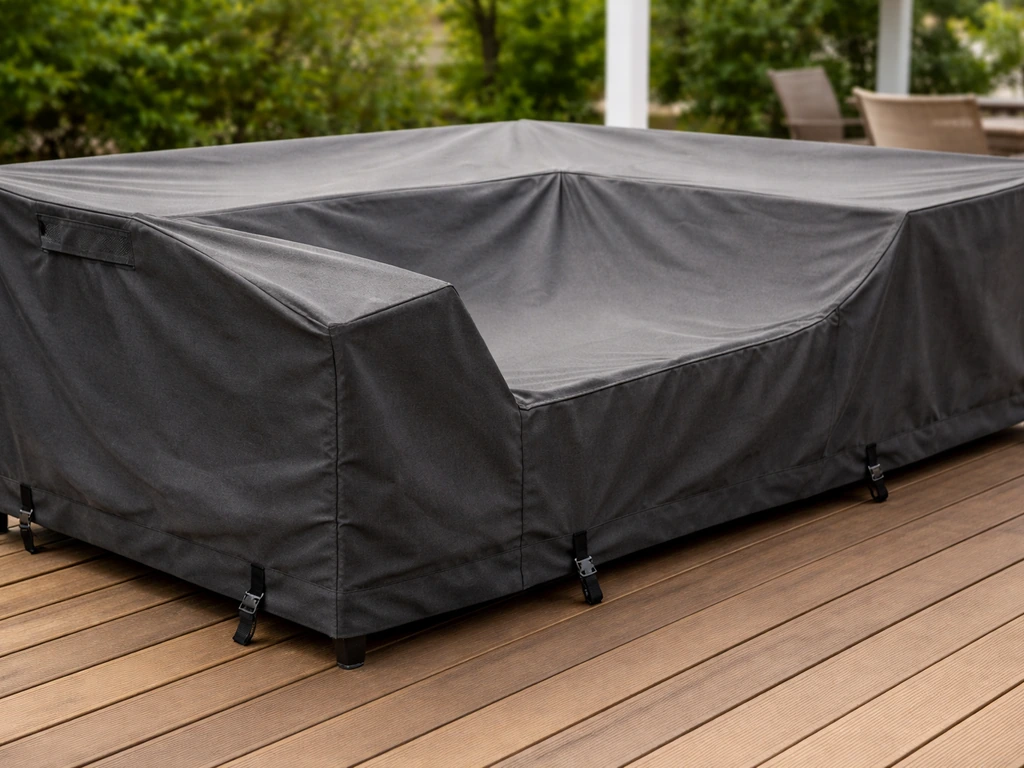
How to choose the right cover type
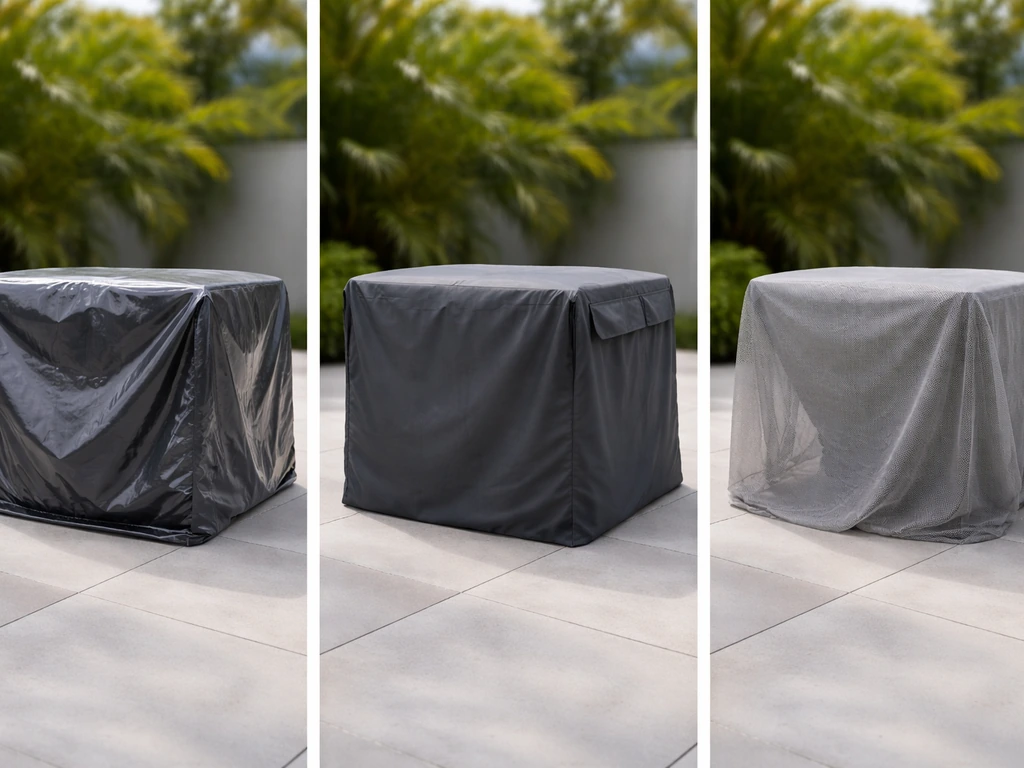
There are three main cover types you'll run into: fully waterproof, all-weather (water-resistant with venting), and breathable or mesh. Each has a real use case, but they are not interchangeable.
| Cover Type | Best For | Water Protection | Condensation Risk | Main Drawback |
|---|---|---|---|---|
| Fully Waterproof | Short-term storm protection, uncovered storage | Excellent | High | Traps moisture and humidity under the cover, promoting mold, mildew, and rust |
| All-Weather (Water-Resistant + Vented) | Year-round outdoor use in most climates | Very Good | Low to Moderate | Not completely impervious in multi-day downpours |
| Breathable / Mesh | Shaded or covered patios, mild climates | Poor to Fair | Very Low | Allows rain and debris through; won't protect in wet weather |
Fully waterproof covers are the most misunderstood option. Coverstore's research has pointed out a common myth here: even if zero water gets in from the outside, dew and condensation still form on the inside of the cover overnight. That trapped moisture sits on your furniture cushions, metal frames, and wood slats, and over time you end up with the exact mold, mildew, and water staining you were trying to prevent. I've seen this firsthand on aluminum furniture that looked great until someone pulled off a sealed tarp-style cover in spring to find rust blooms and green mildew streaks.
All-weather covers with built-in air vents are the right call for the vast majority of patios. The vent panels allow moisture vapor to escape while the coated outer fabric sheds liquid rain. They're not perfect in a week-long storm, but for normal outdoor exposure they dramatically reduce the condensation problem without sacrificing meaningful water protection. For mild climates or covered patios where heavy rain never hits the furniture directly, a breathable or mesh cover works fine and gives maximum airflow, but don't rely on it for serious weather.
Sizing and fit: how to measure your furniture
Getting the size right is the most practical thing you can do to improve cover performance. Classic Accessories also recommends measuring at the widest (width), deepest (depth), and tallest (height) points to find the right fit for patio covers measure your furniture at its widest, deepest, and tallest points. A cover that's too large will billow, catch wind, and eventually blow off. One that's too small won't reach the legs and leaves the frame and cushion edges exposed. Classic Accessories, one of the most widely used cover brands, frames fit as a core design objective and their sizing guidance boils it down to two measurements: width (the widest point of your furniture grouping, side to side) and depth (front to back). Height is less critical for general-purpose covers because the fabric drapes down and the hem handles the vertical variation.
- Push all your furniture into the position it will be stored in, including chairs tucked under tables or stacked.
- Measure the widest point from side to side. This is your width.
- Measure from the front edge to the back edge. This is your depth.
- Add 2 to 4 inches to each measurement as tolerance, especially if cushions are left in place.
- Match your measurements to the cover's listed dimensions. When between sizes, size up, not down.
Wind resistance is mostly a fit and securing problem, not a material problem. Coverstore makes the point clearly: even a perfectly sized cover can blow off in severe gusts if you don't use the securing features. Every quality cover will have at least one of the following: drawcord hems, buckle straps, or elastic hems. Buckle straps that route under the furniture legs and click together at the front are particularly effective. Restoration Hardware's care documentation shows this exact method: straps run back to front under the piece and buckle to hold the cover down from below. That prevents the uplift that turns your cover into a sail.
Material and construction: what actually matters
Fabric weight and outer coating
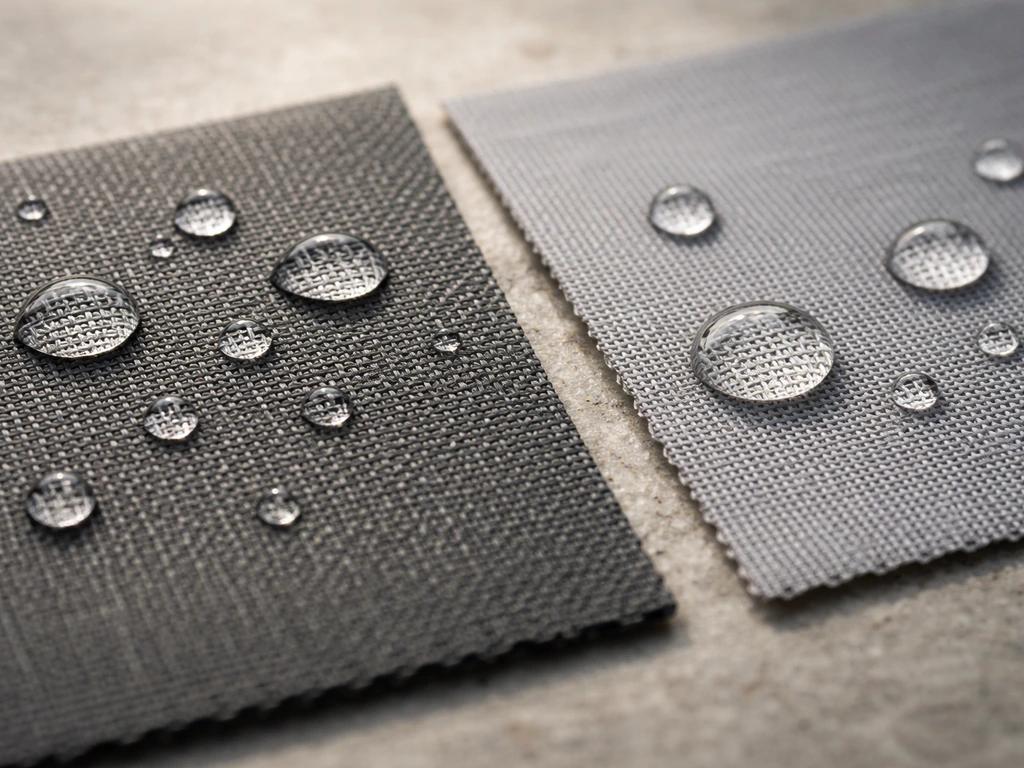
Most quality outdoor covers are made from polyester, and fabric weight is measured in denier. Higher denier means thicker, heavier-duty fabric. A 300D polyester is a reasonable baseline for seasonal use. For year-round exposure or harsher climates, look for 600D polyester or higher. The outer coating (often polyurethane or PVC laminate) is what gives water-resistant covers their shedding capability. Without a coating, even heavyweight polyester will absorb water. Check product listings for terms like 'coated,' 'PU-backed,' or 'laminated.' If a cover doesn't mention its backing treatment, that's a red flag.
Seam quality
Seams are the weak point of any cover. Water gets in at seams long before it penetrates the fabric itself. Look for double-stitched or heat-welded seams on any cover you plan to leave out through rain. Budget covers often have single-stitch seams that start leaking within one season. Reinforced corner panels are also worth checking, since corners take the most stress from wind flutter and UV exposure.
Securing features and hem design
Elastic hems are the minimum you should accept. Drawcord hems with a cord lock are better because you can tighten them after fitting. Buckle straps that go under the furniture are the gold standard for anything in a windy location. California Umbrella's cover care guidance describes using buckle straps that secure directly to the furniture feet, which is a great detail to look for. Some covers combine elastic hems at the bottom with external strap-and-buckle systems, and that combination is genuinely hard to beat.
Best cover picks by furniture type and common patio setups
Your furniture configuration matters more than almost any other factor when choosing a cover. Here's how to match cover style to the most common setups.
Dining sets (table plus chairs)
For a standard 4- to 6-person dining set, you want a single grouping cover rather than individual chair covers plus a separate table cover. If you're shopping specifically for king do way patio furniture covers, prioritize a snug fit, venting, and a coated fabric so rain and condensation do not build up under the cover. For backyard basics, a patio furniture cover that fits your dining set as one grouping helps protect the table and chairs while reducing condensation single grouping cover. Push the chairs in, measure the full footprint, and look for a rectangular all-weather cover in the 72 to 96-inch width range with a 48 to 60-inch depth. Drawcord or buckle-strap securing matters here because dining set covers tend to be large and catch a lot of wind. Air vents are important too, since table surfaces trap heat and encourage condensation underneath sealed covers.
Lounge chairs and chaise lounges
Individual lounge chair covers are straightforward. The key is getting the length right since chaises are long and narrow, often 72 to 84 inches long. An elastic hem along the bottom is usually enough to secure a single chaise cover. If you're covering multiple chaises side by side, a wide rectangular grouping cover works better than trying to overlap individual covers.
Sectional sofas and L-shapes
Sectionals are the hardest furniture type to cover well because of their irregular shape. You have two options: one large rectangular cover that encompasses the whole section (simpler but less tailored), or modular covers that fit individual pieces. Modular covers from brands that offer custom sizing are worth considering here, since an off-the-shelf rectangle often leaves gaps at the inner corner of an L-shape. If custom sizing sounds appealing, that's a separate research path worth exploring as part of your decision. If you want the best custom patio furniture covers, prioritize the right fabric weight, a reliable outer coating, and secure venting for your specific setup.
Conversation sets and deep-seat sofas
Deep-seat outdoor sofas are wider and taller than standard furniture, so don't assume a cover labeled 'sofa cover' will fit without measuring. The depth measurement is especially important here since deep-seat pieces can run 38 to 42 inches front to back versus the 30 to 34 inches of standard indoor-scale outdoor furniture. Air vents are particularly valuable for cushioned conversation sets since the foam cushions hold moisture and need airflow.
Bistro sets and small accent chairs
Small bistro sets (2 chairs and a table) can usually be covered together under a compact round or square grouping cover. This is also the setup where breathable covers are most defensible since small pieces dry out faster and the cover footprint is small enough that airflow isn't severely restricted.
Weather protection details: UV, water, vents, and condensation
UV resistance
UV degradation is what kills most covers over time. Fabric fades, gets brittle, and eventually cracks along seams and stress points. Look for covers that specifically mention UV-resistant or UV-stabilized fabric in the product specs. Solution-dyed polyester holds color better than surface-dyed fabric under sun exposure. If a cover is already showing significant fading or cracking, that's a structural warning sign, not just cosmetic.
Water resistance and rain performance
Water-resistant covers with a PU or similar coating perform well in normal rain. The coating sheds water rather than absorbing it. Over several seasons, coatings can degrade, especially if the cover is stored wet or folded for long periods while damp. You can extend coating life with a spray-on DWR (durable water repellent) refresh product, available at outdoor gear retailers.
Vents and condensation control
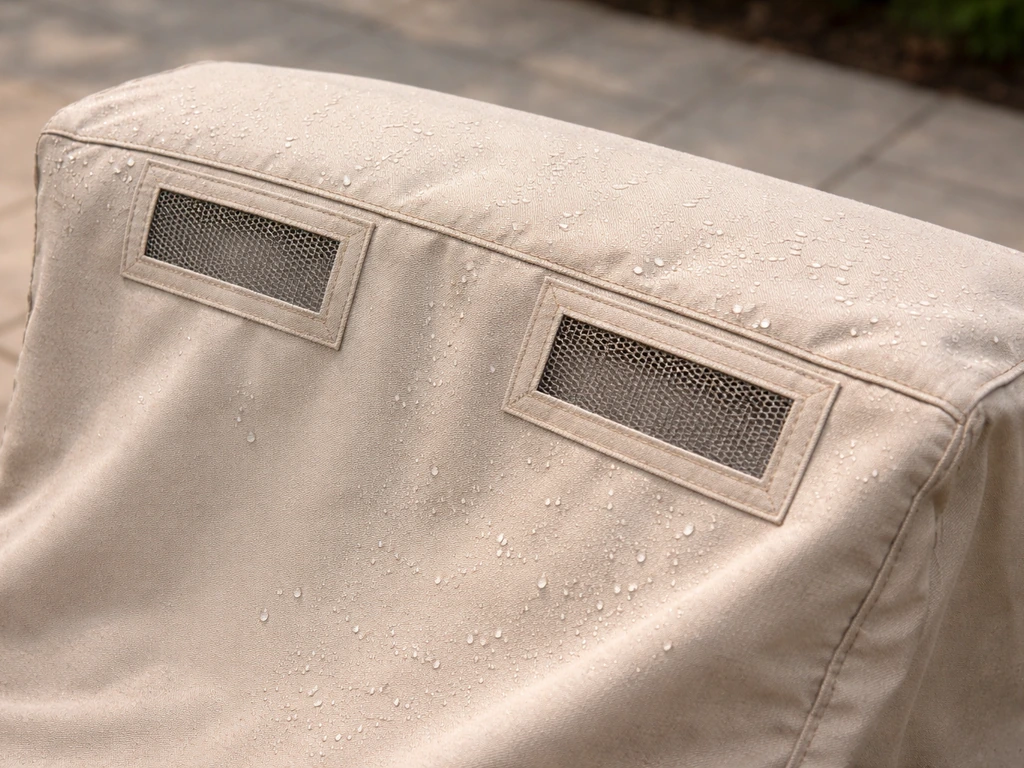
Air vents are small mesh panels, usually placed near the top of the cover, that allow humid air to escape rather than condense on your furniture overnight. Gloster, a high-end outdoor furniture brand, notes that even breathable covers can allow a small amount of moisture to penetrate depending on conditions. That means no cover is a perfect seal in either direction, and that's actually fine. The goal isn't a hermetic seal; it's managing moisture flow. A vented all-weather cover does this better than any other single design choice. If you live in a humid climate or your patio is in a shaded area where moisture lingers, vents go from 'nice to have' to essential.
Using, maintaining, and knowing when to replace your cover
How to install and secure your cover correctly
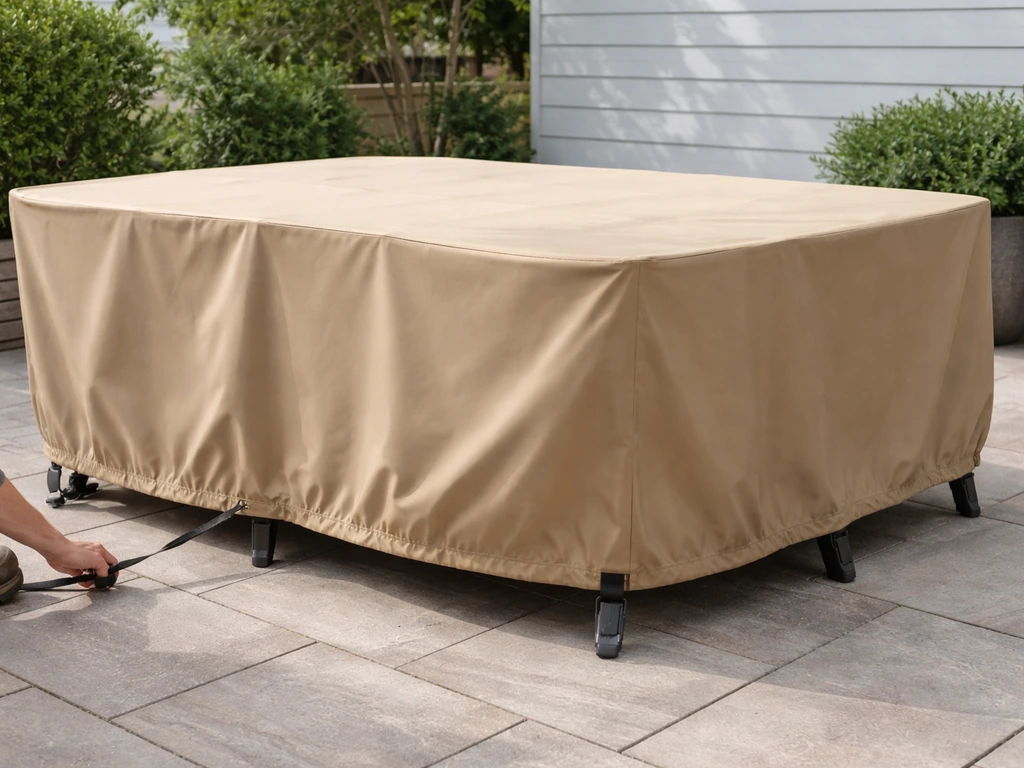
- Make sure the furniture is dry before covering it. Covering wet furniture traps moisture and creates mold conditions faster than almost anything else.
- Drape the cover centered over the furniture, making sure it hangs evenly on all sides.
- Tighten the drawcord or elastic hem as snugly as the cover allows.
- Route buckle straps under the furniture legs from back to front and click them secure.
- After a windy period, check and re-tighten any loosened cords or straps.
Cleaning and basic maintenance
Hand wash covers with mild soap and a soft brush, then rinse with a garden hose and air dry completely before storing or reapplying. Coverstore recommends this approach specifically because machine washing with harsh detergents strips the water-repellent coating prematurely. California Umbrella's care guidance calls for at least one thorough cleaning per year for both the cover and the furniture underneath. That annual cleaning is also your chance to inspect the cover for seam separation, coating failure, cracking, or mold that didn't come out with washing.
After prolonged wet periods, pull the cover off and let your furniture breathe for a day or two before re-covering. Coverstore specifically flags this as a way to prevent mold and mildew buildup. Similarly, Unique Garden Decor's maintenance guidance advises against ever storing a wet cover folded up, because the folded surfaces trap moisture against each other and mold grows fast in those conditions.
When to replace a cover
A cover is past its useful life when the water-repellent coating has failed (water soaks in rather than beading), seams are separating or leaking despite re-sealing attempts, or the fabric is cracking and tearing along stress points. Fading alone isn't a reason to replace a cover if the material is still structurally sound. But a DWR refresher spray can only do so much; if the base coating has degraded through the fabric, no topical treatment will restore it fully. At that point, continuing to use the cover gives you a false sense of protection while moisture and UV damage quietly continue underneath.
Quick checklist before you buy
- Measure your furniture grouping: width and depth with chairs/cushions in storage position
- Choose all-weather (water-resistant + vented) unless you have a specific reason for another type
- Look for 300D minimum fabric weight, 600D or higher for harsh or year-round climates
- Confirm double-stitched or heat-sealed seams on any cover rated for rain
- Verify securing features: elastic or drawcord hem plus buckle straps for windy locations
- Check for UV-resistant or UV-stabilized fabric in the product description
- Plan to air out furniture after prolonged wet periods and clean the cover at least once a year
FAQ
I bought a fully waterproof cover, should I still worry about condensation and mildew?
If you already have a “fully waterproof” cover, the safest practice is to periodically check for inside moisture, especially after overnight dew. You can also keep one side slightly vented while you are home, then re-secure it after the area has dried. If you ever see rust spots or mildew streaks, switch to an all-weather cover with vents rather than trying to make the waterproof cover more sealed.
How long can I keep a patio cover on after heavy rain?
Yes. Even with vents, leaving the cover on during long wet spells can slow drying. After a multi-day rain or heavy storm, remove the cover and let the cushions and frame air out for at least a full day in good airflow before re-covering. This is especially important for foam-filled deep-seat cushions that hold moisture longer than chair backs.
Should I cover a dining set as one grouping or use separate chair and table covers?
For most off-the-shelf patio sets, use a “single grouping” cover only when your table and chairs are pushed close enough to fit within one footprint measurement. If your chairs are usually pulled out, an individual or modular approach will stay tighter and reduce billowing. A quick test is to measure your actual widest and deepest positions as arranged during normal use, not just when the set is perfectly centered.
What’s the best way to stop a patio cover from blowing off in wind?
You can temporarily fix a loose fit by tightening the drawcord hem, but don’t rely on that alone for windy areas. If wind uplift is an issue, prioritize covers that include under-leg buckle straps, or add securing straps that route under the furniture legs (not just tied to the top). Under-leg securing prevents the cover from lifting from the bottom edge.
How can I tell if a polyester cover is actually water-shedding?
Look for the cover to explicitly state the presence of a water-shedding coating or coating type (for example, PU or PVC laminate). If the listing only says “polyester” and shows no mention of coated or backed fabric, treat it as a risk for long-term outdoor rain exposure. In that case, plan on more frequent drying and more frequent replacement.
What should I check about seams before leaving a cover out in rain?
No. Heat-welded or double-stitched seams matter because seams fail first. For high-exposure locations, inspect corner seams and hem attachments in particular. If you see loose threads, gaps along stitching lines, or fraying at corners during the first season, avoid re-sealing efforts and replace the cover early.
Is higher denier always better for patio furniture covers?
Denier is useful, but don’t treat a high number as the whole story. You also want an intact outer coating and proper securing. A thinly coated, very light fabric can soak and fail even if it has a decent denier rating. For year-round or harsh conditions, pair 600D or higher polyester with confirmed coated backing and reinforced corners.
How do I measure correctly for a deep-seat outdoor sofa cover?
For deep-seat conversation sets, measure front to back at the deepest point (cushion to cushion, including any protruding back cushions) because that number drives fit. Also measure overall height if the set is noticeably taller than standard outdoor seating, since “sofa” covers sometimes assume shallower profiles. If height is underestimated, the cover can bridge and pool water on top.
What should I do if my patio chairs are slightly different sizes?
Chairs with different heights or arm styles are where single-chair covers can be tricky. If the set is mixed, measure the tallest chair and choose a grouping cover that fits the widest span instead of forcing multiple small covers to overlap unevenly. Overlap can create pockets that trap moisture.
Do vents matter less in mild climates or shaded patios?
If your patio is shaded and the area stays humid, vents become more critical even for “breathable” fabrics. In those conditions, prioritize an all-weather cover with vents rather than relying on mesh alone. Also consider removing the cover after rainy stretches to allow faster drying of cushions under shade.
Can I revive an older cover with a water-repellent spray, or should I replace it?
A DWR (spray-on water repellent) refresh can improve beading, but it does not fix failed seams or coating that has already broken down through the fabric. Apply it only after the cover is fully dry and clean, and be cautious around heavily soiled mold, since treatments won’t correct trapped biological growth. If water no longer beads anywhere after reapplication, replace the cover.
What’s the correct way to store patio furniture covers between seasons?
If you need to store the cover, store it fully dry. Fold carefully and avoid tight compression that can create damp pockets when humidity is present. Use a breathable storage bag or container if available, and keep it away from damp areas like sheds with leaks or basements.
How do I know my cover is worn out, and not just faded?
If the cover still drapes well and the structure is intact, fading alone is usually cosmetic. Replace when water stops beading, seams separate or leak despite cleaning and drying, or fabric cracks where straps and corners flex. A good decision aid is to do a simple water test after drying, if it soaks quickly, the coating has effectively failed.
Next Articles
Best Rated Patio Furniture Covers: Buying Guide and Tips
Choose best rated patio furniture covers with fit, materials, waterproofing, UV and wind features, plus measuring and ca
Alternative to Patio Cushions: Durable, Stylish Options and DIY
Alternative to patio cushions: durable, weatherproof seating options, pros, DIY tips & buying guide.
Best Color for Outdoor Patio Cushions in 2026
Choose the best cushion color for sun, heat, and fading in 2026, with pairing tips for patio furniture and durability.