
ALEKO retractable patio awnings are worth buying if you go in with the right expectations: they're a solid mid-budget shade solution, not a weather-proof shelter. The manual and motorized models both deliver real coverage, decent fabric quality, and a reasonable price point, but they have a few recurring weak spots around motor reliability and wind sensitivity that you need to know before you buy.
Aleko Retractable Patio Awning Reviews: Manual vs Motorized

Lark Perry
23 Jun 2026
What a retractable patio awning should actually do
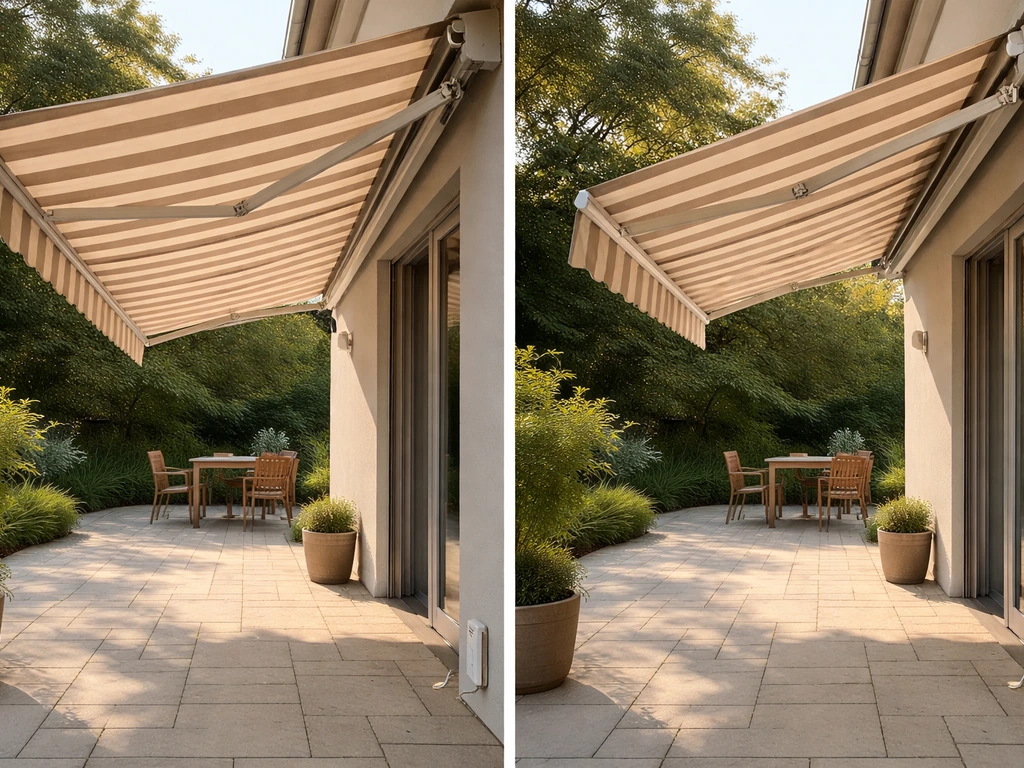
Before diving into ALEKO specifically, it helps to be clear about what any retractable awning is built to do, because a lot of buyer disappointment comes from mismatched expectations. A retractable patio awning is primarily a sun-control tool. It extends to shade your patio, reduces glare and heat, and retracts when you don't need it. That's the core job.
What it's not designed to be is a permanent rain shelter or a structure that stays out through wind and storms. Every reputable retractable awning, including ALEKO's, is built to retract when conditions get rough. The moment you treat it like a fixed canopy and leave it extended through heavy rain or gusts, you're likely to end up with water pockets sagging the fabric, bent arms, or a motor strain issue. That distinction matters a lot when you're reading reviews, because plenty of negative feedback on any retractable awning brand comes from people using them in conditions they were never designed for.
In practice, a good retractable awning should cover your target area cleanly, extend and retract smoothly, hold up to moderate everyday sun and light weather, and last several seasons without major issues. Those are the benchmarks to keep in mind as you read through what ALEKO delivers.
ALEKO retractable patio awning reviews: what real owners say
Pulling together reviews from Home Depot, Walmart, Wayfair, and owner feedback across multiple ALEKO models gives a pretty consistent picture. The positives and negatives repeat across model sizes, which tells you these are design- and brand-level characteristics rather than one-off manufacturing flukes.
What owners like
- Good coverage for the price: owners consistently note that the awning delivers solid shade across the listed coverage area, with fabric that blocks UV effectively
- The fabric is UV, water, and mildew resistant and holds its shape well, not noticeably shrinking or stretching after repeated use
- On motorized models, the motor runs smoothly when set up correctly, and owners report it opens and closes quickly, typically within about a minute
- Calibrating the motor and pairing the remote transmitter is manageable for most DIY installers
- Replacement fabric is available directly from ALEKO, which matters for long-term ownership
- The included hand crank on motorized models means you're not stranded if power goes out or the motor has an issue
What owners complain about
- Remote control issues on motorized models: one common complaint is the remote only extending the awning but not retracting it, which requires manual intervention and a call to ALEKO support
- Rusty water leaking after installation, which suggests water is getting into the housing or frame joints and sitting there
- Customer service responsiveness: BBB complaints and Trustpilot reviews show patterns around slow warranty response times and difficulty getting callbacks
- Wind sensitivity: the awning needs to come in at relatively modest wind speeds, and owners who leave it out in gusty conditions report arm and fabric damage
- The 1-year limited warranty (standard across most ALEKO listings) feels short given the investment, especially for motorized models
The honest summary: ALEKO performs well when used as intended in calm weather, but the after-sale support experience is inconsistent enough that you should factor in what happens if something goes wrong in year one.
Motorized ALEKO awnings: performance, controls, and reliability
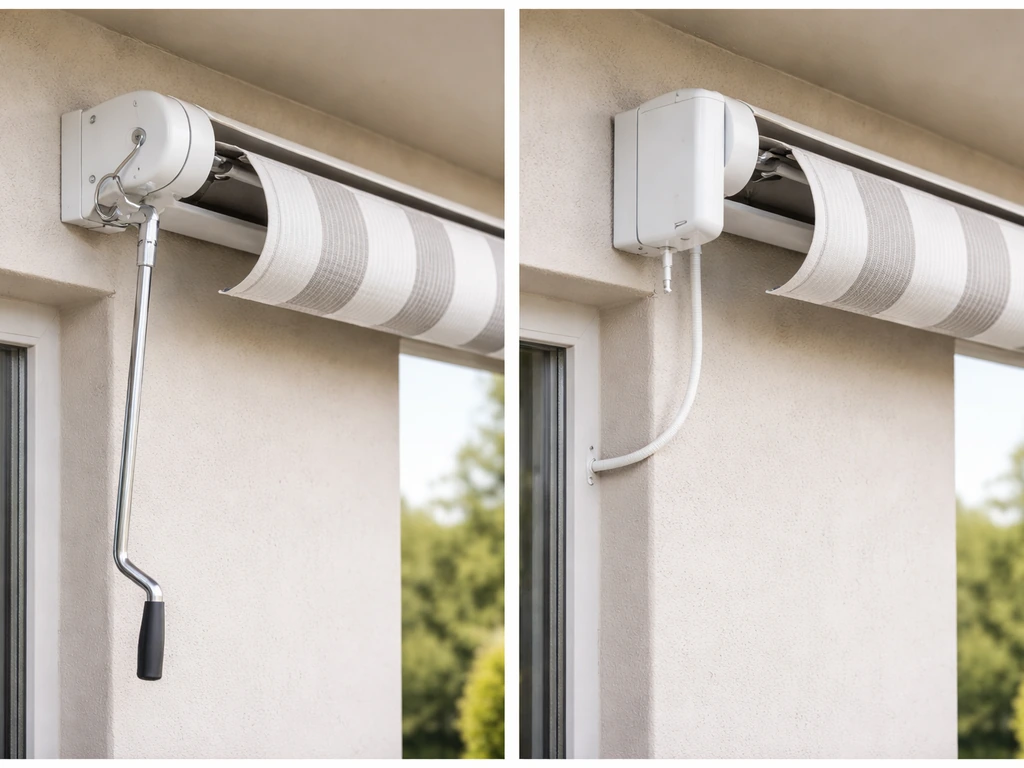
The motorized version is the one most buyers are considering when they search for ALEKO awning reviews, and it has a genuinely different set of considerations compared to the manual model. Here's a real breakdown of how the motor system works and where it can let you down.
How the motor and controls work
ALEKO's motorized awnings use an AC tubular motor. The package includes the remote, a wall-mounted remote holder, and a manual handle crank as a backup. The remote opens and closes the awning, and the whole cycle takes about a minute. There's also a wind-sun sensor option with three grades: grade 1 auto-retracts at winds above 15 km/h, grade 2 at above 30 km/h, and grade 3 at above 45 km/h. If you're in a breezy area, the grade 1 setting will have the awning retracting a lot, so grade 2 is often the more practical choice for light residential wind conditions.
The motor has a working temperature range of 14°F to 120°F (or -10°C to 50°C), so it handles most North American climates through spring, summer, and fall without issue. In very cold weather, the motor isn't rated for operation, so this isn't a year-round system in cold climates anyway.
Where motorized reliability breaks down
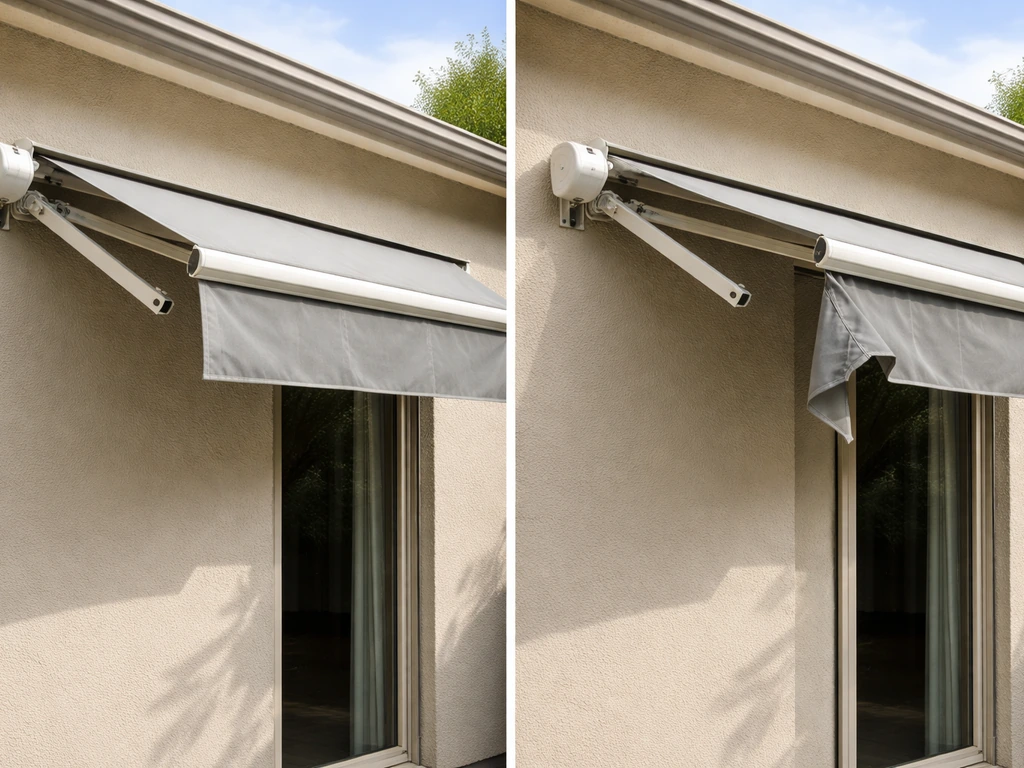
The most common failure scenario from owner reviews involves the remote: specifically, the remote triggering the extension function but not the retraction. This points to a limit switch calibration issue or a receiver pairing problem rather than a complete motor failure. ALEKO's own troubleshooting guide covers this: if the receiver makes a sound but the awning doesn't move, check the power supply, confirm the breaker is on, and check wiring connections. If the motor has been running hard, there's also an overheat protection feature that kicks in and requires about a 20-minute wait before the motor resets.
If you run into the one-direction-only remote issue that some owners reported, the first thing to try is recalibrating the limit switch settings, which is covered in the manual. It's annoying but fixable in most cases without a replacement motor. The backup hand crank means you can still operate the awning while you work through the troubleshooting. If you’re specifically looking for the best electric patio awnings UK has to offer, compare motor control features, wind or rain auto-retract options, and warranty support side by side.
Is the motorized version worth the extra cost?
For most patios, yes, especially if you want convenience and have the awning in a spot where reaching a manual crank is awkward. The motor runs smoothly when set up properly, and the one-minute open/close is genuinely convenient for daily use. The caveat is that the 1-year warranty feels thin for a motorized product, and the support experience is hit-or-miss. If you go motorized, keep the manual and troubleshooting steps bookmarked, and make sure you have an electrician run a dedicated outlet if one isn't already near the mounting location.
Getting the fit right: sizing, measuring, and mounting
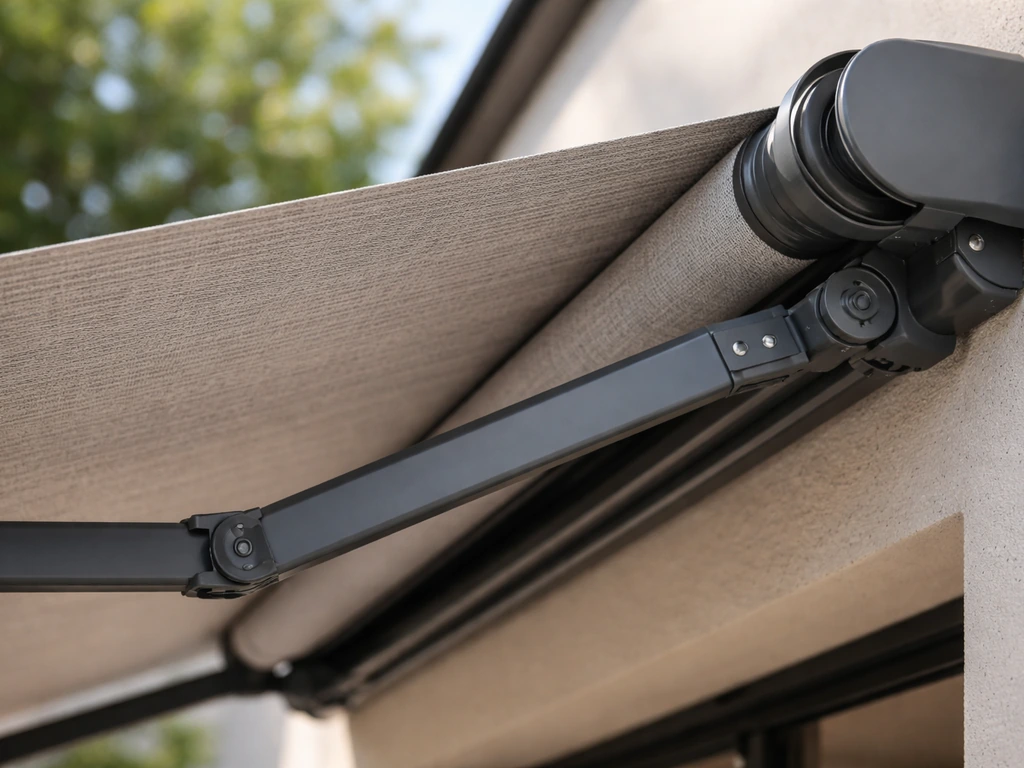
Sizing is where a lot of buyers go wrong, and it's also where the difference between a great result and a frustrating one starts. ALEKO sizes awnings by width (how wide the awning spans across your wall) and extension (how far it projects out over your patio). Don't confuse these two dimensions.
How to measure your patio for an ALEKO awning
- Measure the width of the area you want to shade, from edge to edge. The awning width should match or slightly exceed this number, but it cannot exceed your wall mounting width
- Measure how far out from the wall you want coverage (the projection or extension). Standard ALEKO extensions range from about 8 feet to 10 feet on larger residential models
- Check your wall for studs, joists, or a structural header. The brackets must fasten into solid structural material, not just drywall or siding. This is listed in ALEKO's installation guide as the single most important aspect of installation
- If mounting above a patio door, leave at least 8 inches (20 cm) of clearance above the door frame before your lowest bracket
- Confirm the wall depth and overhang above your planned mounting height won't interfere with the awning's housing when fully retracted
A common sizing mistake is choosing an awning based on the coverage area listed in marketing copy rather than the actual width and extension dimensions. Read the spec table carefully. ALEKO's patio awning guide presents dimensions as Width x Extension, so a 20x10 awning is 20 feet wide with a 10-foot projection, not a 20-foot projection.
Mounting compatibility checklist
- Wall material: solid wood, masonry, or structural header required (not vinyl siding alone or hollow-backed surfaces)
- Stud/joist spacing: locate and mark studs before ordering so you know the awning's bracket spacing will align
- Height clearance: minimum 8 inches above any door frame or obstruction
- Electrical access for motorized models: a standard outdoor outlet within reach of the motor lead, or plan for an electrician to run one
- Overhang clearance: make sure there's nothing above the mount point that will block the retracted housing
Weather and durability: what to expect from ALEKO fabric and frames
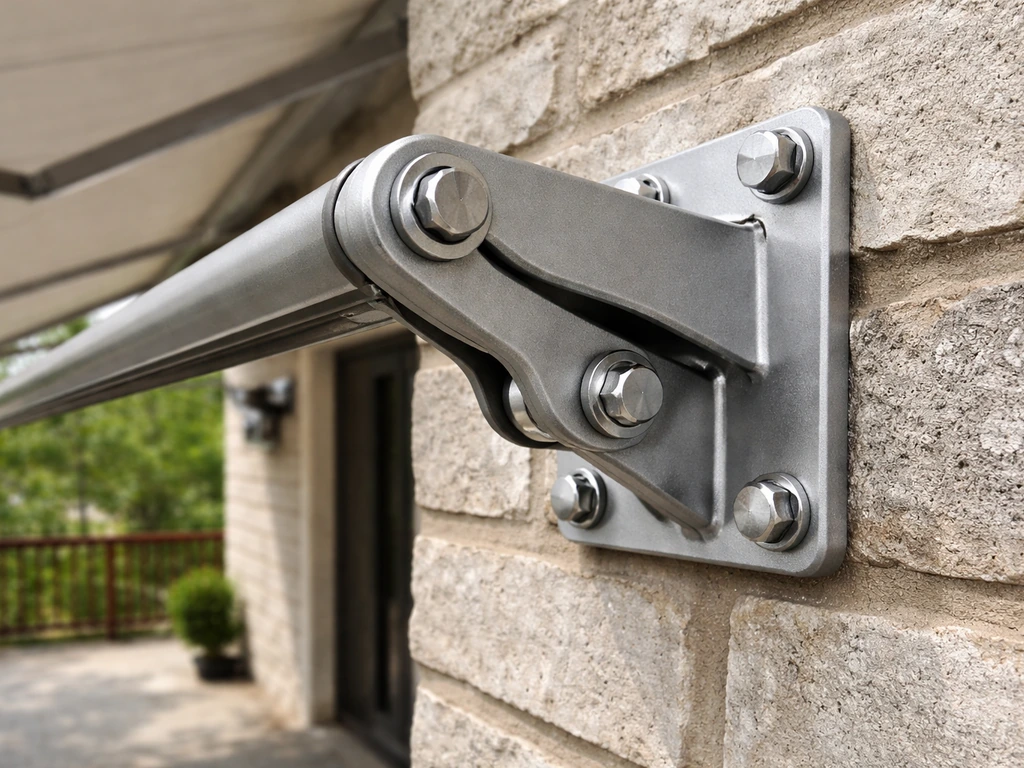
ALEKO's awning fabric is marketed as UV, water, and mildew resistant, and in practice the fabric does hold up reasonably well to sun and light moisture. It won't shrink or stretch noticeably through normal seasonal use. That said, 'water resistant' is not the same as waterproof. In heavy rain, water will pass through the fabric or accumulate in pockets if the awning isn't pitched properly, which is why ALEKO's own manual says to retract immediately if rain is heavy.
Wind: the real weak point
Wind is the number one cause of damage to any retractable awning, and ALEKO is no exception. The awning is not rated for high-wind conditions, and the arms are not engineered to handle lateral stress from gusts. Owners who leave the awning extended during wind events report bent arms and torn fabric. If you live in an area with regular afternoon wind or are on an exposed lot, a wind-sun sensor is not optional, it's essential. Even then, at grade 1 (auto-retract above 15 km/h), you'll find the awning coming in more often than you might like.
Rain and sun over time
For sun protection, ALEKO performs well. The UV resistance is one of the genuinely strong points of the fabric, and multiple owners note that the shading effect is meaningful on hot afternoons. For rain, use it to stay dry during light showers but retract it before anything heavy. The rusty water complaint in some reviews suggests that on certain models, water is getting into metal joints and sitting there, which points to frame corrosion over time if maintenance is ignored. Wiping down the frame joints and checking for standing water after rain events will extend the life considerably.
| Condition | ALEKO Performance | Recommended Action |
|---|---|---|
| Strong sun / UV | Good: fabric blocks UV effectively | Leave extended as intended |
| Light rain / drizzle | Acceptable: fabric resists light moisture | Monitor; retract if rain intensifies |
| Heavy rain | Poor: water pockets form; fabric not waterproof | Retract immediately |
| Wind under 15 km/h | Fine for grade-1 sensor or manual management | Use sensor or retract manually if gusts pick up |
| Wind over 30 km/h | Risky: arm stress, potential fabric damage | Must be retracted |
| Snow / ice | Not rated: retract before snowfall | Store or retract before winter season |
| Temps 14°F to 120°F | Motor operates within spec | Standard operating range for motorized models |
Installation tips and maintenance to keep it working
Installation: where people go wrong
The single most common installation failure is mounting into drywall, stud-adjacent backing, or weak wall surfaces without hitting solid structural material. ALEKO's installation guide is explicit: bracket location is the most critical step, and brackets must go into studs, joists, headers, or masonry. Use a stud finder before you drill anything. If your wall layout doesn't align with the awning's bracket spacing, add a structural ledger board to bridge the gap.
- Locate and mark studs or structural mounting points before opening the box
- Hold the mounting template against the wall at the planned height and confirm stud alignment
- Maintain at least 8 inches above any door frame for clearance
- Use the hardware provided and check that all bolts are fully torqued, loose brackets are the primary cause of awning drop or pull-out over time
- For motorized models, have your outlet in place before installation day so you're not improvising extension cord runs
- Once mounted, extend and retract the awning two or three times to confirm smooth operation and check that the fabric tracks evenly on both sides
Maintenance schedule that actually matters
ALEKO recommends cleaning the fabric regularly, and it makes a real difference to fabric life. Use mild soap and water, rinse thoroughly, and let it air dry fully before retracting. Never retract a wet awning and leave it rolled up, that's how mildew starts even on mildew-resistant fabric. For the frame and arms, inspect the joints and hardware every few months. Tighten any loose screws or nuts because these are the source of the 'unwanted noise' issue listed in the troubleshooting guide, and loose hardware also causes uneven arm travel.
- Clean fabric with mild soap and water at least twice per season, more often if you're near trees or dusty areas
- Always let the fabric dry completely before retracting and storing
- Inspect arm joints, brackets, and the roller housing each spring for corrosion or loosening
- On motorized models, check the motor housing for water ingress and wipe down the receiver/wiring connections annually
- If you notice the fabric not extending fully, check the path-length adjustment setting as described in the manual before assuming a motor problem
- At the end of the season or before any storm, retract the awning fully and consider a weather cover for the housing if you're in a harsh-winter area
Buying checklist and quick recommendations
Here's how to decide whether ALEKO is the right pick for your patio, and which version to go with. ALEKO sits in the mid-budget category: better than the cheapest no-name imports, but not at the premium end where brands like SunSetter or Awntech play. If you want the best awnings for patios, compare coverage, wind ratings, and how well the fabric handles light weather before you buy. For most suburban patios with a straightforward wall-mount situation, it hits a reasonable value point.
Before you buy: verify these things
- Width and extension dimensions match your patio (not just the coverage area marketing claim)
- Your wall has accessible studs, joists, or masonry at the planned mount height
- You have at least 8 inches of clearance above any door frame
- For motorized: there's an outdoor-rated electrical outlet within reach, or you're budgeting for one
- You understand the 1-year limited warranty and have a plan if something fails in year two
- You're comfortable retracting the awning proactively in wind and heavy rain
Quick recommendation by patio type and budget
| Patio Situation | Best ALEKO Option | Key Reason |
|---|---|---|
| Deck or patio with calm wind exposure, budget-conscious buyer | ALEKO manual retractable | Lower cost, no motor to troubleshoot, reliable for basic shade needs |
| Larger patio or frequent use where convenience matters | ALEKO motorized with remote | One-minute open/close, hand crank backup included, worth the price for daily use |
| Windy or exposed location | ALEKO motorized with wind-sun sensor | Auto-retract protects the awning; grade 2 sensor is the practical setting for most homes |
| Rental property or temporary installation | Manual model, smaller size | Simpler to install, easier to remove, lower risk if you move |
| Buyer who needs premium durability and long warranty | Consider other brands | ALEKO's 1-year warranty and inconsistent support make it a harder sell at higher price points |
If you're comparing ALEKO to other options, it's worth looking at how it stacks up across the broader retractable awning market, including manual-only models from other brands and premium electric options. If you're trying to choose which are the best patio awnings for your space, prioritize ratings for wind and sun control, plus the level of protection you actually need. The motorized ALEKO is competitive on price for a powered awning, but if motor reliability and after-sale support are top priorities for you, there are other electric patio awning options worth considering before you commit.
Bottom line: ALEKO is a legitimate buy for a homeowner who wants real sun coverage on a mid-range budget, is prepared to manage the awning actively in bad weather, and is comfortable doing a careful DIY install into solid wall structure. Go in knowing the warranty is short, support can be slow, and the motor needs proper calibration out of the box, and you'll avoid most of the frustration that shows up in negative reviews.
FAQ
My ALEKO motorized awning extends but will not retract, what should I check first?
If the awning extends with the remote but does not retract, treat it as a control issue before assuming the motor is bad. Recheck limit switch calibration first, then verify the receiver pairing. If the receiver makes a sound, move on to basics in order (power supply, breaker, and wiring/connection at the motor and receiver) and only then consider service.
Which wind-sun sensor grade should I choose for typical breezes (and fewer retractions)?
Wind sensors are not only about protection, they also change day to day behavior. Grade 1 will trigger retract often in light breezes, so if you want fewer interruptions in normal residential wind, grade 2 is usually the practical starting point. If you are in a very exposed area, expect grade 2 or 3 to be more frequent.
How do I prevent rust or rusty water after rain on a retractable ALEKO awning?
Water-related issues usually come from setup and frame maintenance rather than the fabric alone. Retract immediately after heavy rain, then after storms wipe down or check frame joints for standing water, especially where metal parts meet. A quick post-rain inspection can reduce the “rusty water” complaints seen on certain units.
Is the ALEKO fabric actually waterproof for storms, or should I always retract in rain?
Yes, but only within normal operation expectations. The fabric is described as UV, water, and mildew resistant, which helps with sun and light moisture, but it is not the same as waterproof. In heavy rain, water can pass through or form pockets if the awning is left out, so the correct move is to retract right away.
How do I avoid sizing mistakes when choosing an ALEKO retractable patio awning (width vs extension)?
Choose based on the Width (across the wall) and Extension (projection out over the patio), not the headline “coverage” language. For example, a 20x10 unit is 20 feet wide and extends 10 feet out. Measure your target shaded area and match both dimensions to avoid buying a unit that is too short in projection or too narrow in width.
Do I really need an electrician or a dedicated outlet for a motorized ALEKO awning?
A dedicated outlet is about reliability and safety, not just convenience. If the mounting location is far from an existing power source, run a dedicated outlet so the motor can draw power consistently during open and close cycles, and avoid relying on extension cords. If you do not have outlet access, have an electrician plan placement before install.
What’s the correct routine if the awning is wet when I need to retract it?
No, you should not retract a wet awning and store it rolled up. Even mildew-resistant fabric needs time to dry, so extend it to dry, then allow full air drying before retracting. This reduces the chance of mildew odors and spotting that owners often blame on “bad fabric” but can be caused by trapped moisture.
My ALEKO awning makes noise, is it a motor problem or an installation issue?
If you hear unwanted noise after installation, the quickest fix is usually not the motor. Check and tighten loose screws or nuts at the arms and joints, then inspect for uneven arm travel. Loose hardware can create vibration sounds and can also contribute to incomplete or uneven movement.
What wall mounting mistakes cause the most problems with ALEKO retractable awnings?
For DIY installs, the most common failure is mounting into non-structural wall material or weak backing. Brackets must hit studs, joists, headers, or masonry. If your bracket spacing does not line up with solid structure, add a structural ledger board rather than forcing bracket placement into drywall only.
Will the motorized ALEKO work in cold weather, or do I need a seasonal plan?
The motor’s operating temperature is limited, so in very cold climates you should not assume it will run year-round. It is rated for typical North American seasonal use but is not rated for operation at very low temperatures. If you expect winter operation, plan for a colder-weather solution or expect manual use and seasonal retraction policies.
Next Articles
Best Patio Awnings Reviews: Top Picks by Type and Budget
Best patio awning reviews with top picks by type and budget, plus measuring, installation, and maintenance tips.
Best Manual Retractable Patio Awning: Buyer Guide for 2026
Buyer guide to pick the best manual retractable patio awning for 2026: sizing, mounting, materials, crank feel, and Veik
Which Are the Best Patio Awnings: Types, Picks, Makers
Best patio awning picks by type, size, weather needs, and brands, plus buying, measuring, and maintenance tips.