
The best rated patio string lights right now fall into three reliable camps: warm LED globe/filament strands (like Feit Electric's 48 ft sets at 2200–2700K), the Brightech Ambience Pro for a premium plug-in or solar option, and fairy/cafe-style LED strands for tighter spaces. For most patios, a plug-in LED filament strand with a UL listing, an IP65 or 'Wet' location rating, and 2-foot bulb spacing is the safest and most satisfying buy. If you want the best led patio string lights, prioritize plug-in LED filament strands with an outdoor wet rating and safe spacing for even coverage. The rest of this guide turns those general categories into a specific decision for your exact patio.
Best Rated Patio String Lights: How to Choose Today

Lark Perry
7 Jun 2026
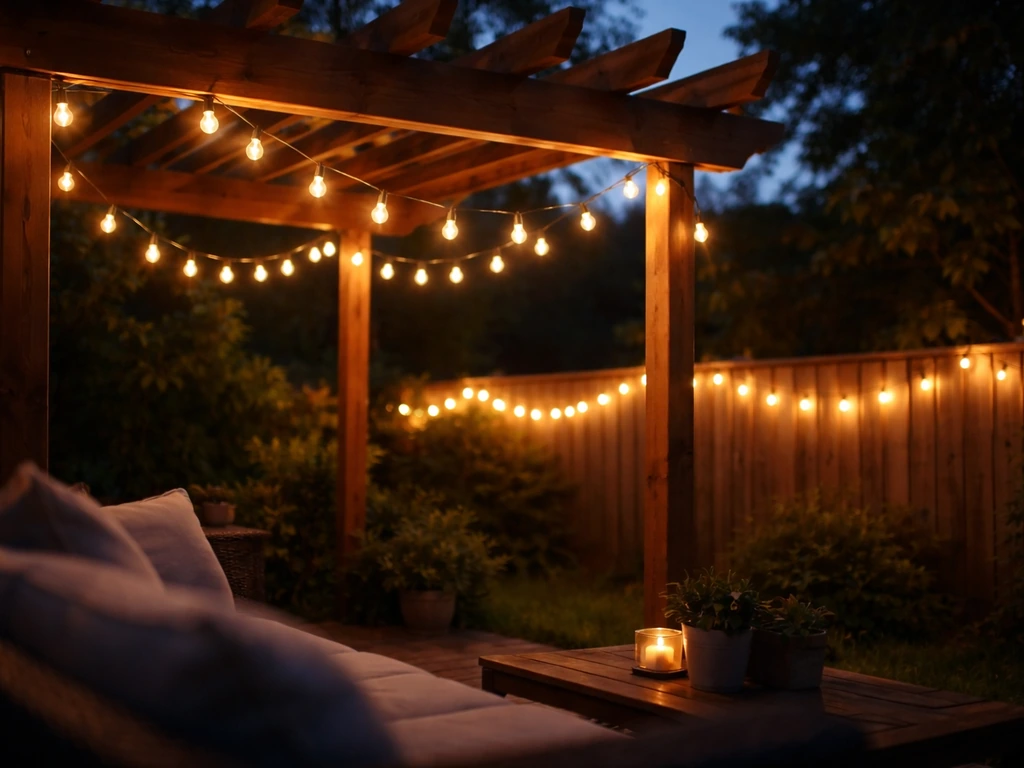
What 'best rated' should actually mean for outdoor performance
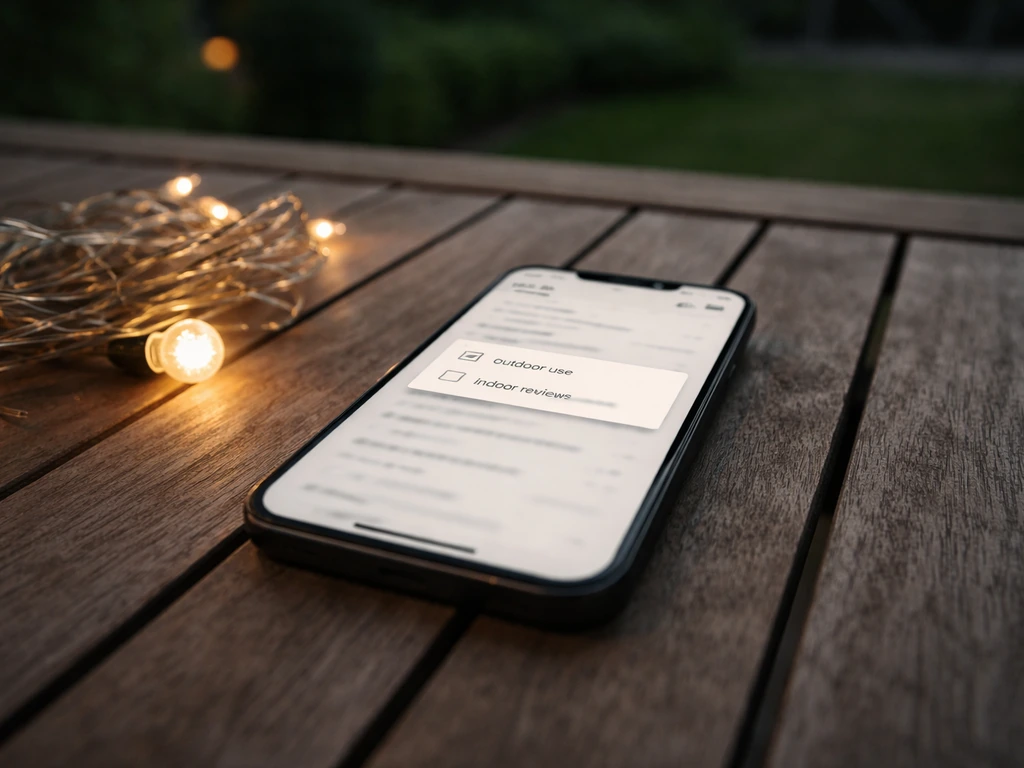
A 4.7-star rating sounds great until you realize half those reviews came from people who only used the lights indoors during the holidays. 'Best rated' in a patio context has to mean something more specific: durable across seasons, wind-resistant, resistant to rain and humidity, and still working reliably six months after you hang them. That's a very different performance bar than a living room lamp.
When I look at string light ratings, I filter for outdoor longevity first. Did the lights hold up through a summer of heat and humidity? Did the sockets corrode? Did bulbs flicker or fail after a few weeks? A product with 4.4 stars and 2,000 reviews that consistently mentions 'still going strong after two summers' is a better bet than a 4.8-star product with 200 reviews that launched three months ago. Recency matters in ratings, but not in the way most people think: Amazon's own system weights recent reviews more heavily, which means a brand-new product can look great on paper before real outdoor performance data accumulates.
For patio use specifically, 'best rated' should mean: verified outdoor use, genuine weather exposure, and long enough real-world use time for problems to surface. Keep that filter in mind throughout this guide.
Key specs that actually matter
Brightness and color temperature
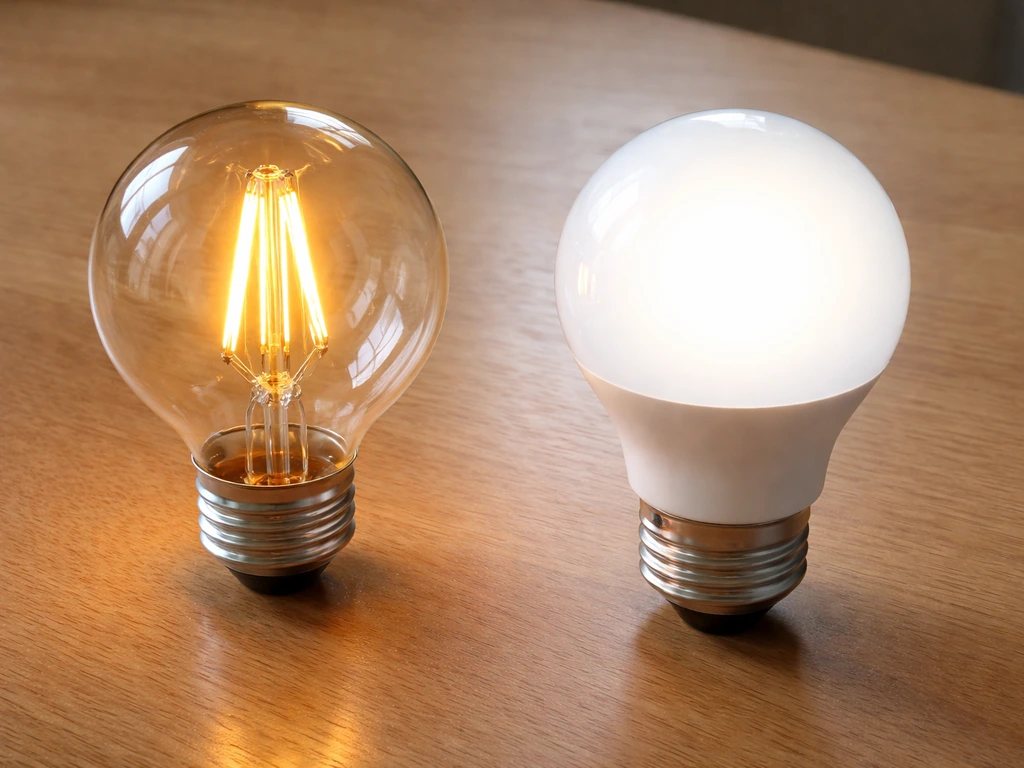
For ambiance, you want warm white in the 2200K to 2700K range. Feit Electric's popular 48 ft filament LED sets run at 2200K, which gives that deep amber, vintage-Edison glow. The Brightech Ambience Pro solar version runs at 2700K, which is a little brighter and crisper but still warm and flattering. For the top rated solar patio lights, focus on consistent runtime and a warm color temperature that still looks flattering after several evenings outside Brightech Ambience Pro solar. Anything above 3000K starts looking like a work light rather than a backyard retreat. If you want enough brightness to actually see your food at dinner, look for sets with 1-watt-per-bulb ratings or higher; decorative micro-LEDs are beautiful but won't illuminate a dining table.
Bulb type and replaceability
Globe filament LEDs (the classic Edison look) are the most popular for patios right now, and for good reason: they look great, run cool, and last far longer than old incandescent versions. One thing to know before you buy: some LED string light sets, including certain Feit Electric models, use non-replaceable LED bulbs. If a bulb fails, you may need to replace the whole strand rather than just the bulb. This isn't a dealbreaker for many people since LED bulbs rarely fail, but it's worth confirming on the spec sheet before you commit. Fairy-light strands almost universally use non-replaceable micro-LEDs. Cafe-style sets with screw-in globes typically allow individual bulb swaps.
Spacing, length, and coverage
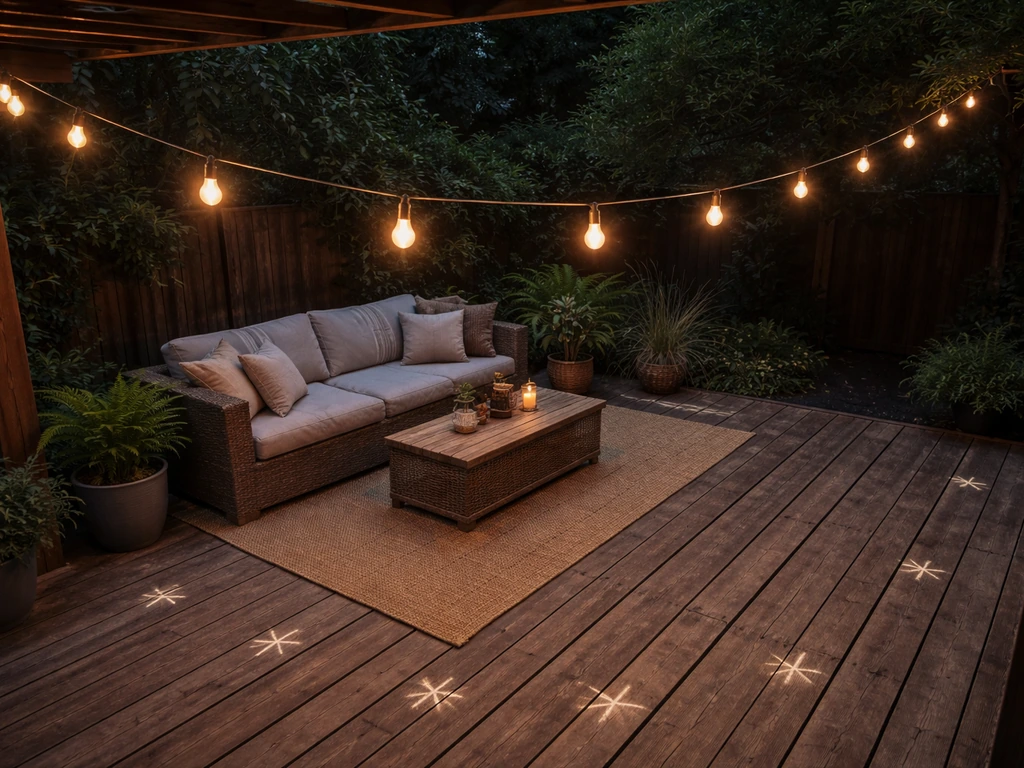
Bulb spacing is one of the most underrated specs. Feit Electric's 48 ft filament set puts 24 bulbs every 2 feet, which gives solid, even coverage without dark gaps. The Brightech Ambience Pro's 27 ft solar version spaces 12 bulbs at roughly 20 inches apart, giving a slightly denser look over a shorter run. Bob Vila’s Brightech Ambience Pro review specifies warm-white lighting at 2700K with 12 Edison-style 1-watt bulbs spaced 20 inches apart over a 27-foot solar cable 12 bulbs spaced at roughly 20 inches apart over a 27-foot cable. As a general rule, 2-foot spacing works well for globe/filament lights; fairy lights can get away with much tighter spacing because the bulbs are tiny. For larger patios, look for sets that connect end-to-end. Feit Electric's sets support this configuration, but watch the total wattage: their guidance caps connected strands at 1,080 watts total, so don't just keep daisy-chaining indefinitely.
Dimming capability
Not all LED string lights are dimmable, and plugging a non-dimmable set into a dimmer switch or smart plug with dimming capability can cause flickering or even damage the lights. If dimming matters to you (and it usually does for ambiance), look for sets explicitly rated as dimmable or buy a compatible smart plug that handles dimming correctly for your bulb type. Many people skip the dimmer entirely and just rely on the warm color temperature to set the mood, which works fine.
Weatherproofing and safety: the specs that protect you
IP ratings and location ratings
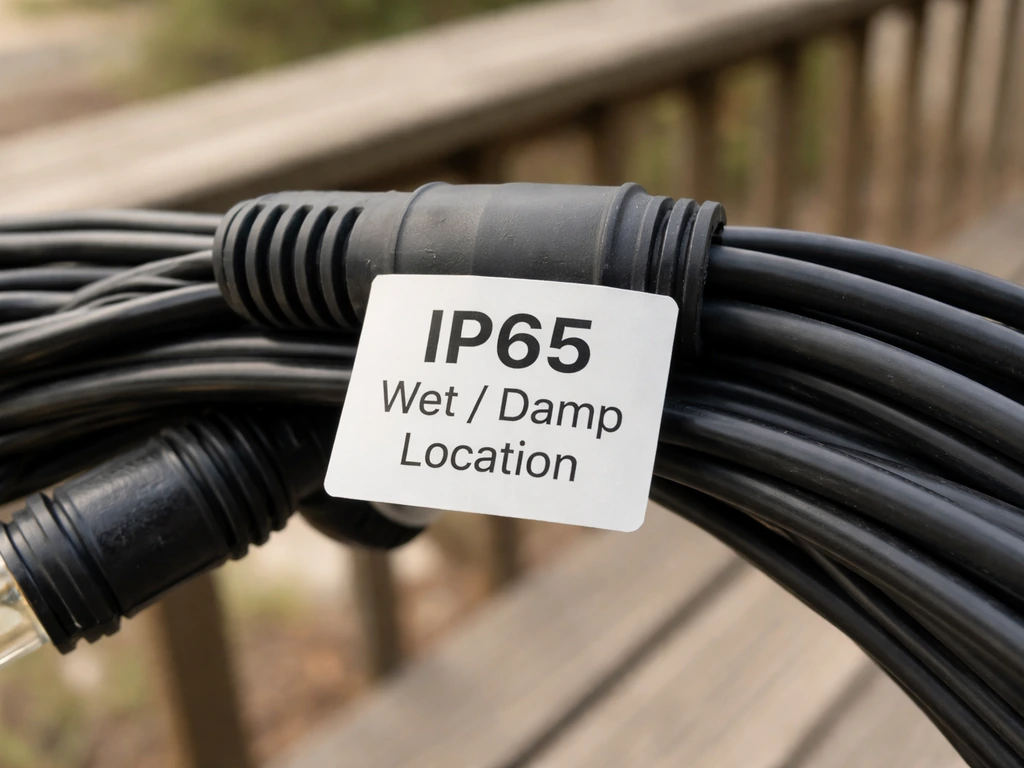
The two most important safety specs for outdoor string lights are the IP (Ingress Protection) rating and whether the product is listed for 'Wet' or 'Damp' locations. 'Wet location' is the higher standard and means the lights can handle direct rain exposure. Feit Electric's 48 ft LED string lights carry a 'Wet' location safety rating on their spec sheet, which is what you want for an exposed patio, pergola, or deck. 'Damp location' is fine for a covered porch where rain doesn't hit the lights directly. IP65 means fully dust-sealed and protected against water jets from any direction, and that's a solid target for most patios.
UL listings and what they actually mean
Marketing copy loves the word 'weatherproof,' but that word means nothing without a certification to back it up. What actually matters is a UL listing under UL/ANSI 588, which covers seasonal and decorative lighting strings in the U.S. A product evaluated under that standard carries a UL Solutions label, and that label should be physically on the product or packaging. The U.S. CPSC also references UL 588 for decorative lighting products. If a listing only says 'CE certified' with no UL mark, that's a European standard and doesn't guarantee it meets U.S. safety requirements. Always check for the UL mark on the product itself, not just in the marketing description.
GFCI protection for outdoor outlets
If you're plugging string lights into an exterior outlet, that outlet should have GFCI protection. Under NEC 210.8(F), outdoor receptacles require GFCI protection, and if you're replacing an older outlet, the replacement must include GFCI protection. This isn't just a code technicality: GFCI protection shuts off power instantly if there's a ground fault, which is exactly the kind of situation you can get when water meets an electrical connection outdoors. If your patio outlet doesn't have a GFCI breaker or a GFCI outlet (the kind with the 'Test/Reset' buttons), get that sorted before you string up lights.
Solar vs. plug-in: power options compared
| Power Type | Best For | Limitations | Runtime Notes |
|---|---|---|---|
| Plug-in (corded) | Most patios with nearby outlet; consistent brightness; dimmable options | Needs outlet access; cord management required | Unlimited as long as plugged in |
| Solar | Decks/pergolas with good sun exposure; no outlet needed | Performance drops in shade; ~6 hrs runtime on full charge | Brightech Ambience Pro: ~6 hrs light per full charge; needs ~6 hrs direct sun |
| Battery | Temporary installs, renters, areas with no outlet | Frequent battery changes; less bright than plug-in | Varies by pack; not ideal for nightly use |
Solar is appealing, but the honest limitation is runtime. Testing from Tom's Guide and Bob Vila both put the Brightech Ambience Pro solar at around 6 hours of light per full charge, with about 6 hours of direct sun needed to reach that charge. If your patio is shaded for a good part of the day, expect noticeably shorter runtimes. For most people who want consistent nightly ambiance, plug-in is still the most reliable choice. Solar is excellent for areas where running a cord isn't practical.
Top patio string light styles and who each one fits
Globe and filament (Edison-style)
This is the most popular style for a reason. Globe filament LEDs give that warm, romantic glow that photographs beautifully and makes a patio feel like a real outdoor room. They work on pergolas, across fence posts, above dining areas, or draped along eaves. The 2200K–2700K color range is flattering for people and plants alike. Best for: most homeowners who want a classic, timeless patio look that works for both casual hangouts and hosting.
Cafe-style (larger globes, commercial look)
Cafe lights use larger G40 or G50 globes on a heavier-gauge cable and are designed to look like outdoor restaurant or bistro lighting. They're sturdier than fairy lights and usually have screw-in replaceable bulbs. The bigger globes cast more light and look intentional and upscale. Best for: patios where you entertain often and want a polished, designed look rather than something that just 'appeared' on the fence.
Fairy lights (micro-LED strands)
Fairy lights use tiny pinpoint LEDs on thin wire, which makes them extremely flexible and easy to weave through railings, potted plants, pergola beams, or outdoor curtains. They create a sparkly, magical effect rather than the warm globe glow. They're not great for task lighting at all, but for pure ambiance on a small balcony or as an accent layer on a larger patio, they're hard to beat. Best for: renters, balconies, small spaces, or layering on top of existing lighting.
LED rope lights
Rope lights enclose LEDs in a clear or frosted PVC tube, making them extremely weather-resistant and good for outlining structures (steps, deck rails, pergola beams). They're not the most glamorous option, but they're practical for safety lighting around steps or edges. Best for: structural accent lighting, safety illumination for steps or walkways, or supplementing other light sources.
How to read reviews and avoid common disappointments
The most important thing to understand about online star ratings is that they're not a simple average of all reviews. If you are weighing an Amazon Basics patio string light, treat early review spikes the same way and confirm you get the outdoor-rated specs you actually need. Amazon's model weights recent reviews and verified purchases more heavily, which means a product that just launched can show a higher rating than it deserves based on real-world outdoor experience. A product with a 4.3-star rating and 3,000 reviews spread over two years is much more trustworthy than a 4.8-star product with 150 reviews from the last 90 days.
When you're reading reviews for outdoor string lights specifically, here's how to filter for what actually matters:
- Sort by 'Most Recent' and look for reviews mentioning outdoor use, seasons, or weather. A review that says 'great in the living room!' tells you nothing about patio durability.
- Look for complaints about flickering, corrosion, or socket failure after 3–6 months. These are the most common real-world failure modes.
- Check 1- and 2-star reviews specifically for patterns: if five people mention the same problem (bulbs burning out after one summer, cords getting stiff in cold weather, solar panels failing), that's a real issue.
- Be skeptical of reviews with no specifics. 'Love these lights!' with no detail about how long or where they've been used is nearly useless.
- Look for photos in reviews. Real outdoor installation photos tell you more about look, scale, and sag than any product photo.
- Watch for the 'verified purchase' label. Amazon flags this, and non-verified reviews are more likely to be incentivized or fake.
- Red flag: a product with hundreds of reviews but almost no negative ones. Real outdoor string lights generate real complaints. A suspiciously clean review profile often means review management.
Common complaint patterns to watch for: sockets that crack or corrode after one winter, non-replaceable bulbs that fail and make the whole strand useless, solar panels that stop holding charge after one season, and cords that stiffen, crack, or develop shorts in cold climates. If you see more than a handful of these in the negative reviews, move on.
Matching lights to your patio size and layout
This is the step most people skip and then regret. Measure before you buy. A 48 ft strand sounds like a lot until you realize you need to drape it in a zigzag pattern across a 20 x 20 ft patio, which can eat up 60+ feet of strand very quickly.
- Measure your patio dimensions and sketch the mounting points (fence posts, pergola beams, eave hooks, poles). Mark where you'll anchor each end of each strand.
- Calculate the total length needed by measuring the actual cable path, not just the patio footprint. Add 10–15% for sag (a slight droop looks intentional and elegant; a tight, taut line looks cheap).
- Decide on your pattern: straight runs from one side to the other, a zigzag/grid across the full space, or a perimeter outline. Each has different length requirements.
- Check for outlet proximity. Your plug-in point should be within reach of the strand's lead wire (the plain wire section before the first bulb). If the outlet is far away, use a heavy-duty outdoor extension cord rated for the load, not a cheap indoor cord.
- Plan your mounting hardware before buying lights: screw-in eye hooks, cable clips, or adhesive hooks for wood vs. stucco vs. metal surfaces. This Old House recommends keeping straight cable runs tight but loosening end hardware slightly to allow a natural, gentle sag that looks intentional.
- For larger patios needing multiple strands, confirm the maximum connectable wattage. Feit Electric's guidance caps daisy-chained strands at 1,080 watts total. Calculate your per-strand wattage and stay well under that limit.
| Patio Size | Recommended Strand Length | Suggested Pattern | Notes |
|---|---|---|---|
| Small (up to 10x12 ft) | 25–30 ft | Single straight run or perimeter | One strand often enough; fairy lights work well here |
| Medium (12x20 ft) | 48–60 ft | 2–3 parallel runs or zigzag | One 48 ft set or two shorter strands connected |
| Large (20x30 ft+) | 80–120+ ft | Grid or multi-run zigzag | Multiple connectable strands; watch total wattage cap |
Installation, timers, and keeping lights working long-term
Installation basics
The most important installation rule is to never over-tension the cable. String lights are not structural wire: pulling them too tight puts stress on the sockets and shortens the life of the strand. Plan to use guide wire or catenary cable if you're spanning a long open distance, and hang the string lights from that wire rather than letting the strand itself bear the full load. For pergolas and eaves, eye hooks and S-hooks are the most common and reliable approach. For fence runs, cable clips or staples (used gently, not crushing the cord) work well. The Brightech Ambience Pro, for what it's worth, is tested to handle winds up to 50 mph without coming down, which gives you a sense of what a quality strand construction looks like.
Using timers and smart plugs
A simple outdoor timer or smart plug is one of the best upgrades you can make to any plug-in string light setup. Set them to come on at dusk and turn off at midnight (or whenever you want), and you'll never forget to unplug them. Smart plugs with app control let you dim compatible lights, set schedules, and control them from anywhere. Just confirm your lights are rated as dimmable before using a smart plug's dimming function: non-dimmable LEDs can flicker badly or fail early when subjected to dimming voltage. For non-dimmable sets, use a smart plug's on/off scheduling only.
Maintenance for lasting performance
LED patio string lights need very little maintenance, but a few habits will extend their life significantly. At the start of each season, inspect sockets for corrosion or cracking, check the cord for brittleness or damage (especially at plug connections), and wipe down solar panels if applicable. If you live somewhere with harsh winters, taking down corded plug-in lights for the off-season is worth the effort: cold temperatures make cords brittle, and UV exposure degrades insulation over time. Coil and store them loosely rather than tight-wrapping, which stresses the cable. For solar string lights, bring the panel indoors during extended periods with no sun to avoid battery degradation.
One note on bulb replacement: if you buy a set with non-replaceable LED bulbs (common in many Feit Electric filament sets), your maintenance strategy is different. These sets rarely fail mid-season because LEDs are so reliable, but if one does go out, your option is replacing the whole strand. That's less of an issue than it sounds, but it's worth knowing upfront so you're not hunting for a replacement bulb that doesn't exist. Sets with screw-in replaceable globes (cafe-style) give you more flexibility but require you to stock spare bulbs.
A quick comparison of top-rated options
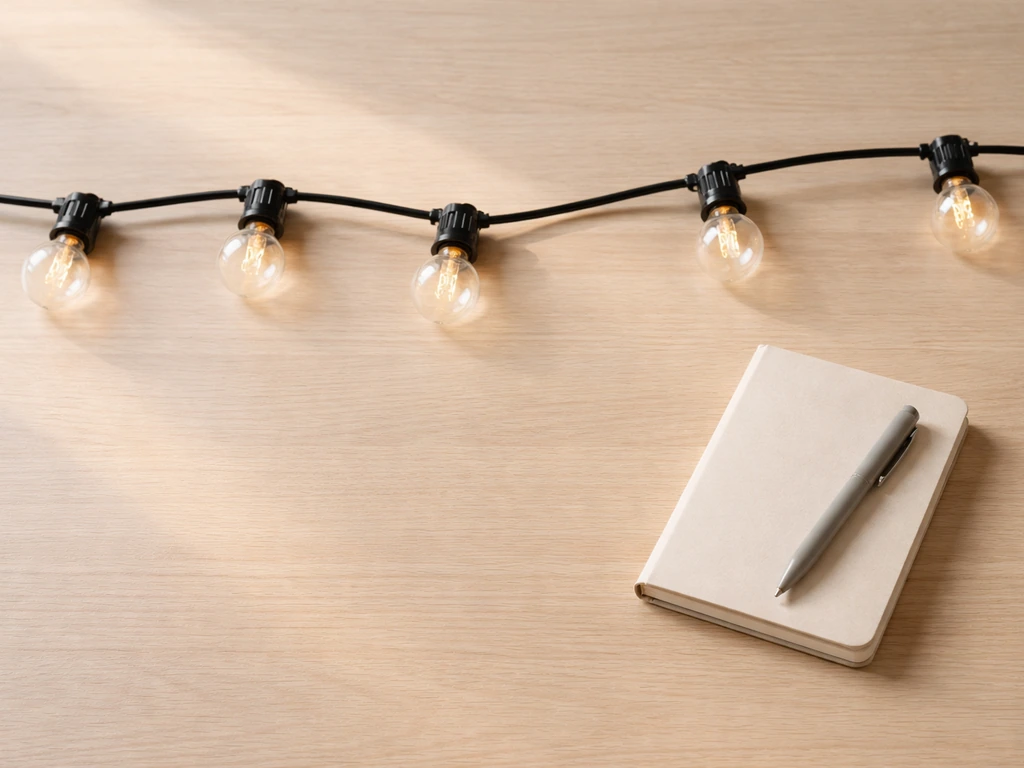
| Product / Style | Length | Bulb Spacing | Color Temp | Power | Replaceability | Best For |
|---|---|---|---|---|---|---|
| Feit Electric 48 ft LED Filament | 48 ft | 2 ft (24 bulbs) | 2200K | Plug-in | Non-replaceable LED | Most patios; classic Edison look; connectable sets |
| Brightech Ambience Pro (plug-in) | 27 ft | ~20 in (12 bulbs) | 2700K | Plug-in | Screw-in replaceable | Premium look; medium patios; wind-tested |
| Brightech Ambience Pro (solar) | 27 ft | ~20 in (12 bulbs) | 2700K | Solar | Screw-in replaceable | Cord-free setups; good sun exposure required |
| Cafe/Globe LED strands (general) | 25–50 ft | 1–2 ft | 2700–3000K | Plug-in | Usually replaceable | Entertaining spaces; commercial bistro look |
| Fairy/micro-LED strands | 10–33 ft | 1–3 in | 2700–4000K | Plug-in or battery | Non-replaceable | Balconies, small spaces, accent layering |
If you want to dive deeper into any one category, LED-specific options and solar patio string light performance each have their own nuances worth exploring separately. If you want to compare options side by side, look up solar patio string lights reviews that call out real runtime, weather resistance, and brightness solar patio string light performance. The LED format in particular has evolved quickly and there are now options that blend energy efficiency with surprisingly close replication of the old incandescent filament glow. Solar options are improving too, though the runtime and sun-exposure limitations are still real constraints worth planning around before you buy.
FAQ
Can I use a dimmer or dimmable smart plug with the best rated patio string lights?
Yes, but only if the string is explicitly rated for dimming and you match the dimmer or smart plug to LED type. If it is not labeled dimmable, using a dimmable smart plug often causes flicker, reduced life, or a partial shutdown rather than smoother ambiance.
Are wet-rated patio string lights necessary, or is damp rating enough?
Prefer a wet-location certified strand (or IP rating that explicitly meets the same level) when rain or sprinklers can hit the bulbs directly. If it is only damp-rated, keep it under a covered soffit, awning, or pergola where water cannot pool or run down the cord and sockets.
How do I calculate how many feet of string lights I actually need for my patio?
Not always. Measure both your run length and your cable route, then add slack for sag. If you are building a zigzag or wrapping around corners, the strand length can be 1.5x to 2x what you think you need.
What should I check besides the star rating to ensure the lights are truly safe outdoors?
Look for a UL listing that matches decorative lighting strings (and verify the UL label is on the product or packaging). “CE” alone is not the same safety standard for U.S. use, and an unlisted set can fail if it is not designed for outdoor insulation, strain relief, and rain exposure.
Can I span a long distance across my patio with string lights?
Yes, but plan the installation differently. You should not rely on pulling the string itself to span a gap; instead, use a guide wire or catenary cable and hang the lights from it so the sockets do not bear the full tension and stress.
If one bulb goes out, can I replace it, or do I have to replace the whole strand?
It depends on the set design. Globe/filament strands sometimes use non-replaceable LEDs, meaning one failure may require replacing the entire strand. Cafe-style sets with screw-in bulbs generally allow individual bulb swaps, which is a big factor for long-term value.
Do patio string lights perform differently in very hot or very cold climates?
Yes, but temperature affects LED aesthetics and cord durability. In hot climates, prioritize good ventilation and outdoor-rated insulation to prevent premature cracking. In cold climates, plan to remove corded plug-in strings before hard freezes, because cold makes cords stiff and more prone to insulation damage.
What outlet safety is required for plugging patio string lights in outdoors?
They need a GFCI-protected outlet. If your existing outdoor outlet is not GFCI, using a non-GFCI outlet increases risk during rain or accidental ground faults. If you are unsure, have the outlet checked before installing a corded strand.
Why do some solar patio string lights only last a few hours at night?
Most solar strings will have a short runtime if your patio gets limited direct sun. As a rule, assess whether the panel gets several hours of unobstructed sun at the same time you want lights on, otherwise expect noticeably fewer hours or earlier shutoff after cloudy days.
How can I make sure the best rated patio string lights are bright enough for a dining table?
For patio ambiance and dinner visibility, warm white alone is not enough. Choose a brightness level intended for task-ish lighting, especially over dining areas, rather than only decorative fairy sparkle.
Does bulb spacing really matter, or can I space them however I can?
Yes, and it is one of the most common “looks wrong” issues. If you space bulbs too far apart, you get dark gaps and uneven glow. For globe/filament styles, aim for around 2-foot spacing as a baseline, then adjust for the visual coverage you want.
Next Articles
Best Sunbrella Patio Cushions: Top Picks, Guide & Maintenance
Find the best Sunbrella patio cushions: durable, fade‑resistant picks, buying tips, care, and top recommendations.
Alternative to Patio Cushions: Durable, Stylish Options and DIY
Alternative to patio cushions: durable, weatherproof seating options, pros, DIY tips & buying guide.
Best Color for Outdoor Patio Cushions in 2026
Choose the best cushion color for sun, heat, and fading in 2026, with pairing tips for patio furniture and durability.