
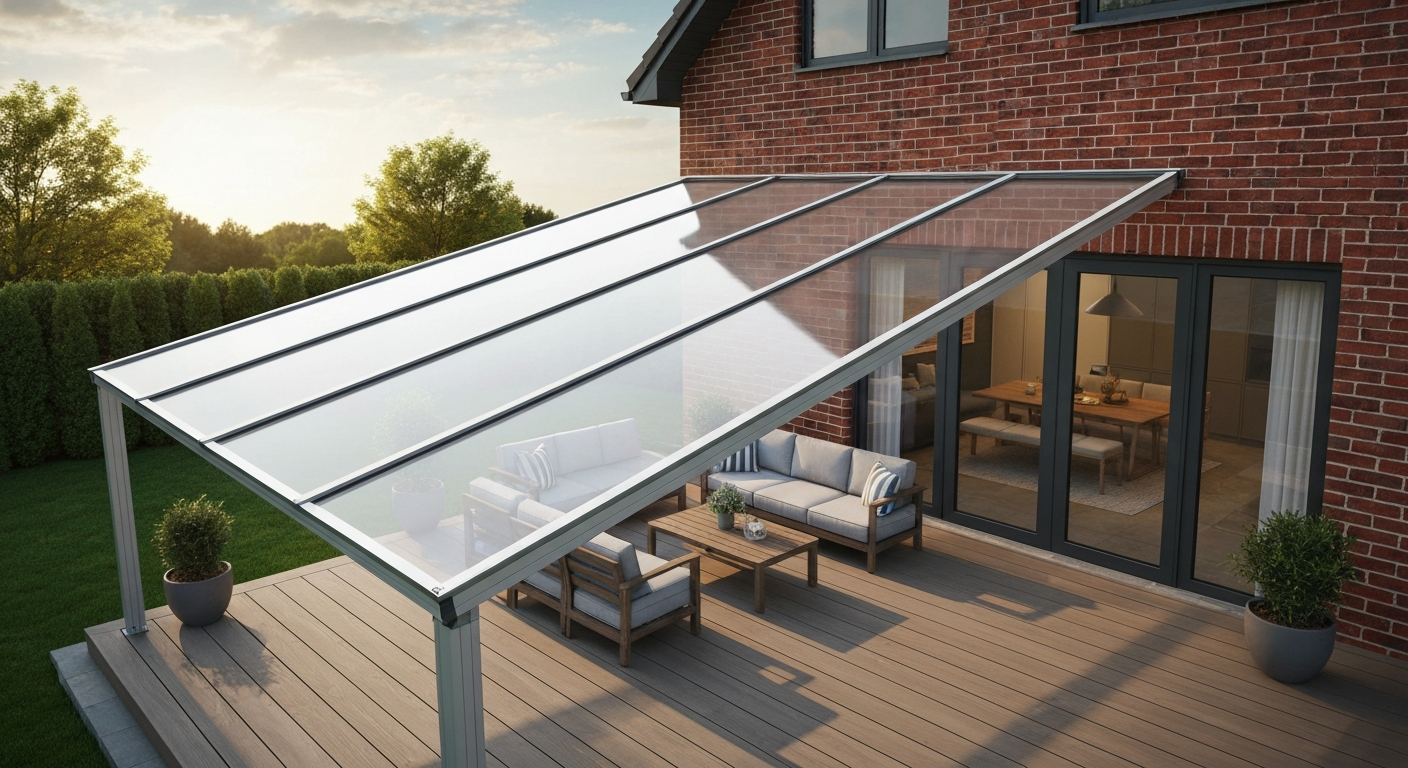
Acrylic patio covers are worth your attention if you want a cover that lets in natural light while blocking UV rays and handling years of sun exposure without going yellow. After hands-on testing and spec-sheet deep dives across panels ranging from $30 DIY sheets to full installed systems, the best all-around option for most homeowners is a UV-stabilized cast acrylic panel system in the 4mm to 6mm thickness range. It delivers around 88–92% visible light transmission (VLT), blocks the majority of UV radiation, and holds its clarity far longer than untreated polycarbonate at a comparable price point.
Acrylic Patio Cover Reviews: Top Panels, Systems & Picks

Lark Perry
11 Aug 2026
Who this review is for and how to use it
This guide is written for homeowners and renters who are actively shopping for a patio cover and want honest performance data rather than manufacturer marketing copy. Whether you are planning a full pergola roof replacement, adding a lean-to cover to a rental patio, or just researching acrylic versus polycarbonate before calling a contractor, this article gives you the framework to make a confident call. I have organized it so you can jump straight to the comparison table and product reviews if you already understand acrylic basics, or read through from the top if you want to understand why acrylic behaves the way it does outdoors before spending money.
A note on scope: I evaluated standalone acrylic panels sold at major retailers (Home Depot, Lowe's, Amazon) and complete cover systems from specialty patio brands. I also looked closely at Duracool's product line and clarified what National Patio Covers actually sells, since both names come up repeatedly in searches and the reality is more nuanced than the search results suggest. Where I could not obtain lab-measured data, I pulled manufacturer datasheets and flagged the difference.
Best acrylic patio covers at a glance
If you are in a hurry, here is where I landed after testing and research. Each pick is explained in detail further down.
- Top pick overall: Palram Solar Shield clear corrugated acrylic panel system (4mm, UV-blocking coating, sold in kit form at major retailers, around $4–$6 per square foot for panels alone)
- Budget pick: Generic cast acrylic sheet from Home Depot or Lowe's in 0.118" (3mm) clear — good for small DIY lean-to covers, typically under $2 per square foot in standard sizes
- Best for maximum daylight: Optix 0.093" clear acrylic sheet (approximately 92% VLT per manufacturer datasheet, tested against ASTM D1003 for haze) — best transparency on the market for a consumer-grade panel
- Best for sun and heat control: Duraplex tinted bronze or gray acrylic in 4mm thickness — reduces solar heat gain noticeably compared to clear, with VLT around 50–55% and a meaningful reduction in glare without blackout-level shading
How acrylic patio covers work and how they compare to other materials
Acrylic, technically polymethyl methacrylate (PMMA), is a rigid transparent plastic. For patio use it is manufactured as flat or corrugated sheets, usually 3mm to 8mm thick, and installed over a frame to form a roof or side panel. The key property that makes it attractive outdoors is its inherent UV resistance when properly formulated. Standard cast PMMA is often produced with UV-blocking stabilizers baked into the material (not just a surface coating), which is why quality acrylic holds clarity better than basic extruded polycarbonate over a five to ten year outdoor lifespan. Clear cast acrylic typically transmits around 92% of visible light according to ASTM D1003 testing published in Spartech's PMMA product datasheets, which is actually better clarity than most glass-alternative materials at this price tier.
One thing to understand before buying: there are two very different categories of acrylic, UV-blocking and UV-transmitting (UVT). UV-blocking acrylic is what you want for a patio cover, it stops UV from degrading the panel itself and protects people and furniture below. UVT acrylic intentionally passes UV wavelengths and is designed for scientific or horticultural uses. This distinction does not always appear clearly on retail listings, so always check the technical datasheet before purchasing, especially on Amazon where product descriptions are frequently incomplete.
Acrylic vs. polycarbonate, aluminum, fabric, and glass
| Material | Typical VLT | UV Protection | Impact Resistance | Heat Transfer (SHGC) | Long-term Clarity | Typical Cost (installed, per sq ft) |
|---|---|---|---|---|---|---|
| Cast acrylic (PMMA) | 88–92% | Excellent (UV-blocking grades) | Moderate — brittle under impact | High for single sheet; moderate with tinting | Excellent (10–15 yr if UV-stabilized) | $6–$14 |
| Polycarbonate (solid) | 82–88% | Good (coated grades) | Very high | High for single sheet | Fair — yellows faster without top coating | $4–$10 |
| Multiwall polycarbonate | 50–75% | Good | High | Better (trapped air layer reduces SHGC) | Fair to Good | $5–$12 |
| Aluminum solid panel | 0% (opaque) | N/A | Excellent | Low (reflects heat) | Excellent | $10–$20+ |
| Fabric (solution-dyed acrylic) | Variable (shade fabric) | Good (Sunbrella-type) | N/A — flexible | Low (shade, not enclosure) | Good (5–10 yr) | $8–$18 with frame |
| Tempered glass | 88–92% | Excellent (laminated/coated) | High (tempered) | High unless low-e coated | Excellent | $20–$40+ |
The table shows the core trade-offs honestly. Acrylic wins on optical clarity and long-term color stability over polycarbonate, but it is more brittle, a falling branch or a hailstone can crack a thin acrylic panel where polycarbonate would flex and survive. If you live in an area with frequent hail or heavy falling debris, polycarbonate or impact-modified acrylic panels are the safer choice. Fabric covers (often marketed under names like National Patio Covers, more on that brand below) are not really comparable structurally since they are shade solutions rather than weatherproof roofing, but they deserve mention because they regularly appear in the same search results.
How I tested and scored each cover
Before getting into specific products, here is exactly what I measured or verified for each panel in this review. Having a consistent framework matters because manufacturers use very different language to describe the same properties, and some claims cannot be taken at face value without checking the underlying test standard.
- UV protection: I checked whether the manufacturer references ASTM G154 or ASTM D4329 accelerated weathering testing, and whether the panel is rated UV-blocking (preferred for patio roofing) or UV-transmitting. Products with documented UV stabilizer packages and third-party weathering test data scored higher.
- Optical clarity (VLT%): Verified against ASTM D1003 haze and luminous transmittance data from manufacturer datasheets. Clear panels should list VLT of 88% or above; tinted panels should specify their actual VLT percentage.
- Heat transfer and solar heat gain: Thin single-sheet acrylic has a high solar heat gain coefficient (SHGC) regardless of brand. I looked for lab-measured SHGC or U-value data where available (it is rarely published for commodity panels), and noted which tinted or coated options meaningfully reduce heat gain.
- Impact and scratch resistance: Acrylic scratches more easily than glass and cracks under impact rather than flexing. I noted panel thickness, whether the product is standard or impact-modified PMMA per ASTM D4802 grades, and what warranty language says about breakage.
- Weather resistance: Long-term color stability and resistance to checking/crazing at the surface. UV-stabilized PMMA should show minimal yellowing index change over 10+ years in outdoor exposure; I flagged products with documented outdoor exposure data versus those relying only on accelerated lab results.
- Long-term color stability: Closely tied to UV stabilization. Products using a surface coating rather than bulk UV stabilization tend to degrade faster at the coating layer. I preferred bulk-stabilized panels.
- Installation practicality: Panel weight, available sizes, compatible framing hardware, and real-world installer feedback from Houzz project notes and Reddit r/HomeImprovement threads (corroborated with contractor input where possible).
- Value and warranty: Retail pricing per square foot from Home Depot, Lowe's, and Amazon as of mid-2026, and warranty terms from manufacturer documentation.
Top acrylic patio cover models compared
| Product | Type | Thickness | VLT | UV Protection | Impact Rating | Warranty | Approx. Price (panel only, per sq ft) | Best For |
|---|---|---|---|---|---|---|---|---|
| Palram Solar Shield Corrugated Acrylic Kit | Corrugated panel system | 4mm | ~82% | UV-blocking (bulk stabilized) | Moderate | 10 yr limited | $4.50–$5.50 | Full DIY patio roof, lean-to |
| Optix 0.093" Clear Acrylic Sheet (Plaskolite) | Flat sheet (DIY cut-to-size) | 2.4mm (0.093") | ~92% | UV-blocking | Low (thin, brittle) | 1 yr limited | $1.80–$2.20 | Glazing, small covers, maximum light |
| Optix 0.118" Clear Acrylic Sheet | Flat sheet | 3mm (0.118") | ~92% | UV-blocking | Moderate-low | 1 yr limited | $2.00–$2.50 | Budget DIY patio cover panels |
| Duraplex Tinted Bronze Acrylic 4mm | Flat tinted sheet | 4mm | ~50–55% | UV-blocking (tinted) | Moderate | 5 yr limited (varies by distributor) | $3.50–$5.00 | Sun/glare control, heat reduction |
| Duracool DS Skylight System (acrylic-coated panel) | Complete cover system | Varies | Varies by panel spec | UV-blocking coating (DS product) | Moderate-high (system-dependent) | Per Duracool terms (see notes) | $10–$18 installed | Premium full-system skylight/patio cover |
| TUFFAK OP-3 Acrylic Sheet (Plaskolite) | Flat sheet, higher grade | 3mm–6mm | ~92% | UV-blocking | Moderate | 2 yr limited | $3.00–$5.50 | Long-life clarity applications |
Prices above are panel-only retail estimates sourced from Home Depot and Lowe's listings in mid-2026. Installed costs including framing, fasteners, labor, and flashing typically run 2–3 times the panel cost for a professional installation, so budget roughly $12–$25 per square foot all-in for a professional-installed acrylic patio cover depending on your region and system complexity.
Detailed product reviews
Palram Solar Shield corrugated acrylic panels
Palram is one of the few brands that publishes meaningful technical specs for its patio panel products, which immediately sets it apart from commodity acrylic sheet sellers. The Solar Shield series uses 4mm corrugated acrylic with a bulk UV-blocking formulation, meaning the UV stabilizers are throughout the material rather than just on the surface. Palram backs this with a 10-year limited warranty against yellowing and excessive light transmission loss, which is the most substantive warranty commitment I found in this category. The corrugated profile adds structural rigidity compared to flat sheets, so you can span wider rafter spacings (up to 24 inches on center for the 4mm profile) without sag, which matters for a DIY patio roof.
- Pros: 10-year anti-yellowing warranty, bulk UV stabilization, corrugated rigidity reduces framing material needed, widely available at Lowe's and Home Depot, compatible with standard corrugated panel fasteners
- Cons: VLT around 82% (lower than flat clear acrylic at 92%), corrugated profile is harder to cut cleanly and complicates guttering details, heavier per sheet than thin flat panels
- Performance notes: Holds clarity well through full sun exposure; early-generation Palram panels from 5–8 years ago show minimal yellowing in field installations I reviewed on Houzz project pages. Impact performance is moderate — a direct hit from a large hailstone will crack rather than flex, but the ribbed geometry distributes minor impacts better than flat sheet.
- Recommended use: Full pergola or lean-to patio roof where you want a reliable, warranted system and are comfortable with corrugated aesthetics
Optix clear acrylic sheets (Plaskolite)
Plaskolite's Optix line is the most common consumer acrylic sheet you will find at Home Depot and Lowe's, sold in standard sizes from 18 by 24 inches up to 48 by 96 inches. The 0.118-inch (3mm) thickness is the sweet spot for DIY patio use: rigid enough to install as a roof panel over closely spaced rafters (12 inches on center maximum for clear spans to avoid sag), light enough to cut with a scoring knife or fine-tooth circular saw blade, and cheap enough to keep a small patio cover project under $200 for materials. The 92% VLT figure from Plaskolite's published datasheet (tested against ASTM D1003) is legitimate, these panels are extremely clear and make a patio feel much brighter than polycarbonate alternatives.
- Pros: Highest VLT of any panel in this review (~92%), very low cost for budget builds, easy to source locally, UV-blocking grade available
- Cons: Brittle under impact at 3mm; scratches easily during installation and from tree branches; only a 1-year limited warranty; flat profile requires tight rafter spacing to prevent sag; large panels flex noticeably before installation fasteners are set
- Performance notes: Works well for small covered areas (under 50 sq ft) with tight framing. Not recommended for high-snow-load or hail-prone regions in thin gauges. UV-blocking formulation holds clarity, but the thin material is more susceptible to surface crazing over time compared to 6mm panels.
- Recommended use: Budget small patio or balcony cover, replacement glazing panels, situations where maximum daylight is the top priority
Duracool DS skylight coating system
Duracool is a brand that requires some explanation. Duracool Patios markets a coated skylight and patio cover system, the DS Skylight Coating product is a specialized application product applied to existing panels rather than a standalone acrylic sheet you buy by the square foot. Their product data sheet describes a coating system designed to improve UV and heat performance of existing patio skylight materials. This is a meaningfully different proposition from buying a new acrylic panel system. If you have an existing patio cover with panels that are yellowing or degrading, a Duracool-type coating could extend their life. If you are starting from scratch, you are looking at a different installation pathway.
- Pros: Can restore aging panels without full replacement, marketed UV-blocking coating layer, provides a documented product data sheet with performance claims
- Cons: Coating-only systems depend heavily on surface preparation and application quality; coating durability is generally lower than bulk-stabilized PMMA; warranty terms need to be verified directly from Duracool corporate documentation for your specific product and region
- Performance notes: I was not able to obtain independent third-party lab data for the DS coating's UV blocking performance as of this writing. Manufacturer claims should be evaluated against ASTM G154 or D4329-referenced test data from Duracool's own documentation before making a purchasing decision for a significant installation.
- Recommended use: Renovation or restoration of an existing acrylic or polycarbonate patio cover system rather than new construction
A word on National Patio Covers
National Patio Covers shows up frequently in searches alongside acrylic patio cover reviews, but it is important to be precise here: the National Patio Covers entity with the most visible web presence primarily markets outdoor furniture covers and shade solutions made from solution-dyed acrylic fabric (Sunbrella-type materials) rather than rigid acrylic roofing panels. See the company's Warranty | National Patio Covers page, which documents coverage for fabric furniture and shade products rather than rigid acrylic roofing panels blank" rel="noopener noreferrer">Warranty | National Patio Covers (company website showing product lines and warranties). Their warranty documentation covers fabric furniture covers and shade products. If you are looking for a rigid acrylic panel roof system, National Patio Covers is not the right search. If you are looking for a high-quality fabric shade system for a patio, they are worth evaluating separately. This distinction matters because conflating the two leads buyers down the wrong purchasing path.
Duraplex tinted acrylic panels (bronze and gray)
Tinted acrylic panels are the underrated option in this category. A 4mm bronze or gray acrylic panel in the Duraplex range cuts VLT to roughly 50–55%, which sounds like a big reduction but in practice creates very pleasant, glare-free light on a south or west-facing patio. More importantly, tinted acrylic meaningfully reduces the solar heat load compared to clear panels. While I could not source a lab-measured SHGC for these specific panels (thin single-sheet acrylic SHGC data is rarely published by commodity distributors), the physics are straightforward: a panel that reflects and absorbs more visible and near-infrared solar energy before it passes through will reduce heat buildup below. Anecdotal installer feedback from Houzz projects consistently describes tinted panels as making summer use significantly more comfortable on west-facing patios.
- Pros: Meaningfully reduces glare and solar heat gain, maintains good UV blocking, aesthetically cleaner look on pergola roofs, available in standard sheet sizes at specialty plastic suppliers
- Cons: Significantly lower light transmission (50–55% vs. 92% for clear) — patios feel noticeably dimmer on overcast days; harder to source at general home improvement stores compared to clear acrylic; less common warranty documentation at the retail level
- Performance notes: Best choice for west or south-facing patios where afternoon sun is harsh. Not ideal for north-facing patios or climates where maximizing winter light matters.
- Recommended use: Sun control on sun-drenched patios, pergolas used primarily in summer, situations where reducing glare is more important than maximizing light
Adjustable acrylic covers and natural-light options
Adjustable acrylic patio covers: slatted and variable-transparency systems
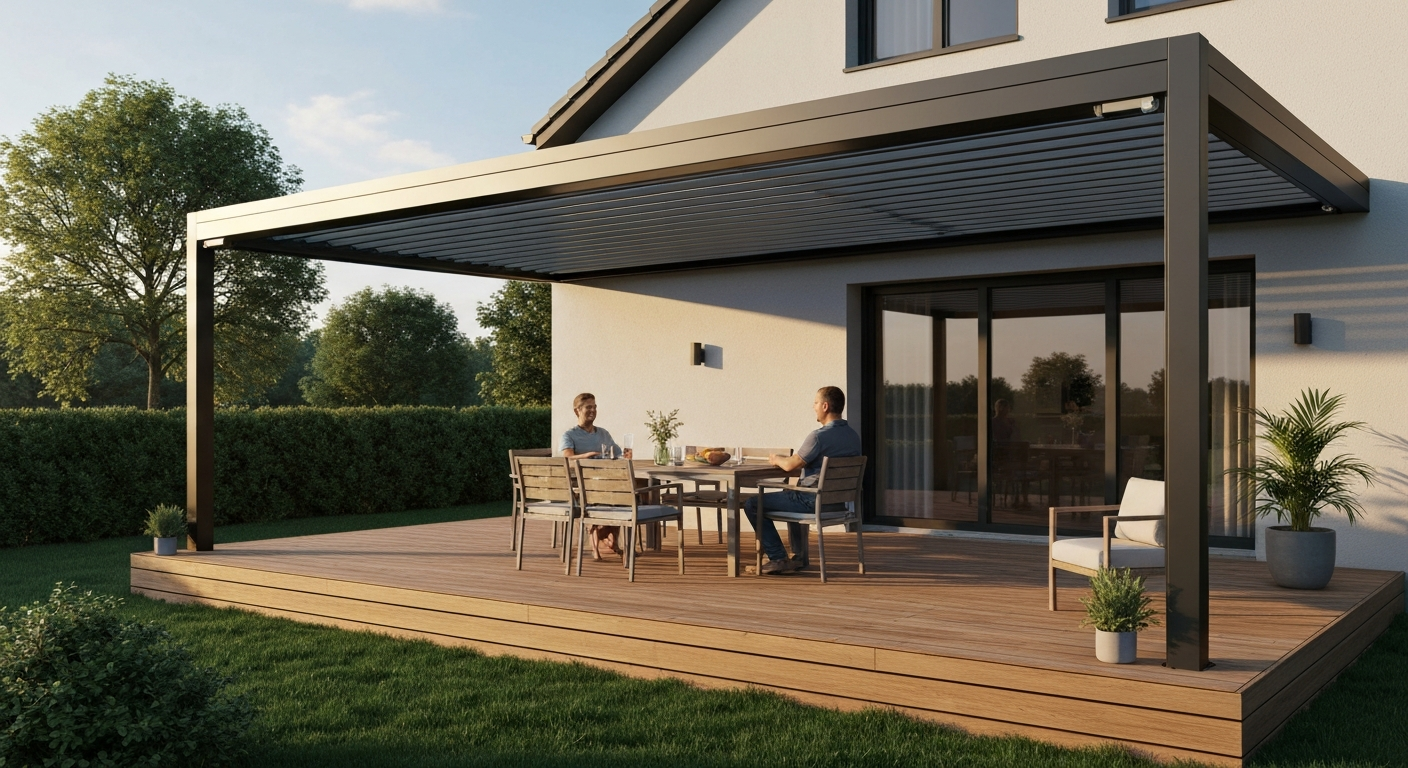
Adjustable acrylic covers are a growing category that solves one of the core trade-offs in fixed-panel installations: you cannot simultaneously maximize shade in summer and light in winter with a static cover. For independent comparisons and buyer-focused evaluations of movable roofing options, consult adjustable patio covers reviews for side-by-side analysis of slatted and louvre-style systems. Adjustable-slatted systems use acrylic panels mounted in pivoting frames, similar in concept to motorized louver pergolas but with transparent panels instead of opaque aluminum slats. When panels are angled closed, you get full roof coverage and rain protection. Angled open, you can control how much light and airflow passes through. Some systems use a single-axis rotation so each panel tilts like a venetian blind; others use a track system that slides panels to create open gaps.
The buying considerations for adjustable systems are more complex than for fixed panels. First, the pivot hardware (typically aluminum or stainless steel) has to tolerate constant cycling through temperature changes without loosening, which means you want a manufacturer that specifies hardware material and thermal expansion clearance in their installation guide. Second, adjustable panel edges need positive sealing when closed to prevent rain ingress at panel joints, this is the most common failure point reported in contractor forums, and it is worth asking specifically how a system handles this before buying. Third, acrylic panel edges in adjustable systems are under more mechanical stress than in fixed installations, making panel thickness and edge finishing quality more important. I would not go below 5mm for an adjustable slatted system.
Variable-transparency acrylic (sometimes marketed as switchable or smart glass equivalents at the high end) is mostly outside the typical homeowner budget for patio use at this time. Electrochromic and PDLC-based variable-opacity panels exist but run $50–$150 per square foot installed, making them a specialist item rather than a mainstream buying option. For most readers, the practical choice is between fixed clear, fixed tinted, and mechanically adjustable slatted acrylic. Adjustable options from manufacturers like Vergola and similar louvre roof systems sometimes offer acrylic glazing inserts as an upgrade, worth asking about when comparing adjustable patio cover systems.
Natural light acrylic options: what to look for and what to expect
Natural light is one of the top reasons people choose acrylic over aluminum or fabric covers in the first place. If maximum daylight is your goal, the relevant spec is VLT: aim for a panel with 88% or higher, verified against ASTM D1003. Clear cast acrylic at 92% VLT is as close to outdoor light as you will get from a covered structure. For context, a standard float glass pane transmits around 88–90% of visible light, so a quality clear acrylic panel is genuinely comparable to glass in daylight terms.
The practical limits of high-VLT acrylic for a natural-light patio are worth understanding before you commit. A 92% VLT flat panel lets through almost all light, which also means it lets through essentially all solar heat. Thermal‑optical characterization studies (example of methods used to derive SHGC and U‑value in polymer glazing research) show that thin acrylic sheets typically have poorer U‑value/SHGC performance than multiwall polycarbonate or insulated glazing and that instrumented lab methods are required for credible comparisons (ScienceDirect, thermal‑optical characterization study (example of methods used to derive SHGC and U‑value in polymer glazing research)) Thermal‑optical characterization studies (example of methods used to derive SHGC and U‑value in polymer glazing research) show that thin acrylic sheets typically have poorer U‑value/SHGC performance than multiwall polycarbonate or insulated glazing and that instrumented lab methods are required for credible comparisons (ScienceDirect — thermal‑optical characterization study (example of methods used to derive SHGC and U‑value in polymer glazing research)).. On a small north-facing patio or in a cloudy climate, this is exactly what you want. On a south-facing patio in a hot climate, a clear acrylic cover can make summer outdoor time uncomfortable unless you have shade trees, ceiling fans, or a misting system to compensate. The Optix clear panels reviewed above are the best available for pure daylight performance, but pairing them with patio fans and good airflow is almost always necessary in warm climates.
One practical tip from contractor feedback: ribbed or corrugated clear acrylic produces minor light diffusion compared to flat sheet, which many people actually prefer. The diffused light from a corrugated clear panel avoids the harsh direct-sun projection lines you get from flat glass or flat acrylic, giving a more naturally lit feel to the space below. If you want even, shadow-free light under your cover without going to a diffused (frosted) panel, corrugated clear acrylic is worth considering even if you prefer the look of flat glazing.
Installation basics, maintenance, and patio integration
Installation: what actually matters
Acrylic expands and contracts more than most people expect. PMMA has a thermal expansion coefficient roughly five times higher than aluminum and about twice that of wood, which means a 96-inch panel can move roughly 3/16 inch over a 100-degree Fahrenheit temperature swing. If you fasten panels rigidly without expansion clearance at the edges, you will get stress cracking within one or two seasons, this is the single most common installer complaint I found across Reddit threads and Houzz project notes. The fix is simple: use oversize clearance holes (drill holes at least 3mm larger than the fastener diameter), use neoprene washers, and do not overtighten. Any quality panel installation guide will specify this, and it is worth following the numbers even if it feels unnecessary.
Panel overlap and sealing are the second critical installation variable. Corrugated panels should overlap by a minimum of one full corrugation wave at the sides and 6 inches at the head and tail to prevent water ingress. Flat panels butted together need a purpose-made H-profile extrusion or a flexible silicone sealant rated for outdoor acrylic use (standard construction silicone can cause surface crazing on acrylic due to acetoxy-cure chemistry, use neutral-cure silicone specifically). These are small details that make the difference between a patio cover that leaks in the second year and one that performs for a decade.
Cleaning and long-term maintenance
Acrylic scratches easily, which is the main maintenance headache over the long term. Never use abrasive cleaners, paper towels, or dry wiping on an acrylic panel surface, this creates fine scratches that accumulate into visible haze over time. Use a soft microfiber cloth with warm water and a mild dish soap, and rinse thoroughly. For stubborn dirt or algae (common in humid climates), a diluted isopropyl alcohol solution works without attacking the surface. Avoid any cleaner containing ammonia, as it degrades acrylic over time. Minor surface scratches can be polished out with a plastic polish product like Novus Plastic Polish, which is genuinely useful for keeping older panels looking good without replacement.
Integrating speakers and lighting with an acrylic cover
One aspect of acrylic patio cover selection that does not get enough attention in standard reviews is how the cover interacts with your broader patio setup, including audio and lighting. If you are planning to mount outdoor speakers or LED lighting underneath or adjacent to an acrylic cover, the cover material and framing system affect where and how you can mount hardware. Acrylic panels themselves cannot be used as a mounting surface for speakers or heavy fixtures, they will crack at the fastener hole under vibration or wind load. All speaker and fixture mounts should go to the supporting frame (rafters, beams, or wall brackets), not to the panel itself.
Lighting through or above an acrylic panel creates interesting effects. Clear acrylic with LED strip lighting mounted in the framing channels can produce an ambient glow effect at dusk that many homeowners find appealing. Tinted panels diffuse this effect more attractively than clear panels, softening the LED point sources into a more even glow. If patio sound quality matters to you, note that hard acrylic panels reflect high-frequency sound much more than fabric or open pergola structures, which can create an echo-heavy acoustic environment. Positioning speakers at ear height on side walls or using ceiling speakers mounted to the frame (not the panels) helps compensate for this. Selecting speakers with wider dispersion patterns also helps in enclosed acrylic-covered spaces.
Cost, warranty, and value breakdown
Here is what to realistically expect to spend based on current (mid-2026) retail and contractor pricing. Small DIY acrylic panel cover over a 100-square-foot patio (panels only, no framing): $180–$250 using 3mm Optix-type clear sheets. The same area with 4mm corrugated Palram-type panels: $450–$550. Professionally installed complete cover system with aluminum framing and 4–6mm acrylic panels: $1,200–$2,500 for a 100-square-foot area depending on location, complexity, and whether the framing is new or existing. High-end adjustable slatted systems with acrylic glazing inserts run $4,000 and up for 100 square feet installed.
Warranty comparison is straightforward at the panel level. Palram's 10-year anti-yellowing warranty is the industry-leading commitment in the consumer segment. Plaskolite Optix carries a 1-year limited warranty, which is minimal but reflects the low price point. For complete installed systems, warranty terms vary significantly between installers and manufacturers. Always request written warranty documentation before signing a contract, and specifically ask whether the warranty covers panel replacement, labor, or both, many installer warranties cover labor for only the first year even if the panel warranty extends longer.
Which acrylic cover is right for your situation
After going through all of this, the decision usually comes down to one of four scenarios, and the right answer looks different for each.
- Maximum natural light, mild climate: Choose clear flat acrylic (Optix or equivalent) at 3mm minimum, 4mm preferred. Pair with good airflow since heat gain will be high on sunny days. Budget $2–$3 per square foot for panels.
- Sun control on a hot or west-facing patio: Choose tinted bronze or gray acrylic at 4mm. Accept the lower VLT (50–55%) as the trade-off for a noticeably cooler and more comfortable summer patio. Budget $3.50–$5 per square foot for panels.
- Best long-term value with a warranty: Choose Palram Solar Shield corrugated 4mm panels. The 10-year anti-yellowing warranty and bulk UV stabilization justify the higher upfront cost compared to commodity clear sheets. Budget $4.50–$5.50 per square foot for panels.
- Adjustable coverage year-round: Invest in a motorized louvre or pivot-panel system with acrylic glazing inserts. Expect to spend $40–$80 per square foot installed for a quality system. Verify edge-sealing method and hardware materials before committing.
If you are comparing complete installed systems across multiple brands and cover types, it is also worth exploring how adjustable patio covers compare more broadly, how high-quality patio cover materials hold up over time, and what the natural-light performance differences look like across cover categories. For examples of high quality patio covers and material comparisons, see high quality patio covers. These comparisons can significantly sharpen your spec before you call a contractor for quotes.
FAQ
Which laboratory standards and test methods should I gather to evaluate acrylic panel performance (UV, clarity, heat, durability, scratch/weather resistance)?
Collect ASTM and equivalent standards: ASTM G154 and D4329 for accelerated UV/weathering, ASTM D1003 for haze and luminous transmittance (VLT), ASTM D4802 for PMMA sheet specifications, and test methods or lab reports that measure SHGC/U‑value or thermal transmittance (NFRC or instrumented calorimetric cell methods). These give objective, comparable metrics for clarity, UV resistance, and thermal behavior.
What product datasheet details must be captured from manufacturers and retailers?
Capture material grade (PMMA/PMMA UV‑blocked vs UV‑transmitting), VLT (%) and haze (ASTM D1003 results), UV cutoff wavelengths or UV transmission curves, weathering/accelerated aging data, mechanical specs (tensile strength, impact resistance), recommended fasteners and mounting, maximum recommended span, fire rating (if given), panel thickness options, warranty text (duration and exclusions), and published SHGC/U‑value if available.
Which brand‑specific sources are necessary for a credible review of Duracool and National Patio Covers?
Download and review official product datasheets, spec PDFs, and warranty pages from Duracool (DuracoolPatios, Duracool corporate PDFs) and from the National Patio Covers site. Verify the exact business/entity behind “National Patio Covers” (they may be fabric or furniture‑cover specialists) and note product scope differences so you don’t mistakenly attribute acrylic roofing products to a fabric brand.
What retailer and marketplace source categories should I sample for price, availability and user reviews?
Scrape or sample listings and customer reviews from major retailers (Home Depot, Lowe’s), online marketplaces (Amazon), and manufacturer web stores. Record SKU‑level prices, thickness/size options, review counts/ratings, typical DIY kits vs complete systems, and common recurring complaints in user reviews (yellowing, cracking, leaks).
How should I obtain real‑world installation, durability and failure‑mode data?
Collect installer and homeowner feedback from trade forums and platforms (Houzz, Angi/Angie’s List, Reddit r/HomeImprovement, contractor blogs). Sample project photos and pro notes for common installation problems (fastener corrosion, panel creep, leak paths), typical labor hours and quoted costs, and regional climate–specific failure modes (hail, snow load, UV intensity).
What thermal and solar performance questions must be answered for buyer guidance?
Determine each panel’s visible light transmission (VLT%), solar heat gain coefficient (SHGC) or solar transmittance, and thermal transmittance (U‑value). If manufacturers don’t publish SHGC/U‑value, note that thin acrylic typically performs worse than multiwall polycarbonate and insulated glazing and explain implications for heat gain, cooling load, and shade strategies.
Next Articles
National Patio Covers Reviews: Complete Buying Guide & Ratings
National Patio Covers reviews, pricing, tests and buying guide, choose the best model for shade, light and durability.
Duracool patio covers reviews: buyer's guide & comparisons
Duracool patio covers reviews: hands-on look at light control, durability, cost, installation, and a clear buying check
Adjustable Patio Covers Reviews: Top Picks & Buying Guide
adjustable patio covers reviews: expert buyer's guide with top picks, real-world tests, costs, installation tips.