
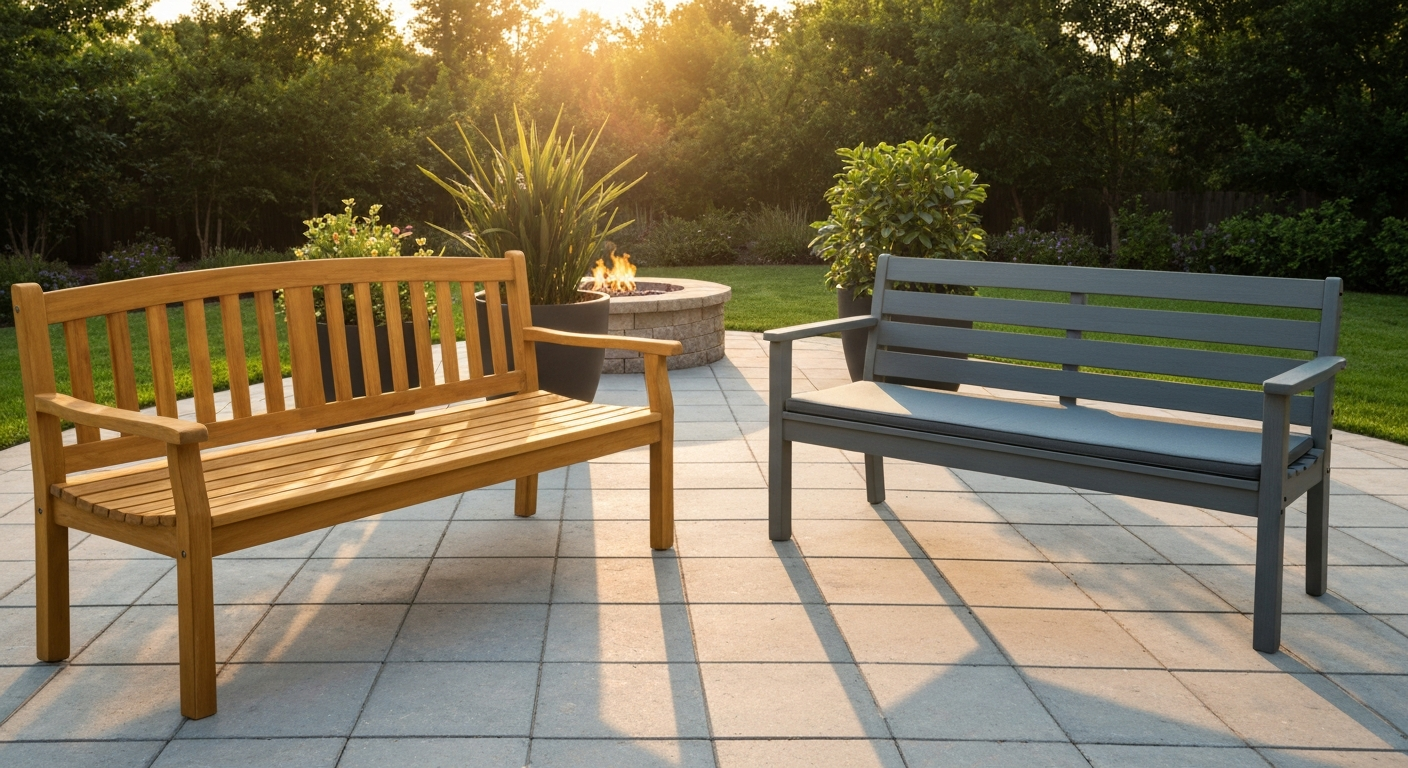
The best outdoor patio bench for most people is a teak or POLYWOOD (HDPE) model in the 48 to 60 inch range, rated for at least 500 pounds, with a seat height between 17 and 19 inches. Teak lasts decades with minimal care and looks better with age; HDPE benches cost less, need almost zero maintenance, and hold up in every climate without cracking, fading, or rusting. If you have a small space, a 35 to 42 inch bench or a storage bench does double duty without crowding the patio.
Best Outdoor Patio Bench: Top Picks, Buying Guide & Tips

Lark Perry
13 Aug 2026
Who this guide is for and what you'll get out of it
This guide is written for homeowners and renters who want to add seating to a patio, deck, balcony, or garden without making an expensive mistake. Whether you are furnishing a small apartment terrace or a large backyard entertaining space, the options are genuinely overwhelming: wood, metal, wicker, plastic, concrete, and everything in between, spread across price points from $80 to $2,000 and beyond. I've spent time testing and handling benches across all those categories, talking to builders, and digging into manufacturer specs and lab standards so you don't have to. By the end of this article you'll know exactly which material fits your climate, what dimensions actually work for a comfortable seat, how to care for whichever bench you pick, and how to style it with accessories like cushions and pillows to make it feel like a finished space.
7 questions to pick the right bench fast
Before diving into specs and material deep-dives, run through this checklist. Answering these seven questions will cut the field in half before you ever open a product page.
- How much space do you have? Measure your available wall or path width and subtract at least 24 inches for walkway clearance. That gives you your maximum bench length.
- How many people do you need to seat? A 48-inch bench seats two adults comfortably; a 60-inch bench seats three. Go longer only if your space allows.
- What is your climate? Hot/humid, coastal/salty, or freeze-thaw cycles each demand different materials. Coastal buyers need 316-grade stainless hardware or HDPE. Freeze-thaw climates rule out porous concrete and stone unless it is specifically rated for that.
- How much maintenance are you willing to do? Teak and cedar need annual oiling or sealing. HDPE and powder-coated aluminum need almost nothing. Wrought iron needs rust inspection and touch-ups every year or two.
- Do you need storage? A storage bench adds under-seat compartments for cushions, throws, and garden tools, which is especially useful on small patios.
- Will you use cushions? If yes, budget $50 to $200 more for a quality cushion with solution-dyed acrylic fabric (Sunbrella or equivalent) and quick-dry foam, especially if the bench will sit in the rain.
- What is your real budget? Factor in cushions, covers, and any assembly fees. A $150 bench with a $90 cushion and a $40 cover is a $280 purchase, which changes the value calculation compared to a $350 all-weather bench that needs nothing extra.
Practical buying guide: materials, pros, cons, and real-use tips
Every bench material involves a trade-off between upfront cost, long-term durability, comfort, and how much work you want to put in. Here is an honest breakdown of each major category based on what they actually perform like over years of outdoor exposure, not just what the marketing copy says.
Teak (and other tropical hardwoods)
Teak is genuinely the gold standard for outdoor wood furniture, and the reasons are well-documented. Its natural oil content gives it exceptional resistance to rot, insects, and moisture. According to The Wood Database, teak (Tectona grandis) has a Janka hardness of around 1,070 lbf, making it dense enough to resist surface denting, while its silica content actually dulls cutting tools, which tells you how tough the grain is. A well-made teak bench left untreated will weather to a silver-gray that many people find attractive. If you want to keep the golden-brown color, a light annual application of teak oil or sealant is all it takes. Expect to pay $300 to $1,200 for a quality teak bench, but one purchased today can still be in good shape 20 to 30 years from now.
HDPE (recycled plastic lumber, e.g., POLYWOOD)
High-density polyethylene lumber is the most practical choice for people who want to spend zero time on maintenance. POLYWOOD's 60-inch traditional garden bench, for example, is rated for 900 pounds and is made from recycled milk jugs and similar post-consumer plastic. HDPE does not rot, crack, splinter, or absorb moisture. It is UV-stabilized from the factory, so color holds up without sealing or painting. The material is heavier than it looks (often 30 to 60 pounds for a full bench), which actually helps it stay put in wind. The trade-off is that it can feel slightly warm on very hot days and the color selection is limited compared to painted metal. Prices typically run $200 to $600.
Aluminum (powder-coated)
Powder-coated aluminum hits a sweet spot of lightweight, rust-proof, and low-maintenance. The frames do not corrode because aluminum forms a passive oxide layer, and the powder coat protects the surface finish. For coastal environments, the key is what hardware is used: screws and bolts should be 316 stainless steel rather than 304, because 316 contains molybdenum, which dramatically improves resistance to chloride (saltwater) corrosion. Inland buyers can get away with 304 hardware. Aluminum benches typically weigh 10 to 25 pounds, making them easy to move and store. Budget range: $120 to $500.
Wrought iron and steel
Wrought iron and steel benches are heavy, sturdy, and classic-looking, but they require real maintenance. Any scratch or chip in the powder coat or paint becomes a rust entry point. In humid climates or coastal areas, this can happen faster than you'd expect. I've seen a $300 iron bench start showing rust spots within two years in a coastal backyard that had no maintenance plan. If you love the look, buy it, but budget time for annual inspection and touch-up paint. Steel benches are often less expensive than iron ($80 to $350) but the same maintenance rules apply.
Cedar and pine
Western red cedar is a solid budget-friendly wood choice because it contains natural oils that resist rot and insects, though nowhere near as effectively as teak. An untreated cedar bench will last 5 to 10 years outdoors; with annual sealing or staining, you can push that to 15 years or more. Pine is cheaper still but needs diligent treatment with a penetrating exterior oil or stain every season, or it will gray, crack, and eventually rot in 3 to 5 years. These woods are best for covered patios or climates with low humidity. Budget: $80 to $350.
Synthetic wicker and PE rattan
All-weather wicker benches are made from polyethylene (PE) or HDPE strands woven over an aluminum frame. Retailers and manufacturers market them as UV-resistant because the PE resin includes UV stabilizers that slow photo-degradation. The quality varies significantly by price point. Cheaper wicker benches (under $150) often use thinner strands and less stable resin that can crack and fray within two to three seasons. Better-quality PE rattan benches ($250 to $600) from established brands hold up well for five or more years, especially if you use a cover during the off-season. They are lighter than wood or iron and give a softer, more casual look.
Concrete and stone
Concrete and stone benches are permanent, heavy (often 100 to 300 pounds), and essentially indestructible in moderate climates. The real concern in cold climates is freeze-thaw cycling. Water penetrates porous concrete, freezes, expands, and causes spalling and cracking over time. The Portland Cement Association's guidance on freeze-thaw durability highlights air entrainment and low permeability as the key factors that improve resistance. If you live where hard winters are a regular event, look specifically for a dense, non-porous concrete mix or natural stone like granite rather than cast concrete or sandstone. In warm climates, concrete benches are essentially lifetime purchases. Budget: $150 to $800 for cast concrete; more for cut stone.
Storage benches
Storage benches serve double duty as seating and outdoor organization. Most are made from HDPE, resin, or teak with a hinged lid. They are particularly useful on small patios where you need to store cushions, garden tools, or outdoor games without taking up extra space. Look for a model with a lid stay (a hinge mechanism that prevents the lid from slamming) and drainage holes in the interior to prevent water pooling. Weight capacity for the lid itself (as a seat) is often rated separately from the interior load, so check both specs. Budget: $100 to $450.
Sizing, weight capacity, and seating: how to measure for comfort and fit
Getting the size right matters more than most buyers realize. A bench that is too short crowds seating; one that is too long dominates the space and blocks traffic flow. Here is how I approach sizing for any patio layout.
Standard bench lengths run 35 inches (one to two people), 48 inches (two people), and 60 inches (three people). The IKEA Nämmarö outdoor bench, as one broadly available example, comes in at about 51 inches wide and 12.6 inches deep with a seat height of 17.3 inches, which gives you a concrete benchmark for what a mid-size bench occupies in real space. For a dining table pairing, allow 18 to 20 inches of bench length per seated adult. For an accent bench along a fence or wall, 48 inches is the most versatile length.
Weight capacity is often overlooked until it matters. Most standard two-person benches are rated for 400 to 500 pounds. POLYWOOD's 60-inch traditional bench is rated for 900 pounds, which is meaningfully stronger than average and reflects the density of HDPE lumber. As a practical rule, never buy a bench rated below 400 pounds for two-adult use, and buy rated capacity well above your expected load: a 20 to 30 percent safety margin is a reasonable minimum. If you have a storage bench being used as a seat by multiple people, check that the lid is independently rated, because storage deck box lids are often rated for only 250 to 300 pounds even when the structure below is stronger.
| Bench length | Practical seating | Typical weight capacity | Best use case |
|---|---|---|---|
| 35–42 inches | 1 to 2 adults | 250–400 lbs | Small balcony, entryway, accent piece |
| 48 inches | 2 adults | 400–600 lbs | Most patios, dining table pairing |
| 60 inches | 3 adults | 500–900 lbs | Large patios, garden borders, fire pit seating |
| 72+ inches | 3 to 4 adults | 600–1,000+ lbs | Large deck, commercial or communal use |
Comfort details: seat height, depth, back support, and cushions
Comfort is where a lot of outdoor benches fall short, because manufacturers optimize for looks and durability before ergonomics. Knowing what the numbers should look like lets you filter out uncomfortable options before you ever sit on one.
Seat height and depth
The ergonomic sweet spot for seat height is 17 to 19 inches from the ground. Below 16 inches and most adults find it difficult to stand back up without pushing off a surface; above 20 inches and shorter people end up with their feet dangling. Seat depth (front to back) should be at least 14 inches for a backless bench and 16 to 18 inches for a bench with back support. Many budget benches cut depth to save material and end up at 12 to 13 inches, which is acceptable for a quick perch but uncomfortable for any extended sitting. The IKEA Nämmarö's 12.6-inch seat depth is at the lower end and really needs a cushion to be comfortable for more than 20 minutes.
Back support
Backless benches work well as accent seating, dining table companions, or coffee table complements. For primary seating where you'll spend 30 or more minutes at a stretch, look for a backrest. A back angle of 5 to 10 degrees from vertical is the practical range for outdoor furniture: more upright works for dining, a slight recline works for lounging. Armrests add meaningful comfort for elderly users or anyone with mobility concerns, though they limit how many people can sit abreast.
Cushions and padding
A quality outdoor cushion transforms an uncomfortable bench into a genuinely pleasant seat. The two most important specs are the foam type and the fabric. For outdoor use, quick-dry (reticulated or open-cell) foam is far superior to standard foam. Open-cell foam allows water to drain through rather than absorbing and holding it, which means a cushion left in a rain shower dries in hours instead of days. Standard polyurethane foam can stay damp for 24 to 72 hours and becomes a mildew breeding ground.
For fabric, solution-dyed acrylic is the benchmark. Sunbrella is the best-known brand in this category: the color is locked into the fiber during manufacturing rather than dyed onto the surface, so UV exposure does not fade it the way it would with a printed or surface-dyed fabric. Sunbrella fabric also resists mildew and can be cleaned with mild soap and water or, for tougher stains, a diluted bleach solution without damaging the material. A Sunbrella-covered cushion typically adds $60 to $180 to your bench's total cost but is worth every dollar if the bench will be exposed to sun and rain. Pairing a good cushion with well-chosen outdoor pillows can dramatically change the look and feel of your bench setup.
Weather resistance and maintenance: what actually holds up
The biggest gap between marketing claims and real-world performance shows up in weather resistance. Here is what the specs actually mean and what to look for.
UV degradation
UV exposure is the leading cause of color fade and material breakdown in outdoor furniture. The industry standard for measuring UV weathering is ASTM G154, which uses fluorescent UV lamps to simulate accelerated sun exposure on nonmetallic materials including plastics, fabrics, and coatings. When a manufacturer says a product is "UV-resistant" without referencing any standard, that claim can mean almost anything. Better brands will reference testing cycles, hours of UV exposure, or performance standards. When comparing PE rattan, HDPE lumber, and powder-coated finishes, HDPE lumber is the most inherently UV-stable because the pigment is dispersed throughout the material rather than applied as a surface coat.
Rust and corrosion
For any bench with metal components (frames, hardware, or legs), the choice of metal matters more than most product descriptions let on. Aluminum frames do not rust because they do not contain iron. Steel and iron frames can rust wherever the coating is compromised. For coastal environments within roughly a mile of salt water, hardware should be 316 stainless steel rather than 304: the added molybdenum content in 316 gives it substantially better resistance to chloride-induced pitting corrosion. For inland residential use, 304 hardware is perfectly adequate and less expensive.
Cleaning and seasonal care
Most outdoor benches need only a seasonal wipe-down and occasional spot cleaning. Here is a quick material-by-material maintenance guide based on what each material actually needs, not what sounds impressive in a product listing.
- Teak: Wash with mild soapy water and a soft brush once or twice a season. Apply teak oil or sealant once a year if you want to maintain the golden color. Skip oiling if you prefer the natural silver-gray patina.
- HDPE/POLYWOOD: Rinse with a garden hose. For stubborn marks, use a soft brush with mild dish soap. No sanding, sealing, or painting required ever.
- Powder-coated aluminum: Wipe down with soapy water. Inspect welds and edges annually for chips; touch up with matching spray paint to prevent corrosion at exposed spots.
- Wrought iron/steel: Clean with mild soap, dry thoroughly, and inspect for rust spots every spring. Sand any rust back to bare metal, treat with a rust-inhibiting primer, and repaint with outdoor metal paint.
- Cedar/pine: Clean with a wood cleaner, allow to dry fully, and apply an exterior-grade penetrating oil or stain every one to two seasons.
- Synthetic wicker (PE rattan): Rinse with a hose and use a soft brush to clean between strands. Store or cover in winter to prevent UV and freeze-thaw degradation.
- Concrete/stone: Brush or rinse clean. Apply a penetrating concrete sealer every two to three years in climates with freeze-thaw cycles to reduce water penetration.
- Cushions (Sunbrella): Brush off loose debris, spot clean with dish soap and warm water, or use a mild bleach solution (1/4 cup per gallon of water) for mildew. Allow to air dry completely before storing or covering.
Assembly, durability expectations, warranty terms, and what to budget
Before buying, it is worth knowing how much assembly is involved, how long the bench should realistically last, and what the warranty actually covers. These details are often buried in product listings or manual PDFs but they matter a lot for planning.
Assembly: what to expect
Most outdoor benches sold online arrive partially assembled and require 15 to 45 minutes to complete using included hardware. Simple benches (HDPE slat benches, basic aluminum frames) typically need only a screwdriver and a wrench and involve 6 to 12 hardware connections. More complex benches with storage lids, back supports, or cushion frames can involve 20 to 40 bolts and may benefit from a second pair of hands to hold pieces in alignment. Concrete and stone benches are usually shipped either fully assembled or in very few pre-cast pieces; the challenge is weight handling, not mechanical assembly. Always lay out all hardware before starting, compare against the parts list in the manual, and contact the retailer before assembly if anything is missing: most retailers will ship replacement hardware within a few days.
Durability expectations by material
Setting realistic lifespan expectations helps you evaluate whether a higher upfront cost is actually better value over time. Here is what you can reasonably expect from each material category with proper care.
| Material | Expected lifespan (with care) | Maintenance level | Budget range (bench only) |
|---|---|---|---|
| Teak | 20–30+ years | Low (annual oiling optional) | $300–$1,200 |
| HDPE / POLYWOOD | 20–30+ years | Very low (rinse only) | $200–$600 |
| Powder-coated aluminum | 10–20 years | Low (annual inspection) | $120–$500 |
| Wrought iron / steel | 10–20 years | Medium (annual touch-up) | $80–$400 |
| Cedar | 10–15 years (sealed) | Medium (annual sealing) | $100–$350 |
| Pine | 5–10 years (sealed) | High (frequent sealing) | $80–$250 |
| Synthetic wicker (PE rattan) | 5–10 years | Low-medium (cover in winter) | $150–$600 |
| Concrete / stone | 30+ years (warm climates) | Low (seal in cold climates) | $150–$800+ |
| Storage bench (resin/HDPE) | 10–20 years | Low | $100–$450 |
Warranty terms: what to ask and what good looks like
Warranty coverage for outdoor benches varies wildly. Budget benches from generic brands often carry a 90-day or one-year warranty covering manufacturing defects only, which does not cover UV fading, rust from surface damage, or wood cracking. Better brands in the $250 to $600 range typically offer 3 to 5 year warranties on structural components. POLYWOOD, as a benchmark, offers a 20-year warranty on its HDPE furniture, which is the strongest in the category and reflects genuine confidence in material lifespan. Before purchasing, ask or check the product page for these specifics: what is the warranty period, does it cover fading and rust or only structural defects, is the warranty transferable if you move or sell, and what is the return and claim process. A brand that makes these terms hard to find or deliberately vague is telling you something about how they expect the product to perform.
Material comparison at a glance
| Material | Weight | Rust/rot risk | UV resistance | Comfort (bare) | Coastal suitability | Best for |
|---|---|---|---|---|---|---|
| Teak | Heavy | Very low | Excellent | Good | Excellent | Long-term investment, classic look |
| HDPE (POLYWOOD) | Medium-heavy | None | Excellent | Moderate | Excellent | Zero-maintenance, high capacity |
| Powder-coated aluminum | Light | Very low | Good | Low | Good (316 hardware) | Modern look, easy moving |
| Wrought iron / steel | Very heavy | Moderate | Good (painted) | Low | Poor | Traditional look, covered patios |
| Cedar | Medium | Low-moderate | Moderate | Good | Moderate | Budget wood, covered spaces |
| Synthetic wicker (PE) | Light-medium | Low (frame) | Good-excellent | Good | Moderate | Casual style, moderate climates |
| Concrete / stone | Very heavy | None | Excellent | Low | Excellent (warm climates) | Permanent installation, minimal care |
| Storage bench (resin) | Medium | None | Good | Moderate | Good | Small spaces, organization |
Styling your bench: colors, accessories, and fitting it into your patio
A bench does not need to stand alone. The fastest way to make it look intentional rather than just placed is to pair it with two or three coordinating accessories. If you're shopping for presents, check our guide to the best gifts for outdoor patio for hand-picked cushions, pillows, and weatherproof accessories that pair well with a bench. Do keyword-volume and intent analysis for “best outdoor patio bench” using Keyword Planner, Google Ads to estimate search volume, trending queries, and CPC ranges for crafting an SEO title and ≤160-character meta description blank" rel="noopener noreferrer">Keyword Planner — Google Ads. A set of outdoor pillows in a complementary color adds cushioning and visual interest at the same time. For ideas on coordinating styles and fabrics, see our guide to best outdoor patio pillows (cb3876b2-15d8-4b44-b260-61f3962c53d0). If you are thinking about patio color schemes, earthy neutrals (warm grays, taupes, natural wood tones) read as calm and flexible, while bolder colors in pillows and cushions bring personality without locking in a color commitment that ages poorly. For more guidance on choosing hues that work together, see our guide to the best outdoor patio colors. Thinking about your patio's overall palette before you buy accessories helps you avoid the common mistake of buying a bench in one style and pillows in a completely different one.
Placement matters beyond just aesthetics. A bench positioned with its back to a wall or fence feels more secure and inviting than one floating in open space. Allow at least 18 inches of clearance in front of the bench for leg room, and 30 to 36 inches if it faces a table or fire pit. On smaller patios, pushing the bench to a perimeter wall is usually the most efficient use of space and leaves the center open. If your patio has an outdoor clock or speaker setup, bench placement that puts the clock in a natural sightline and speakers at ear level (roughly 4 to 6 feet high, angled toward the seating area) will make the whole space feel more cohesive and functional. For timing and style, consider adding one of the best outdoor patio clocks to keep time and tie the space together.
Seasonal care and off-season storage
Even the most weather-resistant benches benefit from a bit of off-season attention. For HDPE and aluminum, a rinse and a cover is usually sufficient. For wood benches, a full cleaning and a fresh coat of sealant or oil before winter storage will dramatically extend the finish. If you cannot store the bench indoors or in a garage, a fitted outdoor furniture cover rated for UV, water, and wind is the next best option. Look for covers with vented side panels to prevent condensation buildup underneath, which can accelerate mold and mildew even on resilient materials. Cushions should always be stored indoors or in a dry storage bench during the off-season: even Sunbrella fabric will develop mildew if left compressed and wet over a long winter.
FAQ
What keyword and SERP research is needed to craft an SEO title and meta description for “best outdoor patio bench”?
Run volume and intent analysis in Google Keyword Planner for search volume and trending queries; use Ahrefs Keywords Explorer to build keyword clusters and find ranking pages; and run SEMrush Keyword Magic/Position Tracking to identify featured snippets, “People also ask” questions, and common on‑page structures. These sources will inform a search‑friendly title and a ≤160‑character meta description (see Google Keyword Planner, Ahrefs, SEMrush).
Which competitor and gap analyses should be performed to shape article structure and product coverage?
Audit top editorial competitor guides (e.g., BobVila and other high‑ranking buyer’s guides) to capture common headings, claims, and product types and to identify content gaps you can fill. Supplement with category pages from major retailers (Wayfair, Home Depot) to see how products are presented and where editorial guidance is missing. (See BobVila, Wayfair, Home Depot.)
What product spec and price research is required to provide accurate buying guidance and cost ranges?
Collect representative product pages and spec sheets from big‑box and brand sites (Home Depot, Wayfair, Polywood, IKEA) to extract dimensions, seat height, weight capacity, materials, assembly notes, warranty terms, and price bands. Use multiple listings per category (wood, metal, wicker, plastic, concrete, storage, small) to establish realistic budget ranges and example models. (See Home Depot, Wayfair, Polywood, IKEA.)
Which material‑performance sources should be consulted to make evidence‑based claims about durability and maintenance?
For wood species like teak, consult a technical species database (The Wood Database) for rot resistance and durability. For plastics/HDPE and synthetic wicker, use manufacturer product pages and retailer descriptions to document UV stabilizers and weather claims. For concrete/stone longevity and freeze–thaw behavior, consult Portland Cement Association and related PCA/FHWA guidance. For metal/hardware selection (coastal vs inland), use stainless‑steel guides comparing 304 vs 316. (See The Wood Database, manufacturer PE/HDPE pages, PCA publications, stainless steel guidance.)
What testing standards and lab references are needed for claims about UV, weathering, and fabric performance?
Cite ASTM G154 as the standard practice for accelerated UV/weathering tests for nonmetallic materials. For cushion and fabric performance (fade, mildew resistance, cleaning), use Sunbrella product and care documentation. For quick‑dry cushion claims, consult specialty foam manufacturers (e.g., QuickDryFoam) for drying time and mold‑resistance specs. (See ASTM G154, Sunbrella, QuickDryFoam.)
How should weight‑capacity and safety guidance be validated?
Gather manufacturer‑published weight‑capacity specs (example: POLYWOOD benches showing 900 lb ratings) across categories to demonstrate typical ranges. Recommend using manufacturer specs plus a safety margin and cite representative product pages to show real‑world advertised capacities. (See Polywood product page and other manufacturer listings.)},{
Next Articles
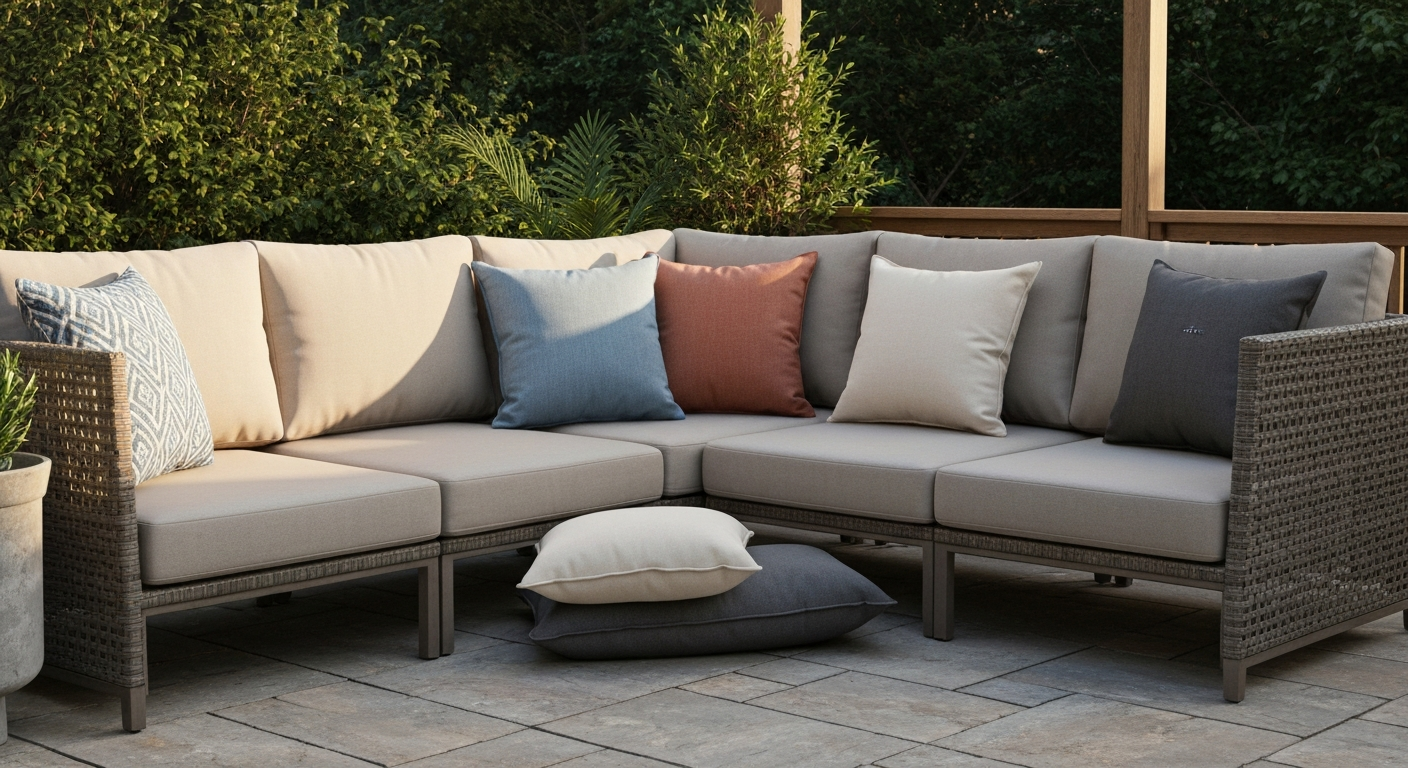
Best Outdoor Patio Pillows: Tested Picks, Buying Guide
Find the best outdoor patio pillows: tested picks, buying checklist, care, sizing, materials, and styling tips
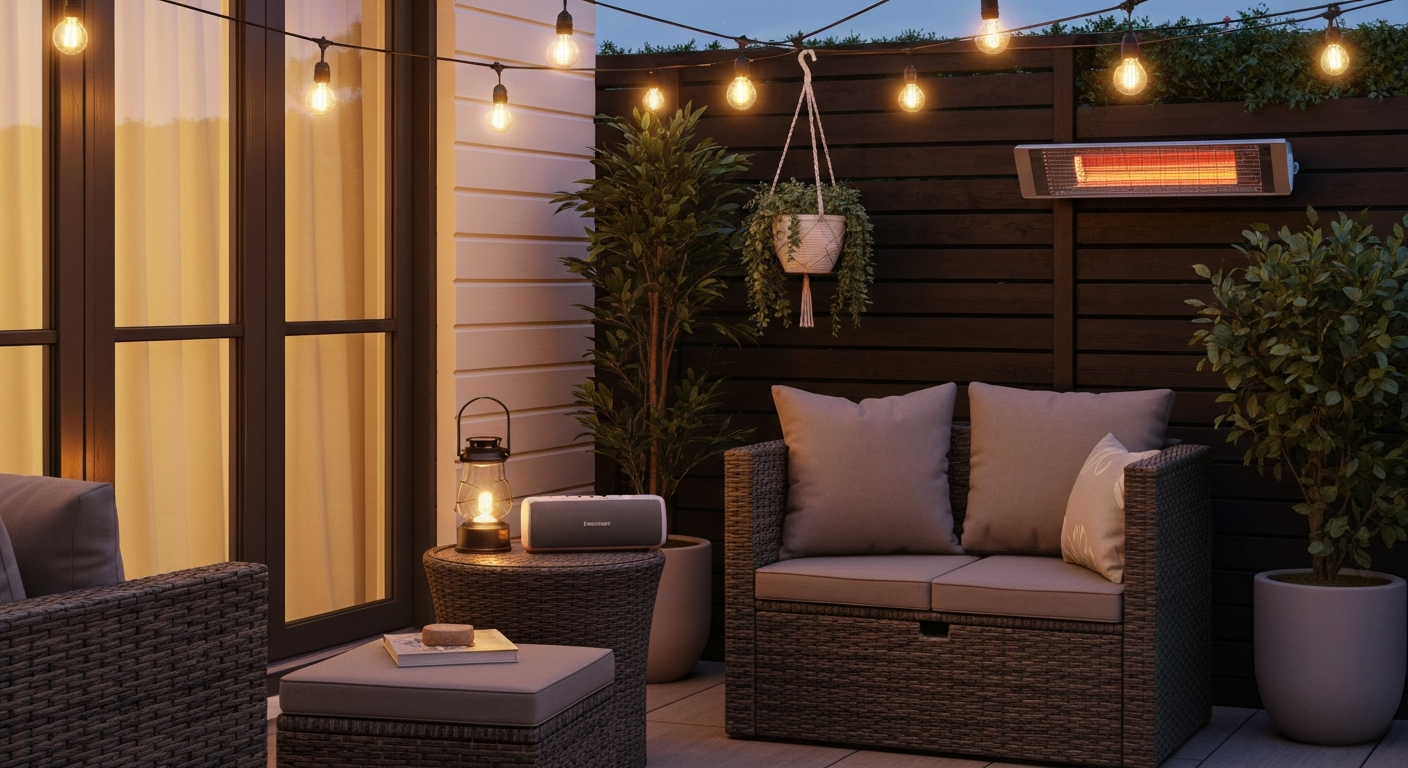
Best Gifts for Outdoor Patio: Practical Picks for Homeowners
Best gifts for outdoor patio: durable, stylish picks, lighting, heaters, furniture & bundles for every budget.
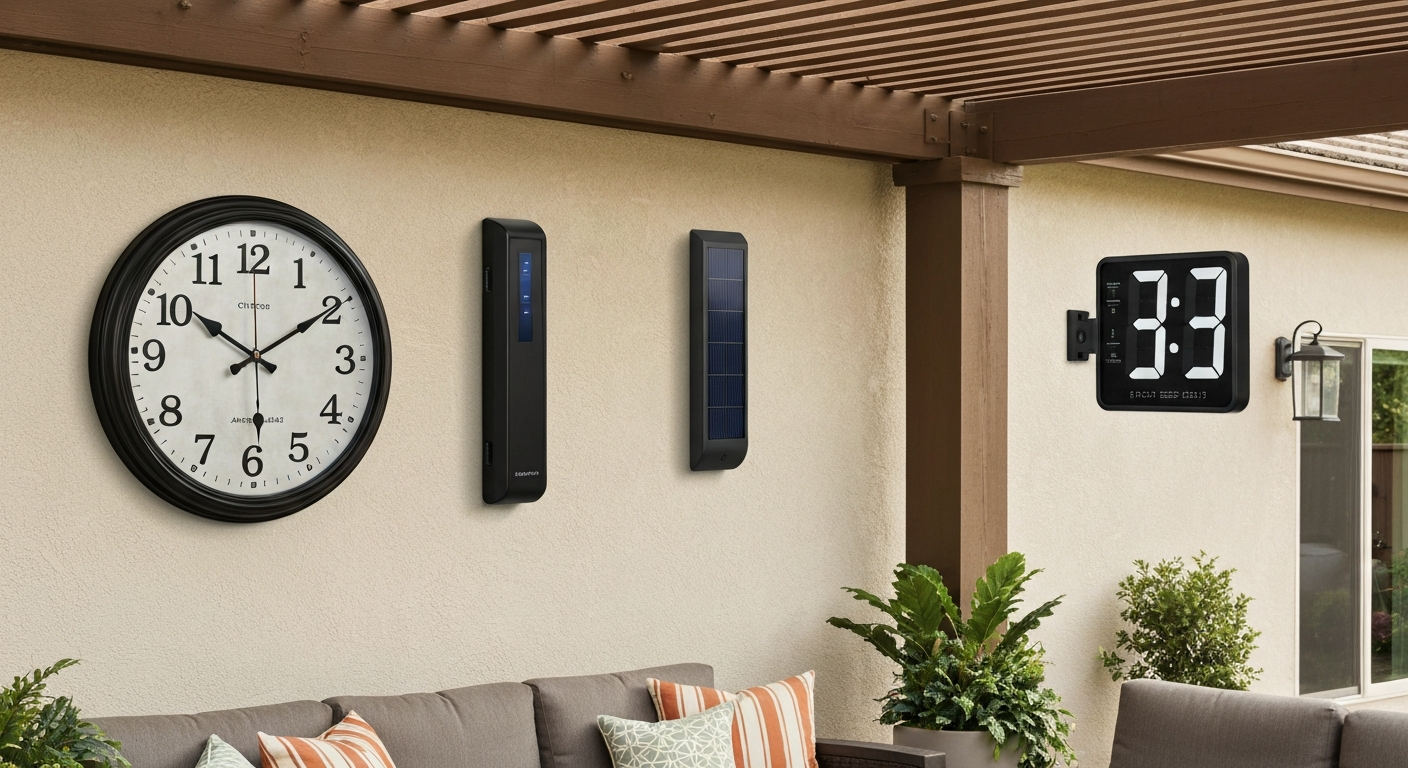
Best Outdoor Patio Clocks: Top Picks, Buying Guide and Reviews
Best outdoor patio clocks: tested top picks, weatherproof buying checklist, installation tips, and style ideas.