
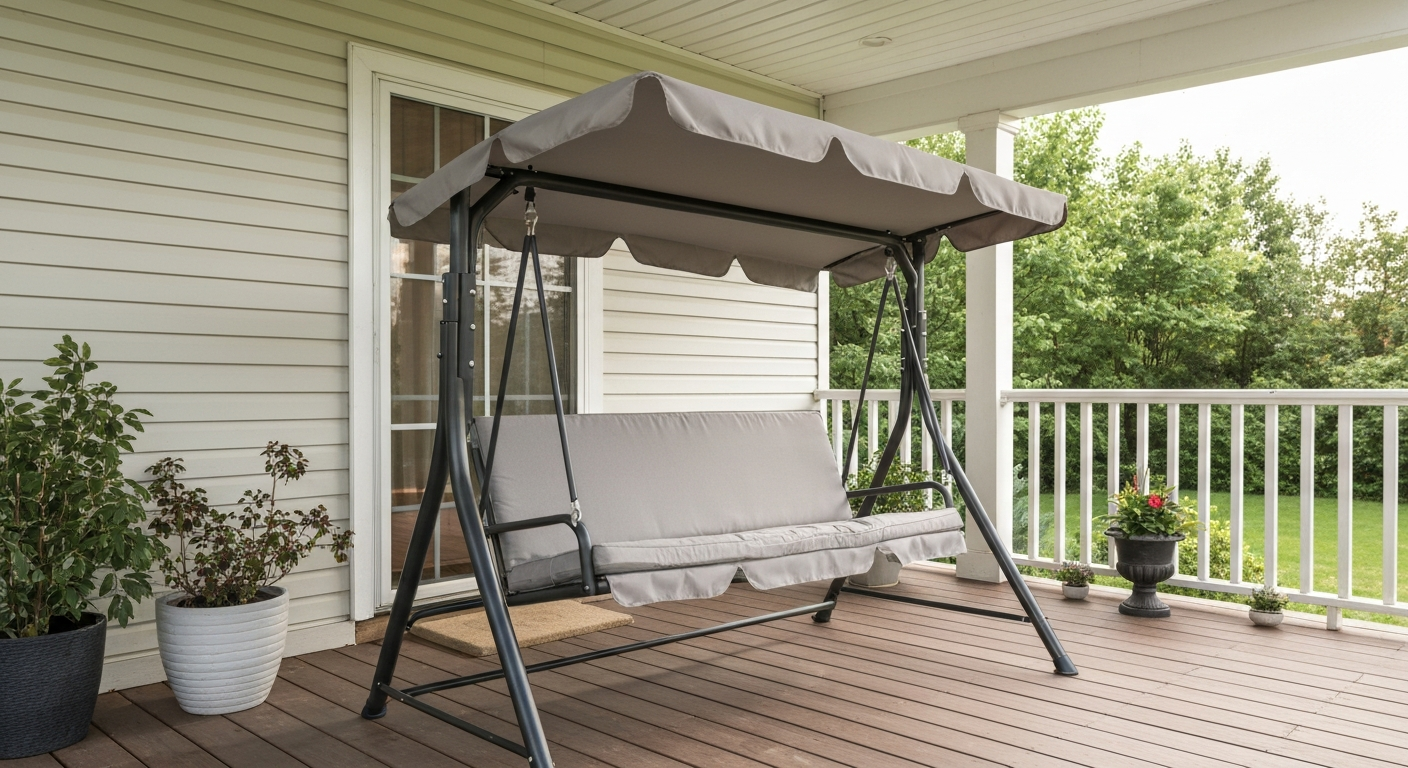
The best 3-person patio swing with canopy for most people is the Best Choice Products 3-Seat Convertible Canopy Swing Glider. It hits a 750 lb weight capacity, ships with an adjustable canopy and removable cushion covers, and lands in the $199–$229 range where value-to-durability ratio is hard to beat. If you want something a step up in finish quality, the Outsunny 3-Seat Porch Swing with its ~60-degree tilt canopy and 600 lb capacity is a solid runner-up. Budget shoppers can find comparable Costway convertible swing models at $119–$200 with 550–990 lb capacities depending on the specific model. Retail listings such as Costway 3 Person Patio Swing Canopy Yard Furniture : Target illustrate these budget prices and spec ranges. None of these are lifetime pieces, but they perform well for 2–4 seasons with basic care, and knowing what separates a good one from a flimsy one is mostly about frame steel, canopy fabric, and hardware quality, which I'll walk through in detail.
Best 3 Person Patio Swing with Canopy: Top Picks & Guide
Who this is for and what you're actually getting
A 3-person canopy swing is a specific piece of furniture with a specific purpose: it lets two or three adults sit side-by-side outdoors, gently glide, and stay shaded without a permanent structure. That's genuinely useful if you have a covered porch, a flat deck, a yard with room for the footprint, or a patio that gets afternoon sun. It's less useful if your outdoor space is small, has an uneven surface, or already has a pergola or shade sail doing the same job.
Renters can absolutely use these swings. The freestanding A-frame design means you need no anchoring into the ground or structure. You can move it, take it with you, or store it flat when a lease ends. Homeowners get more flexibility to anchor it lightly for wind stability, which I'd recommend doing regardless. These swings run 70–80 inches wide and have a total footprint of roughly 75 inches deep by 47 inches wide for most standard models, so measure your space before ordering.
Top picks at a glance
| Model | Price Range | Weight Capacity | Frame | Best For |
|---|---|---|---|---|
| Best Choice Products 3-Seat Convertible Canopy Swing | $199–$229 | 750 lb | Powder-coated steel | Best overall value |
| Outsunny 3-Seat Porch Swing with Adjustable Canopy | $220–$270 | 600 lb | Powder-coated steel | Best adjustable canopy |
| Sunjoy 3-Person Steel Porch Swing (Lowe's/Wayfair) | $250–$320 | Varies by model | Powder-coated steel | Best retailer availability |
| Costway 3-Person Convertible Canopy Swing | $119–$200 | 550–990 lb (model-dependent) | Powder-coated steel | Best budget pick |
| Sunnydaze 3-Person Swing with Side Tables | $280–$380 | 600 lb | Powder-coated steel | Best for extras (side tables) |
The Best Choice Products model earns my overall recommendation because the 750 lb weight capacity is the highest in the value tier and gives headroom for three heavier adults without stressing the joints. The Costway models at the budget end vary quite a bit by specific SKU, so check the listed capacity on the individual product page before buying. The Sunnydaze with side tables is a smart pick if you actually use your swing as a lounge spot and want somewhere to set drinks without a separate table.
Where a 3-person swing actually makes sense
Porch and covered deck
This is the ideal setting. A covered porch protects the canopy fabric and cushions from direct rain and UV exposure, which extends their life significantly. The swing's own canopy becomes extra shade layer rather than primary rain protection, which takes pressure off lower-grade polyester canopy fabrics. On a covered porch, even a budget model with a basic Oxford canopy will hold up well for 3–4 seasons.
Open yard or uncovered deck
Here, the canopy fabric quality matters much more. Full sun exposure accelerates fading and seam breakdown on cheap polyester canopies. If your swing will live outdoors year-round without a cover structure above it, prioritize models with solution-dyed acrylic canopies or at minimum PVC-coated polyester, and budget for a patio swing top cover to protect it when not in use. Coastal and humid environments also accelerate rust on lower-quality powder-coat finishes.
Renters vs. homeowners
Renters benefit from the freestanding frame design. No installation into a structure is required, the swing comes with its own A-frame, and most models can be partially disassembled for moving. Homeowners can go further by using sandbag anchors or ground stakes at the feet during windy seasons, which reduces frame wobble and is especially useful on soft ground. Either way, I'd recommend reading the safety section below before the first use.
Key specs that actually matter
Manufacturer spec sheets vary in what they report, so here are the numbers that genuinely affect whether a swing works for your situation.
| Spec | What to look for | Why it matters |
|---|---|---|
| Overall footprint | ~75" L × 47" W | Determines if it fits your space; measure before buying |
| Overall height | ~69"–75" | Affects clearance under low porch roofs |
| Seat depth | 21"–24" minimum | Shallower than 20" feels cramped for adults |
| Seat width (3-person) | 54"–60" | 58" is standard for three adults; narrower feels tight |
| Weight capacity | 600–750 lb minimum | 750 lb gives comfortable margin for three adults + gear |
| Canopy coverage width | Matches or exceeds seat width | Narrower canopies leave edge seats unshaded |
| Product weight | 80–120 lb typical | Affects how easily you can move or store it |
The seat depth number is the one most buyers overlook. A 21-inch seat depth is workable but on the snug side for taller adults. If you plan to actually lounge versus just sit upright, look for 23 inches or more. The Best Choice Products model lists 21 inches, which is fine for sitting but not ideal for reclining. The Sunnydaze models with convertible backrest options give you more flexibility there.
Canopy types and fabrics: what the marketing doesn't tell you
Adjustable vs. fixed canopies
Most mid-range and above models now include an adjustable-tilt canopy rather than a fixed roof. The Outsunny model adjusts to roughly 60 degrees of tilt, which lets you angle shade as the sun moves. This is genuinely useful in practice, not just a marketing feature. Fixed canopies are simpler and have fewer failure points (no hinge mechanism to corrode or strip), but you lose that adaptability. Retractable canopies, where the fabric slides back like a roller, appear on higher-end patio furniture and are more commonly associated with rattan daybeds than with steel swing frames.
Canopy fabric comparison
| Fabric Type | UV Resistance | Water Resistance | Expected Lifespan | Typical Price Tier |
|---|---|---|---|---|
| Solution-dyed acrylic (e.g., Sunbrella) | Excellent (multi-year warranty on colorfastness) | High (repels water, dries fast) | 5–10+ years with care | Premium ($350+) |
| PVC-coated polyester | Good | Very good (waterproof surface) | 3–5 years | Mid-range ($220–$350) |
| Oxford polyester (600D/900D) | Moderate | Water-resistant (not waterproof) | 1–3 years in full sun | Budget ($120–$250) |
| Standard polyester (low denier) | Poor | Low | 1–2 seasons in full sun | Entry-level (under $150) |
Most swings in the $150–$300 range ship with Oxford polyester canopies, which are water-resistant but not waterproof. Fabric labs test water resistance using the AATCC 127 hydrostatic head standard, and Oxford polyester typically measures in the 1,000–1,500 mm range. That handles light rain but not sustained downpours. Solution-dyed acrylic like Sunbrella is dyed through the fiber rather than surface-coated, which is why it holds color far longer and resists mildew more effectively. Sunbrella carries limited colorfastness warranties in the 5–10 year range depending on the grade. If your swing will live in full sun, upgrading the canopy fabric or buying a replacement Sunbrella canopy later is worth considering.
UV ratings and what to ignore
Many budget canopies are labeled 'UV-resistant' without a specific UPF rating. Legitimate UV protection ratings reference standards like AATCC TM16 (colorfastness to light) or ISO 105-B02 (xenon arc colorfastness). If a product page just says 'UV-resistant' with no rating, treat it as marketing language. Premium canopy fabrics will cite an actual UPF number (UPF 50+ blocks 98% of UV rays) and reference the test standard used.
Frame materials and construction quality
Virtually every 3-person canopy swing under $400 uses powder-coated steel for the A-frame. That's fine. The quality difference isn't in the material choice; it's in the coating thickness, joint construction, and hardware grade. Here's how to evaluate what you're looking at.
Steel and powder coating
Powder coating is baked-on paint that protects steel from moisture and corrosion. A good powder coat on outdoor furniture should be at least 60–80 microns thick. You can't measure this at home, but you can check reviews specifically for rust reports. Coastal environments, high humidity, and wet climates accelerate powder coat failure, especially at weld points and joints where the coating is thinnest. Models with reports of surface rust within one season almost always have thin or poorly applied powder coat at the joints. Avoid any model where reviewers consistently report rust within 6 months; that points to inadequate coating or low-grade steel.
Aluminum frames
Aluminum A-frame patio swings exist but are less common in the 3-person category. Aluminum is inherently rust-proof, significantly lighter (important if you move the swing seasonally), and typically commands a higher price. For coastal or perpetually wet locations, an aluminum frame is worth the premium. The tradeoff is that aluminum is softer than steel, so joints and connectors need to be well-designed to handle the swing's load dynamics.
Wicker and rattan frames
Wicker or all-weather rattan swing seats on a steel base are an aesthetic upgrade that some buyers prefer. The Agio Menlo Woven Patio Swing sold at Costco fell into this category. That swing was recalled by the CPSC in May 2026 (approximately 18,500 units) after reports of the seat detaching from the frame, resulting in at least eight injuries. The remedy was replacement S-hooks with clasps. This is a useful reminder that woven-seat construction adds aesthetic appeal but introduces more attachment points between the seat structure and the frame, each of which needs to be robust. If you buy a wicker or woven-seat swing, verify the seat-to-frame connection hardware before first use and check for any open recalls on the CPSC website.
Joint and fastener quality
Most models use M6 and M8 hex bolts throughout. Assembly manuals for models like the Sunnydaze swings include explicit instructions to tighten lock nuts with tools (not by hand) and re-inspect hardware before each season. This is practical advice that most buyers skip. Loose joints under three adults' combined weight and a gliding motion will fatigue and fail faster than you'd expect. A five-minute hardware check at the start of spring is worth doing.
Comfort and ergonomics
Cushion fill and cover quality
The single most common complaint in customer reviews across Amazon, Target, Walmart, and Home Depot is that cushions are thinner than they appear in product photos. This is a genuine and widespread issue. Most budget-tier cushions use low-density polyester fiberfill that compresses quickly under regular use. After one summer of normal use, a 4-inch cushion can effectively feel like 2 inches. If you're buying in the $150–$250 range, budget another $40–$80 for aftermarket replacement cushions with higher-density foam, or look for models that specify foam fill density rather than just polyester batting.
Removable, machine-washable cushion covers are a practical necessity, not a luxury feature. Outdoor cushion covers collect pollen, mildew, bird residue, and general grime. Models with zipper-off covers are far easier to maintain than those where covers are sewn on. All the top picks I've listed include removable covers. Verify this before buying any model not on my list.
Armrests and recline
Standard 3-person swings have armrests at the two outer edges only, meaning the middle seat has no armrest support. This is a design reality of the format. Some models include a fold-down center armrest or a small center console, which improves comfort for the middle occupant significantly. Recline features are uncommon at the budget level but appear on convertible models where the backrest can be repositioned. The Best Choice Products convertible model allows the seat and backrest to recline to a more horizontal position, which is genuinely useful if you want to lie down or put your feet up.
Weatherproofing and real-world durability
What actually fails and when
Based on aggregated review data across major retailers, the failure modes for 3-person canopy swings break down predictably. The canopy goes first, typically within 1–2 seasons in full sun for budget Oxford polyester: seams separate, edges fray, and the fabric fades from saturated color to washed-out. Cushions compress and sometimes develop mildew if stored wet. Frame rust at weld points appears in year 2–3 for swings in wet or coastal climates. Hardware loosens gradually with use. Assembly-related failures (frame wobble, missing parts on delivery, unclear instructions) are front-loaded in the first week of ownership.
- Canopy seam separation: most common in budget polyester canopies after 1–2 seasons of UV exposure
- Cushion mildew: happens when cushions are left wet; always store covers inside if rain is expected
- Frame rust at joints: powder coat chips at weld points first; touch up with rust-inhibiting spray paint annually
- Hardware loosening: re-tighten M6/M8 bolts with a hex key at the start of each season
- Cushion compression: low-density fill flattens within one season; upgrade to foam-fill cushions if comfort matters
- Canopy edge fraying: reinforced stitching at hems slows this; budget canopies often skip this reinforcement
Rust resistance by climate
In a dry inland climate, powder-coated steel frames last 5–7 years without significant rust issues if you do annual hardware checks and store cushions in winter. In a coastal or high-humidity environment, expect rust at joints within 2–3 years regardless of powder coat quality unless you're applying a rust-inhibiting topcoat annually or storing the frame inside during the wet season. Aluminum frames eliminate this concern entirely, which is why they command a premium in coastal markets.
Drainage and water management
Steel A-frame tubes can trap water at the base feet if the drainage holes are absent or clogged. Check that the frame feet have open drainage holes and are not sitting in standing water after rain. Hollow steel legs that collect and hold water internally will rust from the inside out, which isn't visible until the corrosion is severe. Tipping the frame slightly (even a few degrees) or placing it on slightly elevated pad feet helps drainage.
Assembly, safety, and anchoring
Two people are required for assembly on every 3-person swing I've tested or reviewed. This isn't just a recommendation; hanging the swing seat while managing the A-frame is physically impossible to do safely alone. Typical assembly takes 1.5–3 hours for first-timers. Assembly manuals for Sunnydaze models and similar include explicit step-by-step drawings, fastener sizes (M6/M8), and required tools (hex keys and a spanner, usually included). Read the full manual before starting rather than improvising from the diagram.
- Lay out all parts and hardware before starting; verify against the parts list and flag missing items immediately
- Assemble the A-frame legs and crossbar first before attaching the swing seat
- Use a second person to hold the frame steady while the other attaches the swing chains or hangers
- Tighten all lock nuts with the included hex key, not by hand
- Test the swing with gradual weight before allowing full load; sit on it alone first, then add occupants
- Re-inspect and re-tighten all hardware after the first week of use
- Check all fasteners at the start of each season
For anchoring, freestanding swings can be stabilized with sandbag weights on the A-frame feet legs, or with ground anchor stakes if the swing sits on grass or soft ground. On a hard patio surface, rubber foot pads help prevent the frame from sliding. Manufacturer safety warnings across multiple brands (Sunnydaze, Outsunny, and others) all include the same core list: do not exceed the weight limit, do not stand on the swing, and remove the canopy during high winds or snow loading. I'd add: do not let children jump-load the seat, which puts sudden dynamic force well above the listed static weight capacity.
Price tiers and what you're actually paying for
| Price Range | What you get | What you give up |
|---|---|---|
| Under $150 | Basic steel frame, low-denier polyester canopy, thin fiberfill cushions, 550 lb capacity typical | Durability, canopy longevity, cushion quality, hardware precision |
| $150–$250 | Powder-coated steel, Oxford polyester canopy, removable covers, 600–750 lb capacity | Premium canopy fabric, foam cushions, long-term rust resistance |
| $250–$380 | Better powder coat, adjustable canopy, thicker cushions, side tables on some models, 600+ lb | Sunbrella fabric, aluminum frame option, premium joint quality |
| $380–$650+ | All-weather rattan or aluminum frame, solution-dyed acrylic canopy, high-density foam, longer warranties | N/A at this tier, but verify recall status (Agio Menlo was in this range) |
The sweet spot for most buyers is $199–$280. Below $150, you're likely replacing the canopy within two seasons and the cushions within one. Above $380, you're paying for aesthetics and materials quality that genuinely last longer, but verify warranty terms carefully. The Agio Menlo recall at $549–$649 is a reminder that price alone doesn't guarantee safety or quality.
Warranties and what they actually cover
Warranty policies in this category vary significantly. Sunnydaze offers a 1-year limited warranty with replacement parts or products at the company's discretion. Outsunny describes a 30-day return window plus replacement parts or full product replacement within 6–12 months depending on the fault category. Most mass-market budget brands offer 30–90 day return windows through the retailer and minimal manufacturer support after that. None of the budget tier warranties cover fabric fading or cushion compression, which are the two most common failure modes. When a warranty does cover these, it's usually a premium brand justifying a higher price point.
Maintenance, cleaning, and winter storage
Routine cleaning
For canopy fabric, Sunbrella's recommended cleaning method applies broadly to most outdoor canopy fabrics as a baseline: mild soap in lukewarm water, applied with a soft brush, rinsed thoroughly, and air-dried flat. Do not machine-wash canopy panels; the agitation damages seam stitching. For Oxford polyester canopies, the same approach works, but avoid harsh detergents or bleach, which accelerate fabric degradation. Cushion covers with zippers can go in a standard washing machine on a gentle cycle in cold water.
Seasonal storage
Remove and store cushions indoors before the first frost or sustained wet weather. Cushions left outside through winter will mildew, and mildew is nearly impossible to fully remove from fiberfill. Store the canopy panel off the frame during winter or during any period of wind, heavy rain, or snow loading. Multiple manufacturer manuals explicitly warn against leaving the canopy on the frame during high winds; a large polyester canopy acts as a sail and can tip the frame or tear the canopy at its attachment points. If you'd rather not disassemble the swing each season, a full patio swing top cover designed for this furniture type protects the canopy and cushions from UV, debris, and light precipitation when the swing is not in use.
Replacement canopies and hardware
Replacement canopy panels are available from most major brands and through third-party sellers on Amazon and Walmart. If you buy a Best Choice Products, Outsunny, or Sunnydaze model, search the brand name plus your model number plus 'replacement canopy' before buying the swing. For a model-specific check, see Step2 All Around Playtime patio with canopy reviews for compatibility and user feedback on replacement parts. Availability of replacement parts is an underrated buying factor. A frame that lasts 5 years is only valuable if you can replace the canopy in year 2 without buying a whole new swing. Replacement S-hooks and chain hardware are widely available at hardware stores for a few dollars and should be treated as consumables, especially in humid climates.
Recommended accessories
- Patio swing top cover: protects canopy and cushions from UV and rain during off-season or between uses
- Sandbag anchor weights (4–8 lb each): stabilize A-frame legs on hard surfaces or soft ground without permanent anchoring
- Rust-inhibiting touch-up spray paint: apply annually to any exposed metal at weld points or chips in powder coat
- Replacement cushions with high-density foam: upgrades comfort significantly on budget models
- Outdoor fabric protector spray: reapplies DWR (durable water repellency) finish to faded Oxford polyester canopies
- Non-slip rubber foot pads: prevent frame migration on smooth patio surfaces
How it compares to other outdoor shade and seating options
A 3-person canopy swing is not the right choice for everyone. If you want to lie flat and get serious sun protection, a patio rattan daybed with retractable top canopy gives you a horizontal sleeping surface with pull-back shade coverage, which is a fundamentally different use case. Rattan daybeds with retractable canopies typically cost more, require more floor space, and are harder to move, but they're far more comfortable for lounging long-term. For shade over a boat or open water environment, an aqua patio pontoon bimini top solves a completely different problem with a permanently mounted frame and marine-grade fabric.
If you're buying a canopy-equipped outdoor structure for children, kid-focused options like play patio sets with canopies serve a different ergonomic and safety standard than adult swings, with lower seat heights and different weight ratings. The 3-person adult swing category is specifically optimized for adults sitting upright in a social, gliding seat configuration outdoors. For that specific use case, it's hard to beat the value-to-function ratio.
Your shopping checklist before you buy
- Measure your available outdoor space against the swing's full footprint dimensions (not just the seat width)
- Confirm weight capacity is at least 600 lb, ideally 750 lb, for three average-sized adults
- Check the seat depth specification: 21 inches is minimum workable, 23+ inches is better for comfort
- Verify the canopy fabric type: Oxford polyester is fine for covered porches, look for PVC-coated or acrylic for full sun
- Confirm cushion covers are removable and washable
- Look up the model number on the CPSC recall database before finalizing purchase
- Search for replacement canopy availability for your specific model before buying
- Read recent reviews specifically for assembly difficulty, missing parts on delivery, and rust reports
- Check the warranty duration and what it specifically covers (fabric fading and cushion fill are often excluded)
- Factor in the cost of a swing cover if the product will be exposed to direct sun and rain year-round
FAQ
What are the best 3‑person patio swings with a canopy for different budgets?
Value (under ~$250): Best Choice Products 3‑Seat Convertible Canopy Swing — powder‑coated steel, ~750 lb capacity, convertible backrest, removable cushion covers. Midrange ($250–$500): Outsunny or Sunjoy 3‑person swings — sturdier powder‑coated frames, thicker cushions, larger adjustable canopies and better parts support. Premium ($500+): Branded woven/rattan or Sunbrella‑fabric models — solution‑dyed acrylic canopies and cushions, heavier frames, longer color/mildew life and stronger warranties. Pick based on weight capacity, fabric quality (Sunbrella vs. polyester), and local weather exposure.
Which specifications matter most when comparing 3‑person canopy swings?
Key specs: overall footprint (L×W×H) to ensure fit on your patio, seat width and depth (seat depth ≥18–21" for adult comfort), weight capacity (common 600–990 lb; match household needs), canopy coverage area and tilt/retractability, cushion thickness and cover fabric, frame material/thickness and powder‑coat quality, and shipping/assembled weight for delivery/installation planning.
How do canopy types and fabrics compare (UV, waterproof, retractable)?
Solution‑dyed acrylic (e.g., Sunbrella): best UV/colorfastness, mildew resistance, longer warranty, easier cleaning. Polyester/Oxford: lower cost, decent water resistance initially, fades and mildews faster. PVC‑coated or vinyl: more waterproof but can trap heat and degrade in sun. Retractable/adjustable canopies add sun control but include more mechanical parts to inspect. For long life in sun/coastal climates choose solution‑dyed acrylic; for occasional use or tight budgets, polyester is acceptable if stored away in bad weather.
What frame materials should I choose and why?
Powder‑coated steel: most common and affordable, good structural strength; watch for rust in coastal/wet climates — choose thicker gauge steel and good powder coat. Aluminum: lighter and corrosion‑resistant but less common for heavy 3‑seat swings. Woven rattan/wicker over steel frame: looks upscale, but check frame quality and weave weatherproofing. For durability in humid/coastal conditions, prefer aluminum or stainless fasteners and high‑quality powder coat.
What comfort features matter and how do I evaluate them?
Cushion fill type (high‑density foam or polyester fiber), cushion thickness (2–4" recommended for prolonged comfort), removable/washable covers, seat depth (≥18–21"), backrest height, and any recline or convertible flat‑bed functions. Test: look for zippers on covers, feel cushion resilience in reviews, and confirm replacement cushion availability.
How do I judge weatherproofing and real‑world durability?
Check fabric type (solution‑dyed acrylic highest), look for hydrostatic head or water‑resistance claims, examine powder‑coat or stainless fasteners for corrosion resistance, and read customer reviews for common failure modes (canopy tearing, cushion fading, rust). Prefer products with clear care instructions and available replacement parts. For coastal/wet climates choose higher‑grade fabrics and corrosion‑resistant hardware.
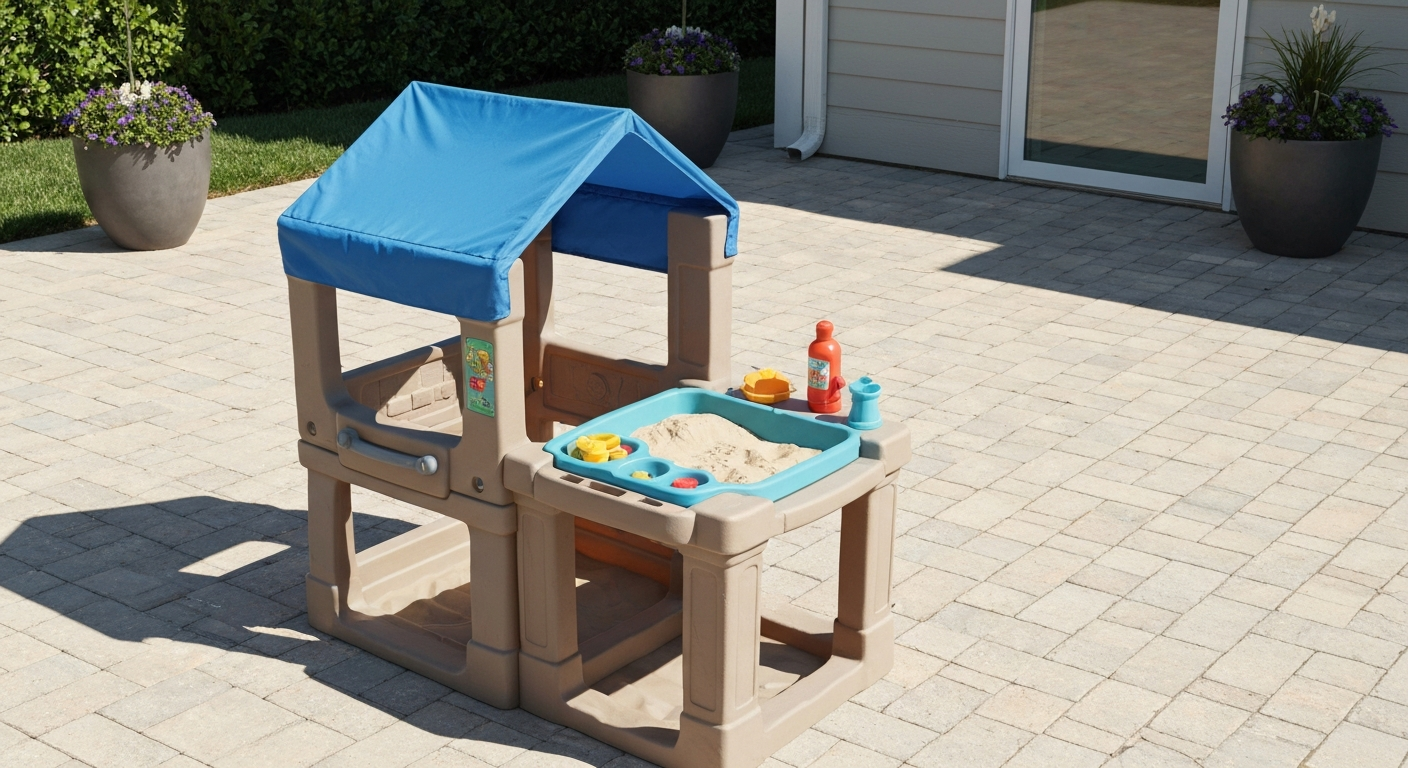
Step2 All Around Playtime Patio w/ Canopy review: verdict, specs, durability, assembly, comparisons, and buying advice
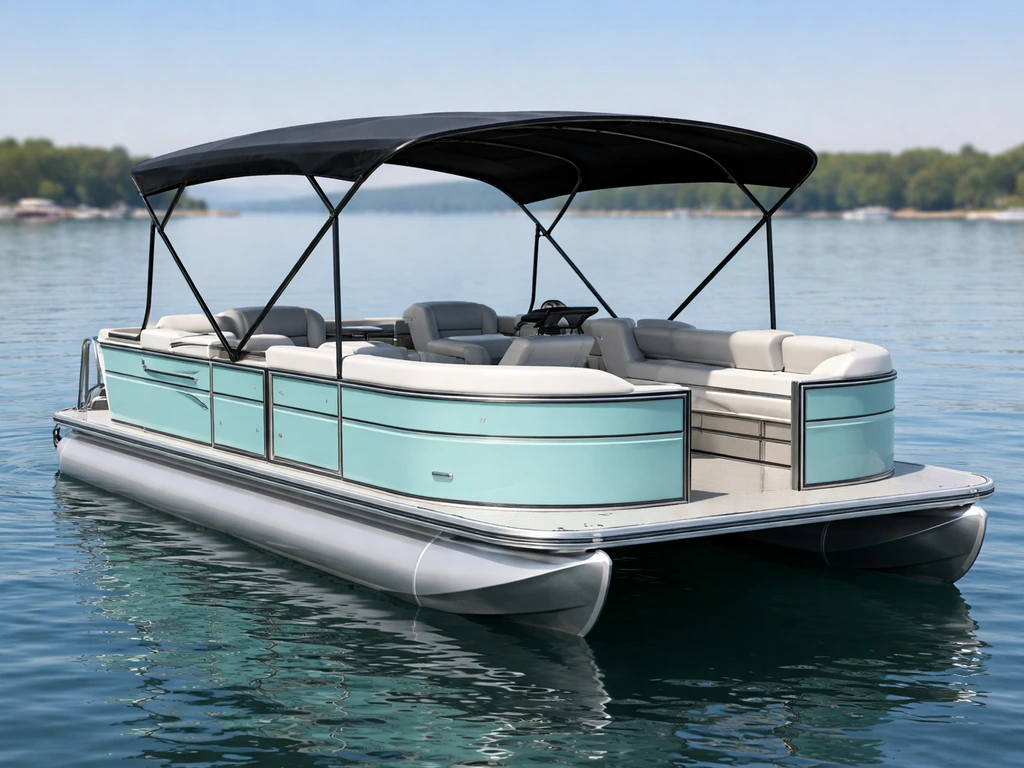
Buy and install an Aqua Patio pontoon bimini top: measurements, sizing, fitment fixes, and care for lasting shade.
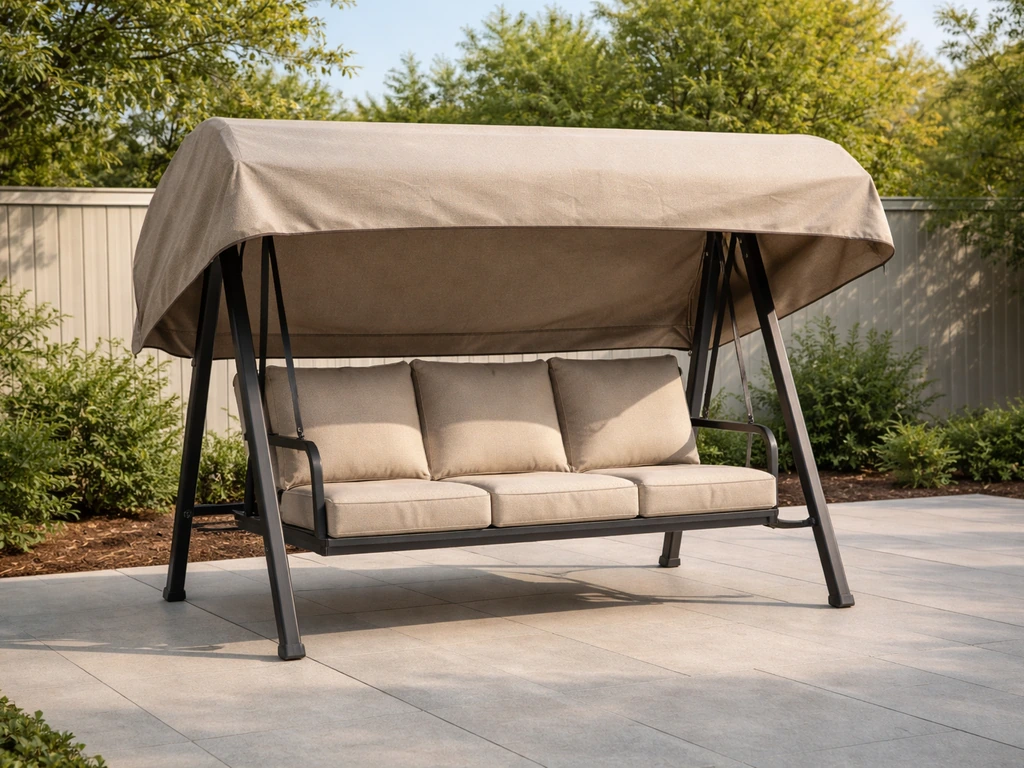
Measure and install a patio swing top cover to protect your swing from rain, UV, snow, and debris.