
The top-rated patio gazebos right now fall into three reliable categories: powder-coated steel hardtops (best for year-round durability), aluminum-frame soft tops with polyester or polyethylene canopies (best for portability and price), and heavy-duty screened enclosures (best for bug-prone climates). The right pick depends on your patio size, local weather, and how permanently you want the structure set up. Hardtop models from brands like Sunjoy, Yardistry, and PURPLE LEAF consistently earn the strongest long-term reviews. Budget soft-top models from Outsunny, Ozark Trail, and similar brands rate well short-term but show more complaints after 12 to 18 months. If you match the gazebo type to your actual conditions before buying, you avoid the most common regrets.
Top Rated Patio Gazebos Buyer Guide: Choose Best Fit

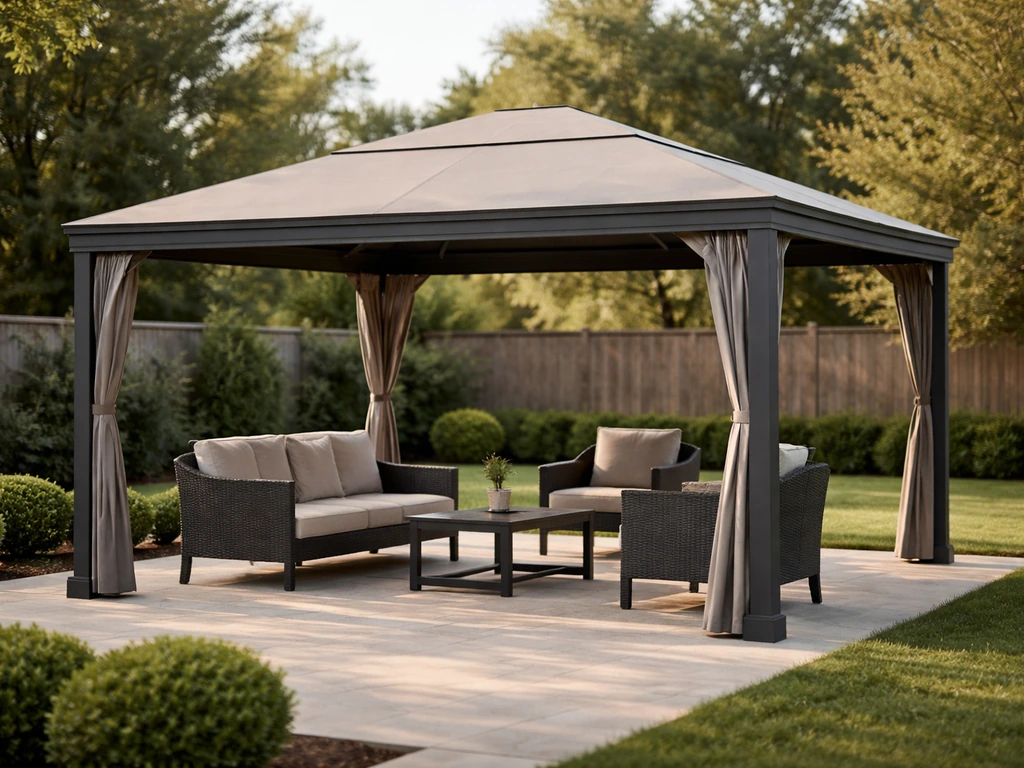
What 'top rated' really means for patio gazebos
Star ratings alone do not tell the full story. A gazebo with 4.5 stars from 200 reviews is a very different signal than 4.5 stars from 3,000 reviews. Volume matters because it smooths out outlier experiences. But the type of review matters even more. On Amazon, 'Verified Purchase' labels indicate the reviewer actually bought the product through Amazon, and those reviews are factored into the star average. Non-verified reviews can still appear and be counted, so a product stacked with non-verified five-star ratings should make you cautious.
On Wayfair, the 'Wayfair Verified' badge is different. It means Wayfair's product specialists have hand-vetted the item through a 10-point inspection process, and the product must rate above average within its category to qualify. That is actually a more curated signal than a raw star count, and it is worth looking for when browsing there.
Beyond platform badges, look at the review distribution histogram. If a product has a lot of one-star and five-star reviews with a thin middle, that usually means the product is polarizing, often because it works perfectly when everything arrives intact but is a nightmare when a part is missing or broken. For gazebos specifically, this pattern shows up constantly. A well-rated gazebo should have a strong cluster between three and five stars, with one-star reviews that mention shipping damage or missing hardware rather than structural failure.
Quick size and fit checklist for your patio
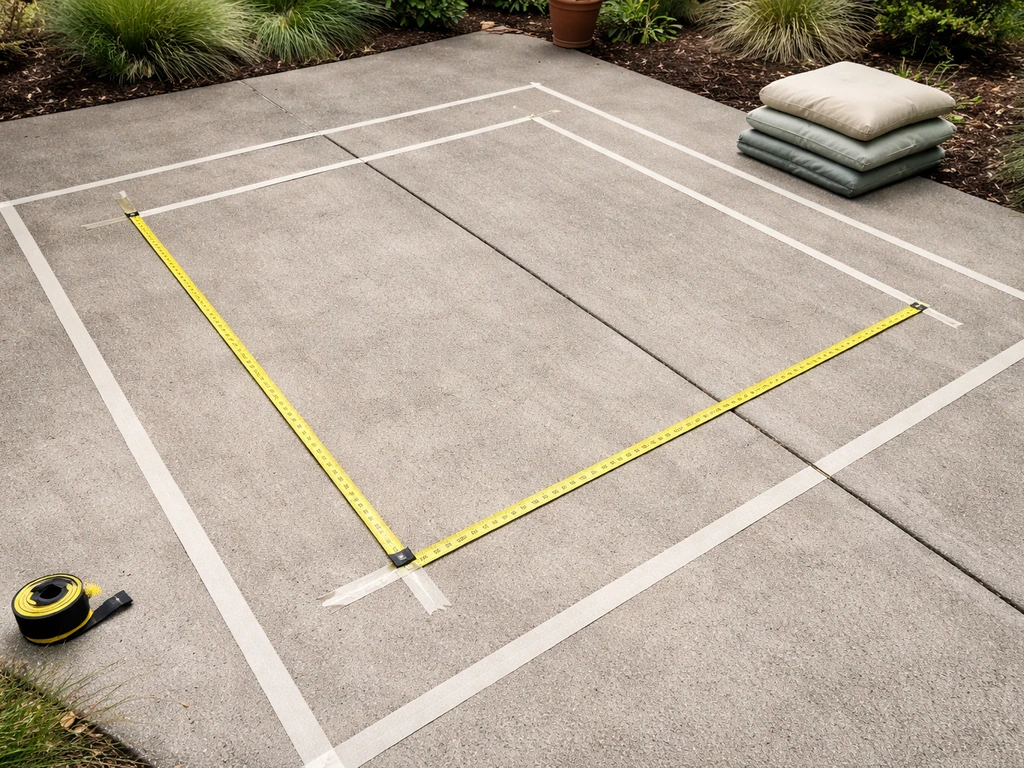
Before you look at a single model, measure your patio and decide how much of it the gazebo can realistically occupy. Most people underestimate how much clearance they need around the structure. A 10x12 foot gazebo does not fit into a 10x12 foot patio. You need at least 18 to 24 inches of clearance on all sides for anchoring stakes, foot traffic, and visual breathing room.
- Measure your patio length and width in feet. Subtract 3 to 4 feet total from each dimension for clearance.
- For a dining set with 6 chairs, a 10x12 or 10x14 foot gazebo is the minimum comfortable size.
- For a loveseat and two chairs, a 10x10 foot gazebo is typically enough.
- If your patio is concrete or pavers, confirm you can drill anchor holes or use weighted base plates (some HOAs restrict drilling).
- Check overhead clearance if there are overhead branches, wires, or roof overhangs nearby. Most gazebos stand 8 to 10 feet tall at the peak.
- If you want curtains or screens, add 6 to 12 inches to the interior clearance calculation so they do not brush furniture.
- For renters, focus on freestanding models with ground stakes or sandbag weights rather than any permanent mounting.
Common size categories to compare: 10x10 (small patios, lounging setups), 10x12 and 10x14 (mid-size dining areas), 12x16 and larger (entertaining spaces, large decks). Rectangular footprints are more versatile than square ones for most patio layouts because they align naturally with furniture arrangements.
Materials, roof types, and weather performance
This is where most buyers make their biggest mistake. They focus on price without understanding what the materials actually mean for longevity. Here is a practical breakdown.
Frame materials
| Frame Material | Durability | Weight | Rust Risk | Best For |
|---|---|---|---|---|
| Powder-coated steel | High | Heavy (60-120 lbs) | Low if coating intact | Permanent setups, windy areas |
| Aluminum | Medium-High | Light (30-60 lbs) | None | Portability, coastal or humid climates |
| Cedar/wood | High (with upkeep) | Very heavy | N/A (rot risk instead) | Aesthetic-first buyers, dry climates |
| Galvanized steel | Very high | Heavy | Very low | Harsh weather, long-term permanence |
Roof types
Hardtop roofs (powder-coated steel or aluminum panels) are the most weather-resistant option. They handle rain without pooling, shed debris easily, and do not fade or sag after a season. Polycarbonate hardtops let in diffused light, which is appealing but means more UV exposure on hot days. Soft-top canopies use polyethylene or polyester fabric, usually rated 180g to 320g per square meter. Soft top patio gazebos are a popular choice when you want easier setup and lighter, more portable shelter Soft-top canopies. Higher density fabric lasts longer and resists UV better, but even the best soft-top canopy typically needs replacing every 2 to 4 years depending on sun and rain exposure. Cancer Council Australia says UPF 50 fabrics provide excellent protection by blocking 98% of UV blank" rel="noopener noreferrer">Higher density fabric lasts longer and resists UV better. Vented roofs (with a second raised tier at the peak) are worth prioritizing in any climate because they release trapped heat and reduce wind uplift significantly.
Stability, wind safety, and anchoring basics
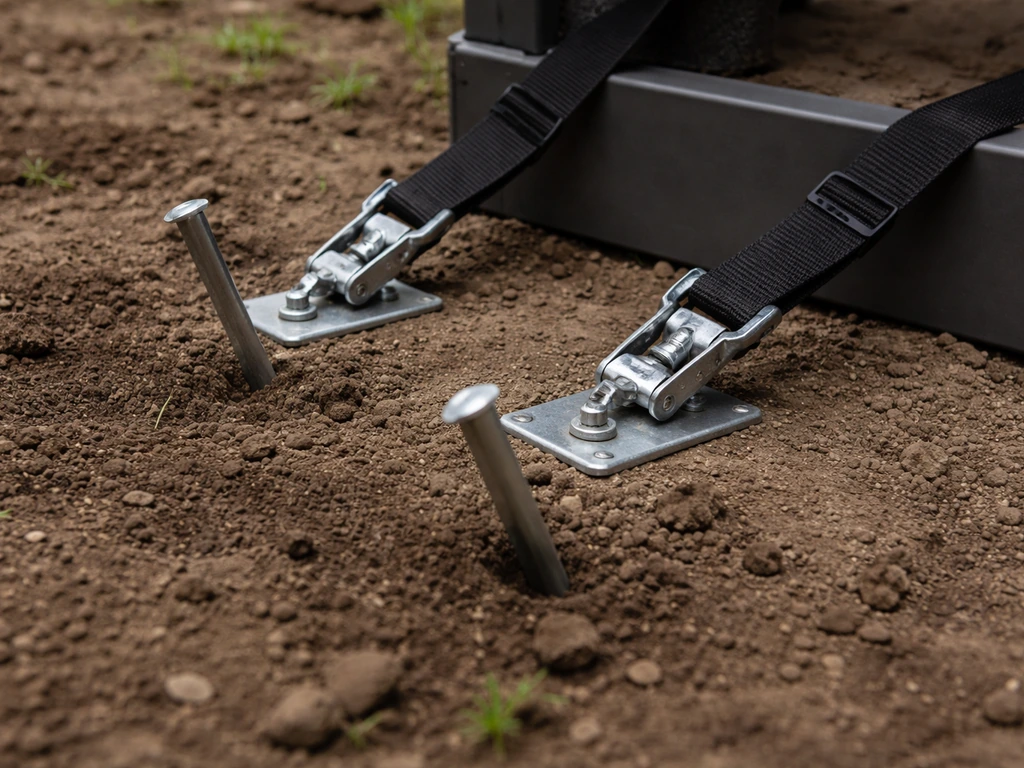
Wind is the number one reason gazebos fail or get returned. Most soft-top gazebos are rated for winds up to 30 to 40 mph under ideal anchoring conditions. Hardtop gazebos with proper anchoring can handle 50 to 65 mph in some cases, though manufacturer ratings are almost always tested under controlled conditions without furniture or screens inside the structure.
The anchoring system matters as much as the frame strength. Ground stakes into grass or soil lose holding power if the ground is wet. For concrete or pavers, you want expansion bolts or a manufacturer-supplied anchor plate with concrete screws. Weight bags filled with sand (typically 30 to 50 lbs per bag per leg) are a solid middle ground for renters or if drilling is not an option. Never rely on the factory stakes alone for any permanent installation.
- Always stake or bolt all four legs, not just two.
- In high-wind climates (coastal areas, open plains), prioritize a vented hardtop with a steel frame over any soft-top model.
- Remove or tie back canopies and screens before a storm if your gazebo is not rated for high wind.
- Cross-brace kits (sold separately for many models) significantly improve lateral stability.
- Check if the manufacturer specifies a maximum wind load in the product specs, and compare it honestly to your local wind averages.
If wind is your primary concern, that is a distinct buying decision from a standard setup. Models specifically designed for wind resistance, with reinforced legs, cross-bracing, and vented roofs, are worth their premium. Readers who want a deep dive into wind-rated options will find it useful to look specifically at guides focused on the best patio gazebo for wind.
How to compare reviews and spot common complaints
When you are reading through reviews for a specific gazebo, filter to the one- and two-star reviews first. Gazebo complaints cluster into predictable categories, and knowing what you are looking for speeds up the process significantly.
- Missing or stripped hardware: This is the most common complaint across all price points. If multiple reviewers mention missing bolts, stripped screws, or the wrong hardware in the box, that is a red flag about quality control, not just a one-off.
- Wobble after assembly: Usually caused by loose connection points or inadequate cross-bracing. Look for mentions of the structure shaking in light wind or after a short time of use.
- Leaking at seams or peaks: Soft-top canopies are especially prone to this at the center seam or around the vent. If reviewers mention pooling water or dripping, assume the issue will affect you too.
- Difficult assembly: A gazebo rated '2-person, 3-hour assembly' in reviews that actually takes 6 to 8 hours is important to know before buying. Check for complaints about unclear instructions or parts that do not align.
- Canopy fading or tearing: Look for reviewers who have owned the product for 6 months or longer. Early reviews rarely catch fabric degradation.
- Zipper failures on screens: Screened gazebo models frequently draw complaints about zippers breaking or curtain attachments pulling free after light use.
On Wayfair, use the return and replacement flow if parts arrive damaged or missing. Wayfair's help center has a straightforward mechanism for reporting missing parts and initiating replacements through your account. On Amazon, similar tools exist through the order management page. Knowing this before you buy is useful because even well-rated gazebos occasionally ship with issues, and a seller with a clear return policy is part of the value equation.
Best-use scenarios by climate and patio layout
No single gazebo style is best for every situation. If you want a quick shortcut to the right choice, look for the best gazebo for patio based on your size and weather needs. Here is how to match the type to your actual conditions.
| Climate/Situation | Best Gazebo Type | Roof to Prioritize | Key Feature |
|---|---|---|---|
| Hot, sunny, low wind (Southwest US) | Aluminum frame, soft top or hardtop | Vented polyethylene or aluminum panel | High UV rating (UPF 50+), ventilation |
| Humid, bug-heavy (Southeast, Gulf Coast) | Steel or aluminum frame screened enclosure | Soft top with full screen walls | Zippered screens, rust-resistant frame |
| Rainy, moderate wind (Pacific Northwest) | Powder-coated steel hardtop | Steel or aluminum panel roof | Sealed seams, water drainage channels |
| Cold winters, heavy snow (Midwest, Northeast) | Heavy-gauge steel hardtop | Snow-load rated panel roof | Snow load rating of 20+ lbs/sq ft |
| Coastal/high wind | Galvanized or heavy steel frame | Vented hardtop | Cross-bracing, anchor bolt system |
| Small balcony or renter situation | Lightweight aluminum frame | Soft top | Freestanding, no-drill anchoring option |
If you are primarily concerned with shade rather than full enclosure, a patio canopy might actually serve you better than a full gazebo structure. If you want the best patio canopy for your comfort, compare canopy materials, coverage size, and how well it sheds rain. For a screened experience without the full-frame commitment, soft-top gazebos with add-on netting are worth comparing. These distinctions matter because the 'top rated' label gets applied across very different product types, and a highly rated screened gazebo might be a poor fit for a dry, hot climate where screens just trap heat.
Maintenance, setup, and add-ons to get the most value
Assembly tips
Most gazebos in the 10x10 to 10x12 size range require two people and 3 to 6 hours for first-time assembly. Hardtop models with steel panels run longer, often 5 to 8 hours with two people. Read the instruction manual fully before starting, lay out and count all hardware before lifting any frame sections, and assemble on a flat surface rather than directly on your final installation spot if possible. Leave all bolts finger-tight until the frame is fully aligned, then tighten in sequence.
Maintenance checklist
- Wipe down the frame with a damp cloth monthly during the season to prevent dirt buildup around connection points.
- Inspect all bolts and connection hardware at the start and end of each season. Retighten anything that has loosened.
- Clean soft-top canopies with mild soap and water. Avoid bleach, which degrades UV-protective coatings.
- Apply a silicone-based waterproofing spray to soft-top canopies once per season to maintain water resistance.
- For steel frames, check powder-coating for chips or scratches and touch up with matching spray paint to prevent rust.
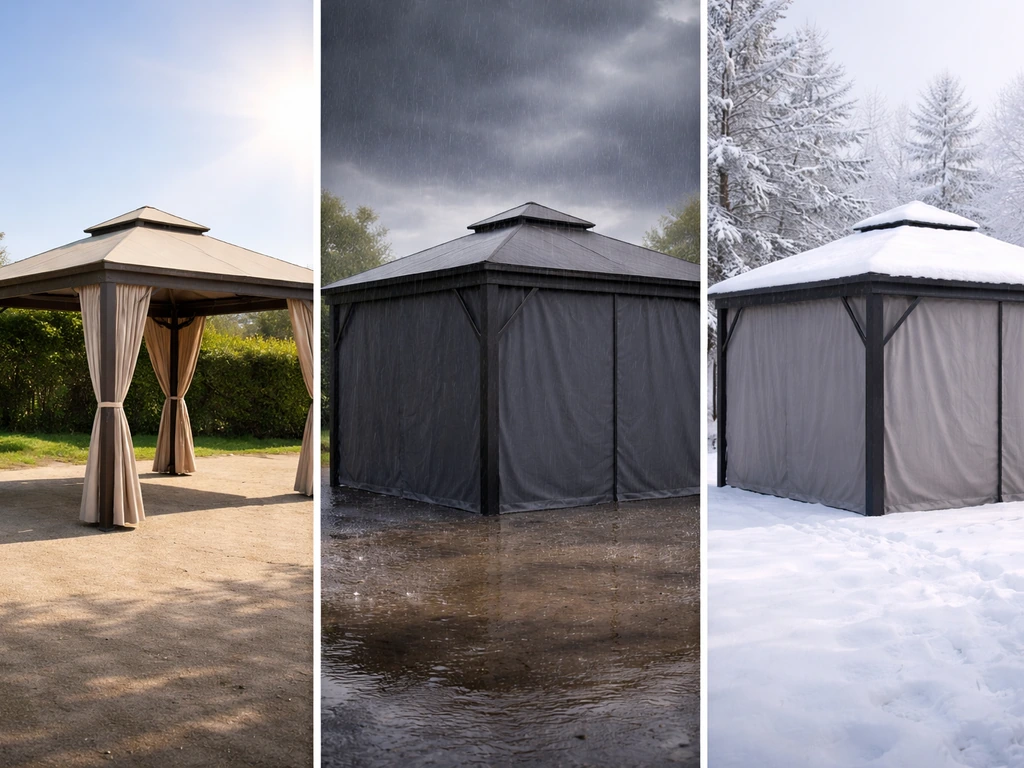
- Before winter storage, remove canopies and screens if possible, or use a fitted cover to protect the fabric.
Add-ons worth considering
Most top-rated gazebo frames are compatible with aftermarket accessories, and these can dramatically extend the season and usability of the structure. Mosquito netting panels (magnetic closure versions are easiest to use daily) are the most popular add-on and worth budgeting $30 to $80 for a full set. String lights or LED strip lighting clipped to the interior frame extend evening use significantly. Outdoor curtains add privacy and partial wind blocking, and they are usually interchangeable across brands if you match the curtain panel dimensions to the gazebo height. Interlocking deck tiles or outdoor rugs inside the footprint define the space and make it feel more like a room. If you are adding a space heater for cooler months, make sure the canopy clearance exceeds the manufacturer's minimum by at least 12 inches.
Warranty and return considerations
Most entry-level and mid-range gazebos carry a 1-year limited warranty. Premium hardtop models from brands like Sunjoy or PURPLE LEAF often include 2 to 3 years on the frame. Before buying, confirm the seller offers replacement parts separately, not just full-unit returns, because shipping a full gazebo back is expensive and complicated. Check the retailer's return window (Wayfair and Amazon both offer mechanisms for reporting missing parts or damage separately from full returns, which is genuinely useful for large items). A gazebo with strong customer service access is worth a modest price premium over a slightly cheaper model with no post-purchase support.
FAQ
How do I confirm a gazebo will truly fit without blocking doors or walkways?
If your patio is under a 10x12 footprint, prioritize a rectangular model that matches your furniture layout, and plan clearance the same way you would for doors and walkways. Measure the narrowest path to the door or grill, then ensure the gazebo edge stays outside that space even when you open any screen panels or curtains.
What should I check if a gazebo claims a wind rating, but I’m worried about gusts?
Do not rely on the listed “up to X mph” rating alone. Check whether the rating assumes specific anchoring hardware, whether the kit includes extra cross-bracing, and whether the manufacturer specifies installation on certain surfaces (pavers, concrete, grass). If those details are vague, treat the rating as optimistic and size your expectations for lower gusts.
How can I tell from reviews whether problems are fixable parts issues or true product failures?
Look for reviews that mention “missing hardware,” “parts not included,” “zipper broken,” or “roof panel arrived bent” rather than reviews about the frame collapsing. A polarizing 1-star and 5-star mix often signals shipping and installation consistency issues, so you should also confirm whether the seller sells the individual roof panels, corner posts, and fasteners separately.
Can I install a top rated patio gazebo on a deck or pavers instead of soil?
Yes, but only if you can anchor into stable material. If your surface is pavers, use expansion bolts or the manufacturer-recommended anchor plates, not stakes. If you have deck boards, confirm the deck is rated for the additional load and that the gazebo supports do not rely on hollow board attachment.
Are polycarbonate hardtops a good choice for very sunny patios?
For hardtops, UV exposure is less of a canopy problem but heat buildup can still be significant. If you choose a polycarbonate roof, add ventilation features (like a vented peak) and consider shade accessories such as an optional ceiling fan mount or interior curtains that allow airflow instead of fully blocking it.
What’s the quickest way to prevent assembly problems with larger gazebos?
Assembly difficulty usually depends on frame design, but a common way to avoid delays is to lay out all hardware by bag or part number, then do a dry fit before fully tightening. If the instructions allow it, assemble the roof panels on the ground first, then lift with at least two people to avoid cross-threading.
If I add mosquito netting, what matters most for comfort and airflow?
Magnetic netting is convenient for daily use, but it can reduce airflow if the netting is always closed in hot weather. If you’re in a warm climate, plan for a net style that can fully tie back, or use curtains on the windward side only to keep the interior cooler.
How do I make sure I can replace parts later, especially for soft-top canopies?
Choose the replacement-parts path before buying: confirm the retailer sells the exact roof kit, frame kit, or panel pieces by model number. For soft tops, verify whether the fabric canopy is sold separately as a “replacement canopy,” because full-unit returns are usually costly for large items.
What’s the best way to decide between permanent installation and seasonal setup?
Before you purchase, check whether the model is designed to be installed “permanently” (often with through-bolts or anchor plates) or “seasonally” (often with more removable feet). If you plan to move it, avoid designs that require concrete drilling unless you’re comfortable with patching and re-anchoring.
When adding a heater, what clearance and ventilation details should I verify?
If you need heating in cooler months, do not just measure height. Confirm that the manufacturer’s minimum clearance is met under real conditions (including peak vents and any ceiling accessories), and also consider windbreak curtains that do not fully enclose the gazebo around the heater.
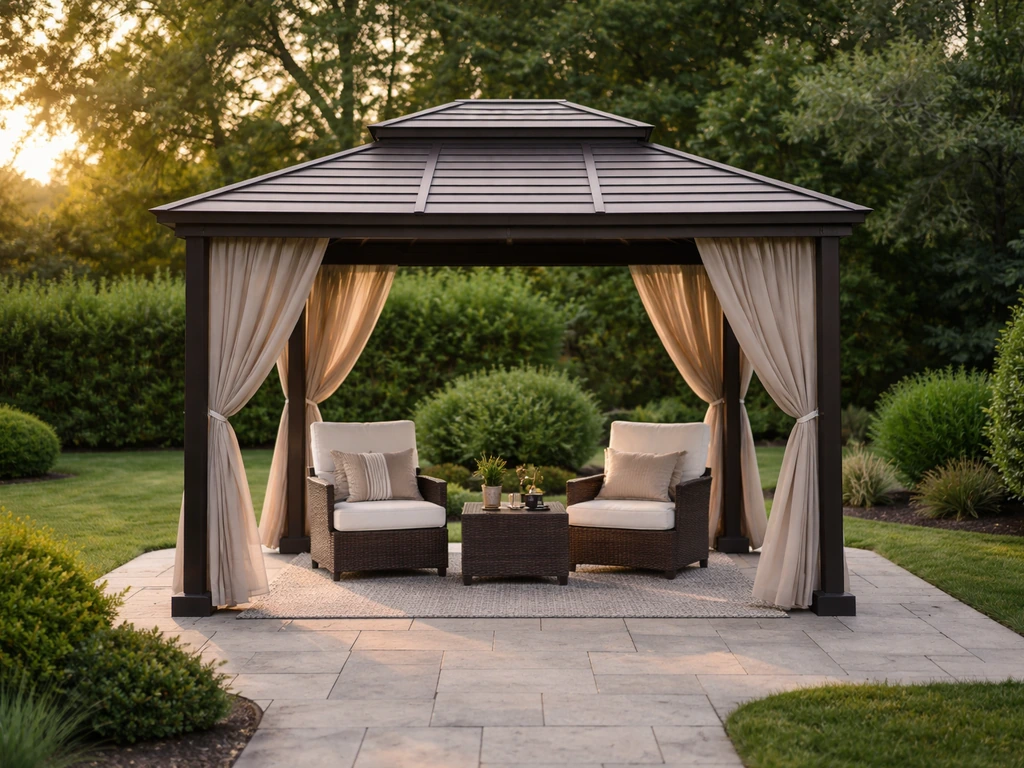
Shop the best gazebo for patio with size, style, materials, wind and privacy features, plus budget to premium picks.
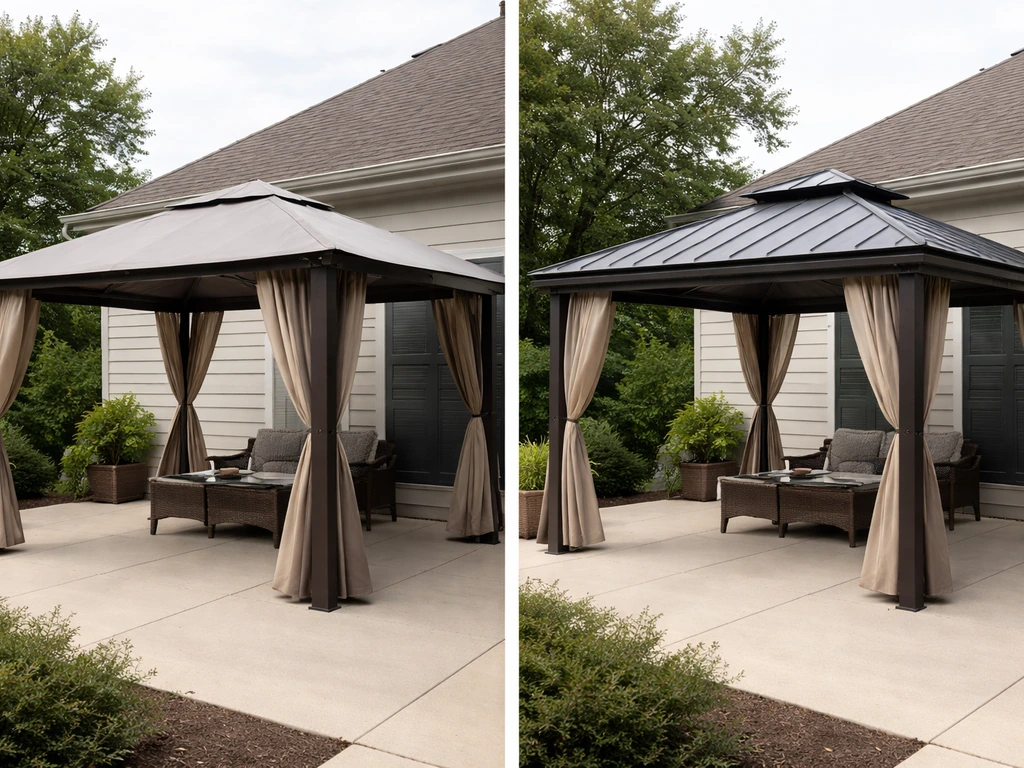
Compare soft vs hard top patio gazebos: climate fit, sizing, anchoring, maintenance, and buying checklist to avoid costl
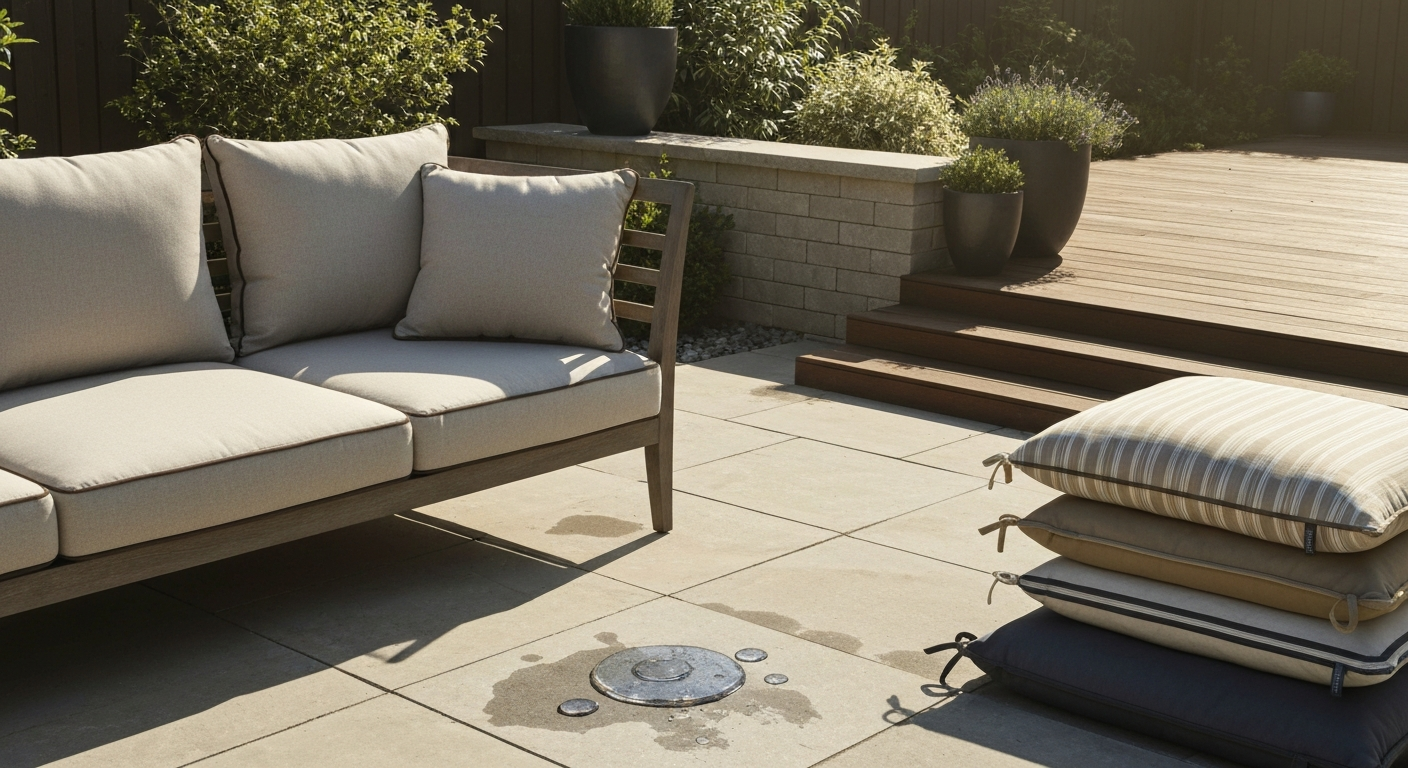
Find the best Sunbrella patio cushions: durable, fade‑resistant picks, buying tips, care, and top recommendations.