
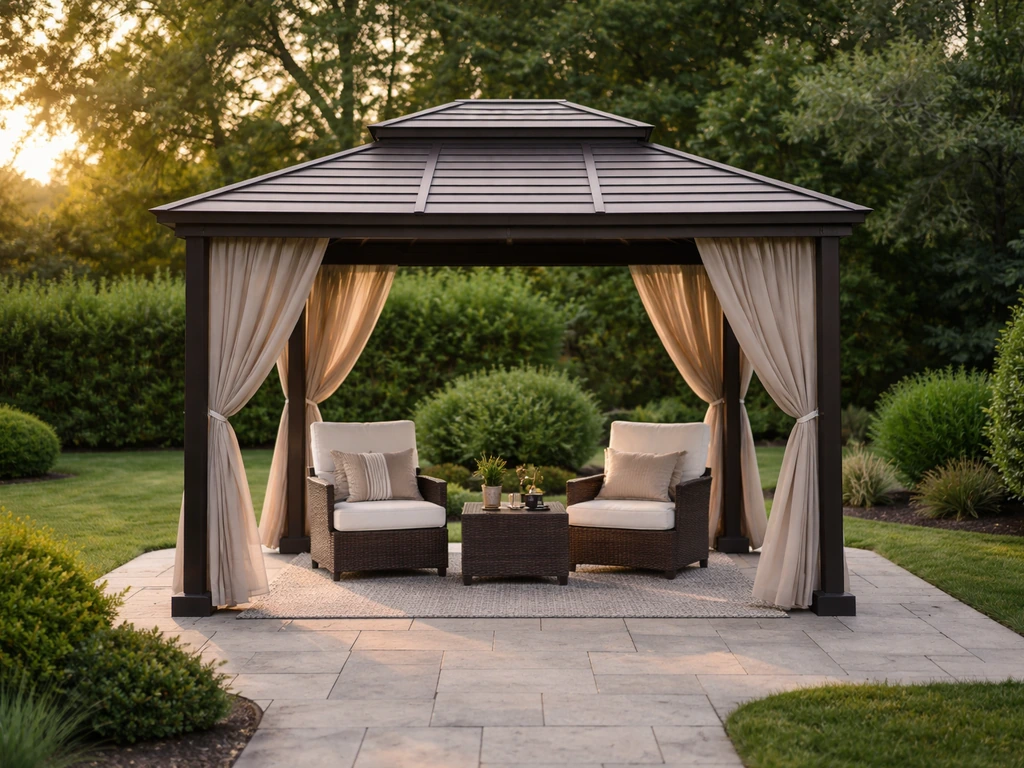
For most patios, a 10x10 hardtop aluminum gazebo with a double-roof vent design hits the sweet spot: it fits a standard seating group, holds up in wind and rain without constant re-staking, and costs between $400 and $900 depending on features. If you have a smaller deck or want something you can take down at the end of the season, a good-quality instant canopy gazebo with steel frame is perfectly fine for under $300. And if you're building something permanent on a large patio or yard, a wood or vinyl gazebo with a shingle roof will outlast every fabric option by decades. The key is matching the style, size, and frame material to your actual patio dimensions, climate, and how often you want to deal with setup.
Best Gazebo for Patio: How to Choose Size, Style, and Features

Lark Perry
7 May 2026
How to Choose the Right Gazebo for Your Patio Size and Layout
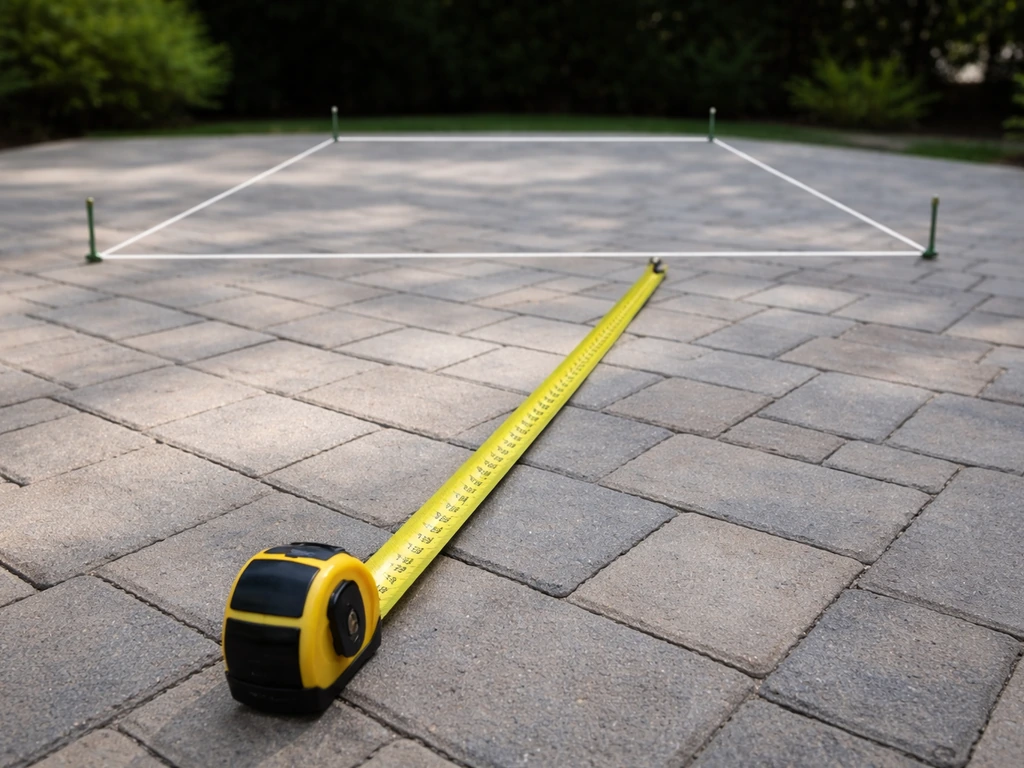
Before you look at a single product, grab a tape measure. Measure your patio's full length and width, then decide what percentage of that space you want the gazebo to occupy. A gazebo that fills the entire patio feels cramped and blocks traffic flow. You want enough clearance on at least two sides to walk around it comfortably, which typically means at least 2 to 3 feet of breathing room between the gazebo legs and the patio edge, wall, or railing.
The most popular footprints are 8x8, 8x10, 10x10, and 10x12 feet. An 8x8 fits two chairs and a side table but feels tight for a full dining set. A 10x10 comfortably covers a 4-person dining group or a couple of lounge chairs with an ottoman. A 10x12 is the practical minimum if you're hosting 6 or more people regularly. Anything larger than 12x12 really needs a permanent footing and starts pushing into pergola territory.
Also think about clearance from your house. If privacy is a priority, a gazebo placed toward the far edge of the patio naturally screens you from neighbors better than one butted up against the back wall. And if your patio has a sliding door or French door opening onto it, make sure the gazebo legs don't land in the door's swing arc. Map the legs on the ground with chalk or painter's tape before you buy anything.
Finally, think about furniture first. Measure the footprint of the furniture group you plan to use under the gazebo, then add 18 to 24 inches on each side for comfortable movement. That's your minimum interior clearance, and it tells you exactly which gazebo size to start your search with.
Gazebo Styles Worth Knowing About
There are four main styles that show up on patios, and they each solve a different problem. Knowing which one fits your situation saves you from returning something that looked perfect in photos.
Instant or Pop-Up Gazebos
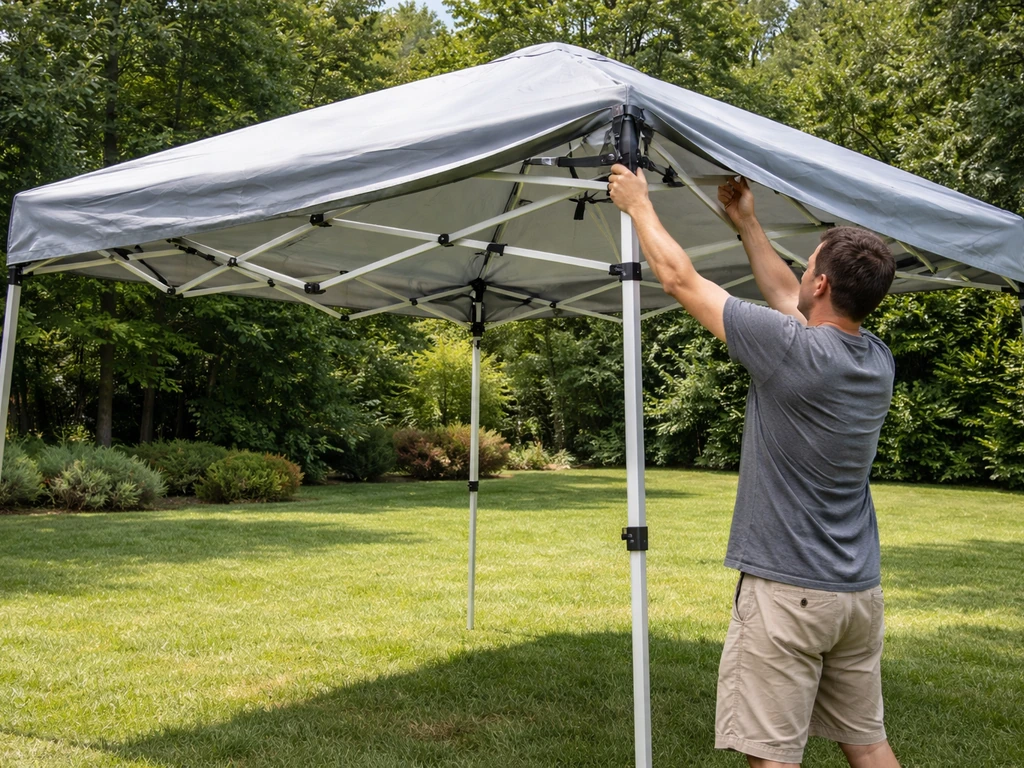
These are the collapsible steel or aluminum frame canopy gazebos you can set up solo in about 20 minutes. They work well for renters, people who store patio furniture in winter, or anyone who uses their patio seasonally. The tradeoff is that fabric canopy roofs wear out faster, especially in UV-heavy climates, and they catch wind like a sail if you don't stake or weight the legs properly. They're not great for windy or rainy climates as a permanent shade solution, but for mild weather use they're genuinely practical.
Hardtop Gazebos
This is the category that's grown the most in the last few years, and for good reason. A hardtop gazebo has a rigid steel or aluminum panel roof instead of fabric, which means it handles rain properly, doesn't sag, and typically comes with a double-roof venting design that lets hot air escape from the top. Some models advertise wind resistance up to 38 mph when anchored correctly. They're heavier to assemble but once they're up, they feel genuinely solid. This is the style I'd recommend for most homeowners who want a semi-permanent patio shade structure without pouring a concrete footer.
Screened or Mosquito-Net Gazebos
Screened gazebos come with mesh panels that zip or velcro around the perimeter, keeping insects out while still letting airflow through. Some hardtops come with optional screen kits. If you're in the South or Midwest and bugs make outdoor dining miserable from June through September, a screened gazebo is genuinely worth the extra cost over sprays and citronella candles. Just know that the mesh panels are usually the first thing to wear out, so look for models that sell replacement netting separately.
Permanent or Semi-Permanent Gazebos
These are wood, vinyl, or heavy steel structures with solid roofs, sometimes covered in asphalt shingles, that are designed to stay in place year-round. They require a real foundation, a level surface, and often some basic carpentry skill to assemble. They look the most integrated with a home and add genuine curb appeal, but the installation complexity is real. If you're going this route, budget for anchoring hardware, possible concrete work, and at least a weekend of assembly time. This style is covered more deeply in guides focused on permanent patio structures.
Materials Breakdown: What Actually Lasts Outside
Frame and roof material is the single biggest factor in how long a gazebo survives real outdoor use. Here's how the main options stack up honestly.
| Material | Typical Lifespan | Weather Resistance | Maintenance Level | Best For |
|---|---|---|---|---|
| Aluminum frame | 10+ years | Excellent (rust-proof) | Low | Hardtop gazebos, coastal areas |
| Powder-coated steel frame | 5–10 years | Good (can rust at chips) | Medium | Budget hardtops, screened models |
| Wood (cedar/pine) | 10–20 years | Good with upkeep | High (annual staining/sealing) | Permanent structures, classic look |
| Vinyl | 15–25 years | Excellent (no rot, no fade) | Very low | Permanent builds in wet climates |
| Fabric canopy roof | 1–4 seasons | Fair (UV degrades fabric) | Medium (clean regularly) | Seasonal/instant gazebos |
| Steel panel hardtop roof | 10+ years | Excellent (rain, hail, snow) | Low | Year-round hardtop gazebos |
For most patio shoppers, an aluminum-frame hardtop with a steel panel roof is the easiest call. It doesn't rust, the roof doesn't sag or blow off, and it requires almost no seasonal maintenance beyond a quick wipe-down. Wood looks gorgeous but needs annual sealing or staining to stay that way, and skipping one season shows quickly in warped boards or gray weathering. Vinyl is the maintenance champion but typically costs more upfront and has less design variety in the freestanding market.
Features That Actually Make a Difference
Roof Design and Ventilation
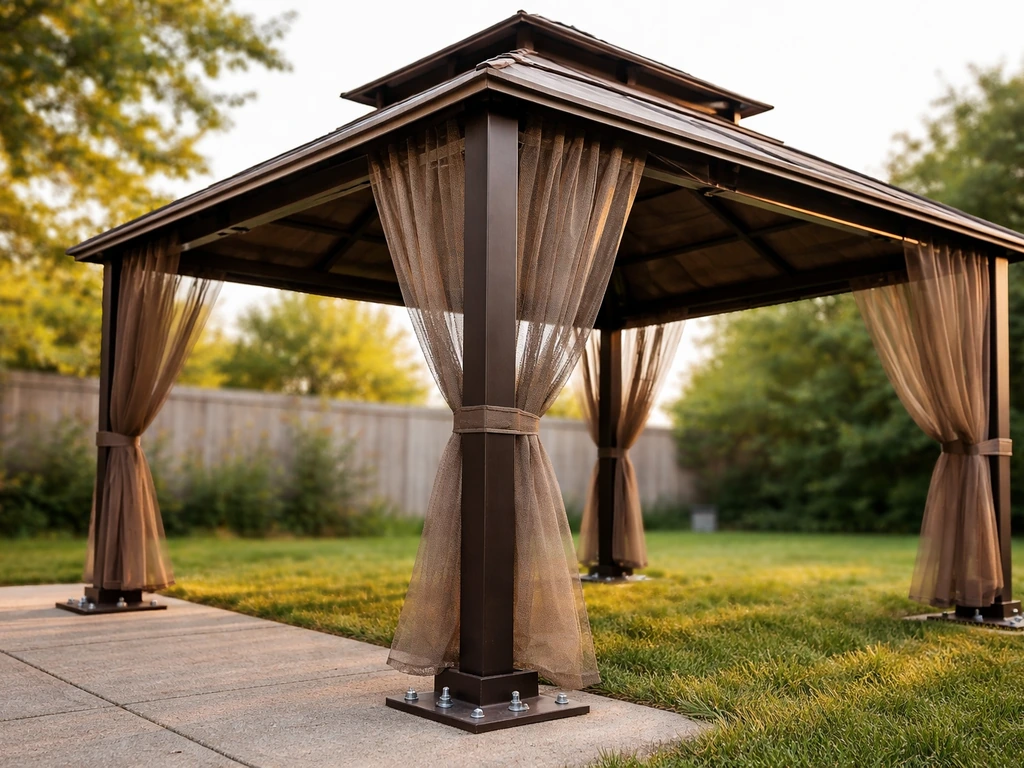
A double-roof (or dual-tier) vent design isn't just a marketing feature. The gap between the two roof layers creates a chimney effect that pulls hot air up and out, which makes a real difference in comfort on 90-degree days. Single-roof hardtops trap heat underneath and can feel like sitting under a solar panel. If you're choosing a hardtop, prioritize a double-roof vent design. For fabric canopy models, look for a vented or peaked peak style that allows airflow and sheds wind instead of catching it.
Stability and Wind Resistance
A gazebo roof acts like a sail in wind, especially on fabric-canopy models. This is why anchoring matters so much more than most buyers realize before their first gusty afternoon. A gazebo that isn't anchored securely can lift and cause real damage, not just annoyance. Check whether a model has a published wind rating (in mph) and read it as the maximum sustained wind speed the structure is designed to handle when properly installed. For windy climates or exposed patios, a dedicated guide on wind-resistant patio gazebos goes deeper on what to look for.
Mosquito Netting and Privacy Curtains
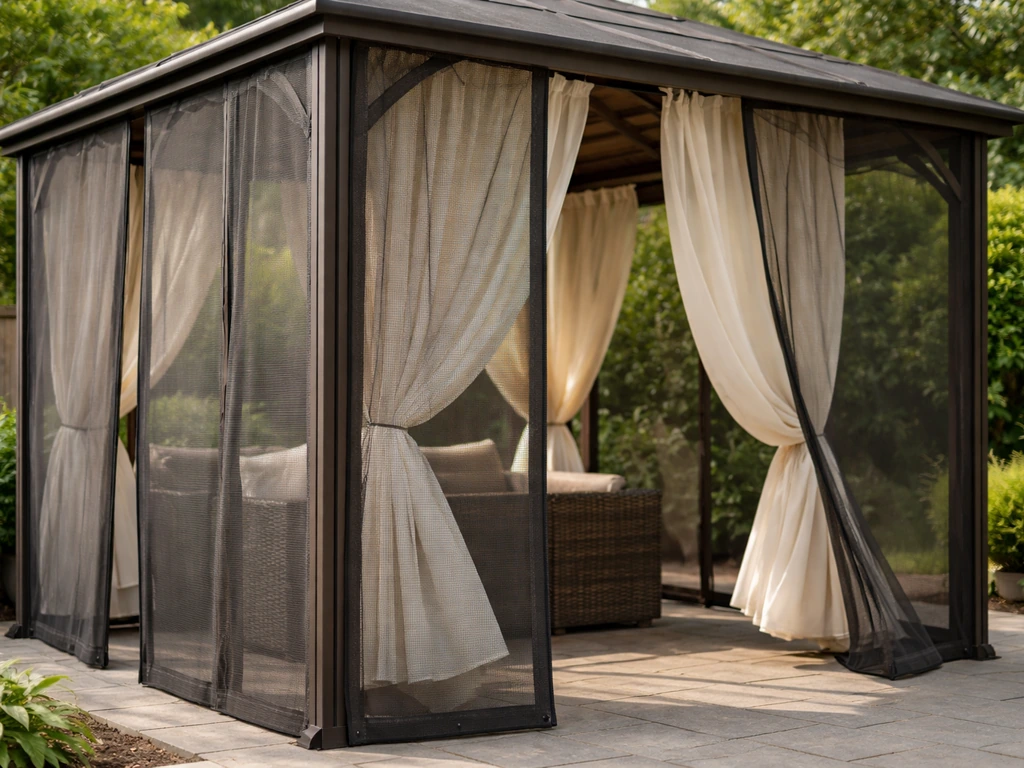
Removable mesh netting and curtain panels add a lot of practical value without requiring a screened model. Many hardtop gazebos sell compatible curtain kits that offer both insect protection and shade privacy on specific sides. These are worth the add-on cost if you face a neighbor's yard on one side or deal with evening bugs. Check that replacement panels are available before buying a model that includes them, because netting is always the first component to wear out.
Clearance Height and Usability
Most freestanding patio gazebos have a center clearance height of 7 to 8.5 feet and leg height of around 7 feet. That's fine for most people, but if you plan to hang a ceiling fan, string lights, or a chandelier inside, you want center clearance of at least 8 feet. Also verify that the roof overhang won't interfere with your patio's ceiling (for covered patios) or with a sliding door's overhead track if the structure is flush against the house.
Size, Mounting, and Setup: The Practical Details
Anchoring on Different Surfaces
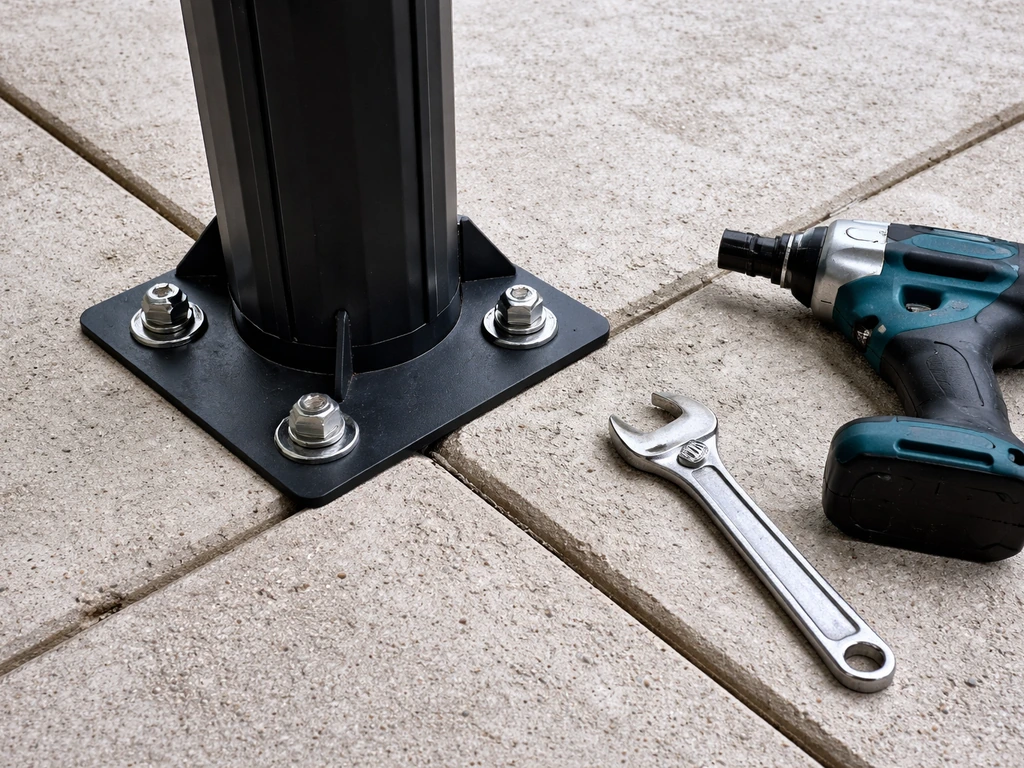
How you anchor a gazebo depends entirely on what surface it's sitting on, and skipping this step is the number one reason gazebos fail or get damaged in weather. Here's the surface-by-surface rundown.
- Concrete patio: Use anchor bolts drilled directly into the slab. Lag bolts of 3/8 inch or 1/2 inch diameter with washers, at least 4 inches long, provide strong pull-out resistance. Pre-drill with a hammer drill and use appropriate concrete anchors.
- Wooden deck: Lag bolts work here too, but drill pilot holes first to avoid splitting the decking boards. Aim to hit the deck joists beneath the surface boards for maximum holding strength, not just the decking planks.
- Grass or soil: Use ground anchors (auger-style or stake-type) designed for the frame's leg diameter. Weight bags on each leg add resistance. This is the least secure option long-term and works best for seasonal or temporary setups.
- Pavers or stone: Anchor between pavers into the sub-base if possible, or use heavy sandbag weights on each leg. Drilling into quality pavers risks cracking them.
An unanchored gazebo is a wind event away from becoming a projectile. Even in mild climates, an unexpected summer storm can flip an unanchored structure. Spend the extra 30 minutes on anchoring. It's always worth it.
Foundation and Leveling
Most freestanding hardtop and instant gazebos don't require a poured concrete foundation as long as they're being anchored to an existing hard surface. The surface itself just needs to be reasonably level (within about 1 inch across the footprint) so the frame goes up square and the roof panels seat properly. If you're building a permanent wood or vinyl structure, a proper concrete footing for each corner post is the right move and adds years to the structure's life.
Assembly Time and Complexity
Instant canopy gazebos: 20 to 45 minutes, one person can usually manage. Hardtop gazebos: budget 3 to 6 hours with a second set of hands, especially for lifting the roof frame. Permanent structures: plan on a full weekend or hire it out. Always read reviews specifically for assembly feedback before buying. Some hardtop models have notoriously unclear instructions or poorly toleranced parts, and that information is in the reviews if you look for it.
Budget vs. Midrange vs. Premium: Which Makes Sense for You
Here's an honest breakdown of what your money gets at each tier, so you can skip the guesswork.
| Tier | Typical Price Range | Frame | Roof | Best Use Case | Realistic Lifespan |
|---|---|---|---|---|---|
| Budget | $100–$300 | Light steel, thin gauge | Polyester fabric canopy | Seasonal use, renters, small patios | 1–3 seasons with care |
| Midrange | $350–$800 | Powder-coated steel or aluminum | Steel panel hardtop or heavy polyester | Year-round use, standard patio hosting | 5–10 years |
| Premium | $900–$2,500+ | Heavy aluminum or galvanized steel | Powder-coated steel or polycarbonate panels | Permanent patio feature, frequent entertaining | 10–20+ years |
The budget tier is fine for what it is: a temporary shade solution for a few seasons. Expect to replace the canopy fabric at least once, and don't leave it up through winter. The midrange tier is where most homeowners should spend their money. A $500 to $700 aluminum-frame hardtop from a reputable retailer like Home Depot, Wayfair, or Costco gives you a real structure that handles year-round weather with minimal fuss. The premium tier starts making sense when the gazebo is a genuine design feature of your outdoor space, you're building on a permanent footing, or you live in a climate with heavy snow loads or sustained high winds.
If you're comparing soft-top versus hardtop options at the midrange level, a soft top patio gazebo can save $100 to $200 on the purchase price but typically adds cost in canopy replacement over the product's life. For most people who use their patio regularly, the hardtop pays for itself within two to three seasons. And if you're specifically shopping for a location with frequent high winds, there's more detailed guidance available specifically on gazebos engineered for wind resistance.
Keeping Your Gazebo Looking Good Season After Season
The maintenance routine for a gazebo is straightforward, but consistency is what separates a structure that lasts a decade from one that looks rough after two years.
- Clean the frame and roof every 2 to 3 months with soap and water or a mild household cleaner. Wipe dry to prevent moisture buildup, which leads to mold on seams and rust at scratched paint spots.
- Check anchors and fasteners at the start of each season and after any major storm. Bolts work loose over time, especially on wood deck installations where wood moves seasonally.
- Inspect fabric canopies and screen netting for small tears before they become large ones. A patch kit bought early is much cheaper than a full replacement panel.
- For wood gazebos, apply a UV-protective sealant or stain every one to two years. Clean the surface first and let it dry completely before applying.
- Do not pressure wash a gazebo that has mold or mildew. The high pressure can damage coatings and force moisture into seams. Use a soft brush with a diluted bleach-water solution instead.
- If your model has a fabric canopy, follow the manufacturer's specific cleaning instructions, which often prohibit machine washing or certain cleaners that degrade the UV coating.
- At the end of the season in cold climates, remove fabric canopies and screen panels and store them indoors. Heavy snow loads on fabric canopies collapse frames. Hardtop panels can usually stay up but check the manufacturer's snow load rating first.
The single biggest mistake people make is ignoring the frame during cleaning and only focusing on the roof or canopy. Wipe down the legs and cross-members too. Moisture collects at joints and connection points, and that's where corrosion or wood rot starts. A 20-minute cleaning session every couple of months takes almost no effort and makes a real difference in how long the structure stays solid and presentable.
Your Next Steps Before You Buy
Before adding anything to your cart, run through this quick checklist. It sounds basic, but skipping even one step is how people end up returning gazebos or buying the wrong size.
- Measure your patio's full dimensions and mark the gazebo footprint on the ground with tape to visualize clearance.
- Decide whether you want temporary (seasonal) or permanent placement. That determines whether you need a fabric canopy model or a hardtop, and what kind of anchoring you'll need.
- Identify your surface type: concrete, wood deck, pavers, or grass. That tells you which anchoring approach you need and whether you need to buy extra hardware.
- Set a realistic budget, including anchoring hardware, any add-on curtain or screen kits, and potentially a cover for off-season storage.
- Read assembly reviews for any specific model you're considering, not just the star rating. Assembly quality and instruction clarity vary a lot within the same price tier.
- If wind is a real concern in your area, check that any model you're considering publishes a wind resistance rating and that it's been tested when properly anchored.
The best gazebo for your patio is the one that's the right size for your space, built from materials that match your climate and maintenance tolerance, and installed with actual anchoring rather than just set on the surface and hoped for the best. If you're choosing between canopy styles, focus on roof coverage, ventilation, and stability to find the best patio canopy for your space and weather. If you want to narrow the search fast, compare the top rated patio gazebos for your size, materials, and weather conditions. Nail those three things and you'll have a structure that earns its keep on your patio for years, not just one summer.
FAQ
Do I need a permit for a gazebo on my patio?
Often you do not for a small, freestanding gazebo, but rules vary by city and whether it’s considered a permanent structure. If you’re planning a wood or vinyl model with concrete footings, attaching it to your home, or placing it in a setback-restricted area, check your local building department first.
What’s the best way to level the ground under a gazebo?
Use shims or leveling pads made for outdoor use, not loose scraps that can wash away. You want the base within about 1 inch across the footprint, and also confirm the legs sit on the same firm surface so the frame doesn’t twist during assembly.
Can I anchor a hardtop gazebo without pouring concrete?
Yes in many cases if you have an existing hard surface like a patio slab, pavers, or a stable deck, using the manufacturer’s recommended anchor types for that surface. Avoid improvising with anchors not designed for your material, because the roof and wind loads can pull out the wrong hardware.
How do I choose between an 8x10 and a 10x10 gazebo?
If you plan to fit a dining set, a 10x10 gives you workable circulation with less crowding at the seating edges. If you mainly use two lounge chairs with a small side table, 8x10 can be fine, but measure the furniture footprint and ensure you can still walk around at least two sides.
Will a screened gazebo trap heat compared to a non-screened model?
It can feel warmer because the mesh reduces airflow compared with open sides, but a double-roof vent hardtop usually offsets that. If you live in a hot climate, prioritize cross-vent airflow and keep the side panels arranged so air can still move across the interior.
How can I tell whether a gazebo’s wind rating is meaningful?
Look for a published wind rating that states it’s based on proper anchoring and installation. Also confirm whether the rating assumes specific anchor hardware, number of anchors, and surface type, because using different anchors or skipping strap kits can drastically reduce real-world performance.
What’s the safest option if my patio has overhead lines or a nearby ceiling or awning?
Check both center clearance height and roof overhang dimensions, not just the overall height. If the gazebo is close to an exterior door track or covered area, map where the legs land and verify that roof panels won’t interfere with the opening when the frame is fully assembled.
Can I install a ceiling fan or lighting under a gazebo?
Yes, but only if the gazebo provides safe mounting options or you add proper structural support. Aim for at least 8 feet of center clearance, and avoid wiring through fabric roofs or unsecured panels, because vibration and weather exposure can loosen connections.
What’s the right way to store an instant canopy gazebo for winter?
Remove the canopy fabric if the frame stays outdoors, or fully dismantle and store components in a dry, covered area if your climate is harsh. Don’t leave fabric canopies up through winter, and keep hardware labeled so you can reassemble quickly without guessing alignment.
How often should I clean and inspect a gazebo?
A quick wash and inspection every couple of months is a good baseline, focus on joints, leg bases, and any areas where water can pool. Also check for loose bolts, rust spots on metal frames, and sagging or fraying on fabric and mesh, because early fixes are much cheaper than replacements.
Do curtains or netting panels affect stability or wind performance?
They can, because closed panels reduce airflow and can increase the effective surface area catching wind. Use compatible kits, keep panels properly tensioned or tied as designed, and do not leave panels fully closed during gusty conditions unless the manufacturer explicitly supports it.
Is wood or vinyl really low-maintenance compared with metal?
Wood requires regular sealing or staining, and skipping maintenance can lead to warping and faster weathering. Vinyl is often easier to wipe down, but outdoor sunlight and temperature swings still mean you should periodically check connections and caulk points for gaps or cracking.
Next Articles
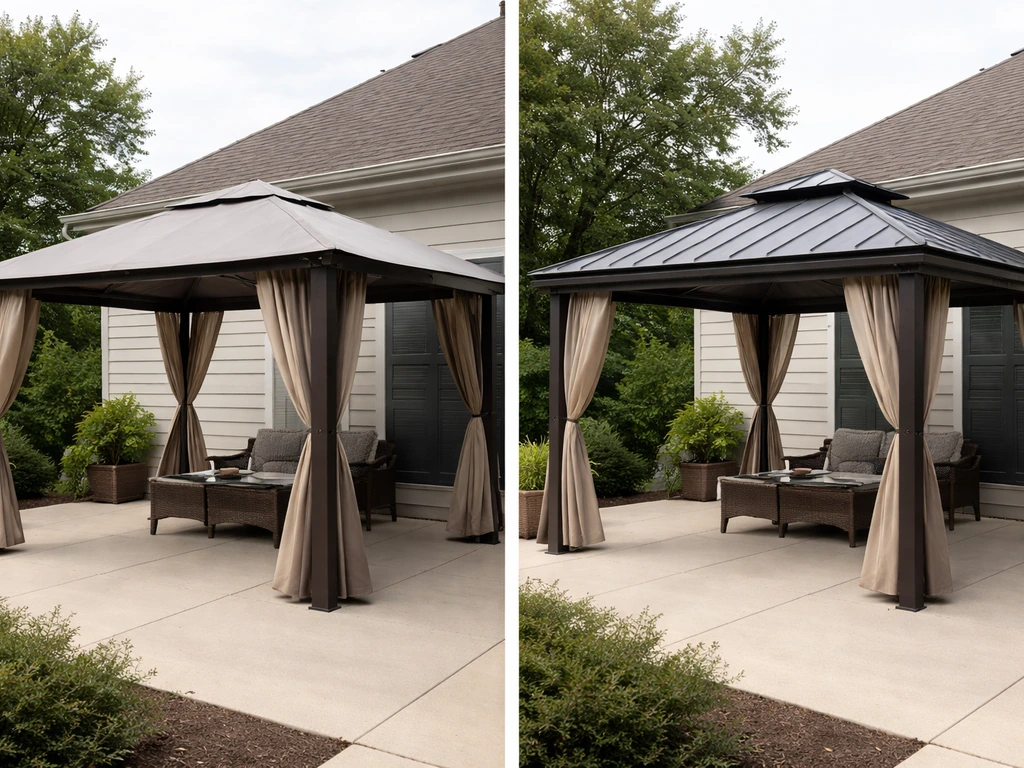
Soft Top Patio Gazebo vs Hard Top: Buying Guide
Compare soft vs hard top patio gazebos: climate fit, sizing, anchoring, maintenance, and buying checklist to avoid costl
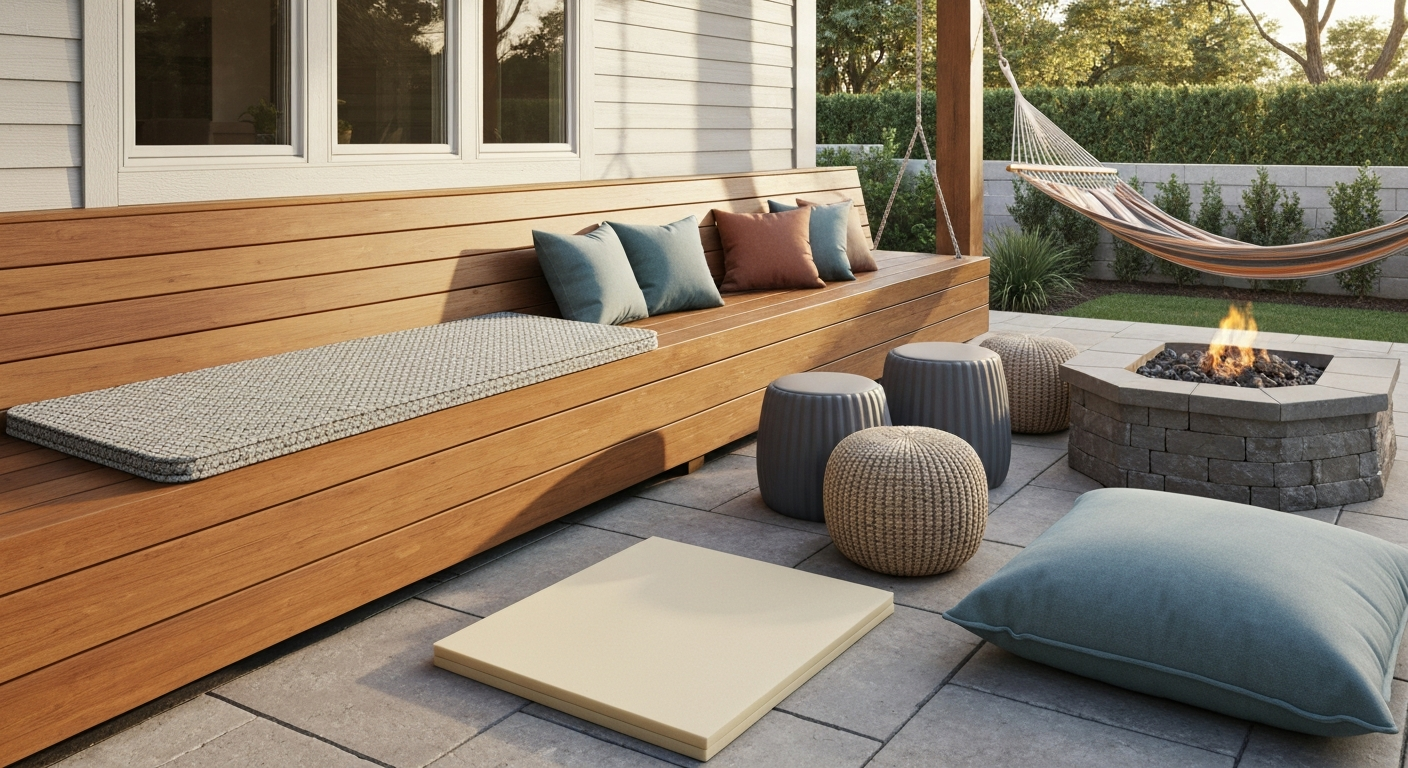
Alternative to Patio Cushions: Durable, Stylish Options and DIY
Alternative to patio cushions: durable, weatherproof seating options, pros, DIY tips & buying guide.
Best Color for Outdoor Patio Cushions in 2026
Choose the best cushion color for sun, heat, and fading in 2026, with pairing tips for patio furniture and durability.