
A soft top patio gazebo uses a fabric, mesh, or canopy-style roof, while a hard top uses rigid panels made from polycarbonate, steel, or shingles. If you get moderate rain, live somewhere with occasional gusts but not sustained high winds, and want shade on a budget, a soft top can absolutely work. But if you're in a consistently windy area, want year-round use, or hate the idea of replacing a roof every couple of seasons, a hard top is worth the higher upfront cost. The right answer depends on your specific climate, how you'll actually use the space, and what your patio can physically support.
Soft Top Patio Gazebo vs Hard Top: Buying Guide

Lark Perry
4 May 2026
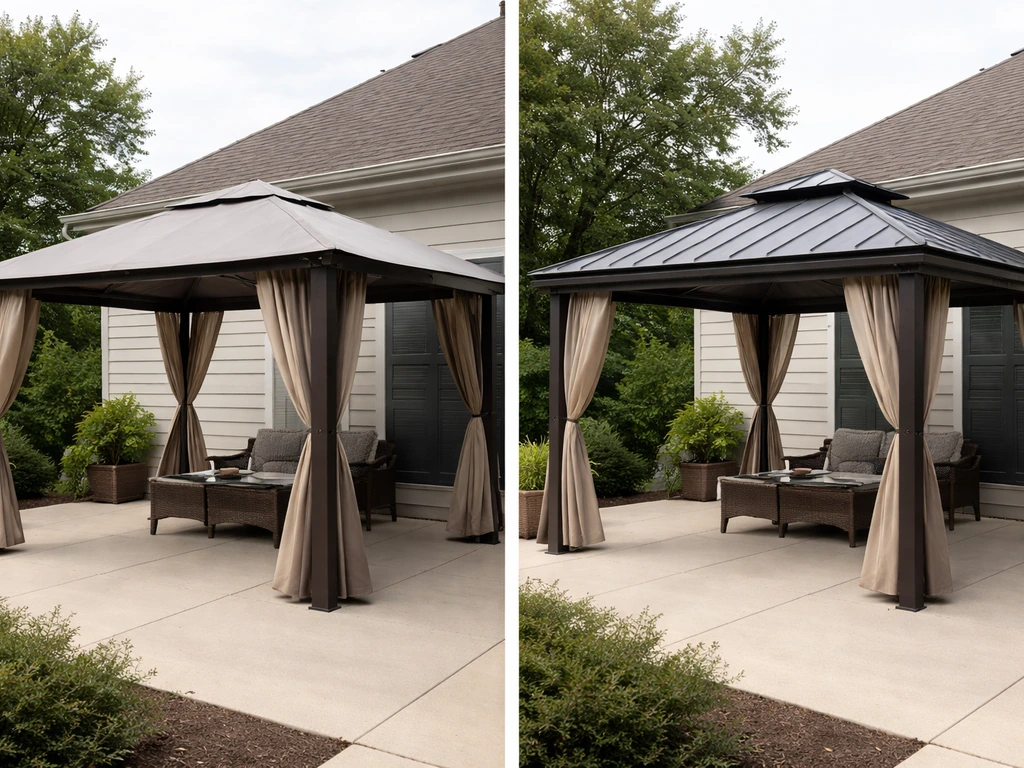
Soft top vs. hard top: what's actually different
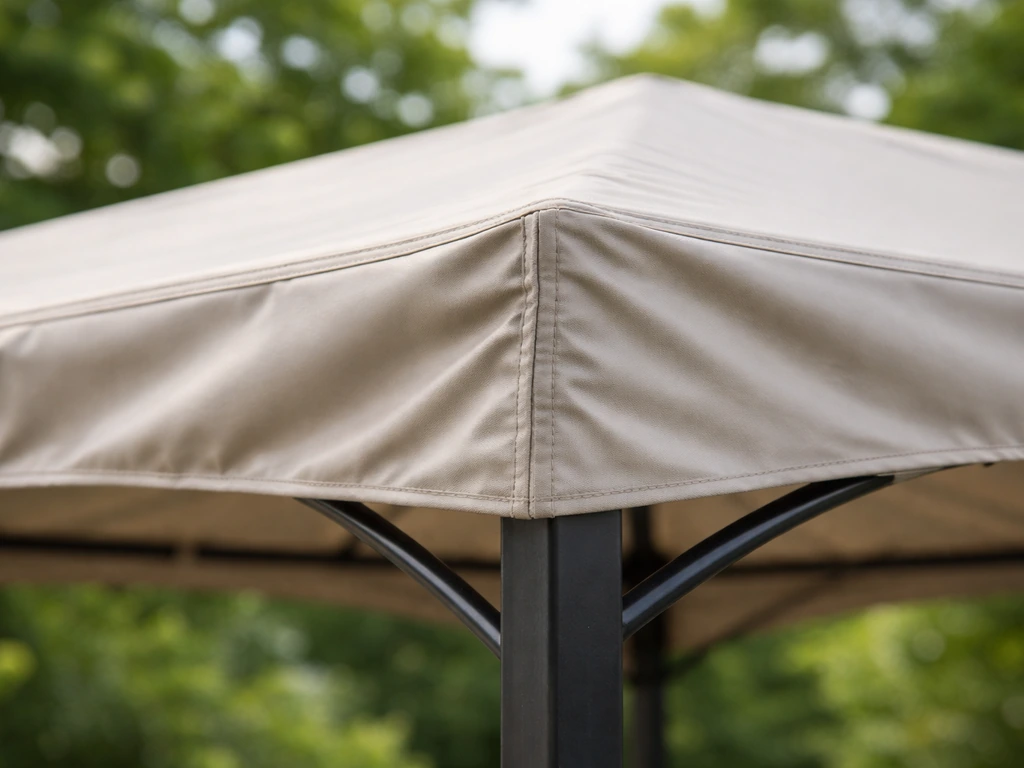
Soft top gazebos use a fabric canopy, typically polyester, canvas, or a PVC-coated material, stretched across a frame. They're lighter, easier to assemble, and significantly cheaper than hard tops. Most come apart for off-season storage, which is a real advantage if you have harsh winters. The tradeoff is durability: fabric degrades from UV exposure, can sag or pool water after heavy rain, and is more vulnerable to wind damage.
Hard top gazebos use rigid roofing panels, most commonly twin-wall polycarbonate (which lets light through while blocking UV), steel sheeting, or wood with shingles. These feel more like a permanent structure and handle weather far better over time. A 10x12 ft steel-framed hard top with polycarbonate panels is a common mid-range option you'll see at most big-box retailers. The downsides are weight, price, and the fact that most hard tops are not easy to disassemble seasonally.
The market terminology can get fuzzy. Some sellers label a gazebo as 'hardtop' when it just has a reinforced fabric or vinyl roof, not a truly rigid panel. Before buying, check whether the roof material is described as polycarbonate, metal, or shingles (actual hard top) versus polyester, canvas, or PVC-coated fabric (soft top, even if branded otherwise).
Picking the right roof for your climate and how you use the space
Climate is the biggest filter here. Think through what your outdoor space actually faces across a full year before you commit.
High wind areas
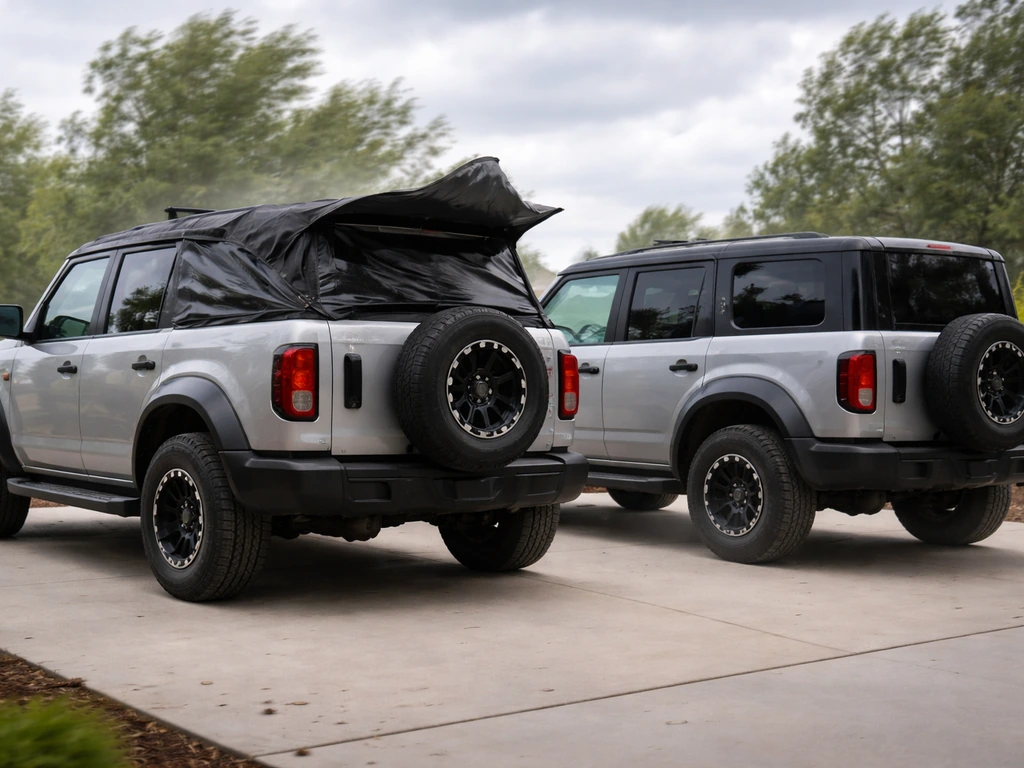
If you regularly deal with winds above 30 mph, or live somewhere with sudden storm gusts, a soft top is a liability. Soft tops are the lowest-rated option for wind resistance across the board. A hard top gazebo anchored to a concrete pad, especially one with a vented roof design that lets air escape upward rather than catching it like a sail, handles sustained wind far better. If wind is your primary concern, it's worth reading up on purpose-built wind-resistant options to understand exactly what anchoring and structural specs to look for.
Heavy rain climates
This is where a lot of buyers get tripped up. 'Water-resistant' and 'waterproof' are not the same thing, and many gazebo canopies fall somewhere in between. A basic polyester canopy will repel light rain but can pool water in the center with heavier downpours. Truly waterproof soft top canopies use PVC coating combined with reinforced seams, multi-stitched stress points, and heat-sealed tape at the seams, not just a water-repellent spray finish. If you're buying a soft top for a rainy climate, confirm those construction details before purchasing. Hard tops handle rain more reliably by default, since rigid panels don't pool or sag.
Hot, sunny climates
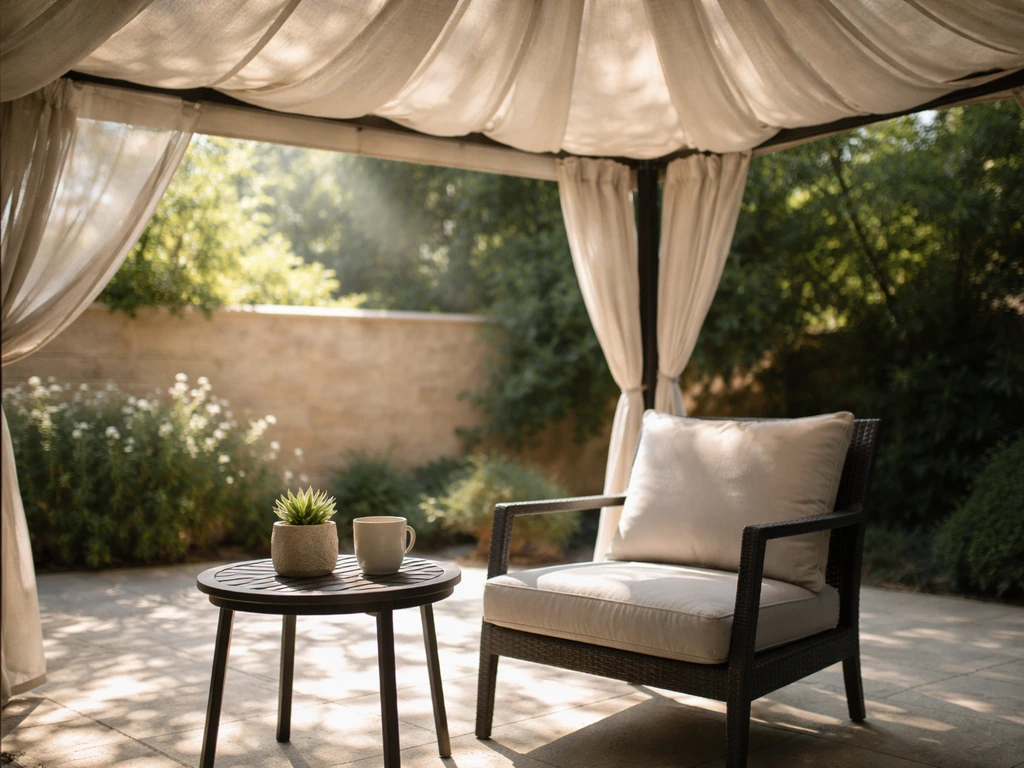
For pure shade and UV protection, both options can work, but they feel different underneath. A fabric canopy filters light softly and can reduce the heat-trap effect you get under solid roofing. Polycarbonate hard tops block UV but can feel warmer under direct sun because they trap heat more than breathable fabric. If you're in a hot climate and want the space to feel cool and breezy, a soft top with mesh side panels often beats a sealed hard top for comfort, assuming wind isn't a major issue.
Snow and year-round use
If you get meaningful snowfall and want to leave your gazebo up through winter, a soft top is almost always the wrong choice. Snow load will damage or destroy most fabric canopies, and the frames on lighter soft top models aren't designed for that weight. A hard top on a robust steel or aluminum frame is the minimum for year-round installation in snowy climates. Even then, check the product's rated snow load before assuming it can handle your winters.
Casual seasonal use
If you're putting a gazebo up in spring, using it through summer for outdoor dining or lounging, and taking it down before the first hard frost, a well-made soft top is genuinely good value. You get shade, some rain protection, a defined outdoor room feel, and you avoid the higher cost and permanent footprint of a hard top. This is the scenario where soft tops make the most sense.
Getting the size and shape right for your patio
Measure your available patio space before looking at product listings, not after. This sounds obvious but it's one of the most common mistakes. Gazebo footprints are measured at the base frame, and you need clearance beyond that for leg anchors, furniture arrangement, and safe walkways around the structure.
- A 10x10 ft gazebo fits a round dining table with four chairs comfortably, but gets tight with six chairs.
- A 10x12 ft gazebo is the most common mid-size option and works well for a rectangular dining set or a small sectional with a side table.
- A 12x14 ft or larger gazebo starts to feel like a proper outdoor room and can handle a full dining set plus a small lounge area.
- Leave at least 2 to 3 feet between the gazebo legs and any fencing, walls, or permanent features so you can anchor properly and access the structure.
- Rectangular footprints suit rectangular patios and decks; square models work better for corner placements or symmetrical spaces.
Also think about ceiling height. Standard gazebo peak heights run from about 8.5 to 11 feet at the center. If you're installing on a deck that's already elevated, or you have tall outdoor heaters or fans you want to hang, check the clearance before buying. A gazebo that feels airy in a showroom can feel low in your actual space if the proportions are off.
Frame materials, fabric specs, and what actually holds up
The frame is just as important as the roof. Most soft top gazebos use powder-coated steel or aluminum frames. Steel is stronger but heavier and more prone to rust if the coating is scratched or chips. Aluminum is lighter, naturally rust-resistant, and easier to move, but thinner-gauge aluminum frames can flex or fail under stress. Look for a wall thickness on aluminum legs of at least 1.5mm, ideally 2mm or more for anything you're leaving up longer than a weekend.
| Feature | Soft Top Gazebo | Hard Top Gazebo |
|---|---|---|
| Roof material | Polyester, canvas, PVC-coated fabric | Polycarbonate, steel panels, or shingles |
| Typical frame | Powder-coated steel or aluminum | Heavy steel or aluminum (thicker gauge) |
| Weight | Light (often under 100 lbs) | Heavy (often 200-400+ lbs) |
| Wind resistance | Lower, most vulnerable roof type | Higher, especially with vented ridge |
| Rain performance | Variable, depends on seam sealing | Reliable with rigid panels |
| UV protection | Good with UV-rated fabric | Excellent with polycarbonate or solid panels |
| Heat underneath | Cooler, more breathable | Can trap heat in direct sun |
| Setup difficulty | Moderate, usually 2-3 people | Harder, often 3-4 people minimum |
| Seasonal removal | Yes, most can be disassembled | Usually permanent or semi-permanent |
| Price range | $150-$800 typical | $500-$3,000+ typical |
| Canopy replacement | Yes, replacements available | Not needed (rigid panels) |
For the fabric itself, look for a denier rating above 180D for polyester canopies if you want something that holds up beyond one season. UV resistance ratings (UPF 50+ is the standard to look for) tell you how well the fabric blocks UV rays, not just how it handles rain. REI’s expert sun-protection guidance notes that fabrics labeled UPF 50+ allow less than 2% of UV to pass through, which is about 1/50 of the UV UPF 50+ is the standard to look for. PVC coating on the underside of the canopy improves water resistance significantly, and sealed seams are non-negotiable if you plan to use the space in actual rain rather than just light drizzle.
Setup, anchoring, and keeping it there when weather hits
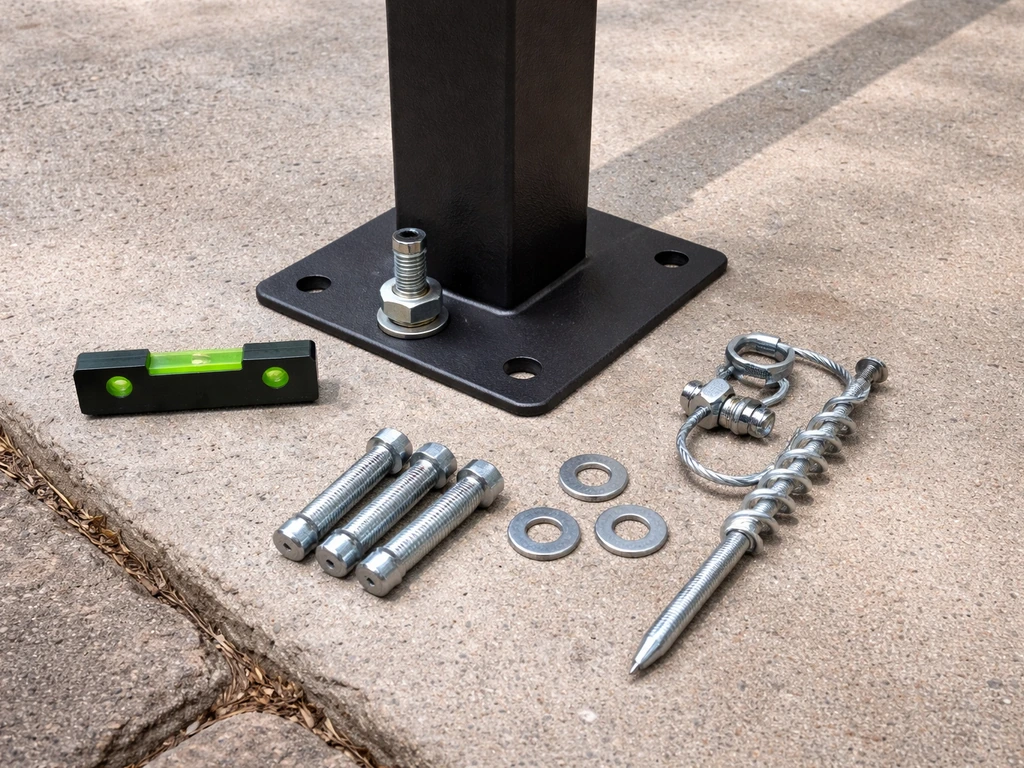
Most soft top gazebos come with a base plate and pre-drilled holes for staking into grass or screwing into a deck surface. Neither method is as secure as anchoring into concrete. If your patio is concrete or pavers over a concrete base, use expansion anchors or wedge anchors through the base plates. ConcreteFasteners.com’s wedge-anchor overview notes that minimum embedment is about 4-1/2 bolt diameters, and that holding values depend on embedment depth expansion anchors or wedge anchors through the base plates. This is the single most impactful thing you can do to keep a gazebo standing in a storm.
- Level your surface before assembly. Even a small slope will cause the frame to rack out of square, which stresses the joints and makes the canopy fit poorly.
- Assemble the frame before raising it. Lay it flat, connect all horizontal beams, then lift as a unit with at least two people (three is better for anything over 10x10 ft).
- Attach the canopy before raising the roof section if your model allows it. It's much easier at waist height than overhead.
- Anchor all four legs. Don't skip corners because the surface is awkward. An unanchored corner is where failures start.
- For concrete: use M10 or larger expansion bolts through the base plate into concrete, with at least 2.5 inches of embedment depth.
- For decking: use structural lag screws into the deck joists below, not just the decking boards.
- For grass or gravel: use auger-style ground anchors rather than simple tent stakes, and add sandbag weights as a secondary measure.
Maintenance is mostly straightforward but it does require actual attention. Clean the canopy fabric two or three times per season with mild soap and a soft brush. Avoid pressure washing, which can degrade coatings and force water into the seams. Check all bolt connections at the start of each season and after any significant storm, because frame joints loosen over time with repeated wind loading. If you have a powder-coated steel frame, touch up any chips or scratches with rust-inhibiting paint before the season starts, not after rust spots appear.
Soft top canopies do need eventual replacement. Expect two to four seasons from a mid-grade canopy before UV degradation or minor tears make it worth swapping. The good news is that replacement canopies are widely available for popular models, often at $50 to $150, which is much cheaper than buying a new structure. When you buy, check whether replacement canopies are available for that specific model. If they're not, walk away.
What to honestly expect in wind, rain, UV, and through the seasons
Most residential soft top gazebos are rated for winds in the 30 to 40 mph range, and that's under ideal conditions with proper anchoring. In practice, a gust in the 35 mph range can damage an improperly anchored soft top or one with a worn canopy. Hard tops with vented ridge designs perform better because the vent at the peak allows wind to escape rather than building pressure under the roof. If severe weather is forecast, the safest move with a soft top is to remove the canopy panels and leave the frame standing, if the design allows it.
For rain, the roof pitch matters more than most buyers realize. A steeper pitch sheds water faster and reduces pooling. Shallow-pitched canopies are more prone to collecting standing water after heavy rain, which adds weight and stress to the frame and seams. If a product listing doesn't mention roof pitch angle, look at the product photos to estimate. Anything that looks nearly flat is a risk in a heavy downpour.
UV degradation is the silent killer of soft top gazebos. Even high-quality polyester fabric loses color and structural integrity after prolonged sun exposure. Darker colors tend to fade faster visually but may hold UV resistance longer than lighter colors. Reproofing the canopy with a fabric water-repellent spray (like a silicone-based outdoor fabric spray) at the start of each season extends the life of the canopy noticeably, especially on an older model.
If you're in a climate with cold winters, take the canopy down before freezing temperatures arrive. Frozen moisture in the fabric weakens the fibers, and ice load on a fabric canopy can collapse the frame. Store the canopy dry and folded loosely, not compressed tightly, in a breathable bag to prevent mildew over winter. The frame can often stay up if it's properly anchored and rated for it, but manufacturer guidance varies, so check before leaving it out.
Your buying checklist and what not to get wrong
Before you click buy on any gazebo, work through this checklist. It will save you a return trip or a frustrating summer.
- Measure your patio footprint and confirm the gazebo fits with clearance on all sides for anchoring and traffic flow.
- Identify your primary weather challenge: wind, rain, snow load, or UV. Match the roof type to that challenge, not to price alone.
- Check the roof material specifically. Confirm it's actually the type advertised (rigid panel vs. fabric) by reading the materials spec, not just the product title.
- Look for UPF 50+ rating on fabric canopies and confirm whether 'waterproof' means sealed seams and PVC coating or just water-repellent treatment.
- Verify the frame gauge. For steel, look for at least 1.5mm wall thickness on legs. For aluminum, 2mm or more for anything permanent.
- Check anchoring options. Does the product include base plates with pre-drilled holes? Are compatible anchors sold separately?
- Confirm replacement canopies are available for the specific model and note the part number before buying.
- Read the wind rating in the product specs, and treat it as a maximum under ideal anchoring conditions, not an everyday operating limit.
- Factor in assembly. Hard tops often require 3 to 4 people and several hours. Budget for help if you don't have it.
- Check the return policy. Assembled large structures are often non-returnable once built, so make sure of your measurements and surface conditions first.
Common mistakes to avoid
- Buying based on footprint dimensions without accounting for overhang. The roof often extends 6 to 12 inches beyond the leg frame, which affects clearance near walls or fences.
- Assuming any gazebo labeled 'waterproof' will keep you dry in a real rainstorm without checking how the seams are constructed.
- Skipping anchoring because it looks stable on a calm day. Wind loads are dynamic and a free-standing gazebo will move, twist, or tip even in moderate gusts.
- Choosing a soft top for a windy location because it's cheaper, then replacing it after one season of damage.
- Not checking whether the patio surface can accept anchors at all. Some HOA-governed patios or rental properties restrict permanent fasteners.
- Buying the largest model that fits without thinking about the visual weight. A 14-foot gazebo can overwhelm a small backyard even if it technically fits the measurements.
- Ignoring ventilation. A gazebo without a vented ridge or open sides will trap heat and feel stuffy in summer, especially under a hard top or solid fabric canopy.
The bottom line: a well-chosen soft top patio gazebo is a genuinely useful, cost-effective shade solution for seasonal use in mild to moderate climates. If you want the best patio canopy for your yard, start by matching the roof type to your local wind and rain patterns. Choosing the best gazebo for patio use comes down to matching the roof type, size, and anchoring to your local wind and rain soft top patio gazebo.
A hard top earns its higher price in windy areas, rainy climates, or anywhere you want year-round installation without worrying about the roof. Get the anchoring right, match the roof type to your actual weather, and check the construction details before trusting a marketing label. If you want help narrowing down options, look for top rated patio gazebos that match your roof material and anchoring needs.
Do those three things and you'll end up with a patio space you actually want to spend time in.
FAQ
Can a soft top patio gazebo be truly waterproof for heavy rain?
Yes, but only if the canopy is built for it. Look for sealed or heat-taped seams, a PVC-coated fabric, and a stated waterproof construction. Even then, avoid leaving it up through heavy storms or freeze-thaw cycles, because trapped water and ice can stress the frame and weaken the fabric.
How do I tell if a listing is really a hard top or just a soft top labeled “hardtop”?
Don’t rely on “hardtop” as a deciding label. Verify the roof material name in the specs (polycarbonate panels, metal sheets, shingles) versus fabric terms (polyester, canvas, PVC-coated fabric). If the roof is flexible or described as a canopy, treat it as soft even if it’s marketed as hard.
What anchoring method works best if my patio is a deck or has pavers instead of bare concrete?
First check the deck or patio substructure rating, then anchor method. Bolting into wood deck boards without proper blocking can pull out, while using expansion or wedge anchors into concrete is more secure for wind events. If you have pavers over concrete, anchor through the base plate into the concrete where possible.
How much clearance do I need for a soft top patio gazebo with patio heaters or hanging lights?
Measure clearance for both the base footprint and the usable space underneath. If you plan to hang heaters, fans, or string lights, confirm center and side clearance from the product’s listed peak height to your ceiling or any overhead structure on the patio.
What’s the safest way to clean a soft top patio gazebo canopy?
Wipe off debris after storms, then let it dry before storing. If the canopy gets muddy, use mild soap and a soft brush, then rinse gently. Avoid pressure washing, because it can damage coatings and force water into seam areas.
Why do some soft top gazebos wear out sooner even when the fabric has a good UV rating?
Typical fabric life is not just about UV resistance, it’s about how water behaves on the roof. A flatter roof pitch that pools water usually ages seams faster than a steeper design. Combine that with high sun exposure and windy weather, and two identical canopies can fail at different times.
Is it worth buying a soft top if the canopy might need replacement in a few years?
If replacement canopies are available, replacement is usually cheaper than replacing the entire frame. Confirm that the canopy model is compatible with your exact frame size and attachment style (clips, straps, or track). If the brand no longer sells replacements for your model, consider walking away.
Can I leave the frame up during bad weather and remove only the canopy to stay safer?
In most residential setups, yes, you can remove only the canopy panels to reduce wind load while leaving the frame up, but it depends on the design and how the roof panels attach. Verify that the unit is designed to be used without the canopy and that the remaining frame is still anchored.
What should I do if my soft top starts to sag or pool water after rain?
Fix it promptly if there are loose bolts or sagging fabric after a storm. Tighten hardware at the start of the season and inspect seam areas for stretching or small tears. For ongoing sag, check whether the frame legs are level and whether the roof pitch is built as intended, since sag often leads to pooling.
Should I remove the soft top during winter, and what’s the best way to store it?
Often yes for mixed climates, but plan storage as a routine step. Take down the canopy before freezing temperatures, store it dry and loosely folded to prevent mildew, and keep the fabric breathable. If you leave it compressed or wet, you’ll speed up fiber damage.
Which setup is cooler in summer, a soft top patio gazebo with mesh sides or a hard top?
For heat and humidity, mesh side panels are the biggest comfort boost. A sealed or fully solid hard top can feel hotter under direct sun because it traps heat more, while mesh allows airflow. If wind is a concern, ensure the wind-rated anchoring and avoid leaving open sides in high gust conditions.
If my soft top gazebo is rated for 30 to 40 mph winds, is it safe in a storm?
Yes, but confirm the wind rating is for the system, not the bare frame. If the gazebo is rated for 30 to 40 mph, treat that as ideal conditions with proper anchoring and an intact canopy. Any missing anchors, worn fabric, or loose joints can reduce real-world performance.
Next Articles
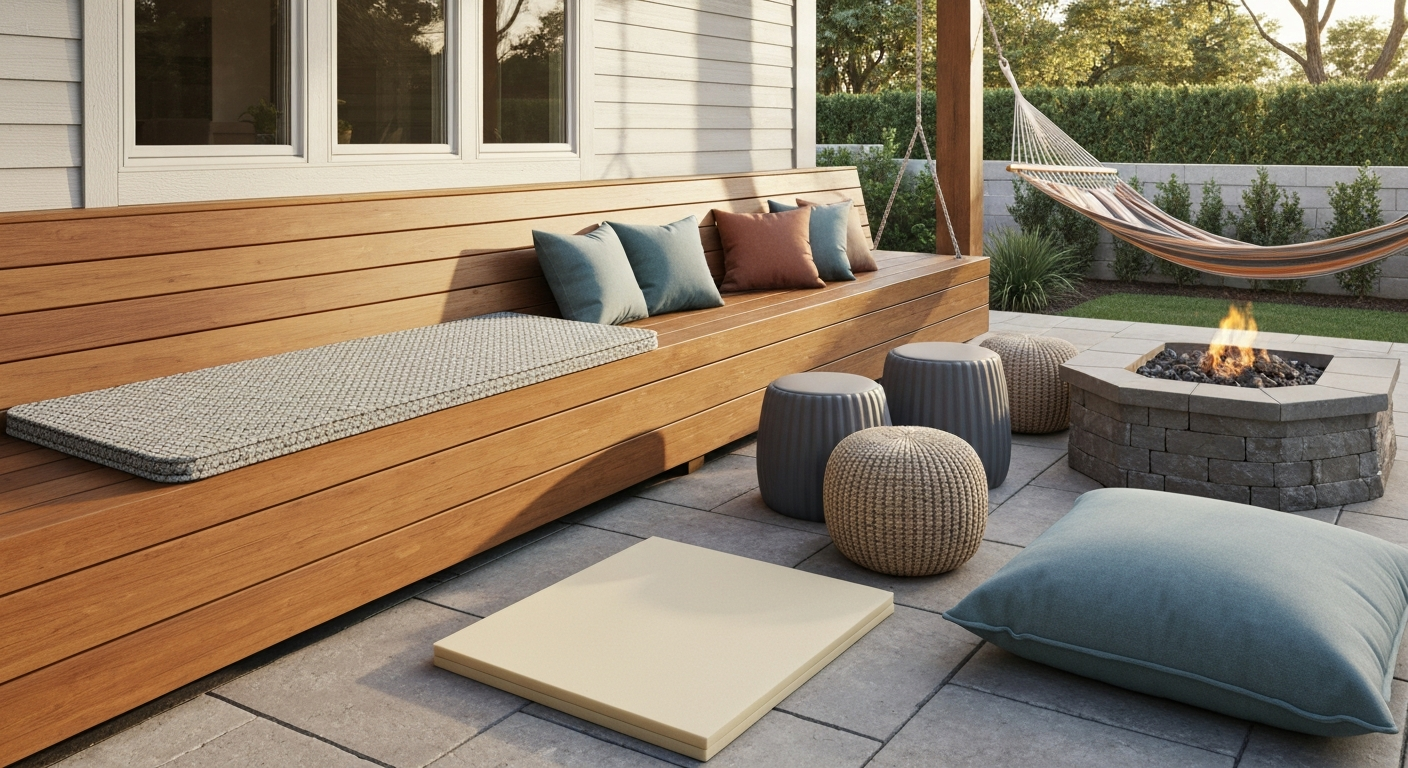
Alternative to Patio Cushions: Durable, Stylish Options and DIY
Alternative to patio cushions: durable, weatherproof seating options, pros, DIY tips & buying guide.
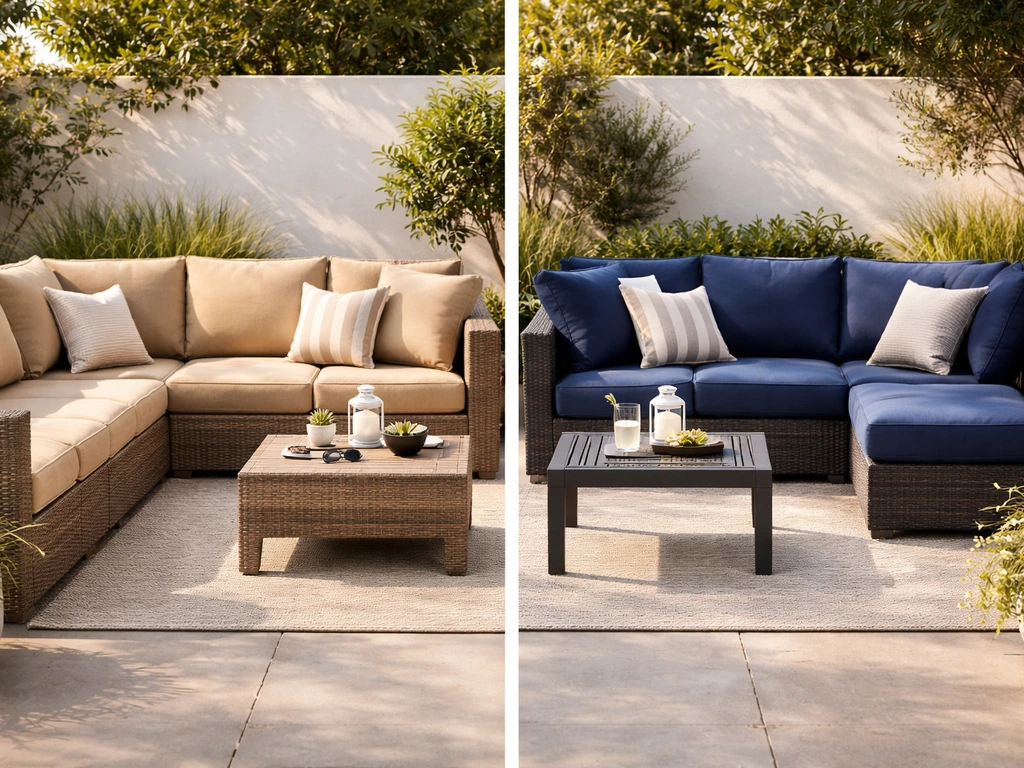
Best Color for Outdoor Patio Cushions in 2026
Choose the best cushion color for sun, heat, and fading in 2026, with pairing tips for patio furniture and durability.
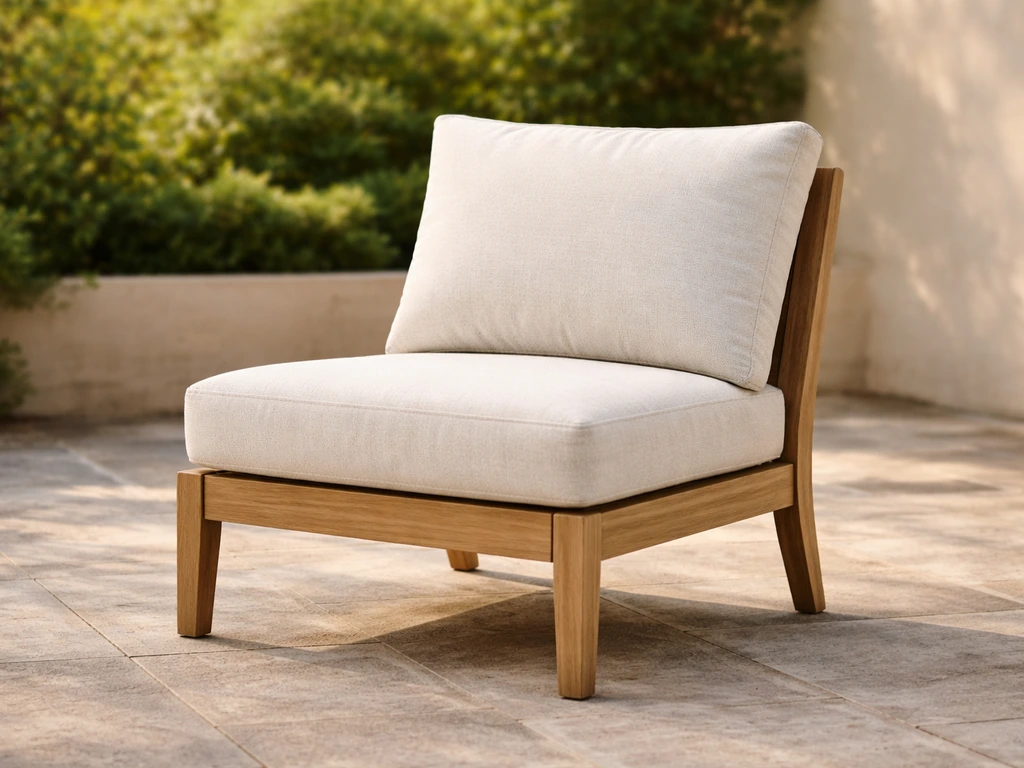
Top Rated Patio Cushions: How to Choose Fast and Right
Step-by-step guide to choose top rated patio cushions by fit, materials, weather durability, and easy cleaning for your