
The best patio table cover for most people is a full-length, waterproof polyester cover with air vents, a drawcord hem, and buckle straps, sized to match your table's exact width, depth, and height including chairs. For a standard 6-person round dining set, something like the Classic Accessories Madrona (94 in. diameter x 23 in. H) hits the sweet spot of fit, weather protection, and price. For rectangular sets, the Madrona RainProof line offers multiple footprint options (88x58, 108x82, 128x82 inches) at a consistent 23-inch seating height, which covers the vast majority of outdoor dining configurations. If budget is tight, Duck Covers Ultimate (available in sizes like 96Lx64Wx32H inches) gives you breathable side panels and solid waterproofing for less money.
Best Patio Table Cover Guide: Fit, Materials, and Top Picks

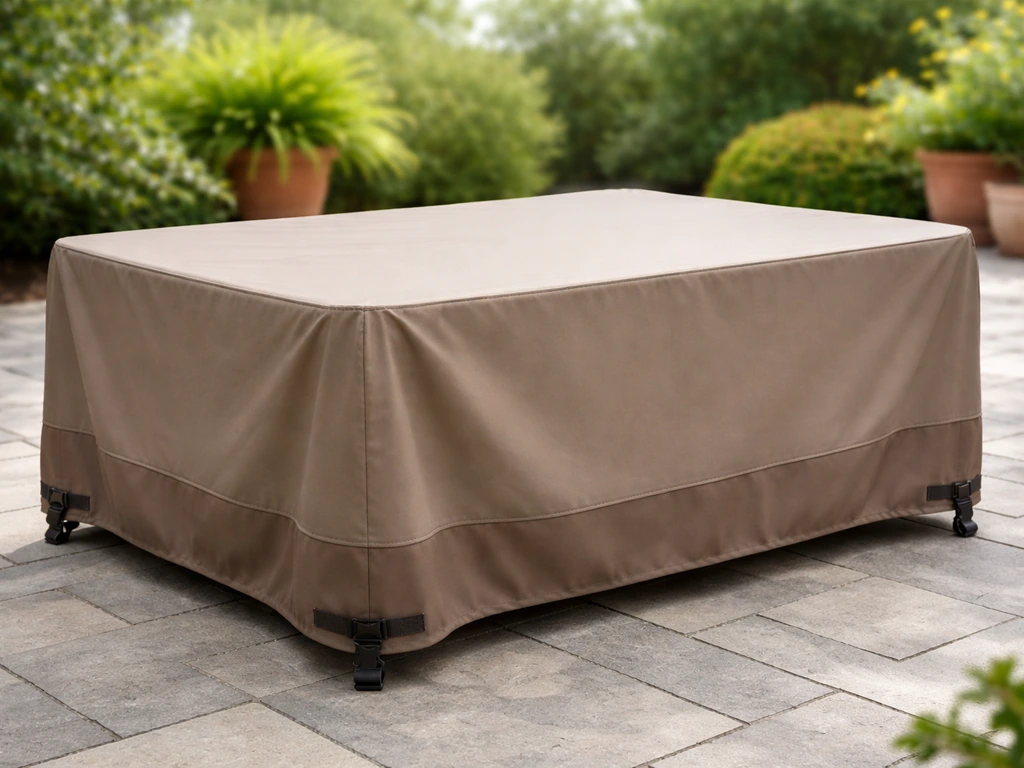
How to choose the right size and shape cover
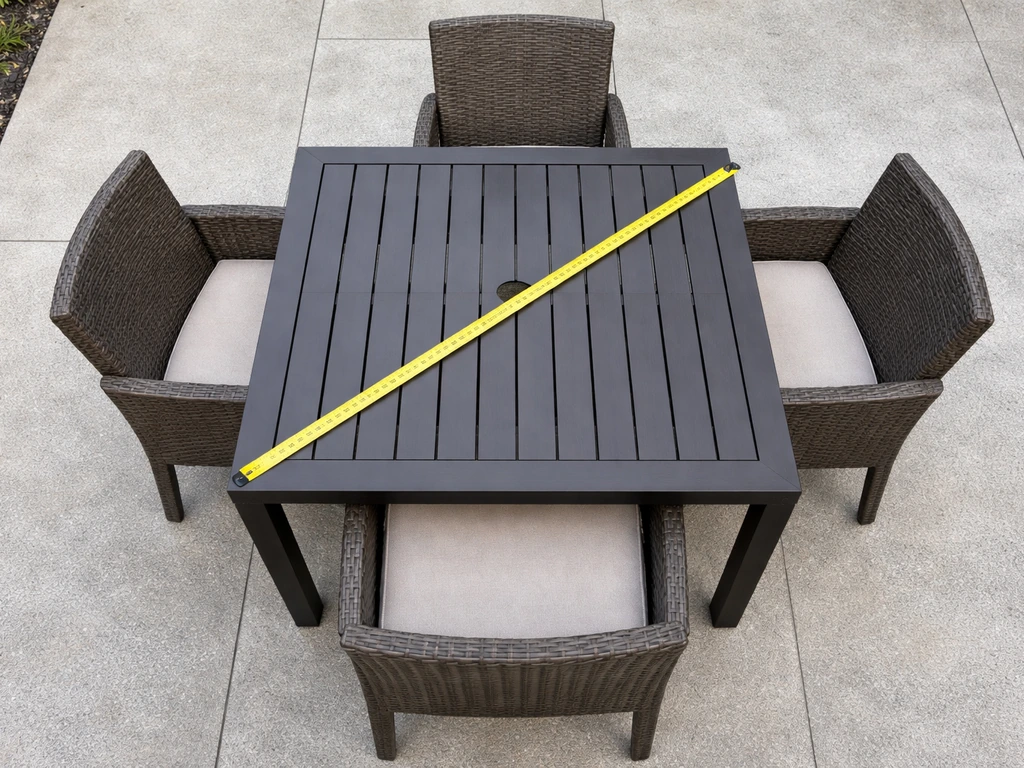
Getting the size right is the single most important step, and it's where most people go wrong. A cover that's too small won't pull down over your chairs. One that's too large pools water on top, catches wind, and flaps itself into tatters by spring. Measure three things before you buy anything: width (right-to-left across the widest point of the tabletop or chair spread), depth (front-to-back), and height (ground to the tallest point, usually the top of a chair back). Round up to the nearest inch on each measurement to avoid an undersized cover.
Round tables
For round tables, you only need one diameter measurement since the cover wraps evenly in all directions. The key is to measure the full footprint of the table and chairs together, not just the tabletop. A 50-inch round table with chairs pulled out can easily need an 82-inch cover to drape properly over the full setup. KoverRoos and similar brands publish sizing tables that pair table diameter with total cover diameter, so use those as a sanity check after you measure.
Square and rectangular tables
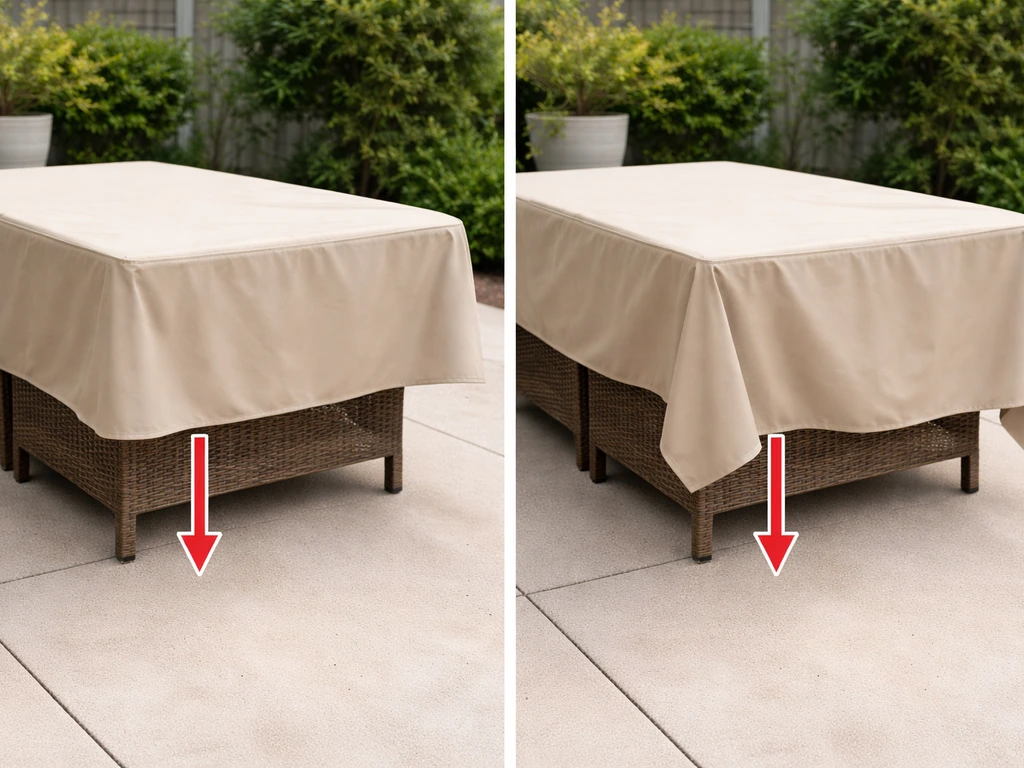
For square tables, width and depth should be the same number. If they're not, re-measure. For rectangular sets, you need all three dimensions. Lowe's recommends measuring the widest part of the surface, and if your chairs have thick cushions left on them, include that added thickness in your height measurement. Most standard dining chairs with cushions sit around 34 to 36 inches high, while bar-height chairs land closer to 48 to 52 inches, so bar-height sets need a taller cover entirely.
Fit: snug vs. loose, and drop length
You want a cover that drops at least 12 to 15 inches below the tabletop edge to protect the chair legs and base. Full-length covers that reach near the ground offer the best protection, especially against blowing rain and winter snow. Top-only covers (which cover just the tabletop surface) are really only useful for mild climates or quick afternoon protection. For anything resembling real weather, go full-length.
Material and weather protection explained
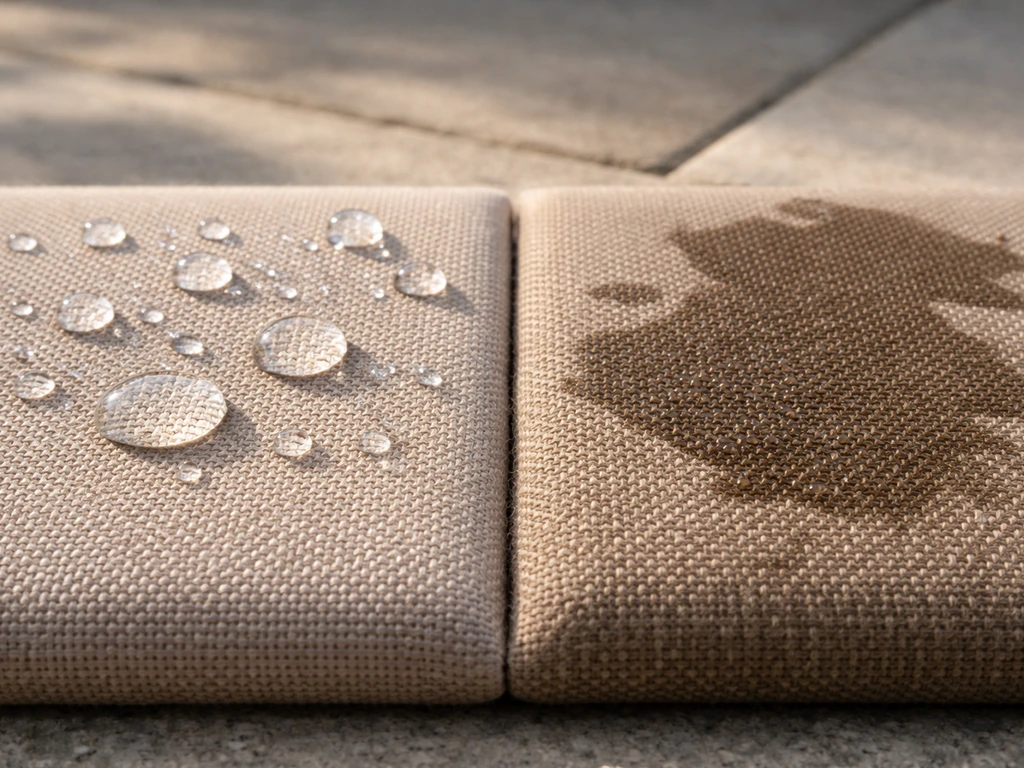
The two terms you'll see constantly are waterproof and water-resistant, and they are not the same thing. Water-resistant fabrics shed light rain and dew but will eventually soak through under sustained downpours. Waterproof covers, especially those with heat-sealed or taped seams, actively block water from entering even during heavy storms. For anyone dealing with real rain seasons or snowfall, waterproof is worth the extra cost.
| Material Type | Water Protection | Breathability | UV Resistance | Best For |
|---|---|---|---|---|
| Polyester with PVC backing | Waterproof | Low (needs vents) | Moderate to high | Year-round, rain and snow |
| Solution-dyed polyester | Water-resistant | Moderate | High | Sun-heavy climates, mild rain |
| Canvas/Olefin blend | Water-resistant | High | High | Mild climates, aesthetics-focused buyers |
| Vinyl/PVC | Fully waterproof | Very low | Moderate | Heavy rain, short-term winter storage |
UV resistance matters more than most people expect. A cover that breaks down from sun exposure starts cracking and fading within one season, and once the coating degrades, the water protection goes with it. Solution-dyed fabrics (where color goes all the way through the fiber rather than being surface-printed) hold up best against long-term sun exposure. If you leave your cover on year-round in a sun-heavy region, prioritize UV rating alongside waterproofing.
Seam quality is the hidden weak point. A cover can use excellent fabric but fail at the stitching lines, which are tiny water entry points. Look for taped seams (where a waterproof tape is heat-bonded over the stitch line) or seam-sealed construction. The Classic Accessories Madrona, for example, uses seam-taped vent hoods, which handle the double duty of keeping stitching dry while still allowing airflow.
Wind control, vents, straps, and tie-downs
A cover that blows off in the first storm is useless, and this is where most budget covers fail. There are a few key hardware features that separate covers that stay put from ones you'll find in your neighbor's yard after a windy night.
- Drawcord hem: a cord threaded through the bottom hem that cinches tight under the furniture. Basic but effective for calm conditions.
- Buckle straps: nylon straps with plastic buckles that clip under or around the furniture frame. Much more wind-resistant than drawcords alone. Covermates Ultima uses a 360-degree locking drawcord plus multiple buckle straps together.
- Grommets or tie-down loops: allow you to run bungee cords or rope through the cover for extra anchoring in high-wind areas.
- Air vents: mesh panels or seam-taped vent hoods that let trapped air escape. Without these, wind gets under the cover and lifts it like a sail. Vents also reduce condensation under the cover.
The condensation issue is worth dwelling on. A fully sealed cover with no ventilation traps humidity underneath, especially when temperatures swing between day and night. That moisture can't escape, so it sits against your furniture and creates mold and mildew. Both Classic Accessories and Duck Covers address this with built-in vent systems. The Classic Accessories Terrazzo uses an elastic cord in the bottom hem plus air vents specifically to reduce inside condensation and prevent wind from lifting the cover. The Duck Covers Ultimate uses breathable side panels. Either approach works, but you want at least one of them in any cover you buy.
If you're in a consistently windy location, don't rely on the cover's built-in hardware alone. Add a set of bungee cord loops run through the grommets and anchored under the furniture legs. It takes two minutes and makes a real difference when gusts hit.
Seasonal use: rainy season, snow, and year-round
How you use your cover depends heavily on your climate, and the answer isn't always to leave it on 24/7. Here's a practical breakdown by season and scenario.
Rainy season and spring/fall use
During rainy seasons, a waterproof cover earns its keep fast. Put it on whenever the table won't be used for more than a day or two. Don't leave a wet cover sealed on furniture for weeks at a time without checking underneath. Lift it on dry days to let the furniture breathe. This is especially true if your furniture is wood or has cushions, even if the cushions are stored separately.
Winterizing and snow protection
For snow and ice, you want a fully waterproof cover with strong seams, not a water-resistant one. Snow sitting on a water-resistant cover will eventually melt through. Make sure the cover has enough structural support to handle snow weight without collapsing inward and pooling water. Covers with a slight peak or dome shape handle snow better than flat-profile ones. Before putting the cover on for winter storage, clean the furniture thoroughly and let it dry completely. A damp table going under a cover for three months is a mold farm.
Year-round use
If you plan to leave the cover on year-round (which many people do for convenience), breathability becomes even more important than it is for seasonal use. A fully non-breathable cover left on permanently will trap moisture from humidity, dew, and temperature changes even when it's not raining. Covers marketed as breathable or featuring mesh vent panels, like those from Shield Outdoor Covers, are specifically designed for this use case. Check underneath monthly during humid months to catch any moisture buildup early.
Storing the cover when not in use
Always store your cover dry. This can't be overstated. Folding a damp cover and putting it in a storage bag or bin is one of the fastest ways to ruin it. Shake off debris, hose it down if needed, let it air dry completely in the sun, then fold and store. Most covers come with a storage bag, which is handy, but make sure the bag has some breathability so residual moisture can escape.
Best patio table covers by table type and budget
Here are the covers I'd actually recommend based on table type and how much you want to spend. These aren't exhaustive, but they represent the best combinations of fit, weather protection, and durability at each price level. If you are specifically shopping for the best patio covers for rain, prioritize waterproof construction, seam quality, and strong tie-downs so it stays secure during storms.
| Table Type | Budget Pick | Mid-Range Pick | Premium Pick |
|---|---|---|---|
| Round dining set (4-6 chairs) | Duck Covers Ultimate (round, ~$35-50) | Classic Accessories Madrona 94in Round (~$55-75) | Covermates Ultima custom round (~$90+) |
| Rectangular dining set (6-8 chairs) | Duck Covers Ultimate 96x64x32in (~$40-55) | Classic Accessories Madrona RainProof 108x82x23in (~$60-80) | Covermates Ultima rectangular (~$95+) |
| Square dining set (4 chairs) | Generic square polyester cover, measure carefully (~$25-40) | Classic Accessories Terrazzo 80in set cover (~$50-65) | Coverstore custom square cover (~$85+) |
| Bar-height table and stool set | Duck Covers bar-height cover (~$45-60) | Classic Accessories bar-height specific model (~$60-75) | Covermates Ultima bar-height (~$90+) |
For most people with a standard rectangular or round dining set, the Classic Accessories Madrona line is the easiest recommendation. It's widely available at Home Depot and Walmart, comes in multiple exact footprint sizes, has seam-taped vents, and uses waterproof (not just water-resistant) construction. The Covermates Ultima from Coverstore is the step up if you want a 360-degree locking drawcord, multi-point buckle straps, and a mesh breathing panel all in one cover. It costs more but the securing hardware is noticeably better in wind.
If you're also protecting chairs separately or looking at full furniture set covers beyond just the table, the considerations around waterproofing versus water-resistance get more nuanced. Covers designed specifically for snow loads and covers built for UV-heavy climates each have their own priorities that go beyond what a general table cover addresses.
Installation, cleaning, and making your cover last
Putting the cover on correctly
Center the cover over the table before pulling it down. If you have chairs, tuck them in toward the table first so the cover drapes evenly over the whole set. Pull the cover down from all sides evenly rather than pulling hard on one corner, which can stress the seams. Once it's seated, cinch the drawcord snugly and clip all buckle straps. Give the cover a light tug from a few directions to make sure it won't lift. Coverstore's guidance is clear: tension the securing hardware after placement, don't skip it because the weather looks calm now.
Cleaning without damaging the cover
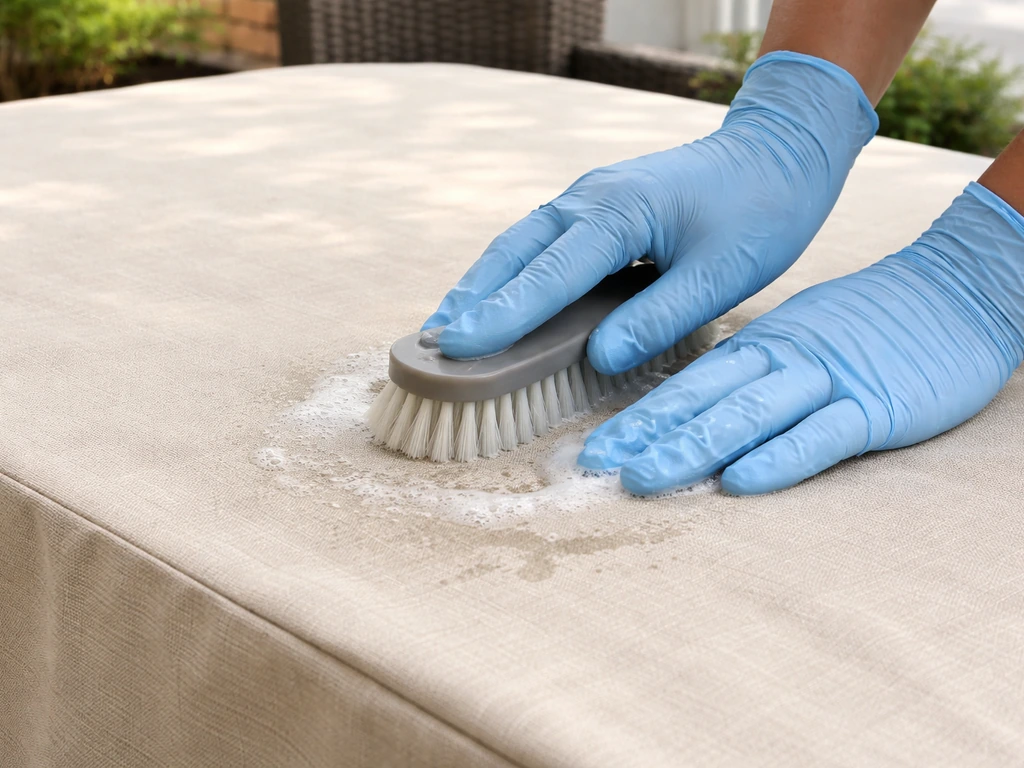
The biggest cleaning mistake people make is throwing a cover in the washing machine. Classic Accessories explicitly says don't do this, and most cover manufacturers agree. Machine washing degrades the waterproof coatings and UV treatments. Instead, lay the cover flat or drape it over a fence or railing, rinse thoroughly with a garden hose, and use a soft brush with mild liquid soap for any dirty areas. Rinse completely and air dry.
For mold or mildew spots, Coverstore recommends a diluted solution of 1 gallon of lukewarm water with 1/4 cup of bleach applied to the affected area. This is the exception to the no-bleach rule and works for spot treatment. Don't soak the entire cover in bleach solution, as that will strip the protective coatings. CoverWorld's care instructions reinforce this: avoid applying cleaners or bleach broadly because it diminishes UV and water repellency. Spot-treat only.
Extending cover life year after year
- Never store a damp cover. Air dry completely before folding and bagging.
- Check underneath the cover monthly during humid seasons to catch moisture or mildew before it becomes a problem.
- Re-apply a fabric water repellent spray (like 303 Fabric Guard) each spring to refresh the DWR coating that wears off over time.
- Keep the cover off during extended dry, sunny stretches in summer. Leaving it on constantly in peak UV accelerates degradation even with UV-resistant fabric.
- Inspect the drawcord and buckle straps at the start of each season. Replace broken straps before they fail during a storm.
- If your cover comes with a warranty (Classic Accessories provides one), register the product and keep your receipt so you can file a replacement claim if the cover fails prematurely.
Quick pre-purchase checklist
- Measure width, depth, and height of your full table-and-chair footprint and write the numbers down before shopping.
- Confirm the table shape (round, square, rectangular, oval) to match the cover shape.
- Decide if you need waterproof or water-resistant based on your typical weather (waterproof for rain and snow, water-resistant for mild climates).
- Check that the cover has air vents or breathable panels to prevent condensation buildup.
- Verify the securing hardware includes at least a drawcord plus buckle straps, not just one or the other.
- Read the care instructions before buying, especially if you plan to store it seasonally.
Buying the right patio table cover comes down to accurate measurements, honest assessment of your local weather, and not cutting corners on securing hardware. Get those three things right and a quality cover will protect your dining set reliably for three to five seasons or more.
FAQ
Should I buy a “table” cover or a “dining set” cover if my chairs stay pulled out sometimes?
If chairs are often left expanded away from the table, choose a cover sized for the total footprint (table plus chair spread). A table-only cover will usually fit the tabletop diameter but still leave gaps near chair backs, which lets wind-driven rain reach the chair legs.
How can I tell if a waterproof cover is actually seam-taped or just “waterproof” marketing?
Look for wording or images that mention taped seams, seam sealing, or heat-bonded seam tape. If the description only says waterproof fabric with no seam detail, assume stitch lines are unprotected and plan on faster leakage during sustained downpours.
Do I need to remove snow and ice from the cover or can I leave it in place?
In most cases you should periodically remove heavy buildup or at least shake off fresh snow once it accumulates, especially if your cover is flat. A dome or peaked shape helps, but continuous melt and refreeze can stress seams and cause pooling even on waterproof covers.
What’s the best way to prevent a cover from flapping at night in gusty areas?
Use the built-in ties plus an added tie-down method, like looping bungees through grommets and anchoring under furniture legs. Also confirm the cover is pulled down evenly from multiple sides, uneven tension is a common reason wind finds a lift point.
Can I use a cover on furniture with cushions attached, or do I need separate cover storage?
You can cover with cushions attached, but plan to check underneath more often because trapped moisture increases mold risk. If you live in a humid climate or expect long rainy stretches, it’s safer to store cushions separately indoors or under a breathable cover.
Is it okay to hose off the cover, or will that damage the waterproofing?
Hosing is fine for routine rinsing as long as you air dry fully afterward. Avoid scrubbing aggressively or using harsh detergents, which can wear down coatings and reduce both water beading and UV protection over time.
Why does my cover smell musty after a few weeks even though it’s waterproof?
That’s usually trapped humidity, not a failure of the waterproof fabric. If your cover has no real ventilation, moisture can condense inside during temperature swings. The fix is to lift on dry days, improve airflow, and consider a cover with vent panels or breathable side construction for long-term storage.
What size should I buy if I’m between two measurements?
If you’re truly between sizes, it’s safer to round up to the next inch as a baseline and ensure the cover can still pull down over chair backs. Oversizing a little is preferable to undersizing, because an undersized cover will not drape fully and will leave exposure points.
How often should I check underneath the cover if I leave it outdoors year-round?
Check at least monthly during humid or coastal summers, and after any long spell of rain. Lift a corner briefly to see if there is visible condensation or dampness, and let the furniture breathe when conditions are dry.
Can I machine wash a patio table cover if it looks dirty?
Avoid machine washing unless the manufacturer explicitly allows it. Agitation can degrade waterproof coatings and UV treatments, and it can damage venting components or attachment hardware. Stick to rinsing plus gentle hand-cleaning with mild soap and soft brushing.
Is bleaching for mold safe on all covers?
Use bleach only for targeted spot treatment when mold appears, and never soak the entire cover in a bleach solution. Broad bleach exposure can strip protective chemistry that supports water repellency and fade resistance, leaving the cover more vulnerable after the next rain cycle.
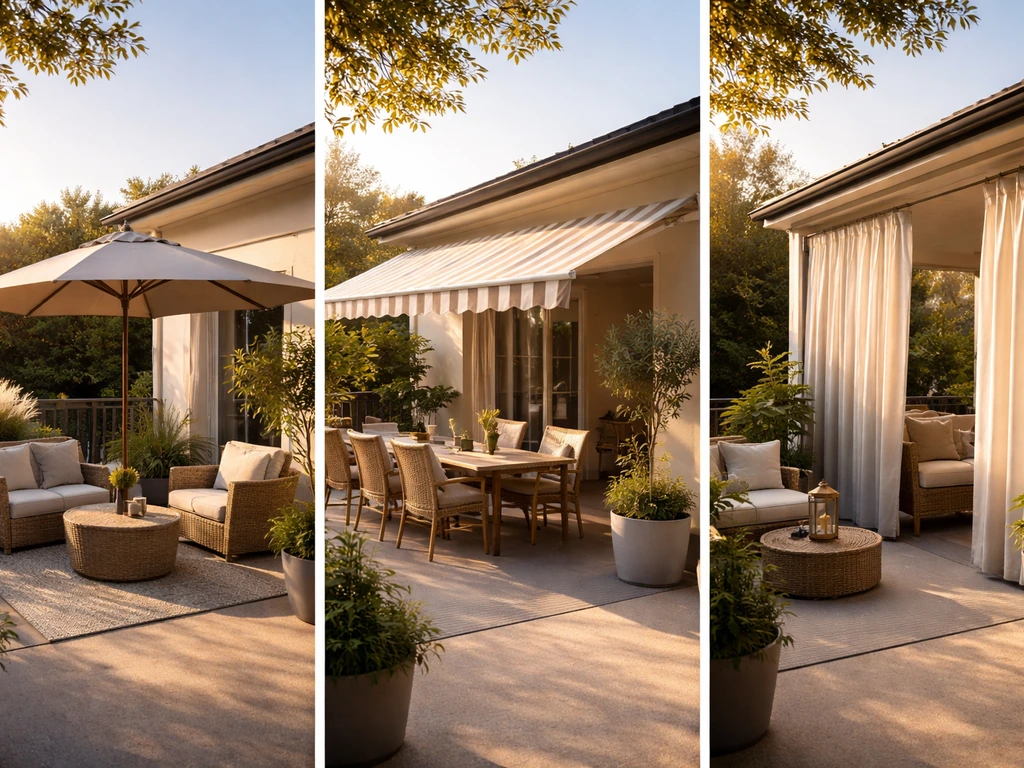
Compare best outdoor patio shades by sun blocking, coverage, wind proofing, privacy, and renter friendly setup to choose
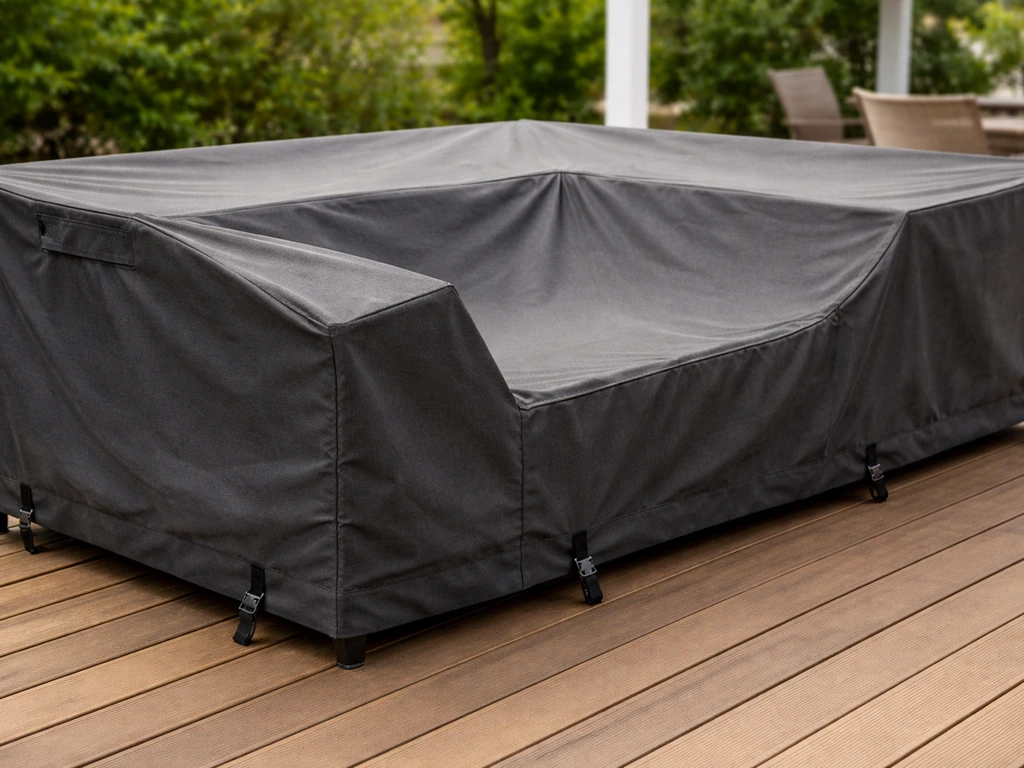
Choose the best patio furniture covers with proper sizing, waterproof vs breathable types, wind security, UV and care ti
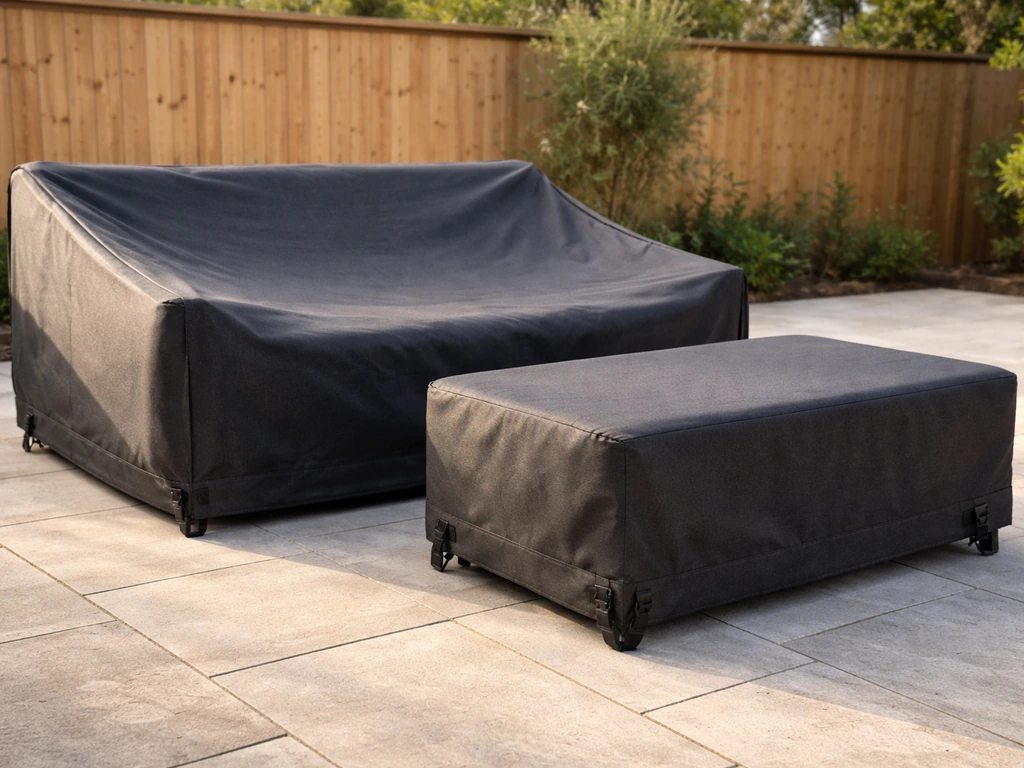
Choose best rated patio furniture covers with fit, materials, waterproofing, UV and wind features, plus measuring and ca